
Yes. Shipping containers can be used on farms for tool storage, irrigation supplies, harvest materials, feed, equipment parts, farm stand supplies, and seasonal inventory. Placement rules can vary by county, property type, and intended use, so local requirements should be checked before delivery.
Shipping Containers for Washington Farms, Orchards & Vineyards | Conexwest
Shipping Containers for Washington Farms, Orchards & Vineyards
Washington is one of the most productive agricultural states in the country. According to the Washington State Department of Agriculture, the state produces more than 300 commodities, with agriculture playing a major role in local communities, rural businesses, food distribution, and exports. Washington is especially known for apples, cherries, pears, blueberries, hops, grapes, potatoes, and other high-value crops.
For farms, orchards, vineyards, wineries, ranches, and rural properties, storage is not just about having extra space. It is about keeping tools secure, protecting seasonal supplies, organizing equipment, and having storage close to where the work happens. Shipping containers are useful because they can be placed directly on the property, locked after hours, and used for both temporary and long-term agricultural storage.
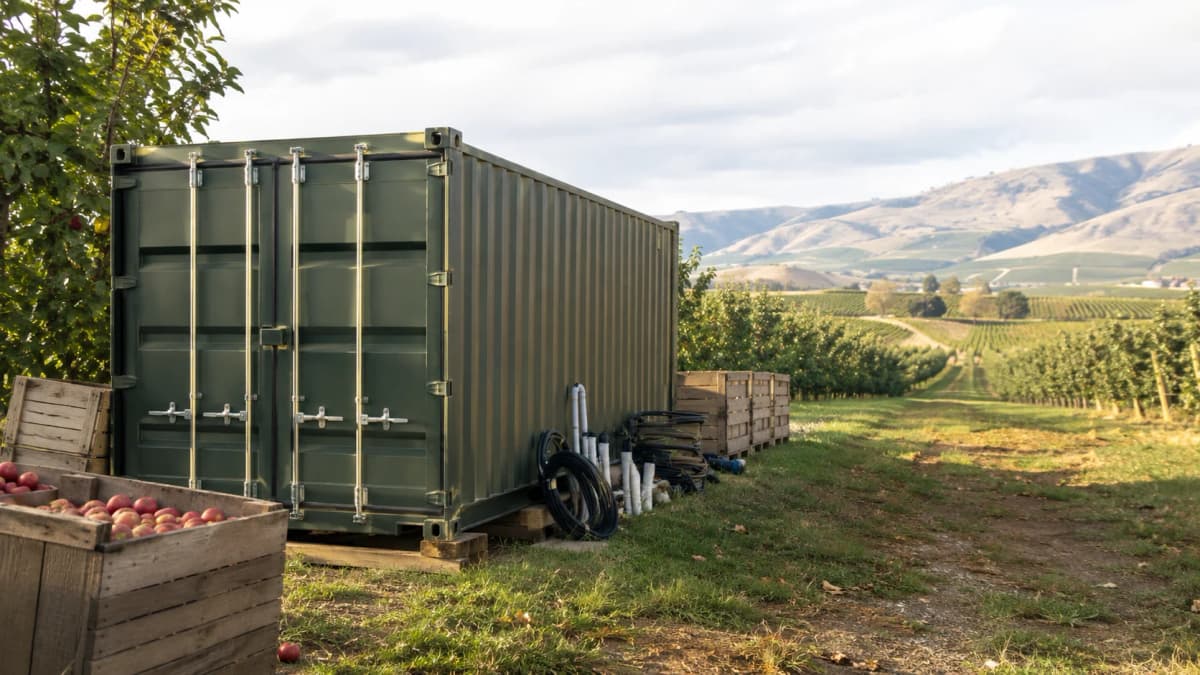
Across Washington, containers can support apple orchards in Central Washington, vineyards and wineries in wine country, hop farms, berry farms, produce operations, livestock properties, farmers markets, farm stands, and rural businesses that need durable on-site storage.
Key Takeaways
- Shipping containers are useful for Washington farms, orchards, vineyards, ranches, wineries, and rural properties that need secure on-site storage.
- Common uses include farm tool storage, irrigation parts, harvest supplies, feed, packing materials, vineyard supplies, winery inventory, and seasonal equipment.
- Containers can be used for long-term farm storage or short-term seasonal storage during harvest, planting, construction, repairs, or farm events.
- The best container options for farms include 10ft, 20ft, 40ft, high cube, refrigerated, insulated, modified farm stand, and ground-level office containers.
- Useful modifications include shelving, vents, lighting, electrical, roll-up doors, man doors, custom paint, insulation, and refrigerated storage.
- Conexwest supplies shipping containers for sale and rent, with fabrication and delivery options for agricultural, rural, and farm storage needs.
Why Shipping Containers Work Well for Washington Agriculture
Agricultural operations often need storage in places where a traditional building may not be practical, affordable, or fast enough to install. A shipping container gives farms and rural businesses a durable storage option that can be placed near barns, packing areas, fields, orchards, vineyards, equipment yards, or farm stands.
For many growers, the biggest advantage is flexibility. A container can be used during harvest season, moved to another part of the property later, or kept as permanent storage for tools and supplies. It can also help separate different categories of equipment, such as irrigation supplies, packaging materials, tools, repair parts, seasonal inventory, and farm stand materials.
Containers are especially helpful in rural areas where equipment and supplies may otherwise be spread across multiple sheds, barns, trailers, or open storage areas. Instead of storing everything in one crowded building, farms can place storage closer to the work area and keep daily-use items easier to access.
For broader statewide use cases, read Conexwest’s guide to shipping container uses in Washington State.
Common Farm Storage Uses
Shipping containers can support many day-to-day farm operations. A standard dry storage container can be used for items that need to stay organized, secure, and protected from rain, wind, and theft.
Common farm uses include:
- Farm tool storage
- Irrigation pipe, fittings, pumps, and repair parts
- Feed and farm supply storage
- Fencing supplies and repair materials
- Harvest bins, crates, bags, and packing materials
- Seed, fertilizer, and growing supplies
- Equipment attachments and spare parts
- Workshop tools and maintenance supplies
- Safety gear and seasonal work supplies
- Event, market, and farm stand inventory
For many farms, a container can function like a secure field-side storage room. Instead of driving back to the main shop for every tool or part, teams can keep frequently used items closer to the work area.
Orchard Storage for Apples, Cherries, Pears, and Fruit Operations
Washington is one of the country’s leading tree fruit states. Washington State University notes that Washington is a leading producer of apples, pears, and cherries, with Central Washington’s climate and irrigation making it especially strong for tree fruit production.
Orchards often need storage for tools, ladders, harvest supplies, bins, packaging materials, irrigation parts, pruning equipment, and seasonal labor supplies. A container can help orchard operators organize these items and keep them closer to the blocks where work is being done.
Orchard uses include:
- Apple, cherry, pear, peach, and apricot harvest supply storage
- Pruning tools, ladders, and orchard equipment
- Irrigation parts and repair supplies
- Packing materials, boxes, labels, and bags
- Farm stand supplies and seasonal display equipment
- Spare parts for tractors, sprayers, and utility vehicles
- Temporary storage during peak harvest periods
For fruit operations with seasonal peaks, rental containers can be especially useful. A grower may only need extra storage during harvest, packing, pruning, or farm stand season.
Vineyard and Winery Storage
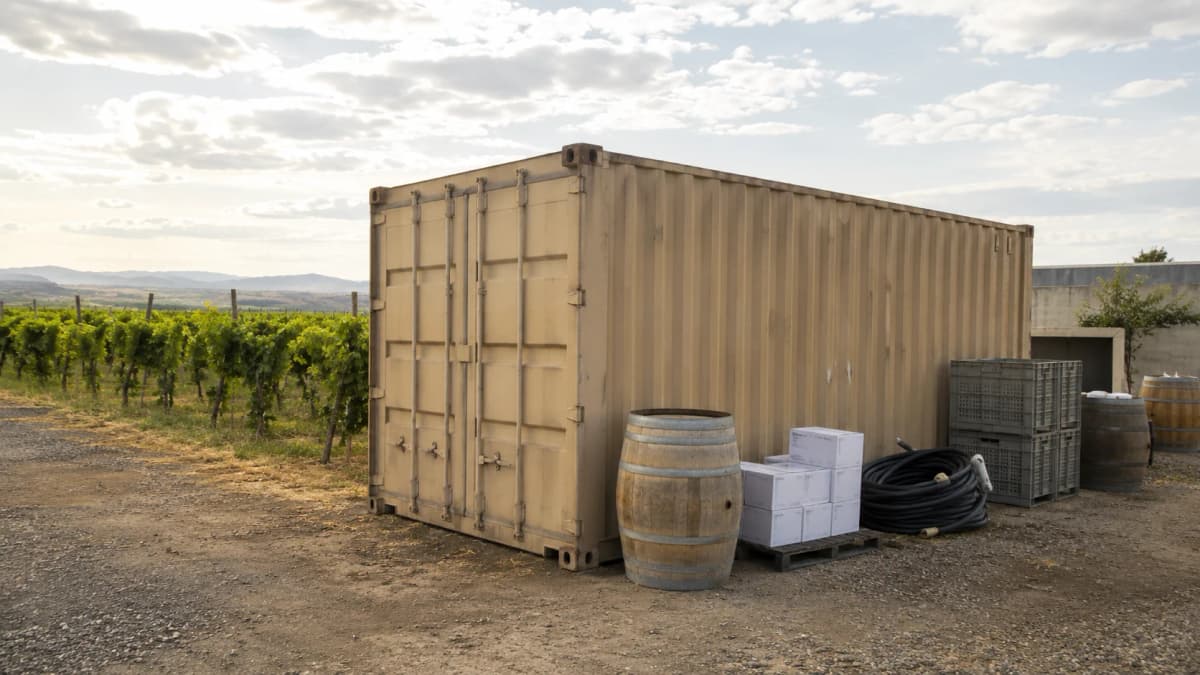
Washington’s wine and grape industries also create strong demand for flexible storage. Vineyards and wineries need space for vineyard tools, trellis supplies, irrigation materials, bottles, packaging, tasting room supplies, event materials, and seasonal inventory.
Shipping containers can be used at vineyards, wineries, tasting rooms, and production sites for:
- Vineyard tools and trellis supplies
- Irrigation parts and hoses
- Bottles, boxes, labels, and packaging materials
- Event tables, chairs, signage, and tasting room supplies
- Barrel room support items and winery equipment
- Seasonal retail inventory
- Maintenance tools and spare parts
For wineries with limited indoor space, a container can help separate production supplies from tasting room inventory or event materials. Modified containers can also be painted to match the property or fitted with shelving and lighting for easier daily use.
Farm Stands and Farmers Market Support
Shipping containers can also support Washington farm stands, roadside fruit stands, farmers markets, and seasonal produce businesses. A container can provide a secure place to store tables, crates, baskets, signage, tents, displays, packaging, and supplies after hours.
For some farms, a modified container can also become part of the customer-facing setup. With custom paint, a service window, shelving, lighting, and counters, a container can support a farm stand, produce pickup area, seasonal retail space, or farmers market booth.
Common farm stand uses include:
- Fruit stand storage
- Produce display supplies
- Market tents, tables, and signage
- Crates, baskets, and packaging materials
- Point-of-sale equipment storage
- Seasonal retail inventory
- Event and agritourism supplies
This type of use works well for orchards, berry farms, pumpkin patches, wineries, flower farms, and rural businesses that host seasonal visitors.
Cold Storage for Produce, Flowers, and Food Products
Some agricultural products need temperature-controlled storage instead of standard dry storage. Refrigerated shipping containers can support farms, produce businesses, florists, wineries, food distributors, and event operations that need temporary or supplemental cold storage.
Common cold storage uses include:
- Produce storage support
- Berry and fruit holding
- Flower and floral storage
- Beverage and winery event storage
- Farm-to-market inventory
- Catering or event food storage
- Temporary backup during cooler repairs
A refrigerated container is not the same as a standard dry storage container. It requires power, access planning, and temperature requirements should be reviewed before ordering. For farms that need temporary cold storage during harvest, events, or equipment downtime, refrigerated containers can be a practical option.
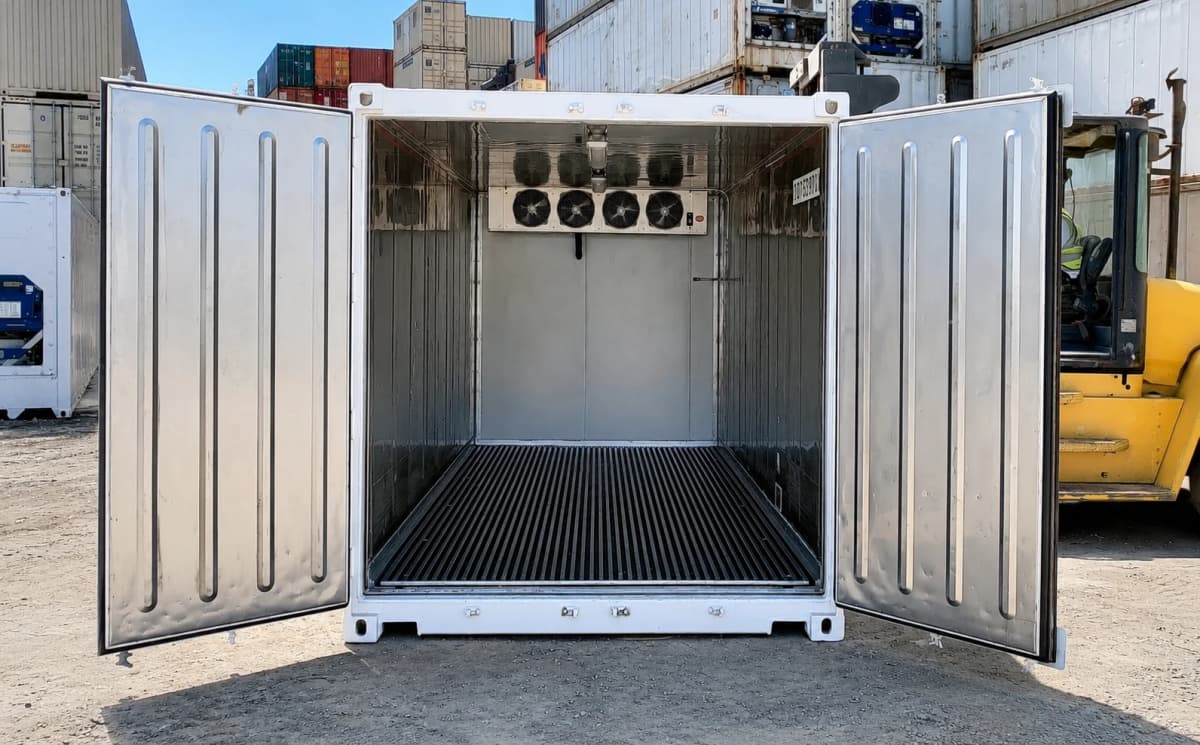
Learn more about Conexwest cold storage containers for temperature-controlled storage needs.
Which Containers Work Best for Washington Farms, Orchards, and Vineyards?
Different agricultural operations need different types of containers. A small fruit stand may only need a compact dry storage container, while a large orchard, vineyard, or packing operation may need multiple 40ft containers, high cube containers, or refrigerated storage.
Here are the most useful Conexwest container options for Washington agriculture:
10ft Shipping Containers
A 10ft container is a good choice for smaller farms, roadside stands, orchards, and rural properties with limited space.
Best uses include:
- Small farm tool storage
- Fruit stand supplies
- Irrigation fittings and repair parts
- Market tents, crates, baskets, and signage
- Garden and landscaping supplies
- Compact storage near barns, sheds, or work areas
This size works well when the farm needs secure storage but does not have room for a full-size 20ft or 40ft container.
20ft Shipping Containers
A 20ft container is one of the most practical options for farms, orchards, and vineyards. It offers strong storage capacity while still being easier to place than a 40ft container.
Best uses include:
- Farm tools and equipment
- Irrigation supplies
- Orchard pruning tools
- Vineyard supplies
- Feed and farm supply storage
- Packing materials
- Seasonal harvest supplies
- Farm stand inventory
For many Washington farms, a 20ft container is the best all-around choice because it provides enough space for daily agricultural storage without requiring a large placement area.
40ft Shipping Containers
A 40ft container is better for larger farms, orchards, vineyards, ranches, and packing operations that need more storage capacity.
Best uses include:
- Large harvest supply storage
- Equipment attachments
- Bins, crates, boxes, and packing materials
- Ranch and farm supply storage
- Vineyard and winery inventory
- Seasonal equipment storage
- Warehouse overflow for agricultural businesses
A 40ft container is a strong option when the farm needs to store larger quantities of supplies or wants to consolidate storage in one place.
40ft High Cube Containers
A 40ft high cube container gives extra interior height compared to a standard container. This can be helpful for farms that need to store taller items or add shelving.
Best uses include:
- Tall equipment storage
- Stacked harvest supplies
- Bulk packaging materials
- Large shelving systems
- Vineyard and winery supplies
- Farm maintenance equipment
- Equipment parts and attachments
High cube containers are especially useful when vertical storage matters. Farms can use the extra height to organize materials more efficiently and reduce clutter.
Refrigerated Containers
Refrigerated containers, also called reefer containers, are useful when farms need temperature-controlled storage for produce, flowers, beverages, food products, or cold storage backup.
Best uses include:
- Produce storage support
- Berry and fruit holding
- Floral storage
- Farm-to-market inventory
- Winery and beverage event storage
- Temporary cold storage during harvest
- Backup storage during cooler repairs
Refrigerated containers require proper power access and site planning. They are best for farms, produce businesses, wineries, food distributors, and event operations that need controlled temperatures rather than basic dry storage.
Insulated Containers
Insulated containers can help reduce temperature swings inside the unit. They are useful when the stored items do not require active refrigeration but still need more protection than a standard dry container.
Best uses include:
- Temperature-sensitive supplies
- Seed and growing supplies
- Packaging materials
- Tools and equipment that should be protected from extreme heat or cold
- Winery or vineyard supplies
An insulated container can be a good middle-ground option when active refrigeration is not required.
Modified Farm Stand Containers
A modified shipping container can be turned into a farm stand, produce pickup point, farmers market booth, or seasonal retail unit.
Best uses include:
- Roadside fruit stands
- Apple, cherry, berry, and produce stands
- Farmers market support
- Flower farm retail
- Pumpkin patch or seasonal event sales
- Winery or farm event check-in areas
Custom options can include service windows, counters, shelving, lighting, electrical, custom paint, awnings, and man doors. This type of container is especially useful for farms that want secure storage and a customer-facing sales space in one unit.
Ground-Level Office Containers
Some larger farms, vineyards, orchards, and packing operations may also benefit from ground-level office containers.
Best uses include:
- Farm management offices
- Harvest crew check-in areas
- Field supervisor offices
- Packing site offices
- Temporary admin space during harvest
- Jobsite-style offices for farm construction or expansion projects
These containers can include windows, doors, insulation, electrical, lighting, HVAC, desks, and other office-style features.
Best Container by Agricultural Use Case
| Use Case | Recommended Container | Why It Works |
|---|---|---|
| Small farms or fruit stands | 10ft or 20ft container | Compact storage for tools, crates, displays, and market supplies. |
| General farm storage | 20ft container | Practical size for tools, irrigation parts, feed, and seasonal supplies. |
| Larger orchards or vineyards | 40ft container | More space for harvest supplies, packaging, equipment, and inventory. |
| Bulky supplies or vertical storage | 40ft high cube container | Extra height supports shelving, stacked materials, and taller items. |
| Produce, flowers, or beverages | Refrigerated container | Supports temperature-controlled storage when dry storage is not enough. |
| Temperature-sensitive dry storage | Insulated container | Helps reduce temperature swings without active refrigeration. |
| Roadside retail or farm stand | Modified farm stand container | Can include windows, counters, shelving, lighting, and custom paint. |
| Farm office or crew check-in | Ground-level office container | Provides enclosed workspace for managers, crews, or seasonal admin needs. |
Explore available shipping containers for sale or shipping container rentals depending on whether your farm needs permanent, seasonal, or temporary storage.
Useful Modifications for Agricultural Storage
A standard container can work well for basic farm storage, but modifications can make it much easier to use. The right modifications depend on whether the container is being used for tools, supplies, cold storage, retail, or daily farm operations.
Useful add-ons include:
- Shelving for tools, boxes, parts, and supplies
- High-security lockbox for added protection
- Vents to help with airflow and moisture control
- Interior lighting for early morning or evening access
- Electrical packages for charging tools or powering equipment
- Roll-up doors for easier loading and unloading
- Man doors for daily access
- Ramps for carts, pallet jacks, or small equipment
- Insulation for temperature-sensitive supplies
- Custom paint to match a farm, winery, or brand color
- Service windows and counters for farm stands or retail setups
For farms that access the container daily, a man door, lighting, shelving, and ventilation can make a major difference. Conexwest also offers container fabrication options for custom agricultural and retail-style container projects.
Site Planning for Rural Container Delivery
Before delivery, farms should review access and placement. Rural properties often have long driveways, gravel roads, irrigation lines, soft ground, slopes, fences, gates, low branches, or tight turns that can affect delivery.
Before ordering, check:
- Truck access to the placement area
- Gate width and turning space
- Overhead clearance from trees, wires, and structures
- Ground conditions and drainage
- Distance from fields, barns, shops, and packing areas
- Whether the container should sit on gravel, blocks, concrete, or another prepared base
- Room for cargo doors to open fully
- Seasonal access during rain, snow, harvest, or mud
Good site preparation helps keep the container level, improves drainage, and makes the unit easier to use over time. Learn more about shipping container delivery and placement planning before scheduling your container.
Renting vs. Buying a Farm Storage Container
Some Washington farms need storage year-round, while others only need extra space during busy seasons. Renting or buying depends on how long the container will be used and whether modifications are needed.
| Option | Best For | Common Farm Uses |
|---|---|---|
| Renting | Short-term or seasonal storage | Harvest season, temporary packing support, farm events, repairs, overflow, and seasonal farm stand operations. |
| Buying | Long-term storage or customized projects | Permanent tool storage, year-round equipment storage, modified farm stands, winery storage, and custom agricultural containers. |
If the container will be customized with paint, shelving, electrical, windows, doors, or retail features, buying is usually the better long-term option.
Specialty Growing and Agriculture Container Projects
For farms that want to go beyond storage, shipping containers can also support specialty agricultural projects. Containers can be modified for greenhouse-style growing, mushroom production, hydroponics, vertical farming, and controlled-environment agriculture.
These projects require more planning than standard dry storage. Growers should consider insulation, ventilation, power, lighting, water access, drainage, climate control, shelving, food safety needs, and local requirements before starting.
Conexwest has additional guides for agricultural container projects, including:
- Guide to Building a Shipping Container Greenhouse, Farm, or Garden
- How to Grow Mushrooms in a Shipping Container
- Hydroponic Farm Shipping Container: Features, Dimensions, Add-Ons & Costs
- Vertical Farm Shipping Container: Features, Dimensions, Add-Ons & Costs
- How Much Does a Shipping Container Greenhouse, Farm, or Garden Cost?
- Can You Place a Shipping Container on Agricultural Land?
How Conexwest Supports Washington Agriculture
Conexwest supplies shipping containers for farms, orchards, vineyards, wineries, ranches, and rural businesses that need secure, flexible storage. Customers can choose from new, used, and refurbished containers in multiple sizes, with rental and purchase options depending on the project.
Conexwest can help with:
- 10ft, 20ft, 40ft, and 45ft containers
- Standard and high cube containers
- Shipping containers for sale
- Short-term and long-term rentals
- Refrigerated containers and cold storage options
- Shelving, vents, doors, windows, electrical, lighting, and insulation
- Custom paint and exterior modifications
- Farm stand and retail-style container modifications
- Delivery planning based on rural access and placement needs
Whether you need a secure tool room for an orchard, seasonal storage for harvest supplies, cold storage for produce, or a custom container for a farm stand, Conexwest can help you choose and configure the right container.
Was this helpful?
Frequently Asked Questions
A 20ft container is a practical option for many farms because it provides useful storage while still fitting into many rural work areas. Larger farms, orchards, and vineyards may prefer 40ft or high cube containers for more capacity.
Yes. Orchards can use containers for pruning tools, ladders, harvest supplies, irrigation parts, packing materials, bins, boxes, and seasonal work supplies.
Yes. A standard container can store farm stand supplies, while a modified container can support a retail-style farm stand with a service window, shelving, counters, lighting, and custom paint.
Some farms do. Standard containers work for dry storage, but produce, flowers, beverages, and food products may need refrigerated storage. A refrigerated container can provide temporary or supplemental cold storage when power and site access are available.
Renting is useful for seasonal storage, harvest support, construction, repairs, or temporary overflow. Buying is usually better for year-round farm storage or modified containers.
Yes. Containers can be modified with shelving, lighting, ventilation, electrical, insulation, custom paint, doors, windows, and other features to support vineyard, winery, tasting room, and event storage needs.
Yes, but controlled-environment growing requires more planning than standard storage. Hydroponic and vertical farming containers may need insulation, lighting, HVAC, water systems, drainage, electrical, ventilation, and growing equipment.