
In many areas, yes, but approval depends on local zoning, the intended use, the container’s placement, whether it is temporary or permanent, and whether it connects to utilities. Always check with your local planning or building department before delivery.
Can You Place A Shipping Container On Agricultural Land?
Key Takeaways
- Shipping containers can often be used on agricultural land for farm storage, tools, feed, equipment, workshops, cold storage, and controlled growing environments.
- Rules vary by city, county, zoning district, and intended use, so local approval should be checked before placing a container on farmland.
- Temporary containers may face fewer requirements than permanent structures, but this depends on local code and how the container is used.
- Permits, setbacks, foundations, utility connections, screening, drainage, and environmental requirements can affect whether a container is allowed.
- Conexwest provides shipping containers for sale, rental, delivery, and modification across the U.S.
Shipping Containers on Agricultural Land: What to Know First
Shipping containers can be practical on agricultural land because farms often need durable, secure, weather-resistant space for equipment, supplies, feed, tools, irrigation parts, harvested crops, and seasonal operations. Containers can also be modified for farm offices, workshops, refrigerated storage, greenhouse projects, hydroponic systems, or vertical growing layouts.
The important point is that agricultural zoning does not automatically approve every container use. A container used for temporary farm storage may be treated differently from a container connected to utilities, placed on a foundation, modified for commercial activity, or used as a permanent structure.
Before ordering a container, check local zoning, permit requirements, setbacks, foundation rules, utility approvals, and any limits on size, appearance, screening, or duration of placement.
Understanding Agricultural Land Designation
Agricultural land is generally designated for farming and related activities such as crop production, livestock, equipment storage, irrigation, feed storage, and other agricultural operations. These zoning designations help preserve farmland and limit uses that conflict with agricultural activity.
However, agricultural zoning rules are not the same everywhere. One county may allow containers as accessory farm storage, while another may require permits, screening, setback compliance, or approval from a planning department. If the container will support crop production, cold storage, a greenhouse, or a farm business, the intended use matters.
Conexwest, a leader in shipping and storage solutions based in Northern California, offers new, used, and refurbished containers from 10ft to 45ft, with fast delivery within 3–7 days and container fabrication options such as shelves, doors, vents, windows, insulation, electrical components, locks, and other modifications. We serve over 10,000 customers nationwide, including clients like the U.S. Navy and Google. As an ISO 9001 and AWS-certified company, we focus on quality, reliable fabrication, and competitive pricing. |
Can You Place a Shipping Container on Agricultural Land?
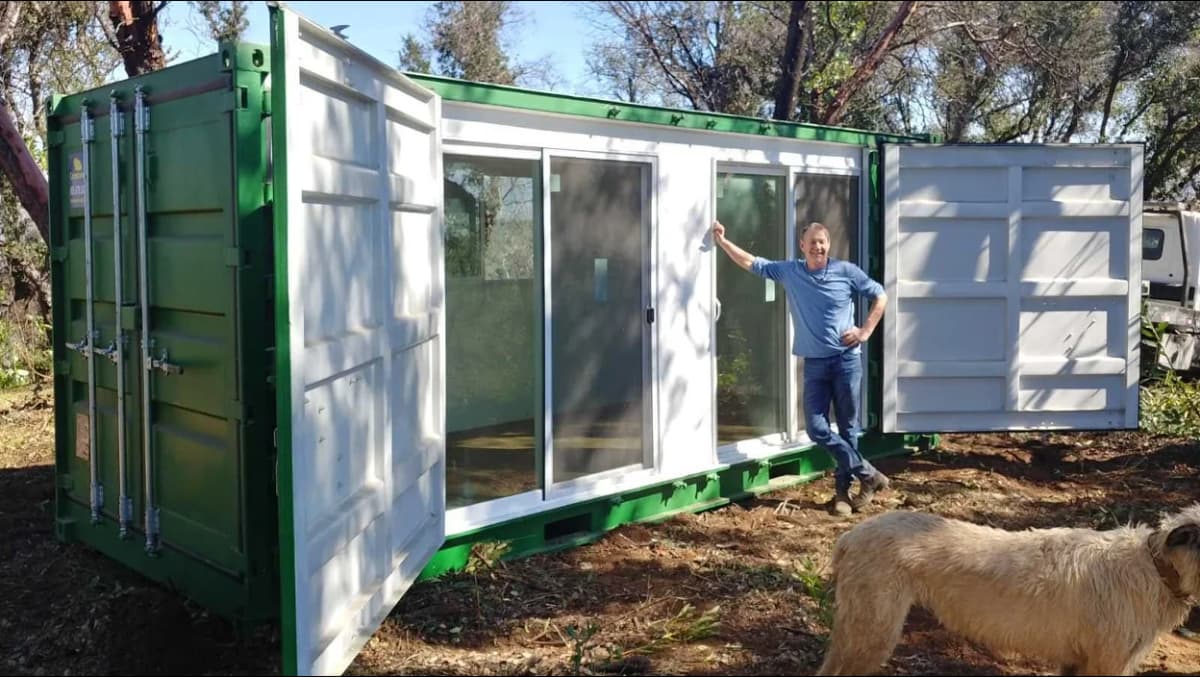
Check whether permits, setbacks, or zoning approvals are required before placing a shipping container on agricultural land.
In many areas, yes, a shipping container can be placed on agricultural land when it supports an approved agricultural use. Common uses include equipment storage, feed storage, tool storage, farm workshops, refrigerated storage, seasonal storage, and controlled environments for crops.
The answer still depends on local rules. Agricultural land use is regulated by local zoning ordinances, building departments, planning departments, and sometimes environmental or utility agencies. The container’s use, size, placement, duration, foundation, and utility connections can all affect approval.
- Temporary vs. Permanent Placement: A temporary storage container may be easier to approve than a container installed as a permanent structure, but local rules decide the difference.
- Setback Requirements: Many jurisdictions require containers to be placed a minimum distance from property lines, roads, easements, waterways, or existing structures.
- Foundation Requirements: Some areas allow placement on gravel or blocks, while others may require piers, concrete pads, engineered foundations, or anchoring.
- Utility Connections: Connecting power, water, sewer, septic, or HVAC can trigger building permits, inspections, or additional code requirements.
- Appearance or Screening Rules: Some local codes may require paint, fencing, landscaping, screening, or limits on visibility from roads or neighboring properties.
- Local Authority Consultation: Always confirm the rules with the local planning or building department before purchasing or modifying a container.
Common Agricultural Uses for Shipping Containers
Shipping containers are useful on farms because they are durable, portable, secure, and customizable. Depending on local approval and project needs, they can support many agricultural uses.
- Farm Equipment Storage: Store tools, small machinery, irrigation supplies, repair parts, and seasonal equipment.
- Feed and Supply Storage: Protect feed, fertilizer, packaging materials, and farm supplies from weather and theft.
- Workshop or Maintenance Space: Add workbenches, shelves, electrical features, and ventilation for a farm repair area.
- Cold Storage: Refrigerated containers can support temporary or long-term cold storage for certain crops, flowers, or temperature-sensitive agricultural products.
- Greenhouse, Farm, or Garden Projects: Modified containers can support controlled growing environments. For project budgeting, see our guide on shipping container greenhouse, farm, or garden costs.
- Hydroponic or Vertical Growing: Containers can be modified to support indoor growing layouts. Learn more about hydroponic shipping container farms and vertical farm shipping containers.
What to Check Before Placing a Container on Farmland
Because rules are local, the safest approach is to verify the requirements before delivery. Use the checklist below when speaking with your city, county, planning department, or building department.
- Zoning District: Confirm the parcel is zoned agricultural and that the proposed container use is allowed.
- Allowed Use: Ask whether the container is allowed for storage, farming, greenhouse use, cold storage, retail farm sales, or another intended purpose.
- Temporary or Permanent Status: Ask how the local code defines temporary containers and when a container becomes a permanent structure.
- Permits: Confirm whether you need a zoning permit, building permit, temporary-use permit, special-use permit, electrical permit, plumbing permit, or inspection.
- Setbacks: Verify required distances from property lines, roads, driveways, waterways, easements, wells, septic systems, and other structures.
- Foundation or Anchoring: Ask whether the container can sit on gravel, blocks, piers, concrete, or another approved foundation.
- Utilities: If the container will use electricity, water, drainage, sewer, septic, HVAC, or refrigeration, ask what permits and inspections apply.
- Fire, Access, and Safety: Confirm requirements for emergency access, spacing between structures, ventilation, fire safety, and occupancy limits if people will work inside.
- Appearance Standards: Ask whether paint, screening, fencing, landscaping, or limits on stacked containers apply.
- Environmental Rules: Check drainage, stormwater, wetlands, pesticide, fuel, chemical, or waste-handling rules if they apply to your farm operation.
Examples of Local Shipping Container Rules
Local rules vary widely. Some jurisdictions allow shipping containers in agricultural zones with conditions, while others limit the number, location, screening, or duration of placement. Always rely on your local code and building department for final approval.
- El Paso County, Colorado: Local reporting on El Paso County’s rules notes that shipping containers may be allowed in residential, forestry, and agricultural areas as permanent storage structures, subject to conditions such as paint or screening requirements, with certain exceptions for agricultural zoning.
- Hampton Township, New Jersey: The ordinance language cited in this article limits farm-property containers by distance from property lines and the number of containers allowed per contiguous acreage.
Steps to Get Approval for Using a Shipping Container
- Verify Zoning Regulations: Contact your local zoning or planning office to confirm that shipping containers are allowed on agricultural land in your area and that your intended use is permitted.
- Confirm Whether the Container Is Temporary or Permanent: Ask how your jurisdiction classifies the container based on duration, foundation, utility connections, modifications, and use.
- Ask About Required Permits: Depending on the project, you may need a zoning permit, building permit, temporary-use permit, special-use permit, electrical permit, plumbing permit, or inspection.
- Prepare Site Plans: Create a simple site plan showing the container’s location, dimensions, access route, foundation or surface, property lines, setbacks, utilities, and intended use.
- Review Utility and Environmental Requirements: If the container will connect to water, sewer, septic, electrical service, refrigeration, or HVAC, confirm what utility approvals and inspections are required.
- Pay Applicable Fees: Permit applications, reviews, inspections, and utility approvals may include local fees.
- Schedule Inspections: Arrange required inspections for placement, foundation, electrical, plumbing, fire safety, or building-code compliance.
- Install the Container According to the Approved Plan: Once approved, place the container according to the approved site plan and local requirements.
Choose Conexwest for Agricultural Shipping Containers
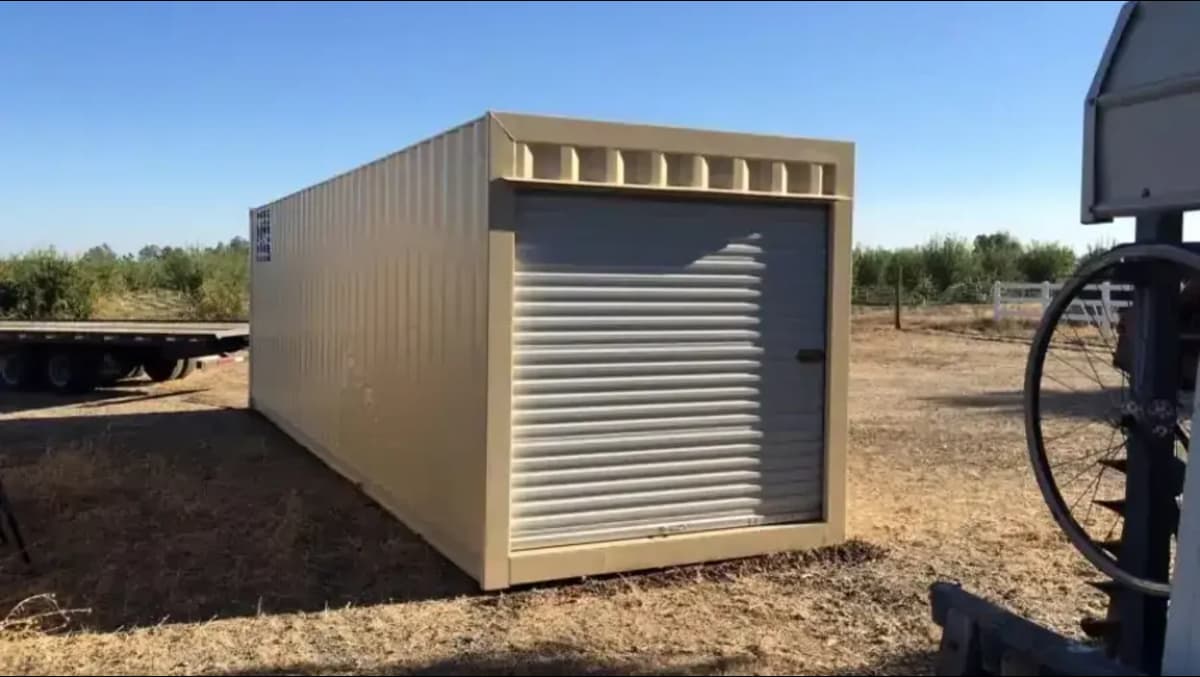
Conexwest can help you choose a container size, condition, and modification package that fits your farm use case.
Conexwest is a leading provider of new and used shipping containers in the U.S., specializing in sales, rentals, modifications, and delivery. Our containers can support farm storage, workshops, cold storage, greenhouse projects, hydroponic systems, and other agricultural applications.
Why Choose Us
- Extensive Inventory: We maintain a large inventory of shipping containers from 10 ft to 45 ft in length, helping you find the right container for your farm operation.
- Customization Options: Need doors, windows, insulation, electrical work, shelves, vents, specialized paint, or other modifications? Our in-house fabrication team can help prepare the container for agricultural use.
- Storage, Refrigerated, and Modified Options: Conexwest offers standard storage containers, refrigerated containers, and custom-modified containers for different agricultural applications.
- Quality Assurance: We inspect containers for quality and durability so they can support demanding farm environments.
- Nationwide Delivery: We can deliver containers across the U.S., subject to location, availability, access, and project requirements.
If you are ready to plan a farm storage, cold storage, or agricultural container project, click the link below to browse available shipping containers.
Shop now
Was this helpful?
Frequently Asked Questions
Common uses include equipment storage, feed storage, tool storage, irrigation supply storage, workshops, refrigerated crop storage, farm offices, greenhouse projects, hydroponic farms, and vertical growing spaces.
A container used to support agricultural activity may not affect the land’s agricultural use, but local rules vary. A container used for non-agricultural business, housing, retail, or permanent development may trigger additional zoning or permitting review.
Permit requirements depend on location, duration, size, foundation, utility connections, and use. Some temporary farm-storage containers may require minimal review, while permanent, modified, or utility-connected containers may require permits and inspections.
Setback requirements are local. Some areas may set specific distances from property lines, roads, structures, wells, septic systems, waterways, or easements. Confirm setback rules with your local zoning office.
Cost can vary based on size, location, condition, availability, delivery distance, modifications, permits, foundation needs, and installation requirements.
Usually, yes. Transporting and placing a shipping container may require a tilt-bed truck, crane, forklift, or other specialized equipment depending on container size, site access, and final placement.
Conexwest offers a wide range of shipping containers, including new, used, and refurbished containers from 10 ft to 45 ft in length, as well as refrigerated containers, mobile offices, open-top containers, flat racks, and custom-modified containers.