
Hydroponics refers to the soil-free growing method that uses nutrient-rich water. Vertical farming refers to the stacked layout used to maximize growing space. Many hydroponic container farms are also vertical farms, but the terms do not mean the same thing.
Hydroponic Shipping Container Farm: Features, Setup, and Costs | Conexwest
Key Takeaways
- Hydroponic shipping container farms use nutrient-rich water instead of soil to grow crops in a controlled indoor environment.
- The main system components can include reservoirs, pumps, irrigation lines, filtration, LED grow lights, climate control, and pH/EC monitoring.
- Many hydroponic containers use vertical racks, but hydroponics refers to the soil-free growing method, not the rack layout itself.
- Costs depend on the container size, insulation, electrical work, plumbing, climate control, lighting, and hydroponic equipment.
- Conexwest provides durable containers and custom modifications that can support hydroponic farm conversions.
Hydroponic Shipping Container Farms for Soil-Free Growing
Hydroponic shipping container farms give growers a way to produce crops inside a controlled, soil-free environment. Instead of relying on open farmland, seasonal weather, or traditional greenhouse conditions, these modified containers use nutrient-rich water, grow lights, climate control, insulation, and organized utility systems to support indoor crop production.
For urban growers, schools, restaurants, research programs, and agricultural businesses, a hydroponic container can turn a compact footprint into a functional growing space. The key is designing the container around the hydroponic system itself: water movement, nutrient management, drainage, lighting, humidity, airflow, and long-term maintenance access.
What Is a Hydroponic Shipping Container Farm?
A hydroponic shipping container farm is a modified shipping container designed to grow crops without soil. Instead of traditional farmland, plants grow in nutrient-rich water delivered through pumps, irrigation lines, reservoirs, and recirculation systems. Inside the container, grow lights, insulation, ventilation, and climate control help create a stable growing environment.
Hydroponic farming is different from vertical farming. Vertical farming describes the stacked growing layout, while hydroponics describes the soil-free growing method. Many hydroponic container farms also use vertical racks, but the key feature is the nutrient-water system that feeds the plants.
These farms are self-contained, mobile, and customizable, making them useful for urban sites, rural communities, food deserts, schools, research projects, restaurants, and growers working with limited land or harsh climate conditions. Common hydroponic crops include lettuce, spinach, herbs, microgreens, strawberries, and other high-turnover crops that perform well in controlled environments.
Conexwest, a leader in shipping and storage solutions based in Northern California, offers new, used, and refurbished containers from 10ft to 45ft, with fast delivery within 3-7 days and container fabrication options like adding shelves, doors, insulation, ventilation, and electrical components. Conexwest serves over 10,000 national customers, including clients like the U.S. Navy and Google. As an ISO 9001 and AWS-certified company, we focus on quality, reliable fabrication, and competitive pricing. |
Key Features of a Hydroponic Container Farm
Hydroponic farm containers are designed to support controlled, soil-free growing. The exact system depends on the crop, grow method, and operator requirements, but most hydroponic setups require a combination of container modifications and specialized growing equipment.
- Insulated and sealed container shell to help stabilize temperature and humidity
- Water reservoirs, pumps, and irrigation lines for nutrient delivery
- Water filtration and recirculation systems to reduce waste and improve efficiency
- pH and EC monitoring to help manage nutrient strength and water quality
- LED grow lighting for consistent indoor crop production
- Vertical racks or grow channels when the layout requires stacked production
- Climate control components like fans, AC units, ventilation, or dehumidifiers
- Washable interior surfaces, drainage planning, and organized utility access for maintenance
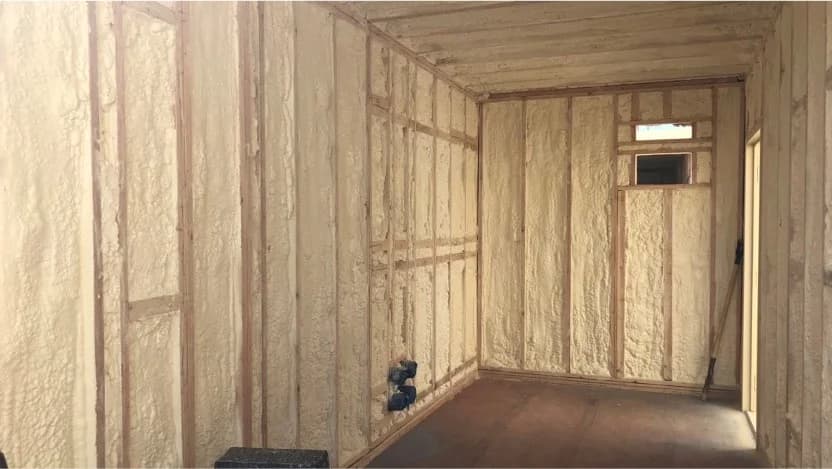
Different container modifications can work together to create a stable growing shell before the hydroponic system is installed. For broader greenhouse and farm buildout planning, see our guide to building a shipping container greenhouse, farm, or garden.
Common Sizes and Dimensions
Hydroponic farms can be built using different container sizes depending on available space, crop output, workflow, and system design. A small grower may only need a compact shell, while a commercial operation may need extra space for seeding, growing, harvesting, storage, and utility access.
20-ft Container Farm – Best for small-scale growers, pilot programs, schools, research projects, or first-time hydroponic setups.
Interior dimensions: approximately 19’4” (L) × 7’9” (W) × 7’10” (H)
40-ft Container Farm – Common for commercial production because it offers more room for grow channels, water tanks, electrical panels, prep space, and storage.
Interior dimensions: approximately 39’3” (L) × 7’9” (W) × 7’10” (H)
45-ft Container Farm – Useful for advanced layouts that need additional room for climate zoning, utility separation, storage, or higher-volume production.
Interior dimensions: approximately 44’6” (L) × 7’9” (W) × 8’10” (H)
Each container can be customized with dedicated areas for seeding, nutrient mixing, growing, harvesting, packaging, and equipment access. If your main goal is stacked crop production, compare this setup with a vertical farm shipping container.
Common Add-Ons and Customizations
A hydroponic farm depends on more than the container shell. The right add-ons help support water movement, temperature stability, lighting, sanitation, and day-to-day workflow.
Water Filtration and Recirculation Systems: Hydroponic farms typically rely on controlled water movement. Filtration and recirculation can help reduce water waste, maintain cleaner lines, and improve operating efficiency.
Pumps, Reservoirs, and Irrigation Lines: These components move nutrient-rich water through the grow system. The layout may vary depending on whether the farm uses nutrient film technique, deep water culture, drip irrigation, or another hydroponic method.
pH, EC, and Humidity Sensors: Data monitoring helps growers track water quality, nutrient strength, humidity, and environmental conditions. Conexwest offers components such as humidity sensor assemblies that may support environmental monitoring needs.
Interior Lighting and Timers: Programmable grow light cycles can help maintain consistency across crop stages and reduce manual oversight.
Climate Control and Ventilation: Fans, ventilation, air conditioning, and dehumidification help manage heat and humidity inside a tightly packed grow space. These features are especially important in warmer climates or high-density grow environments.
Solar Panel Hookups: Solar power systems can help support lighting, pumps, ventilation, or other electrical loads when the site and system design allow it.
Prep Room or Tool Storage: Partitioned sections inside the container can be used for seedling care, nutrient storage, packaging, cleaning supplies, or secure storage for tools and equipment.
Basic Shelving and Workbenches: Fold-down tables, wall-mounted shelves, and work surfaces can improve organization during planting, maintenance, and harvesting.
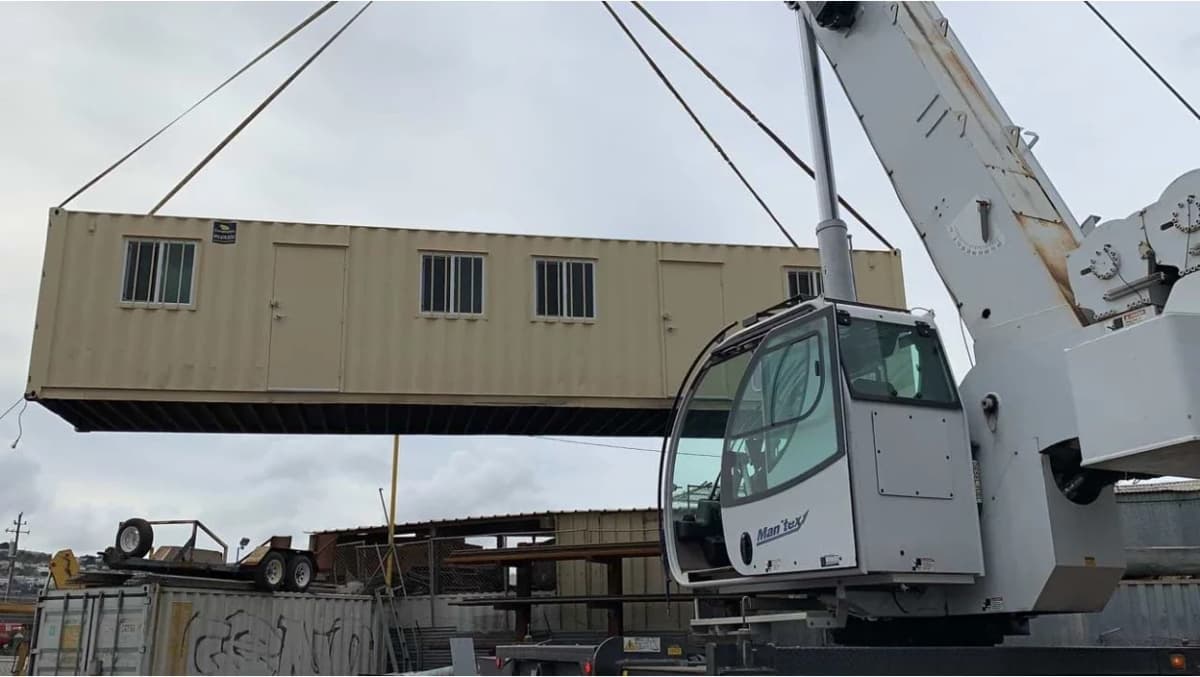
Share your container size, site location, utility needs, and farm design with our team. Conexwest can prepare the container shell with custom modifications so it is ready for your hydroponic system installation.
How Much Does a Hydroponic Container Farm Cost?
Hydroponic container farm costs depend on container size, condition, electrical needs, plumbing, insulation, climate control, lighting, sensors, and the grow system itself. The prices below are for container equipment only; final project costs will increase based on hydroponic equipment, modifications, freight, installation, and site requirements.
Container Type | Condition | Price Range |
20-ft Standard Refrigerated ISO (408–480 V, 3 Ph, 25 Amp) | New | $32,950–$37,715 |
20-ft Standard Refrigerated ISO (408–480 V, 3 Ph, 25 Amp) | Used | $14,450–$15,318 |
40-ft High Cube Refrigerated Certified ISO | New | $36,837–$44,957 |
40-ft High Cube Refrigerated Certified ISO | Used | $9,995–$10,882 |
For broader project budgeting across greenhouse, farm, and garden applications, review our guide on how much a shipping container greenhouse, farm, or garden costs.
*These numbers are estimates, and the actual price can vary based on location, availability, container condition, modifications, delivery, and project requirements. For accurate pricing, contact Conexwest for a custom quote.
Site Planning, Utilities, and Permits
Before placing a hydroponic container farm on a property, check local zoning, permit, utility, and agricultural land rules. Requirements can vary by city, county, and property type, especially if the container will be connected to power, water, sewer, septic, or used as a permanent structure.
If the unit will be placed on farmland or a rural parcel, review our guide on whether you can place a shipping container on agricultural land. For residential or mixed-use properties, also check local rules for setbacks, foundations, inspections, and long-term placement.
Why Choose Conexwest for Hydroponic Container Customization?
While Conexwest does not build the hydroponic growing system itself, we provide high-quality shipping containers and customization services that can support hydroponic farm conversions.
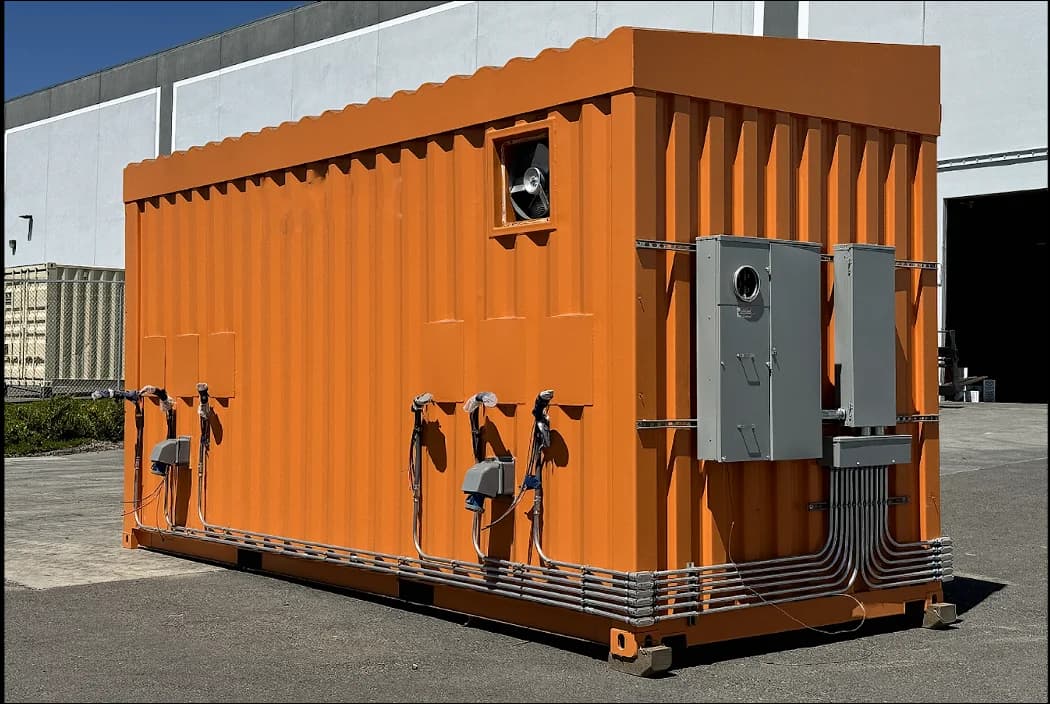
From insulation and flooring to doors, vents, electrical panels, and climate control preparation, each container can be tailored to support your hydroponic system layout.
Here’s how we help:
- Durable, Weather-Resistant Containers – Our units are built to handle long-term use and protect interior equipment from outdoor conditions.
- In-House Modifications – From insulation and flooring to custom doors, vents, partitions, electrical panels, and HVAC preparation, we can modify the container shell to fit your farm design.
- Support for Hydroponic System Installation – We prepare the container so your grower, contractor, or third-party hydroponic specialist can install the growing system more efficiently.
- Fast Turnaround & Nationwide Delivery – Your container can be delivered anywhere in the U.S., with available customization based on your project requirements.
- Reliable Support – Our team can help you choose the right size and configuration based on your site, layout, and use case.
Was this helpful?
Frequently Asked Questions
Hydroponic container farms are fully enclosed, controlled environments. Unlike traditional greenhouses, they do not rely on soil and may rely less on sunlight, depending on the grow light setup. They can support year-round production when properly insulated, powered, ventilated, and climate controlled.
Yes. Hydroponic systems need water for the nutrient solution and a reliable power supply for pumps, lighting, sensors, and climate control. Off-grid options may include solar panels and battery backup, depending on the system’s power load and site conditions.
Setup time depends on the container modifications, hydroponic equipment, utility connections, and site readiness. Once the modified container is delivered and utilities are available, the grow system can be installed by the operator, contractor, or hydroponic system provider.
A 20-ft container can be a practical starting point for small-scale growers, schools, research projects, or pilot programs. A 40-ft or 45-ft container offers more room for commercial production, utility access, storage, and workflow separation.
Yes, but the container needs the right insulation, ventilation, and climate control for the location. Conexwest can modify your container with insulation, vents, doors, and HVAC-related features to help support your growing environment.
Conexwest provides the shipping container and modification services. The hydroponic growing equipment, including pumps, reservoirs, grow channels, nutrient systems, and crop-specific controls, may be provided by the grower or a third-party hydroponic system specialist.