
A shipping container greenhouse is a modified shipping container designed to support plant growth. It may include windows, greenhouse panels, ventilation, insulation, irrigation, lighting, climate control, shelving, and growing systems.
Guide to Building a Shipping Container Greenhouse, Farm, or Garden
Guide to Building a Shipping Container Greenhouse, Farm, or Garden
A shipping container greenhouse, farm, or garden can give growers a durable, compact, and customizable space for year-round plant production. Whether you want to grow herbs, leafy greens, flowers, vegetables, or hydroponic crops, a modified shipping container can be adapted with insulation, ventilation, lighting, irrigation, climate control, shelving, and access doors to support a controlled growing environment. This guide explains how to plan a shipping container greenhouse or container farm, what modifications to consider, what it may cost, which mistakes to avoid, and how to choose the right container for your growing setup.
Key Takeaways
- Shipping container greenhouses can support compact, controlled growing environments for farms, gardens, urban agriculture, and commercial growers.
- The right setup depends on crop type, climate, land use, power access, water supply, ventilation, and whether you use soil, hydroponics, or vertical farming.
- Common modifications include windows, doors, insulation, ventilation fans, HVAC, grow lights, plumbing, shelving, flooring, and irrigation systems.
- Basic shipping container greenhouse projects may cost less than fully equipped hydroponic or vertical farming containers, which require more equipment and climate control.
- Before building, confirm local zoning, agricultural land rules, permits, setbacks, drainage, and utility requirements.
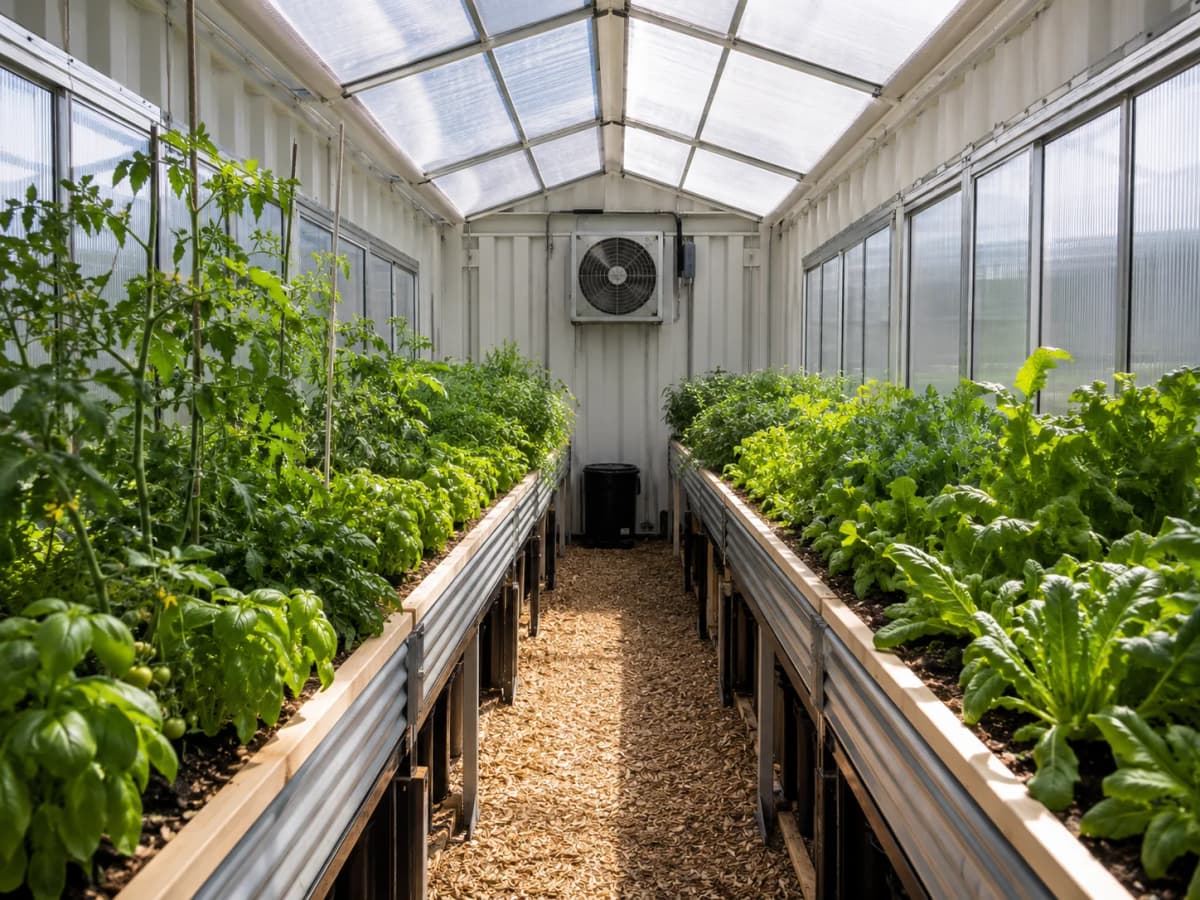
Why Build a Shipping Container Greenhouse, Farm, or Garden?
Shipping containers are strong, portable, and highly modifiable, which makes them useful for agricultural projects where space, durability, and environmental control matter. Instead of building a traditional greenhouse from scratch, growers can start with a steel container shell and customize it for their crop, climate, and production goals.
A shipping container greenhouse can be used for backyard gardening, small farm production, urban agriculture, hydroponics, vertical farming, nursery storage, floral growing, or seasonal crop protection. Because the container is enclosed, growers can add systems that help manage temperature, humidity, airflow, lighting, water, and nutrient delivery.
Common Benefits of a Shipping Container Greenhouse
| Benefit | Why It Matters |
|---|---|
| Compact footprint | Containers can fit on farms, commercial lots, urban sites, and agricultural properties where space is limited. |
| Controlled growing environment | Insulation, ventilation, lighting, and HVAC can help create more stable conditions for plants. |
| Durable steel structure | A shipping container provides a strong base for greenhouse, farm, garden, or grow-room modifications. |
| Flexible layout | Containers can be modified for soil beds, shelving, hydroponics, aeroponics, or vertical growing systems. |
| Scalability | Growers can start with one unit and add more containers as production expands. |
| Portability | Depending on the build and local rules, a container greenhouse may be relocated if your growing needs change. |
If you are planning a farm-specific setup, review Conexwest’s guide on placing a shipping container on agricultural land.
Best Uses for a Shipping Container Greenhouse or Farm
A container greenhouse can be designed for personal, agricultural, or commercial use. The best layout depends on what you plan to grow and how much environmental control your crops require.
Backyard Garden or Hobby Greenhouse
For homeowners and hobby growers, a modified container can provide a protected space for herbs, vegetables, flowers, seedlings, and seasonal plants. A smaller container may be enough for basic garden use, especially if the goal is seed starting, plant protection, or modest year-round growing.
Urban Farming
Shipping containers are often used in urban farming because they make it possible to grow crops in compact spaces. With the right modifications, containers can support hydroponic systems, vertical racks, grow lights, climate controls, and water recirculation systems.
For a more advanced controlled-environment setup, read Conexwest’s guide to hydroponic farm shipping containers.
Vertical Farming
Vertical farming uses stacked growing systems to increase production within a limited footprint. Shipping containers are well suited for this approach because they provide an enclosed structure where lighting, temperature, humidity, water, and nutrients can be managed more precisely.
For more on this topic, see Conexwest’s guide to vertical farm shipping containers.
Agricultural Storage and Crop Support
Not every container garden needs to be a full grow room. Containers can also support farms as seedling stations, tool storage, harvest staging areas, irrigation storage, nursery rooms, or temperature-controlled crop support spaces.
For produce, flowers, and temperature-sensitive agricultural products, Conexwest also offers cold storage and freezer containers in 20ft and 40ft options.
20ft vs 40ft vs 45ft Container Greenhouse: Which Size Do You Need?
The best shipping container size depends on your crop volume, available land, equipment, budget, and whether the container will be used for a simple greenhouse, hydroponic farm, vertical farm, or agricultural support space.
| Container Size | Best For | Typical Advantages | Planning Notes |
|---|---|---|---|
| 20ft container | Small gardens, seedling rooms, hobby greenhouses, pilot hydroponic systems | Compact footprint, easier placement, lower starting cost | Good option when space is limited or production volume is modest. |
| 40ft container | Commercial growing, farm support, larger hydroponic systems, vertical racks | More growing space and better layout flexibility | Requires more site clearance, delivery space, and utility planning. |
| 40ft high cube container | Vertical farming, shelving, taller equipment, grow lights, ducting | Extra height for racks, lighting, airflow, and service access | Often better when headroom matters more than footprint. |
| 45ft high cube container | Larger commercial growing setups, expanded storage, multi-zone layouts | More length and high cube clearance | Requires additional placement and delivery clearance. |
For standard container options, see Conexwest’s shipping containers for sale, including 20ft shipping containers, 40ft shipping containers, and 45ft high cube shipping containers.
Recent Shipping Container Greenhouse Cost Estimates
The cost of a shipping container greenhouse depends on the container size, condition, delivery location, insulation, windows, doors, ventilation, lighting, plumbing, electrical work, HVAC, irrigation, and growing system. A simple garden conversion will usually cost less than a fully equipped hydroponic or vertical farm with automation and climate control.
| Project Type | Estimated Cost Range | What It Usually Includes |
|---|---|---|
| Basic container greenhouse | Approximately $10,000–$35,000 | Container, basic greenhouse modifications, ventilation, simple growing setup, and delivery factors. |
| Hydroponic container farm | Starting around $40,000 for basic systems | Container, hydroponic equipment, water recirculation, lighting, climate-control components, and system setup. |
| Vertical farm container | Varies based on size and automation | Vertical racks, grow lights, sensors, water recycling, climate control, and electrical planning. |
| Custom greenhouse or grow room | Custom quote required | Doors, windows, insulation, HVAC, electrical, plumbing, shelving, flooring, drainage, and specialty add-ons. |
For a dedicated pricing breakdown, read Conexwest’s guide on how much a shipping container greenhouse, farm, or garden costs.
Container and Modification Cost Factors
Base container pricing changes based on size, condition, location, availability, and selected container type. Conexwest lists 20ft shipping containers from $1,325, 40ft shipping containers from $1,669, and 45ft high cube containers from $2,295. Final pricing depends on the specific unit, zip code, delivery, and modifications selected.
| Cost Factor | How It Affects the Project |
|---|---|
| Container size and condition | New, used, refurbished, high cube, open-top, and specialty containers have different starting prices. |
| Delivery and site access | Distance, truck access, unloading method, grade, and placement location can affect total cost. |
| Openings and structural cuts | Windows, doors, vents, greenhouse roof panels, and side openings require planning and reinforcement. |
| Insulation and climate control | Spray foam, rigid foam, air conditioning, heating, fans, vents, and dehumidification increase cost but help stabilize the growing environment. |
| Electrical and lighting | Grow lights, service panels, outlets, controllers, sensors, pumps, and safety requirements should be planned before buildout. |
| Water and drainage | Hydroponic systems, irrigation, floor drains, waterproof flooring, and recirculation systems can add cost but are critical for plant health. |
| Growing system | Soil beds are usually simpler. Hydroponic, aeroponic, and vertical farming systems usually require more equipment and controls. |
Steps to Building a Shipping Container Greenhouse, Farm, or Garden
1. Choose a Suitable Location
Start by choosing a location with the right sunlight, drainage, airflow, and utility access. Natural light is important for many greenhouse builds, but too much direct heat can create cooling problems in warmer climates. The best location should support both the growing environment and the practical needs of delivery, maintenance, and daily access.
Before placing the container, consider:
- Sun exposure throughout the day
- Shade from trees, fences, barns, or nearby buildings
- Drainage and soil conditions
- Access for delivery trucks and equipment
- Distance from water and power sources
- Local zoning, setbacks, and permit requirements
- Room for doors, vents, service access, and future expansion
Do You Need Permits for a Shipping Container Greenhouse?
Permit requirements depend on local zoning, land use, whether the container is temporary or permanent, utility connections, foundation type, and how the structure will be used. Some jurisdictions may treat a shipping container as temporary storage, while others may classify it as an accessory structure, greenhouse, agricultural building, or commercial facility.
Before purchasing or modifying a container, check local requirements for:
- Zoning and allowed land use
- Setbacks from property lines and other structures
- Foundation or anchoring requirements
- Electrical and plumbing permits
- Drainage and stormwater rules
- Fire access and safety requirements
- Agricultural land restrictions
For agricultural land planning, read Conexwest’s guide on whether you can place a shipping container on agricultural land.
2. Select the Right Container
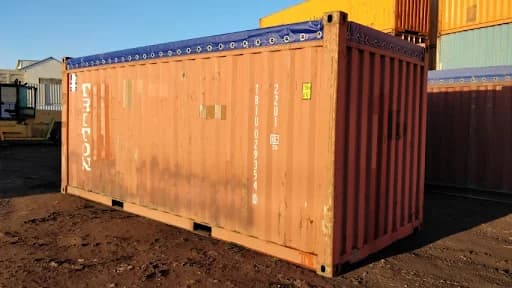
Open-top containers can be useful for greenhouse builds that need more natural light and roof customization.
The right container size depends on your growing method, crop volume, budget, and available space. A 20ft shipping container may work well for a small greenhouse, seedling room, or pilot growing system. A 40ft shipping container or 40ft high cube container may be better for larger growing areas, vertical racks, or commercial production.
Before purchasing or renting a container, inspect the unit for structural condition, door function, roof condition, flooring, rust, and any damage that could affect the build.
Pro Tip: An open-top shipping container can simplify some greenhouse-style builds because it allows for overhead light and roof customization.
3. Plan the Greenhouse Layout
Before cutting openings or adding equipment, plan how the container will function. A good layout should balance plant space, airflow, work aisles, water access, lighting, and maintenance needs.
Your layout should account for:
- Planting beds, shelving, racks, or hydroponic channels
- Walking and working space
- Door placement and loading access
- Windows, vents, or greenhouse panels
- Electrical and water lines
- Drainage and floor protection
- Climate-control equipment
- Storage for tools, nutrients, soil, or supplies
For container farms, avoid using every inch of space for crops. Plants need airflow, workers need access, and equipment needs clearance for maintenance.
4. Add Windows, Doors, and Light Access
Standard shipping containers are enclosed steel structures, so a greenhouse build usually requires openings for light, airflow, and access. Depending on your design, this may include windows, glass panels, polycarbonate panels, skylights, vents, or a greenhouse-style roof.
| Modification | Purpose | Best Use |
|---|---|---|
| Personnel doors | Daily access for growers and maintenance | Most greenhouse and farm builds |
| Roll-up doors | Wider access for pallets, carts, soil, tools, or equipment | Commercial farms and agricultural support spaces |
| Windows | Natural light and airflow | Greenhouse-style builds and garden rooms |
| Greenhouse roof panels | Overhead light access | Plant-forward greenhouse designs |
| Vents and fans | Airflow, heat control, humidity management | Most container greenhouse projects |
| Polycarbonate or glass wall sections | Light transmission and weather protection | Hybrid greenhouse/container builds |
South-facing glazing may help maximize sunlight in some locations, but the best placement depends on climate, property layout, and crop needs. In hot climates, too much direct sun can create overheating problems, so shading and ventilation should be planned early.
5. Insulate and Control the Climate
Insulation is important for maintaining stable growing conditions inside a shipping container. Steel containers can heat up quickly in direct sun and lose heat in cold weather, so insulation, ventilation, and climate control should be designed around your local environment.
Climate-control options may include:
- Spray foam or rigid foam insulation
- Reflective insulation
- Ventilation fans
- Intake and exhaust vents
- Air conditioning units
- Heating systems
- Dehumidifiers
- Thermostats and smart sensors
The goal is to create a stable environment where plants are not exposed to extreme heat, cold, humidity swings, or poor airflow. For more temperature-sensitive agricultural products, Conexwest also offers cold storage and freezer containers.
6. Choose a Growing System
Your growing system will determine the equipment, layout, water needs, and operating cost of the container greenhouse. Some growers use soil beds, while others prefer hydroponic, aeroponic, or vertical systems.
| Growing System | How It Works | Best For |
|---|---|---|
| Soil-based growing | Uses beds, planters, or containers with soil or growing media. | Herbs, vegetables, flowers, seedlings, and hobby growing. |
| Hydroponic growing | Uses nutrient-rich water instead of soil. | Leafy greens, herbs, microgreens, and controlled indoor farming. |
| Vertical farming | Uses stacked racks or towers to increase production inside the same footprint. | Commercial growing, urban farms, high-density production, and limited land areas. |
| Aeroponic growing | Uses mist or nutrient spray around plant roots. | Advanced growers with controlled systems and close monitoring. |
7. Add Irrigation and Drainage
Water management is critical inside a container greenhouse. Poor drainage can damage the container, create humidity problems, harm roots, and increase the risk of mold or mildew.
Useful water-management features include:
- Drip irrigation
- Hydroponic reservoirs
- Floor drains
- Waterproof flooring
- Condensation control
- Drainage channels
- Water recirculation systems
If you are growing commercially, design the irrigation system so it can be cleaned, maintained, and inspected easily. Water lines, pumps, and drains should not block walkways or create trip hazards.
8. Install Lighting and Power
Some container greenhouses rely mainly on natural light, while indoor container farms often need grow lights. Power planning should happen before modifications begin because lighting, fans, pumps, sensors, HVAC, and irrigation equipment may all require electrical service.
Common electrical needs include:
- Grow lights
- Ventilation fans
- HVAC equipment
- Water pumps
- Timers and controllers
- Environmental sensors
- Security lighting
- Outlets and service panels
Work with a qualified electrician to confirm safe power capacity, wiring, grounding, and code compliance for your location.
9. Monitor Environmental Conditions
A shipping container farm performs best when growing conditions are monitored consistently. Sensors and controllers can help track temperature, humidity, light levels, water quality, pH, and nutrient levels.
| Condition to Monitor | Why It Matters |
|---|---|
| Temperature | Helps prevent heat stress, cold damage, and inconsistent growth. |
| Humidity | Too much moisture can contribute to mold, mildew, and plant disease. |
| Light intensity | Plants need the right light level for healthy growth and production. |
| CO2 levels | Advanced grow rooms may monitor CO2 as part of a controlled environment. |
| Water pH and nutrients | Important for hydroponic, aeroponic, and recirculating water systems. |
| Equipment performance | Fans, pumps, HVAC, and lights should be checked regularly to avoid crop loss. |
10. Choose Crops That Fit the Container Environment
Not every crop is ideal for a shipping container greenhouse. The best crops depend on your available space, light, temperature range, humidity control, and growing system.
Common container greenhouse crops include:
- Lettuce
- Spinach
- Kale
- Basil
- Cilantro
- Mint
- Microgreens
- Tomatoes
- Peppers
- Strawberries
- Flowers and nursery plants
Leafy greens, herbs, microgreens, and certain vegetables are often good candidates because they can grow well in controlled environments and do not always require large root systems or heavy structural support.
Common Mistakes to Avoid When Building a Shipping Container Greenhouse
| Mistake | Why It Can Cause Problems | Better Approach |
|---|---|---|
| Ignoring local regulations | You may face delays, fines, removal orders, or expensive redesigns. | Check zoning, permits, setbacks, utilities, and agricultural land rules first. |
| Overlooking drainage | Standing water can damage the container, harm roots, and create unsafe conditions. | Plan drains, waterproof flooring, water flow, and maintenance access before installing grow systems. |
| Choosing the wrong crops | Some crops need more space, light, humidity control, or root depth than the setup can provide. | Match crops to your growing system, lighting, climate control, and available space. |
| Underestimating heat and humidity | Containers can trap heat and moisture, especially in warm climates. | Use ventilation, insulation, shading, HVAC, and humidity controls where needed. |
| Blocking airflow | Poor circulation can create hot spots, humidity pockets, and weak plant performance. | Leave space around plants, racks, and equipment for air movement. |
How Conexwest Can Help You Build a Shipping Container Greenhouse
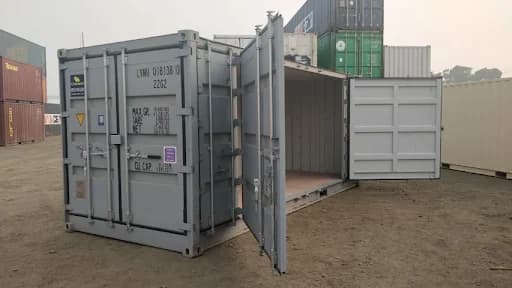
Standard, open-top, high cube, and open-side containers can be modified for greenhouse, farm, garden, and agricultural storage applications.
Conexwest provides shipping containers for sale and rent, along with container modification and fabrication services. Depending on your project, Conexwest can help with container selection, layout planning, doors, windows, insulation, ventilation, HVAC, plumbing, electrical features, flooring, shelving, and other custom modifications.
Shipping Containers for Sale and Rent
Conexwest offers shipping containers for sale and storage container rentals in multiple sizes and conditions, including standard, high cube, open-top, and specialty container options.
Custom Container Modifications
Conexwest’s container modification options can help transform a container into a more practical greenhouse, farm, garden, or agricultural support space. Common options include doors, windows, vents, insulation, air conditioning, electrical features, flooring, shelving, and security upgrades.
Cold Storage Options
For crops, flowers, produce, or temperature-sensitive agricultural products, Conexwest also offers cold storage and freezer containers. These can be useful when the primary need is storing harvested produce, flowers, nursery inventory, or perishable agricultural products rather than growing plants inside the container.
If you are planning a controlled-environment farm, greenhouse, garden, or agricultural storage setup, Conexwest can help you choose the right container size and modification package for your project.
Was this helpful?
Frequently Asked Questions
Yes. Plants can be grown inside a shipping container when the unit is properly modified for light, airflow, temperature, humidity, water, and drainage. Many growers use containers for hydroponics, vertical farming, seed starting, herbs, greens, and controlled-environment agriculture.
A 20ft container may work well for small gardens, seedling rooms, and compact growing setups. A 40ft or 40ft high cube container may be better for larger farms, hydroponic systems, vertical racks, or commercial production.
In most climates, yes. Insulation helps reduce temperature swings and makes it easier to control the growing environment. Ventilation, heating, cooling, and humidity control may also be needed depending on the crop and location.
It may be allowed, but rules depend on local zoning, land use, permits, setbacks, and whether the container is considered temporary or permanent. Always check local requirements before placing a container on agricultural land.
A basic shipping container greenhouse may cost around $10,000 to $35,000 depending on container size, condition, delivery, windows, insulation, ventilation, lighting, plumbing, electrical work, irrigation, HVAC, and growing systems. Hydroponic container farm systems can start around $40,000 depending on equipment and customization.
Yes. Shipping containers can be modified for hydroponic growing with water reservoirs, pumps, grow channels, nutrient systems, lighting, ventilation, and climate control.
Common crops include herbs, leafy greens, microgreens, tomatoes, peppers, cucumbers, strawberries, flowers, and nursery plants. The best crop depends on your growing system, lighting, temperature, humidity, and available space.