
You can grow several types of mushrooms in a shipping container, including oyster mushrooms, shiitake mushrooms, lion’s mane, and chestnut mushrooms. The best choice depends on your climate-control system, substrate, production goals, and experience level.
Can You Grow Mushrooms In A Shipping Container?
Can You Grow Mushrooms in a Shipping Container?
Yes, you can grow mushrooms in a shipping container. With the right modifications, a shipping container can become a compact, controlled growing environment for mushroom cultivation. For urban farmers, restaurants, specialty growers, schools, and agricultural businesses, container mushroom farming offers a way to grow indoors without needing traditional farmland.
The key is not the container by itself. The key is the controlled environment built inside it. Mushrooms need stable temperature, proper humidity, fresh air exchange, sanitation, and a layout that supports clean production. A modified container can provide those conditions when it is properly insulated, ventilated, and equipped for daily operation.
Key Takeaways
- Growing mushrooms in a shipping container can be efficient because vertical shelving allows high production in a small footprint.
- Shipping containers provide an enclosed shell that can be modified for controlled-environment agriculture.
- Insulation, ventilation, humidity control, airflow, and sanitation are essential for successful mushroom cultivation.
- Common container-grown mushrooms include oyster mushrooms, shiitake, lion’s mane, chestnut mushrooms, and other specialty varieties depending on the setup.
- Conexwest provides shipping containers, cold storage containers, and custom container modification options for agricultural and specialty-use projects.
Why Shipping Containers Work for Mushroom Farming
Mushrooms are different from many crops because they do not require full sunlight or open farmland. Instead, they depend on controlled indoor conditions. That makes a shipping container a practical structure for small-scale or modular mushroom farming.
A container can be converted into a grow room with insulation, climate control, ventilation, washable interior surfaces, shelving, and monitoring systems. This makes it easier to manage the growing environment throughout the year, regardless of outside weather.
- Controlled Environment: A container can be equipped with HVAC, fans, humidifiers, dehumidifiers, and sensors to help maintain the temperature and humidity levels required for mushroom growth.
- Compact Footprint: Vertical racks allow growers to use the full height of the container, making the setup useful for urban farms, restaurants, and limited-space operations.
- Light Management: Mushrooms do not need intense grow lights like leafy greens, but some varieties benefit from controlled low-level lighting during fruiting. A container makes it easier to manage light exposure.
- Modular Expansion: Growers can start with one container and later add additional units for incubation, fruiting, packaging, or cold storage.
- Cleaner Workflow: A properly designed container can separate preparation, incubation, fruiting, and harvest areas to reduce contamination risk.
Conexwest offers new, used, and refurbished shipping containers from 10ft to 45ft, along with fabrication options such as insulation, shelving, locks, doors, vents, electrical packages, and climate-control features. Conexwest also provides nationwide container sales, rentals, cold storage solutions, and custom modification support. |
Essential Shipping Container Modifications to Grow Mushrooms
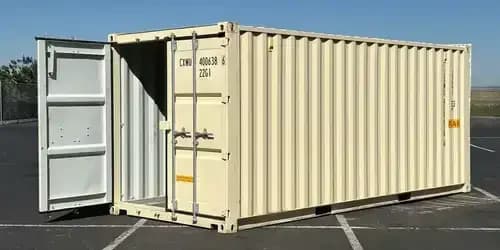
A basic container is not enough for mushroom farming. The interior needs to be designed around temperature stability, moisture control, airflow, sanitation, power, and production workflow.
1. Climate Control
- HVAC System: Install a heating, ventilation, and air conditioning system to help regulate temperature and airflow inside the container.
- Humidity Control: Use humidifiers, dehumidifiers, and humidity sensors to manage moisture levels. Mushroom humidity needs vary by species and growth stage.
- Monitoring: Temperature, humidity, and CO2 sensors can help growers track conditions and make adjustments before crop quality is affected.
2. Insulation
- Insulation: Steel containers can heat up or cool down quickly. Adding spray foam insulation or fiberglass insulation helps stabilize internal temperatures and reduce the load on climate-control equipment.
3. Ventilation and Fresh Air Exchange
Mushrooms release carbon dioxide as they grow. Without proper fresh air exchange, CO2 can build up and affect mushroom shape, yield, and quality. A container mushroom farm should include ventilation, circulation fans, and filtered intake or exhaust systems where appropriate.
Ventilation should be planned carefully so fresh air reaches the grow area without creating drying drafts or introducing contaminants.
4. Lighting
- LED Lighting: Install moisture-rated LED lighting for inspection, harvesting, worker safety, and species-specific fruiting needs. Mushrooms do not require intense light, but many grow rooms use controlled low-level lighting during certain stages.
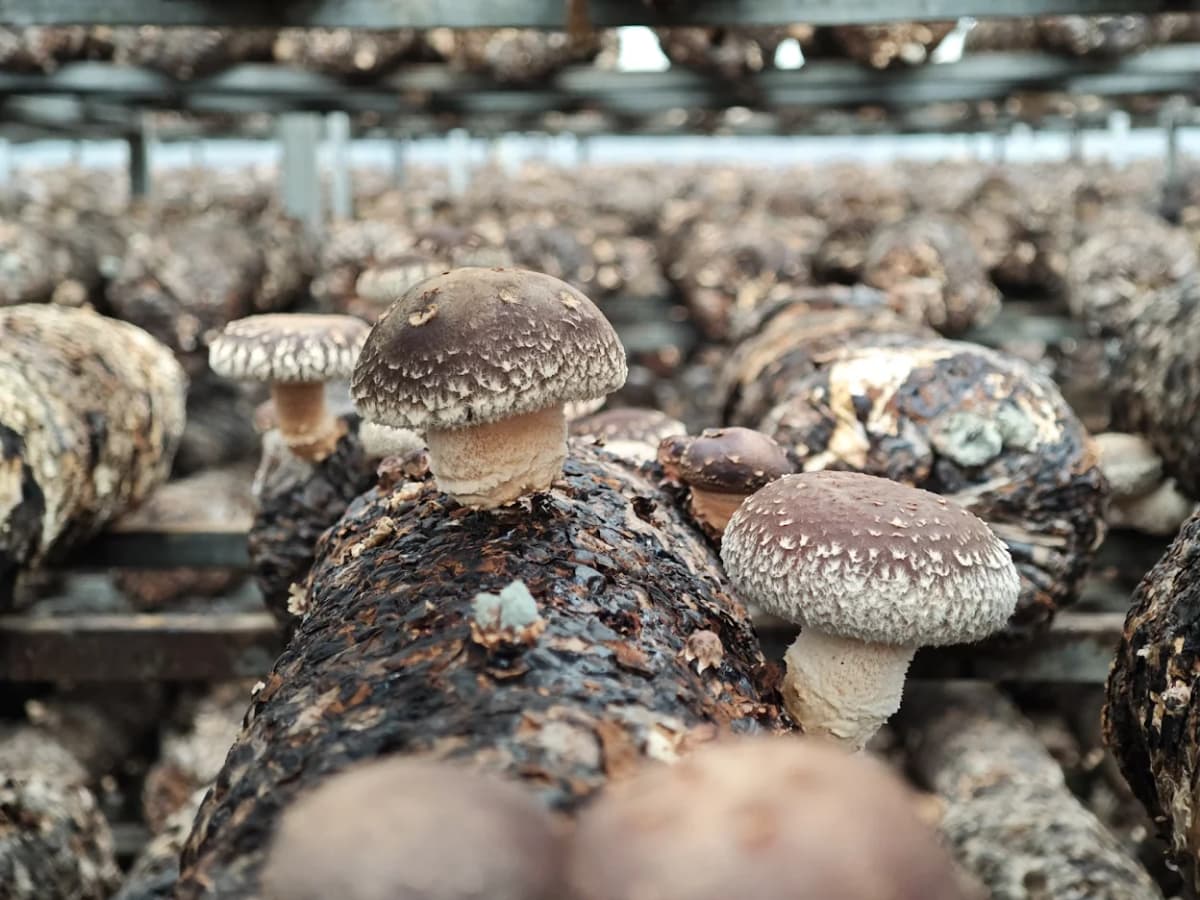
Lighting requirements vary by mushroom species. For many grow rooms, the goal is not to flood the container with light, but to provide controlled visibility and fruiting cues while maintaining stable humidity and airflow.
5. Shelving and Layout
- Racks: Use shelving units to maximize vertical space for mushroom blocks, trays, bags, or growing containers.
- Walkways: Leave enough room for workers to inspect, harvest, clean, and move supplies safely.
- Airflow Gaps: Avoid overcrowding racks. Mushrooms need airflow around the growing area to support consistent development.
6. Designated Areas for Preparation
- Substrate Preparation Area: Create a clean space for preparing or staging the growing medium used for mushroom production.
- Inoculation Area: Use a clean area for introducing mushroom spawn to the substrate. This step is sensitive to contamination and should be handled carefully.
- Fruiting Area: Set up a humid, ventilated space where mushrooms can develop and be harvested.
- Harvest and Packing Area: Reserve space for sorting, packing, and moving mushrooms into cold storage if needed.
7. Washable Interior Surfaces and Drainage
Mushroom growing environments are humid, so interior surfaces should be moisture-resistant and easy to clean. Smooth wall panels, sealed seams, washable flooring, and proper drainage can help reduce sanitation issues between production cycles.
8. Electrical System
A mushroom container may require power for HVAC, fans, humidifiers, lights, monitoring systems, pumps, and other equipment. Electrical planning should happen before buildout so the container can support the equipment safely.
Conexwest offers container modification options through its shipping container modifications services, including doors, ventilation, insulation, and other upgrades for specialty applications.
Best Mushrooms to Grow in a Shipping Container
The best mushroom variety depends on your experience level, substrate, climate system, and market. Some mushrooms are more forgiving for new growers, while others require tighter control.
| Mushroom Type | Why It Works in Containers | Planning Notes |
|---|---|---|
| Oyster mushrooms | Fast-growing and commonly used in small commercial setups | Often a practical starting point for new specialty mushroom growers |
| Shiitake mushrooms | Popular culinary mushroom with strong market demand | Often grown on hardwood-based substrates or logs depending on method |
| Lion’s mane | Specialty mushroom with restaurant and retail appeal | Requires good humidity control and clean handling |
| Chestnut mushrooms | Can work in controlled specialty mushroom environments | Requires careful monitoring and substrate management |
Can You Use a Refrigerated Shipping Container for Mushroom Farming?
Yes, a refrigerated shipping container can be useful for mushroom farming because it already includes insulation and temperature-control capability. However, a reefer container is not automatically a complete mushroom grow room.
Growers may still need shelving, humidity control, fresh air exchange, drainage, lighting, washable surfaces, sensors, and electrical planning. A refrigerated unit may also be useful after harvest, when mushrooms need temperature-controlled storage before delivery or sale.
For temperature-sensitive applications, explore Conexwest cold storage containers and refrigerated container options.
Challenges When Growing Mushrooms in a Shipping Container
Growing mushrooms in shipping containers can be efficient, but it requires planning. Most issues come from environmental control, sanitation, power demand, and space limitations.
Humidity and Condensation
Mushrooms need moisture, but unmanaged condensation can create cleaning problems and increase contamination risk. Insulation, ventilation, drainage, and moisture-resistant finishes are important.
Airflow and CO2 Buildup
Inadequate ventilation can lead to CO2 buildup and uneven crop development. Fresh air exchange should be designed around the mushroom species, production density, and grow stage.
Contamination Control
Mold, bacteria, and pests can damage a mushroom crop quickly. A clean workflow, washable surfaces, filtered air where appropriate, and regular sanitation practices are important for crop protection.
Power Requirements
HVAC, humidification, ventilation, lights, and sensors can require a reliable power source. Before building a mushroom container, confirm the available site power and equipment load requirements.
Space Planning
Containers are compact. That can be a major advantage, but only if the layout allows workers to move, clean, monitor, and harvest without overcrowding the grow area.
Choose Conexwest for Shipping Container Fabrication to Grow Mushrooms
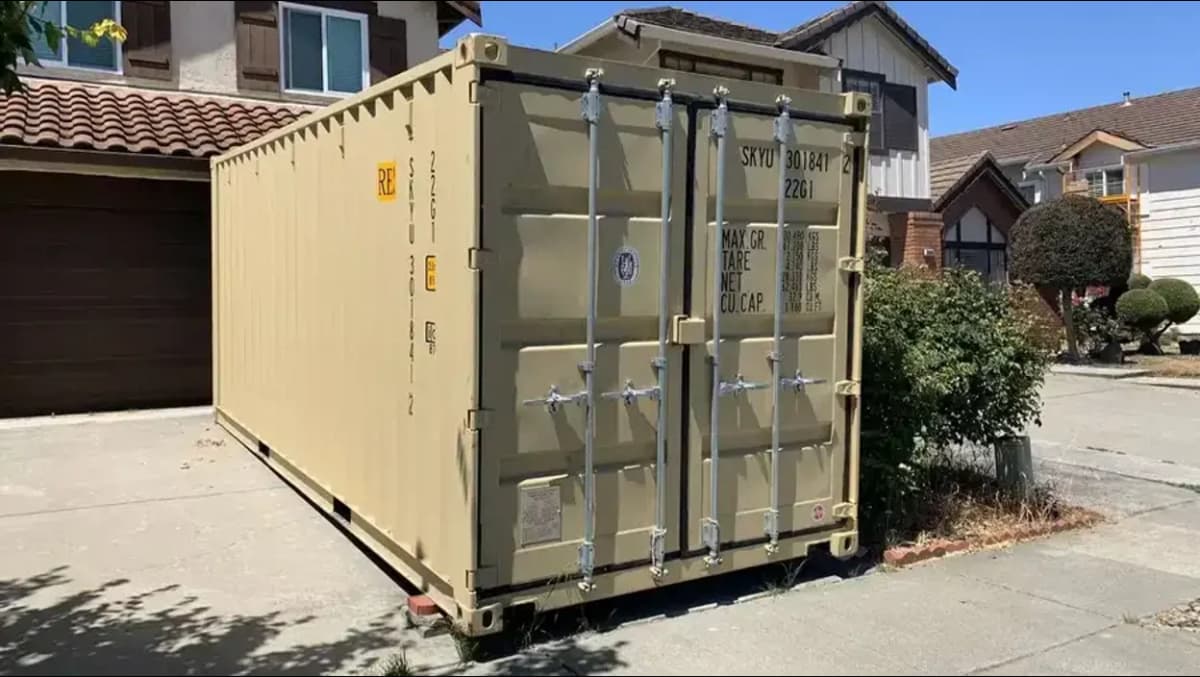
Conexwest can help modify shipping containers for agricultural, greenhouse, cold storage, and specialty-use applications.
If you are considering a shipping container for mushroom cultivation, choose a container partner that understands fabrication, delivery, and practical field use. Conexwest provides container sales, rentals, cold storage, and custom modification services for customers nationwide.
- Customization Expertise: Conexwest can customize your container with insulation, ventilation, shelving, doors, lighting, electrical options, and other features depending on the project.
- Container Options: Choose from shipping containers for sale, rental containers, refrigerated containers, and specialized container solutions.
- Cold Storage Support: Conexwest offers cold storage containers for temperature-sensitive storage and refrigerated applications.
- Comprehensive Services: From container sourcing to modifications and delivery, Conexwest provides a more complete project path than buying a basic container shell.
- Project Inspiration: Customers can explore the Conexwest project gallery for container modification ideas and past project examples.
Related Container Farming and Cold Storage Resources
- Building a Shipping Container Greenhouse, Farm, or Garden
- How Much Does a Shipping Container Greenhouse, Farm, or Garden Cost?
- Hydroponic Farm Shipping Container: Features, Dimensions, Add-Ons, and Costs
- Vertical Farm Shipping Container: Features, Dimensions, Add-Ons, and Costs
- Grow Room Shipping Container: Features, Dimensions, Add-Ons, and Costs
- Refrigerated Containers as On-Site Cold Storage Solution
- Types of Reefer Containers and Common Applications
- Reefer vs. Freezer Containers: Choosing the Right Cold Storage for Your Business
Was this helpful?
Frequently Asked Questions
Mushrooms do not need intense sunlight like plants, but many grow rooms use controlled low-level lighting for inspection, harvesting, and species-specific fruiting cues. Lighting needs vary by mushroom type.
Yes, refrigerated shipping containers can be useful for mushroom farming because they provide insulation and temperature-control capability. However, they may still need shelving, humidity control, ventilation, drainage, lighting, and washable surfaces.
The timeline depends on the mushroom species, substrate, and growing conditions. Some mushrooms can fruit within a few weeks after colonization, while others take longer. Growers should plan around the full production cycle, including substrate preparation, inoculation, incubation, fruiting, harvest, and cleaning.
A shipping container farm can reduce land use, support local food production, and allow growers to produce crops closer to customers. Environmental benefits depend on the setup, including energy use, water management, insulation, and local distribution practices.
Conexwest offers a wide range of shipping containers for sale, including new, used, and refurbished containers from 10ft to 45ft. Conexwest also offers rental containers, refrigerated containers, and custom modification options.