
The total cost depends on the container size, condition, delivery, foundation, insulation, ventilation, lighting, electrical work, water access, growing system, and modifications. A basic garden container may cost much less than a fully equipped indoor farm with HVAC, grow lights, hydroponics, and automation.
How Much Does a Shipping Container Greenhouse, Farm, or Garden Cost? | Conexwest
Key Takeaways
- Shipping container greenhouse, farm, and garden costs vary widely based on container size, condition, delivery, site preparation, insulation, ventilation, lighting, climate control, and growing systems.
- A simple garden or greenhouse container may cost far less than a fully equipped indoor farm with lighting, automation, HVAC, hydroponics, and monitoring systems.
- Hydroponic and vertical farming systems can increase the total project cost because they require specialized equipment, utilities, and environmental controls.
- Delivery, permits, foundations, electrical work, plumbing, and long-term operating costs should be included in the project budget.
- Conexwest provides shipping containers and custom modifications that can support greenhouse, farm, garden, hydroponic, and vertical farming projects.
Shipping Container Greenhouse, Farm, and Garden Cost Overview
The cost of a shipping container greenhouse, farm, or garden depends on how simple or advanced the build needs to be. A basic container garden may only require a durable container, ventilation, shelving, and site preparation. A controlled indoor farm may require insulation, lighting, HVAC, electrical service, water access, drainage, sensors, and crop-specific growing equipment.
This guide is meant to help you budget the full project, not just the container itself. The container shell is one part of the total cost. The final price can change based on your location, container availability, delivery distance, utility access, permitting, foundation needs, and the level of customization required.
If your project is focused specifically on stacked crop production, see our guide to vertical farm shipping containers. If your project is focused on soil-free water-based growing systems, see our guide to hydroponic shipping container farms.
Cost Breakdown for a Shipping Container Greenhouse, Farm, or Garden
Every project is different, but most budgets include the following cost categories.
1. Container Purchase or Rental
The first major cost is the container itself. Pricing depends on size, condition, location, availability, and whether you choose a standard dry container, high cube container, or refrigerated container. Used containers can lower the upfront cost, while new containers may offer better condition, longer useful life, and warranty advantages.
For greenhouse, garden, and farm applications, common choices include 20ft, 40ft, and 45ft containers. High cube containers may be useful when the design requires extra interior height for racks, ventilation, lighting clearance, or workspace.
2. Delivery, Site Preparation, and Placement
Delivery and setup costs depend on distance, access, equipment requirements, and site conditions. Before delivery, the site may need grading, gravel, concrete, piers, or another level foundation. The container should also have enough clearance for delivery equipment and future service access.
If the container will be placed on farmland or a rural property, review local zoning and land-use rules before ordering. You can learn more in our guide on whether you can place a shipping container on agricultural land.
3. Insulation, Ventilation, and Climate Control
Insulation and airflow are important for growing environments, especially when crops need stable temperature and humidity. Costs can increase if the project requires spray foam insulation, interior wall panels, exhaust fans, intake vents, air conditioning, heating, dehumidification, or a refrigerated container.
For basic garden or greenhouse use, ventilation may be enough. For indoor farming, hydroponics, mushrooms, or temperature-sensitive crops, climate control may become one of the more important budget items.
4. Electrical, Lighting, and Power
Electrical work can include panels, outlets, lighting circuits, ventilation power, pump power, control systems, and backup power. Indoor farms may also need LED grow lights, timers, emergency shutoffs, and properly planned load capacity.
Lighting costs depend on the crop, container size, number of racks, and whether the project relies on natural light, supplemental lighting, or full indoor grow lighting. Solar panels, battery backup, and generators may also affect the budget.
5. Water, Irrigation, Drainage, and Growing Systems
Water-related costs depend on whether the container is being used as a simple garden space, greenhouse, hydroponic farm, or vertical farm. A basic setup may need irrigation lines and drainage. A more advanced setup may need pumps, reservoirs, filtration, nutrient delivery, sensors, and recirculation systems.
Hydroponic systems can increase the total project cost because they require specialized water delivery and monitoring equipment. For a deeper breakdown of soil-free growing systems, see our guide to hydroponic shipping container farms.
6. Interior Layout, Shelving, and Work Areas
Interior costs may include shelves, grow racks, workbenches, partitions, washable wall panels, flooring, doors, windows, utility chases, storage areas, and maintenance access. For vertical farming, rack spacing, aisle width, lighting clearance, and airflow across multiple tiers should be planned early.
For stacked growing layouts, see our guide to vertical farm shipping containers.
7. Ongoing Operational Costs
Ongoing costs may include electricity, water, nutrients, seeds, replacement filters, sensors, lighting maintenance, HVAC maintenance, pest control, cleaning supplies, labor, and general repairs. Indoor farms with grow lights and climate control usually have higher utility costs than passive greenhouse or garden setups.
Conexwest, a leader in shipping and storage solutions based in Northern California, offers new, used, and refurbished containers from 10ft to 45ft, with fast delivery within 3-7 days and container fabrication options such as shelves, doors, insulation, vents, windows, electrical components, and other custom modifications. We serve over 10,000 customers nationwide, including clients like the U.S. Navy and Google. As an ISO 9001 and AWS-certified company, we focus on quality, reliable fabrication, and competitive pricing. |
Estimated Cost Comparison: Container Greenhouse vs. Traditional Greenhouse
The table below provides a general comparison. Actual costs can vary significantly based on location, size, structure type, materials, labor, utility connections, permitting, crop system, and customization level.
Cost Category | Shipping Container Greenhouse, Farm, or Garden | Traditional Greenhouse |
Structure | Cost depends on container size, condition, type, and location. Standard, high cube, and refrigerated containers can vary widely in price. | Cost depends on frame type, glass or polycarbonate panels, foundation, size, and site conditions. |
Delivery and Installation | Delivery, placement, foundation, and site access can affect the final cost. | May require more on-site assembly, foundation work, and construction labor. |
Insulation and Climate Control | May require insulation, ventilation, HVAC, dehumidification, or a refrigerated container depending on the crop and climate. | May use passive ventilation, shade cloth, heaters, fans, evaporative cooling, or automated climate controls. |
Irrigation and Growing Systems | Can range from basic irrigation to advanced hydroponic, vertical, or automated growing systems. | Can range from basic soil beds and drip irrigation to hydroponic or automated systems. |
Lighting | May require supplemental or full LED grow lighting, especially for indoor container farms. | May rely more on natural light, with optional supplemental grow lights depending on crop and location. |
Operational Costs | May include electricity, water, nutrients, replacement parts, HVAC maintenance, lighting, and crop supplies. | May include water, heating, cooling, ventilation, pest control, crop supplies, and structure maintenance. |
*These costs are estimates and can change based on availability, location, project scope, modifications, and market conditions. For accurate pricing, it is best to request a custom quote.
What Affects the Final Project Cost?
The final cost of a shipping container greenhouse, farm, or garden usually depends on the following factors:
- Container size, condition, and availability
- Delivery distance and site access
- Foundation or surface preparation
- Insulation, ventilation, and HVAC requirements
- Electrical load, lighting, and backup power needs
- Water supply, drainage, irrigation, or hydroponic systems
- Interior layout, shelving, grow racks, partitions, and work areas
- Permits, zoning, inspections, and utility approvals
- Crop type and required environmental conditions
- Long-term operating costs for electricity, water, maintenance, and supplies
Tips for Saving Money on a Shipping Container Greenhouse, Farm, or Garden
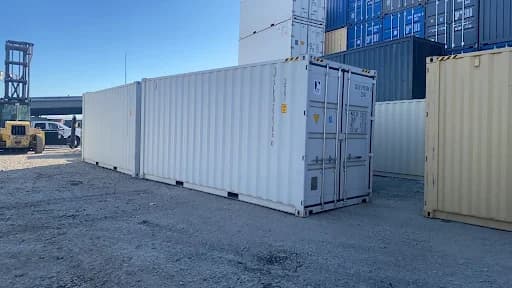
Choosing the right container and planning the build before ordering modifications can help control the total project cost.
- Choose the Right Container Condition: Used containers can reduce upfront costs, while new containers may offer better condition and longer warranty coverage. The best choice depends on the project budget and intended use.
- Start With the Core Requirements: Prioritize the features the growing environment truly needs first, such as ventilation, insulation, utility access, or shelving, then add advanced automation later if needed.
- Plan Utilities Before Fabrication: Electrical, water, drainage, and HVAC needs should be planned early so the container can be modified efficiently.
- Use Solar Power Where It Makes Sense: Adding solar panels can help offset some electrical use depending on the system load, climate, and site design.
- Use Efficient Irrigation: Drip irrigation and water recirculation can reduce waste compared with unmanaged watering systems.
- Match Lighting to the Crop: LED grow lights can support indoor production, but lighting plans should be based on crop type, rack layout, and production goals.
- Choose Crops Strategically: Leafy greens, herbs, microgreens, seedlings, and specialty crops are common choices for container-based growing, depending on the system and market.
- Check Local Rules Early: Zoning, permits, setbacks, foundations, utility connections, and inspections can affect project timing and cost.
Choose Conexwest for Shipping Container Greenhouse, Farm, and Garden Projects
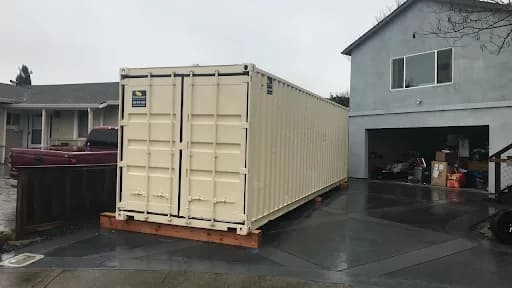
Conexwest sells quality containers at competitive prices and provides custom modifications for a wide range of growing, storage, and agricultural applications.
We understand the planning that goes into a shipping container greenhouse, farm, or garden. As a provider of high-quality shipping containers and custom modifications, Conexwest can help with the container shell, layout features, and fabrication work needed to support your project.
- Comprehensive Selection: Our containers come in various sizes, including 10ft, 20ft, 40ft, and 45ft options. With nationwide inventory of new and used shipping containers, we offer choices for different budgets and project scopes.
- Custom Modifications: Thanks to our in-house fabrication capabilities, we can modify containers with insulation, doors, vents, windows, shelving, partitions, electrical components, flooring, and other features that support greenhouse, farm, and garden uses.
- Support for Specialized Growing Systems: Conexwest provides the modified container shell. Hydroponic systems, vertical farm equipment, crop-specific controls, and automation may be installed by the grower, contractor, or third-party specialist.
- Warranty and Quality Assurance: New ISO shipping containers include up to a 10-year warranty, while used cargo-worthy ISO shipping containers include up to a 5-year warranty.
- Nationwide Delivery: Conexwest can deliver containers across the U.S., helping growers, businesses, schools, and agricultural operations get the right container to the right site.
If you are ready to plan a shipping container greenhouse, farm, or garden, click the link below to discuss your requirements and get a custom quote.
Was this helpful?
Frequently Asked Questions
A shipping container greenhouse is a modified container used to support plant growth in a more controlled environment. Depending on the design, it may include ventilation, windows, insulation, lighting, irrigation, shelving, or climate control.
A container greenhouse is a broad term for a modified container used to grow plants. A hydroponic container farm focuses on soil-free growing with nutrient-rich water. A vertical farm container focuses on stacked growing layouts that maximize crop production in a compact footprint.
Common crops include leafy greens, herbs, microgreens, seedlings, strawberries, and other compact crops. Crop options depend on lighting, airflow, humidity, temperature, water systems, and the growing method used.
Permit requirements vary by city, county, property type, and intended use. Check local zoning, setback, foundation, utility, and inspection requirements before placing or modifying the container.
Timeline depends on container availability, design complexity, modifications, permitting, utility work, delivery, and installation. Simple projects may move faster, while fully equipped growing environments can take longer to design and complete.
Yes. Conexwest provides short-term and long-term rental solutions for containers, which can be helpful for temporary storage, seasonal projects, or businesses that do not want to purchase a container outright.