
Yes, with the right setup, a shipping container can support all stages of a grow cycle, from cloning to flowering. With insulation, lighting, ventilation, and smart controls, it functions like a self-contained indoor farm.
Grow Room Shipping Container: Features, Dimensions, Add-Ons, and Costs
Grow Room Shipping Container – Features, Dimensions & Costs
Key Takeaways
- Grow containers offer a controlled, scalable solution for year-round indoor farming.
- Common sizes include 20 ft, 40 ft, and 45 ft, each suited for different grow setups and stages.
- Popular add-ons like smart sensors, CO₂ systems, and vertical shelving improve efficiency and yields.
- Refrigerated containers cost more but come with built-in insulation and temperature control.
- Conexwest provides custom-modified containers with fast nationwide delivery and reliable warranty coverage.
What Is a Grow Room Shipping Container?
A grow room shipping container is a standard steel container that’s been retrofitted for indoor plant cultivation. These containers are modified to create a sealed, insulated, and highly controlled growing space. They’re equipped for lighting, ventilation, irrigation, and anything else you might need to grow.
Grow containers are used for personal, commercial, or research purposes. They’re ideal for operations looking for year-round production, scalability, and quick deployment without the hassle of constructing a permanent structure.
Conexwest, a leader in shipping and storage solutions based in Northern California, offers new, used, and refurbished containers from 10ft to 45ft, with fast delivery within 3-7 days and container fabrication options like adding shelves and locks. Conexwest serves over 10,000 national customers, including prestigious clients like the U.S. Navy and Google. As an ISO 9001 and AWS-certified company, we ensure top quality and competitive pricing. |
Key Features of a Grow Room Shipping Container
These containers aren’t just boxes with lights; they’re purpose-built systems that support healthy, efficient plant growth:
- Insulated Walls & Ceiling: Foam insulation helps maintain temperature and humidity, protecting plants from outdoor climate swings.
- Climate Control Systems: HVAC units, fans, and dehumidifiers regulate heat and airflow, essential for temperature-sensitive crops like cannabis.
- Lightproof & Airtight Interior: Prevents outside contaminants and light leaks from interfering with plant cycles.
- Lighting-Ready Setup: Designed for LED or HPS lights, with electrical wiring that supports high-output systems.
- Water & Electrical Integration: Many units come with plumbing access, floor drains, and power outlets to support irrigation and automation.
- Sealed Surfaces for Mold Prevention: Interior panels are moisture-resistant to reduce risks of mildew or rot, which is especially important in humid grow conditions.
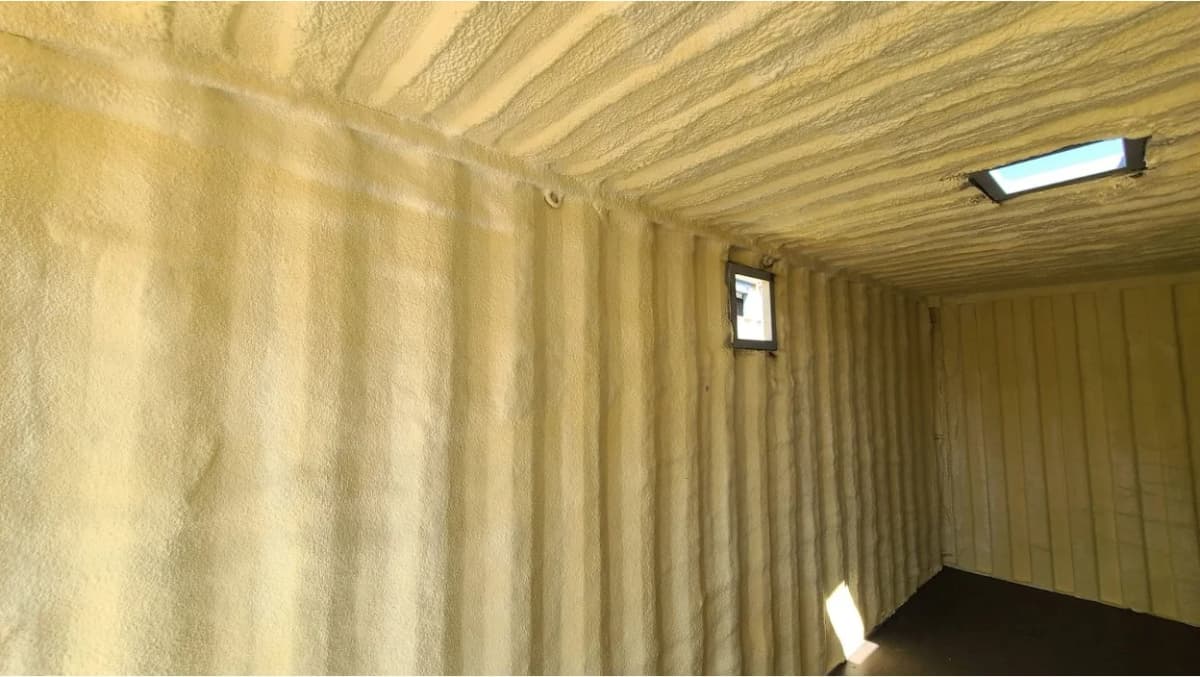
Insulated walls, proper airflow, and lighting-ready layouts are key for consistent plant health.
Standard Dimensions
Grow room containers are available in several sizes, depending on your production goals and space availability:
- 20ft Container – Great for compact grow setups, test environments, or vegetative/cloning phases.
Interior dimensions: approx. 19’4” (L) × 7’9” (W) × 7’10” (H) - 40ft Container – Popular for full-cycle growing with space for lights, HVAC, and a small work area.
Interior dimensions: approx. 39’3” (L) × 7’9” (W) × 7’10” (H) - 45ft High Cube Container – Ideal for multi-stage cultivation or added vertical growing space.
Interior dimensions: approx. 44’6” (L) × 7’9” (W) × 8’10” (H)
Most Common Add-Ons and Customizations
Here are some of the most common add-ons:
Automated Control Systems: Smart panels and programmable timers can manage your lighting schedule, temperature settings, watering cycles, and nutrient delivery, helping reduce manual work and ensuring consistency across grow cycles. Many systems can be monitored remotely via phone or computer.
CO₂ Injection Systems: Adding CO₂ to your grow environment can speed up plant growth and increase yields, especially in sealed containers. These systems maintain optimal CO₂ levels automatically for better results during the flowering stage.
Shelving and Racking: Installing vertical shelving or tiered racking allows you to grow more plants in the same footprint. This is especially helpful in taller containers or when working with clones or smaller plant varieties.
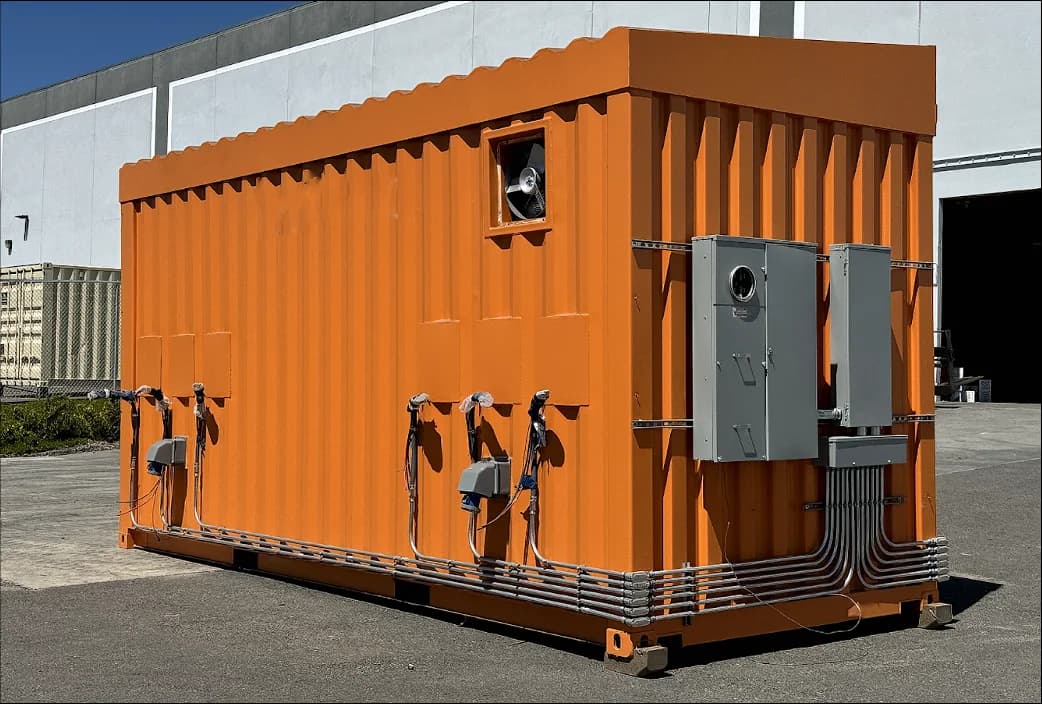
With the right setup, grow containers can support cloning, flowering, and harvesting phases in one unit.
Odor Control Units: Carbon filters and air scrubbers help control strong plant odors, making your operation more discreet. They’re especially important if you’re growing in residential or shared zones.
Smart Sensors: Real-time monitoring systems can track everything from temperature and humidity to CO₂ levels and pH. These tools alert you to changes and help you make adjustments quickly, keeping your environment stable and your plants healthy.
Security Enhancements: For licensed or commercial growers, security is a must. Containers can be fitted with reinforced doors, lockboxes, motion-activated lighting, and pre-wired camera systems to meet compliance and protect your investment.
How Much Does a Grow Room Container Cost?
Standard Shipping Containers
Prices shown are for the container only and do not include modifications. Additional costs will apply for insulation, wiring, and grow-specific upgrades.
Container Type | Estimated Price Range |
20-ft Standard ISO Container | $2,089–$2,300 |
40-ft Shipping Container | $2,095–$2,349 |
45-ft High Cube Container | $2,600–$6,299 |
*These numbers are estimates, and the actual price can vary. Thus, it’s best to reach out to us for an accurate quote.
Refrigerated Containers
Refrigerated containers are pre-insulated and come with built-in cooling systems, making them ideal for crops that require precise temperature and humidity control. Due to their advanced features, they come at a higher price point.
Refrigerated Container Type | Estimated Price Range |
20-ft New Refrigerated ISO Container | $32,950–$37,715 |
20-ft Used Refrigerated ISO Container | $14,450–$15,318 |
40-ft Used High Cube Refrigerated Container | $9,995–$10,882 |
40-ft New High Cube Refrigerated Container | $36,837–$44,957 |
*These numbers are estimates, and the actual price can vary. Thus, it’s best to reach out to us for an accurate quote.
Why Choose Conexwest for Grow Room Conversions?
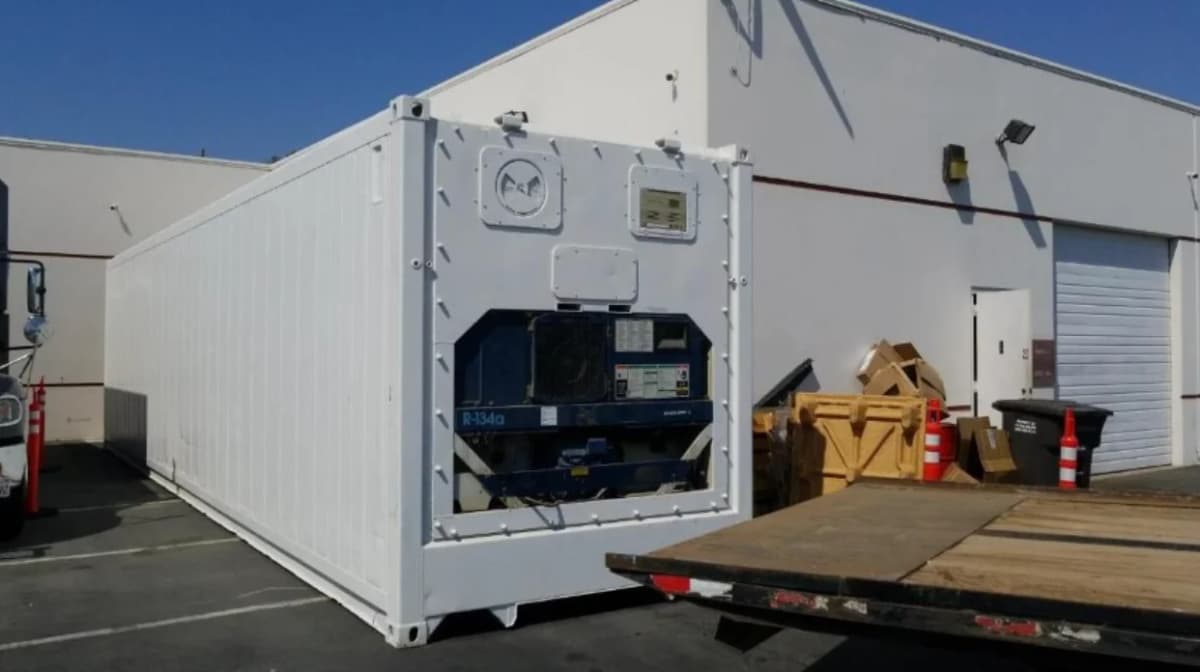
With durable exteriors and sealed interiors, refrigerated containers are built for stability and efficiency.
Conexwest offers durable, customizable shipping containers that are perfect for grow rooms. While we don’t install grow systems, we handle all the prep work—like insulation, vent openings, wiring, and layout planning—so your unit is ready for equipment installation.
We stock a wide range of sizes including 10-ft, 20-ft, 40-ft, and 45-ft containers, giving you flexible options no matter if you’re building a compact grow or scaling up. Each unit is built to support climate control, lighting, and growing systems with ease.
Our containers are delivered anywhere in the U.S., usually within 3–7 business days. New containers include a 10-year warranty, and used containers come with 5-year coverage, so you can grow with confidence and peace of mind.
Was this helpful?
Frequently Asked Questions
It depends on your goals. A 20-ft container works well for small or test setups. A 40-ft container is better for full-cycle grows. For more space or vertical growing, a 45-ft high cube offers extra height and capacity.
Refrigerated (reefer) containers come pre-insulated with built-in temperature control, which saves you from installing HVAC and insulation separately. They’re ideal for sensitive crops or climates that require tighter environmental control.
That depends on your location and what you're growing. For cannabis or large-scale commercial farming, permits and inspections are often required. Always check with local authorities before installing a container grow room.
Conexwest provides high-quality shipping containers and custom modifications like insulation, electrical wiring, vent cutouts, and layout preparation, so your grow room is ready for installation and setup. Our team works with you to create a container that fits your growing needs.