
Yes, financing may be possible, but it can be more complicated than a standard mortgage. Lenders may require permitted plans, structural engineering, contractor bids, appraisal support, and proof that the project meets local zoning and building requirements.
How To Finance a Shipping Container Home in Arizona: Guide
Arizona Shipping Container Home Financing Guide
Financing a shipping container home in Arizona is one of the most common challenges for first-time builders. While container construction can sometimes reduce certain project costs compared with traditional construction, securing funding is not always straightforward. Many lenders are more familiar with conventional homes, which means container projects often require stronger documentation, clearer plans, and a more complete budget.
This guide explains how shipping container home financing works in Arizona, what lenders may look for, which financing options are commonly considered, and how to structure your project before approaching banks, credit unions, construction lenders, or private financing sources.
If you are planning a project in Phoenix, you should also review local permit and zoning requirements early. For container sourcing, visit Conexwest shipping containers for sale in Phoenix.
Key Takeaways
- Shipping container home financing can be more difficult than traditional home financing because lenders may view container homes as non-standard construction.
- Lenders may ask for detailed plans, permits, contractor information, structural engineering, site documentation, cost estimates, and appraisal support.
- Common financing options include construction loans, personal loans, credit union loans, HELOCs, land loans, and specialty portfolio loans.
- Arizona projects should account for heat, insulation, utilities, zoning, permits, foundation design, and local code requirements before financing is finalized.
- Conexwest supplies containers in Arizona and can help with container selection, delivery, and modification options for doors, windows, insulation, HVAC, electrical, and more.
Financing a Shipping Container Home in Arizona: What to Know First
Turning shipping containers into a livable Arizona home requires more than creative design. It also requires a practical financial plan. Lenders generally want to understand the full project: land, zoning, permits, engineering, foundation, container condition, contractor scope, utilities, insurance, and resale value.
Before approaching lenders, understand that financing a container home may differ from a standard mortgage. A lender may treat the project as new construction, alternative construction, an owner-builder project, an ADU, or a specialty property depending on the design and location.
The final cost of an Arizona container home depends on container size, number of containers, condition, design complexity, foundation, insulation, HVAC, plumbing, electrical, interior finishes, permits, delivery, and contractor labor. The container shell is only one part of the full project budget.
For general residential project planning in Phoenix, review the City of Phoenix Residential Buildings and Permits page and the city’s Residential Projects permit guidance.
Conexwest supplies new, used, and refurbished shipping containers in multiple sizes, including 10ft, 20ft, 40ft, and 45ft options. Customers can also explore container fabrication, delivery planning, office containers, storage containers, refrigerated containers, and custom modifications based on project needs. |
Why Traditional Mortgage Lenders May Hesitate on Container Homes
Traditional lenders may hesitate to finance container homes because they are less common than conventional wood-frame or masonry construction. That does not mean financing is impossible, but it does mean the borrower may need to provide a more complete project package.
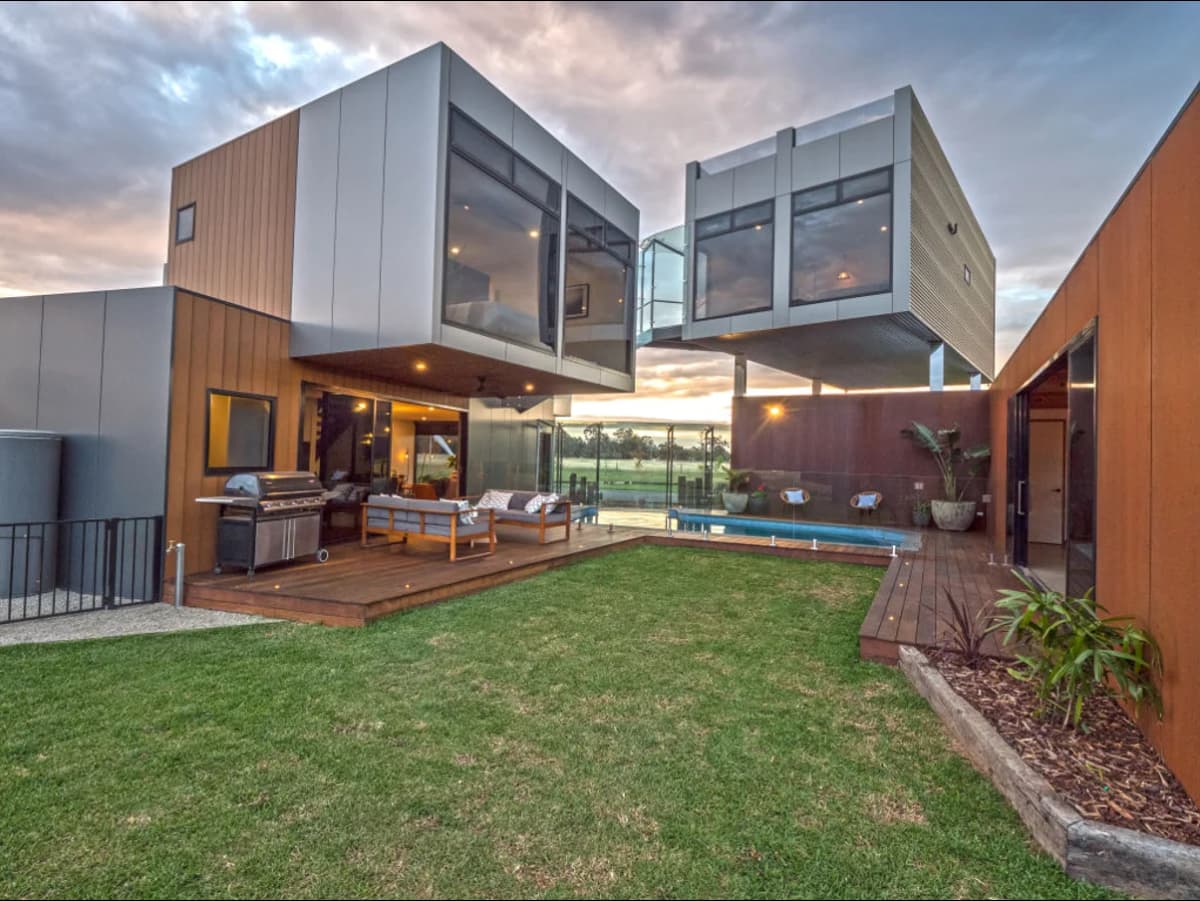
Lenders may review container home projects carefully because of classification, appraisal, zoning, code compliance, and resale-value concerns.
Non-Standard Construction Classification
Many lenders classify shipping container homes as non-standard or alternative construction. This may trigger additional review of the structure, foundation, design, engineering, contractor qualifications, and compliance with local building requirements.
In Arizona, lenders may also ask how the design handles desert heat, insulation, ventilation, energy use, and long-term comfort. Steel containers conduct heat quickly, so insulation and climate control need to be planned carefully for areas such as Phoenix, Tucson, and other hot-climate regions.
For insulation planning, read Conexwest’s guide to shipping container insulation options.
Appraisal Challenges
Appraisals can be difficult when there are few comparable container homes nearby. Traditional appraisals often rely on recent sales of similar homes, and container homes may not have enough local comparables for an easy valuation.
This does not automatically prevent financing, but it may require stronger documentation. Lenders may want detailed plans, contractor bids, material specifications, comparable alternative homes, energy-performance details, and a clear explanation of the finished property value.
For design planning, see Conexwest’s guide to shipping container home plans and floor designs.
Zoning and Permit Concerns
Arizona container home rules vary by city, county, zoning district, and intended use. A container used for storage is not reviewed the same way as a container used as a legal dwelling unit. Lenders may ask for proof that the project can be permitted before they approve financing.
For Phoenix projects, the City of Phoenix Planning and Development Department provides residential building resources, permit guidance, and ADU information. If the project is an ADU, review the City of Phoenix Accessory Dwelling Units page.
Best Financing Options for Arizona Container Homes
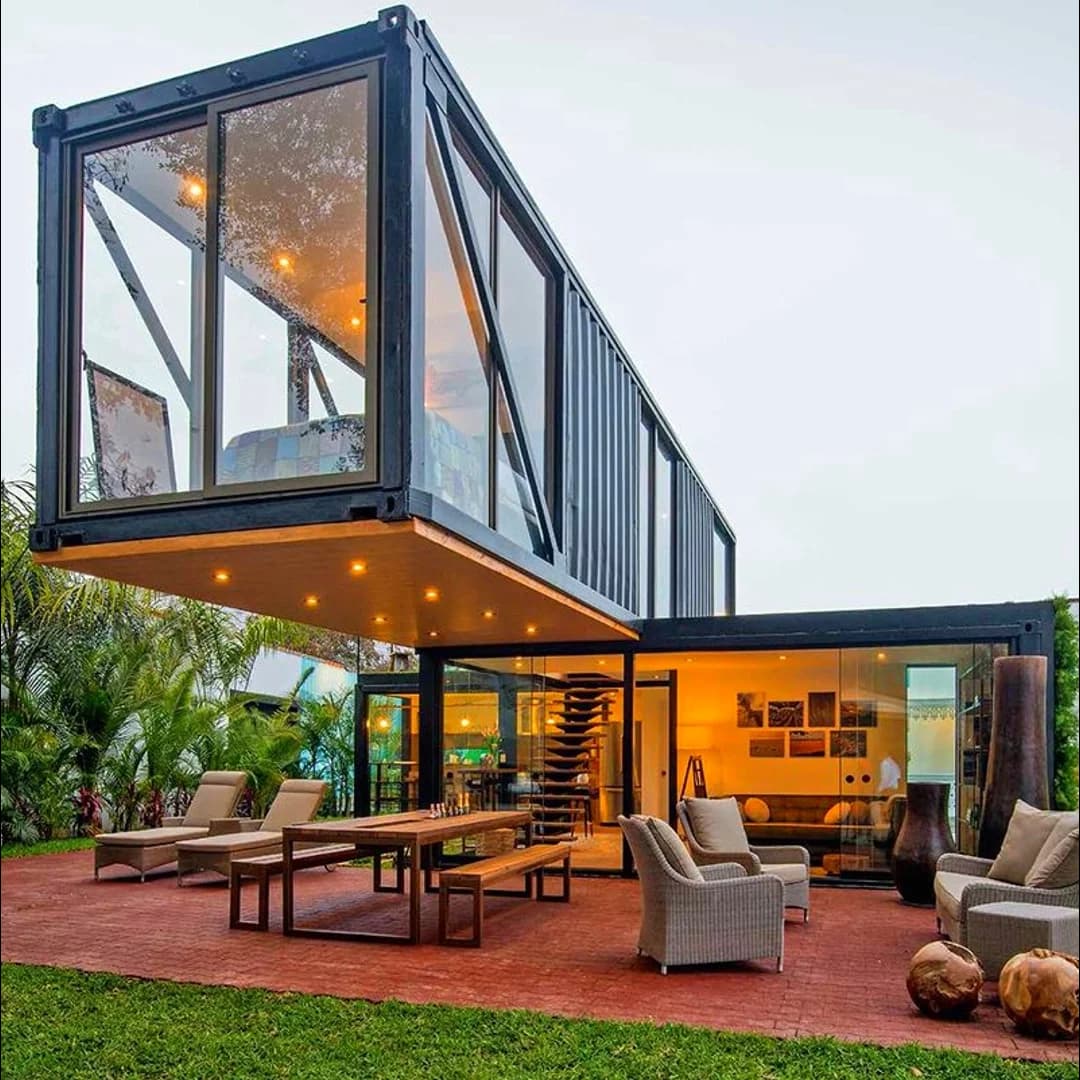
Several financing paths may be available for Arizona container home projects. The right option depends on whether you already own land, whether the project is a primary residence or ADU, the total budget, lender requirements, and your credit profile.
1. Construction Loans
Construction loans are often considered for ground-up container home projects. These loans may fund construction in stages as work is completed. Lenders usually require plans, contractor information, budget details, inspections, and a draw schedule.
This option may work when the project has a clear scope, qualified contractor, permitted plans, and a realistic budget. Borrowers should expect more documentation than with a standard mortgage because the lender is funding a structure that does not exist yet.
2. Personal Loans for Smaller Projects
For smaller container projects, some borrowers consider personal loans. These may be used for container studios, guest spaces, offices, workshops, or early-stage improvements when the total project cost is lower.
Personal loans are usually based more on credit and income than on the property itself. They may have faster approval timelines, but interest rates and repayment terms can be less favorable than secured loans. Borrowers should compare total cost carefully.
3. Credit Unions and Portfolio Lenders
Credit unions and portfolio lenders may be more flexible than large national mortgage lenders because they sometimes keep loans on their own books instead of selling them into the secondary mortgage market.
These lenders may be willing to review alternative construction when the borrower provides strong documentation, local permit approval, qualified contractor support, and a clear appraisal path.
4. Home Equity Loans or HELOCs
If you already own a home or land with equity, a home equity loan or home equity line of credit may help fund a container addition, backyard office, ADU, guest unit, or workshop. This can avoid some of the property-specific challenges of financing the container home itself.
HELOCs can be useful for phased projects because borrowers can draw funds as needed. However, they are secured by existing property, so borrowers should understand the risk and repayment obligations before using this option.
5. Land Loans and Phased Financing
Some borrowers finance land separately, then fund the container home build through a construction loan, savings, personal loan, HELOC, or specialty lender. This phased approach can work when the land purchase and construction timeline do not align.
Before buying land, confirm zoning, utility access, road access, setbacks, water rights, septic requirements, and whether container-based housing is permitted on the property.
6. Homebuyer Assistance Programs
Some Arizona buyers may qualify for homeownership assistance programs depending on income, location, lender, and property eligibility. These programs are not specific to container homes, and eligibility depends on the program rules and lender requirements.
Arizona Department of Housing provides information about the Arizona Is Home program and other homeownership resources. Borrowers should confirm whether their project type and financing structure qualify before relying on any program.
What Lenders May Ask For
The stronger your documentation, the easier it is for a lender to understand the project. Container home borrowers should prepare a complete project package before applying.
Lenders may request:
- Site address and proof of land ownership or purchase contract
- Zoning confirmation
- Building permit status
- Architectural plans
- Structural engineering
- Foundation design
- Contractor bids and credentials
- Detailed construction budget
- Container specifications and condition
- Appraisal support or comparable property information
- Insurance information
- Utility plan for water, sewer, septic, power, and HVAC
Budgeting for an Arizona Container Home
Before applying for financing, build a complete project budget. A common mistake is budgeting only for the containers and basic modifications while forgetting site work, utilities, engineering, permits, and finishing costs.
Budget categories may include:
- Land purchase or site preparation
- Container purchase
- Delivery and placement
- Architectural design
- Structural engineering
- Permits and inspections
- Foundation work
- Windows, doors, and structural reinforcement
- Insulation and HVAC
- Electrical, plumbing, and mechanical systems
- Kitchen and bathroom buildout
- Interior finishes
- Exterior paint, cladding, shading, or roofing
- Contingency reserve for changes or unexpected costs
For current Phoenix container pricing, start with Conexwest shipping containers for sale in Phoenix. You can also compare 20ft shipping containers, 40ft shipping containers, and 40ft high cube containers.
Phoenix and Arizona Permit Planning
Financing and permitting are connected. If a lender is unsure whether the project can be approved, financing may become harder. Before applying for funding, confirm whether the property can support the intended container home, ADU, or accessory structure.
For Phoenix projects, review:
- City of Phoenix Residential Buildings and Permits
- City of Phoenix Residential Projects
- City of Phoenix Accessory Dwelling Units
- Phoenix Planning and Development Department
For projects outside Phoenix, check the city or county where the property is located. Maricopa County, Pima County, Coconino County, rural communities, and incorporated cities may each handle container homes differently.
How Conexwest Supports Arizona Container Home Projects
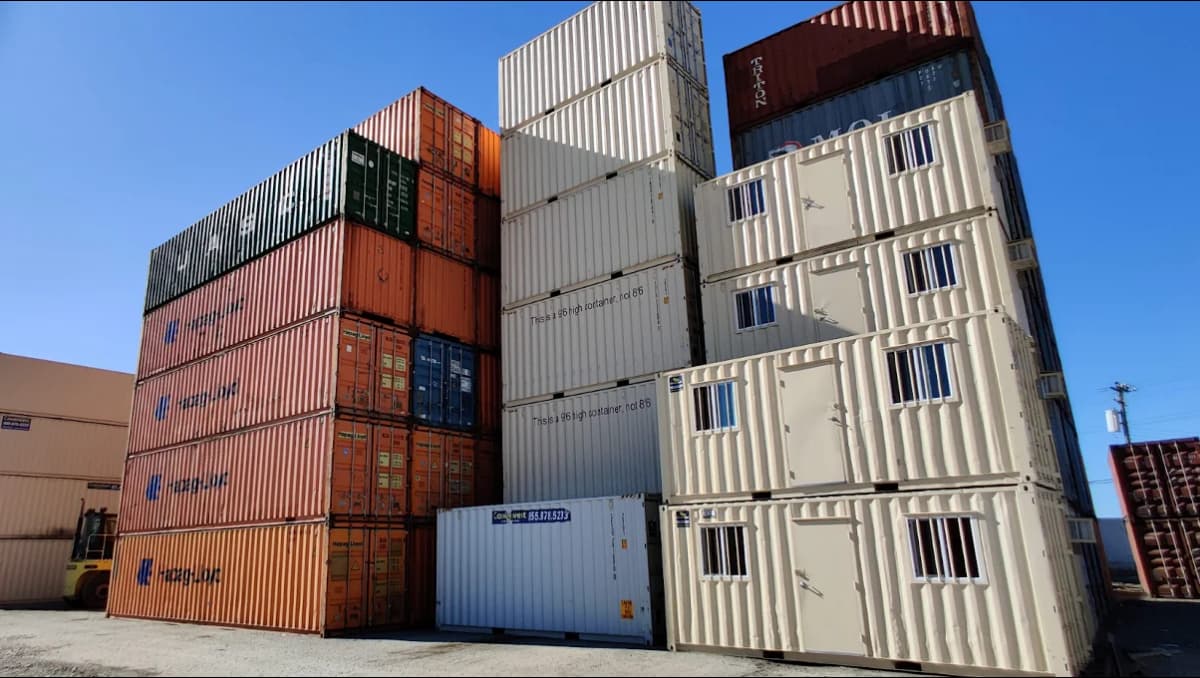
Conexwest helps Arizona customers choose containers for storage, office, residential concepts, ADUs, custom builds, and other container projects. Customers can compare container sizes, conditions, heights, and modification options before ordering.
Conexwest can support:
- Phoenix container sales: Shop shipping containers for sale in Phoenix, including multiple sizes and condition options.
- Container selection: Compare 20ft, 40ft, high cube, one-trip, used, and refurbished containers based on the project.
- Fabrication options: Add doors, windows, insulation, flooring, HVAC, electrical, shelving, paint, and security upgrades.
- Delivery planning: Review site access, placement needs, clearance, desert conditions, and delivery requirements before the container arrives.
- Custom project support: Prepare containers for offices, storage, studios, backyard units, and residential concepts.
Conexwest does not replace your lender, architect, engineer, contractor, tax advisor, or permitting authority. For Arizona container home projects, customers should work with qualified professionals to confirm financing, zoning, permit, code, utility, insurance, tax, and construction requirements before building.
Related Arizona and Container Home Guides
If you are planning an Arizona container home project, these Conexwest guides may also help:
- Shipping Containers for Sale in Phoenix
- Container Homes in Phoenix: Laws, Costs & Build Ideas
- Arizona Shipping Container Zoning Laws, Permits & Building Code Requirements
- Shipping Container Homes vs. Traditional Homes: Cost Comparison
- How Much Does a Shipping Container Home Cost?
- Shipping Container Home Plans & Floor Designs
- One-Trip Shipping Containers: Meaning, Cost, Pros & Cons
Was this helpful?
Frequently Asked Questions
Common options include construction loans, personal loans, credit union loans, portfolio loans, HELOCs, land loans, and phased financing. The best option depends on the project size, property, borrower profile, and lender requirements.
It may be possible if the container home is permanently installed, permitted, code-compliant, appraisable, insurable, and comparable to other residential properties. Some lenders may still require specialized underwriting because container homes are less common.
A personal loan may work for smaller projects, studios, offices, or partial buildouts. However, personal loans may have higher interest rates and shorter repayment terms than secured real estate loans.
A HELOC may be an option for homeowners with existing equity. It can help fund a container ADU, guest house, office, or accessory structure, but the loan is secured by the existing property and should be reviewed carefully with a lender or financial advisor.
Lenders may request architectural plans, engineering, contractor bids, construction budget, permit status, zoning confirmation, site information, container specifications, appraisal support, insurance details, and utility plans.
A container home or ADU may be possible in Phoenix if it meets zoning, building, utility, and permit requirements. Property owners should review City of Phoenix residential permit and ADU guidance before buying containers or starting design.
Conexwest offers shipping containers for sale in Phoenix, including multiple sizes and condition options. Customers can shop local container options and review delivery information through the Phoenix city sales page.