
A one-trip shipping container is typically a new container that has been shipped once from the factory before being sold. It has much less wear than a used container that has spent years in cargo service.
One-Trip Shipping Containers: Meaning, Cost, Pros & Cons
One-Trip Shipping Containers: Meaning, Cost, Pros & Cons
If you are shopping for a shipping container, you will often see the term “one-trip container.” It sounds simple, but it is one of the most important condition categories to understand before buying.
A one-trip shipping container is generally considered a new container that has made one cargo trip from the factory before being offered for sale. In practical terms, that means the container has not spent years in regular shipping service. It usually has cleaner paint, better door seals, fewer dents, less rust, and a longer expected service life than a used container.
One-trip containers are popular for customers who care about appearance, long-term durability, weather resistance, and customization. They are often used for storage, offices, retail spaces, schools, farms, container homes, workshops, and custom builds where condition matters.
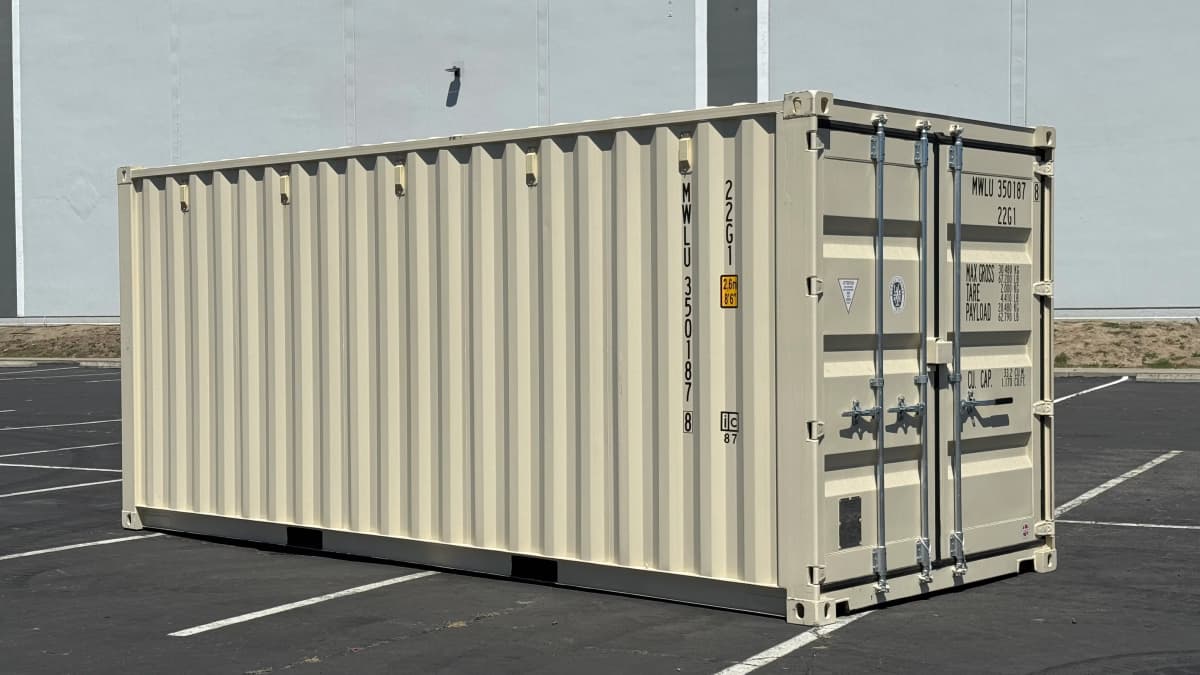
This guide explains what one-trip shipping containers are, how they compare to used and refurbished containers, what affects cost, and when buying one makes sense. To view available units, explore Conexwest shipping containers for sale.
Key Takeaways
- A one-trip shipping container is typically a new container that has been shipped once from the factory before resale.
- One-trip containers usually have cleaner paint, fewer dents, stronger curb appeal, and less wear than used containers.
- They often cost more than used or refurbished containers, but they can be a better long-term choice for visible, modified, or customer-facing projects.
- Used and refurbished containers can still be excellent choices for basic storage, construction sites, agriculture, logistics, and budget-focused projects.
- Conexwest offers new, used, and refurbished shipping containers in multiple sizes, including 20ft containers, 40ft containers, and 40ft high cube containers.
What Is a One-Trip Shipping Container?
A one-trip shipping container is a container that is manufactured overseas, loaded with cargo one time, shipped to its destination, unloaded, and then sold as a new or near-new container. Because it has only completed one cargo trip, it has much less wear than containers that have been in active shipping service for years.
One-trip containers are sometimes called:
- New shipping containers
- One-trip containers
- One-use containers
- New ISO containers
- New conex containers
The term “one-trip” does not mean the container has never moved. It means it has typically made one cargo trip before being sold. That single trip is why these containers may show minor handling marks, forklift marks, scuffs, or small cosmetic imperfections, even though they are still considered new compared with used shipping containers.
One-Trip vs. Used vs. Refurbished Containers
The best container condition depends on how the container will be used. A one-trip container is often the premium choice, but it is not always necessary. Used and refurbished containers can be better values for many storage and jobsite applications.
| Container Condition | What It Means | Best For |
|---|---|---|
| One-trip / new container | A newer container that has usually completed one cargo trip from the factory. | Long-term storage, visible sites, custom builds, offices, retail, homes, schools, farms, and branded projects. |
| Used container | A pre-owned container that has spent time in shipping or storage service and may show dents, scuffs, surface rust, or original markings. | Budget-friendly storage, construction sites, equipment storage, logistics yards, agriculture, and industrial use. |
| Refurbished container | A used container that has been repaired, cleaned, repainted, or improved before resale. | Customers who want better appearance than used but lower cost than new. |
For many buyers, the decision comes down to appearance, budget, lifespan, and how much modification work will be added. If the container will be placed behind a warehouse for tool storage, used may be enough. If it will become a customer-facing office, retail space, school unit, farm stand, or home project, a one-trip container may be worth the higher upfront cost.
Why One-Trip Containers Cost More
One-trip shipping containers usually cost more because they have less wear, cleaner appearance, stronger cosmetic condition, and longer remaining service life compared with used containers. They may also come with better warranty coverage depending on the product and seller.
Main cost factors include:
- Container size
- Standard height vs. high cube height
- New, used, or refurbished condition
- Local inventory and availability
- Delivery ZIP code and distance from depot
- Steel market conditions
- Container type and door configuration
- Modifications, paint, insulation, electrical, HVAC, or windows
- Delivery equipment and site access requirements
Because container prices change by location, availability, and delivery distance, the best way to compare current pricing is to use Conexwest’s product pages and enter your delivery ZIP code. Start with the main shipping containers for sale page.
Common One-Trip Container Sizes
One-trip containers are available in common sizes, including 20ft and 40ft options. The right size depends on the project, available space, and how the container will be used.
20ft One-Trip Shipping Container
A 20ft one-trip shipping container is a practical choice for customers who need secure storage without taking up too much space. It is easier to place than a 40ft container and works well for residential storage, construction storage, retail backstock, farm storage, small workshops, and custom builds.
Best uses include:
- Residential storage
- Construction tool storage
- Farm and ranch storage
- Retail backstock
- Small workshop builds
- Compact office or studio conversions
- School or campus storage
View Conexwest 20ft shipping containers for sale.
40ft One-Trip Shipping Container
A 40ft one-trip shipping container is better for larger storage needs, high-volume inventory, equipment storage, multi-room layouts, offices, retail spaces, and custom container projects. It provides roughly double the floor length of a 20ft container while keeping the same standard width.
Best uses include:
- Warehouse overflow
- Large construction storage
- Industrial inventory storage
- Farm and equipment storage
- Container offices
- Retail and pop-up builds
- Container home projects
View Conexwest 40ft shipping containers for sale.
40ft High Cube One-Trip Container
A 40ft high cube container has the same length and width as a standard 40ft container but provides extra height. This can be useful for taller items, bulky equipment, stacked storage, office conversions, retail units, and container home projects where a more open interior feel is important.
Best uses include:
- Tall equipment storage
- Higher-volume storage
- Office and workspace conversions
- Retail and hospitality builds
- Container home layouts
- Projects needing extra ceiling clearance
View Conexwest 40ft high cube shipping containers for sale.
Pros of One-Trip Shipping Containers
Cleaner Appearance
One-trip containers usually look much cleaner than used containers. They may still have minor handling marks, but they typically have fewer dents, less rust, and better paint condition. This matters when the container will be visible to customers, tenants, employees, neighbors, or inspectors.
Better Starting Point for Modifications
If you are adding windows, doors, insulation, HVAC, electrical, flooring, or interior finishes, starting with a cleaner container can make the build easier and more polished. One-trip containers are often a strong choice for offices, studios, retail units, homes, classrooms, and farm stands.
Conexwest offers container fabrication options for customers who want doors, windows, insulation, electrical, HVAC, shelving, flooring, paint, and other custom features.
Longer Expected Service Life
Because one-trip containers have not spent years in active cargo service, they typically have more remaining service life than heavily used containers. With proper placement, ventilation, drainage, and maintenance, a new container can serve as a long-term storage or build solution.
Stronger Door Seals and Weather Protection
Door seals, gaskets, flooring, and roof condition matter when storing tools, inventory, documents, furniture, or other materials. A one-trip container usually gives customers a better starting point for keeping contents protected from weather.
Better for Customer-Facing Projects
One-trip containers are especially useful when the container is part of the customer experience. Examples include coffee shops, retail pop-ups, schools, offices, sales centers, food service units, farm stands, event spaces, and branded business builds.
Cons of One-Trip Shipping Containers
Higher Upfront Cost
The biggest drawback is price. One-trip containers usually cost more than used or refurbished containers. If appearance is not important and the container will only be used for basic storage, a used container may provide better value.
Still Not Perfectly Flawless
“One-trip” does not mean untouched. These containers are handled during manufacturing, loading, ocean transport, unloading, and depot movement. Small scratches, scuffs, forklift marks, and minor dents can still happen.
Availability Can Vary
One-trip container availability can change by size, condition, location, and market demand. Some sizes or configurations may sell out faster in certain regions.
May Be More Than You Need
If you only need a container for temporary construction storage, yard storage, agriculture supplies, or non-visible equipment storage, used or refurbished may be the more practical choice.
When Is a One-Trip Container Worth It?
A one-trip container is usually worth considering when appearance, durability, long-term use, or modifications matter. It is often the right choice when the container will be visible, customer-facing, heavily customized, or used for many years.
| Use Case | Is One-Trip Worth It? | Why |
|---|---|---|
| Basic construction storage | Sometimes | Used may be enough unless appearance or long-term use matters. |
| Residential storage | Often | Cleaner appearance can matter in driveways, yards, and visible areas. |
| Container office | Yes | A cleaner shell is a better starting point for windows, insulation, HVAC, and interior finishes. |
| Retail or pop-up shop | Yes | Customer-facing projects benefit from better exterior condition. |
| Farm or ranch storage | Depends | Used can work for tools and equipment; one-trip is better for farm stands or visible storage. |
| Container home project | Often | Many builders prefer cleaner containers for residential-style modifications. |
| Warehouse overflow | Depends | Used may be enough for back-of-house storage, while one-trip may be better for long-term use. |
One-Trip vs. Used Container: Which Should You Buy?
Choose a one-trip container if you want the best available condition, cleaner appearance, longer expected service life, and a strong base for modifications.
Choose a used container if you want lower upfront cost and the container will mainly be used for storage, construction, agriculture, industrial supplies, or equipment.
Choose a refurbished container if you want a middle-ground option: better appearance than used, but usually lower cost than one-trip.
| Choose This | If You Care Most About |
|---|---|
| One-trip container | Appearance, long-term use, customer-facing projects, custom builds, and better starting condition. |
| Used container | Lower upfront cost, basic storage, construction, agriculture, and industrial use. |
| Refurbished container | Balanced appearance, practical storage, and better visual condition than used. |
Best Uses for One-Trip Shipping Containers
One-trip containers can be used for many of the same applications as used containers, but they are especially strong when the project needs a clean, professional look.
- Residential storage
- Business storage
- Retail backstock
- Construction site storage
- Container offices
- Pop-up shops
- Cafes and food service concepts
- Farm stands
- School and campus storage
- Workshops and studios
- Container homes
- Custom modified containers
For sizing help, read Conexwest’s shipping container dimensions guide.
Can One-Trip Containers Be Modified?
Yes. One-trip containers are often chosen specifically because they are good candidates for modifications. Starting with a cleaner container can make the finished project look better and reduce the amount of prep work needed before fabrication.
Common modifications include:
- Windows
- Personnel doors
- Roll-up doors
- Insulation
- HVAC
- Electrical outlets and lighting
- Shelving
- Flooring
- Interior partitions
- Custom paint
- Lockboxes and security upgrades
Conexwest’s container fabrication services can help turn a one-trip container into an office, storage unit, retail space, workshop, classroom, farm stand, or custom container solution.
Delivery and Site Planning
Before ordering a one-trip container, make sure your site is ready for delivery. Even the best container can be difficult to use if it is placed on soft ground, poor drainage, uneven surfaces, or a site with limited truck access.
Before delivery, check:
- Truck access and turning space
- Gate width
- Overhead clearance from wires, trees, and structures
- Ground surface and drainage
- Room for cargo doors to open
- Whether the container should sit on gravel, blocks, concrete, or another base
- Local rules, permits, HOA rules, or property owner approval when applicable
Learn more about shipping container delivery before scheduling placement.
How to Buy a One-Trip Shipping Container from Conexwest
Conexwest offers shipping containers for sale in multiple sizes and conditions, including new, used, and refurbished options. Customers can compare size, condition, height, door style, delivery options, and customization needs before purchasing.
To shop available containers:
- Start with the main shipping containers for sale page.
- Choose your container size, such as 20ft or 40ft.
- Select condition options such as new, used, or refurbished when available.
- Enter your ZIP code to review delivered pricing when supported by the product page.
- Review delivery requirements and site access before ordering.
- Add custom modifications if your project needs windows, doors, insulation, HVAC, electrical, shelving, or paint.
If you need a clean container for a long-term project, customer-facing build, or custom modification, a one-trip container may be the right starting point.
Related Shipping Container Guides
If you are comparing container options, these Conexwest guides may also help:
- 20ft Shipping Containers: Types, Features, Dimensions, Cost & Uses
- 40ft Shipping Containers: Types, Features, Dimensions, Cost & Uses
- Shipping Container Dimensions: 20ft and 40ft Size Guide
- Shipping Container Transport Costs: Calculator & Pricing Chart
- Guide to Building a Shipping Container Office
Was this helpful?
Frequently Asked Questions
In many sales contexts, yes. One-trip containers are often sold as new containers because they have only completed one cargo trip. They may still show minor handling marks from manufacturing, loading, shipping, and depot movement.
They can be worth it if you need a cleaner appearance, longer expected service life, better starting condition, or a container for custom modifications. For basic storage where appearance is less important, a used or refurbished container may be more cost-effective.
One-trip containers are built from corrosion-resistant steel, but they can still develop surface rust over time if exposed to moisture, salt air, poor drainage, or damaged paint. Proper placement and maintenance help extend service life.
Yes. Many container home projects use one-trip containers because they offer cleaner condition and fewer signs of prior use. Residential projects still require engineering, permits, insulation, utilities, structural review, and local approvals.
Yes. One-trip containers can be modified with doors, windows, insulation, HVAC, electrical, lighting, shelving, flooring, partitions, paint, and other features depending on the project.
A 20ft container works well for compact storage and smaller projects. A 40ft container is better for larger storage, offices, retail builds, and high-volume inventory. A 40ft high cube container is useful when extra height is important.
Conexwest offers shipping containers for sale in multiple sizes and conditions. Customers can shop available containers, select size and condition options, enter a ZIP code for delivered pricing when available, and review customization options.