
Yes, you will need a building permit to convert a shipping container into a home in Arizona to meet all local building codes and safety standards. You may also need additional permits for electrical and plumbing installations.
Arizona Shipping Container Zoning Laws, Permits & Building Code Requirements
Arizona Shipping Container Zoning Law, Permit & Building Code Guide
Arizona continues to see rapid growth across residential and commercial development, and with rising construction costs, many builders are turning to shipping containers as an alternative. But before any project begins, one question comes up first: what are the zoning laws and permit requirements for container construction in Arizona? While the state allows container-based structures, each city and county enforces its own rules, making it essential to understand local zoning, building codes, and approval processes before moving forward. This guide breaks down how container regulations work across Arizona and what you need to know to build legally and efficiently.
Key Takeaways
- Shipping containers in Arizona are subject to zoning laws that vary by area and intended use.
- Permits are required for most uses of shipping containers, and the process includes application fees and inspections.
- Arizona building codes cover structural integrity, fire safety, insulation, and electrical and plumbing standards.
- Consulting local authorities and hiring professional services will ensure compliance with regulations.
- Conexwest is a trusted shipping container provider, maintaining a huge inventory and providing custom fabrication services.
Shipping Container Zoning Laws, Permits, & Building Code Requirements In Arizona
Zoning Laws
- Zoning Designations: Shipping containers can be used in various zoning designations, including residential, commercial, and industrial zones. However, different regulations may apply depending on the intended use (e.g., storage vs. living space).
- Setback Requirements: Most municipalities require shipping containers to maintain a certain setback from property lines. Generally, setbacks can range from 5 to 20 feet, depending on local ordinances. For example, in Phoenix, a minimum of 10 feet from the front property line is required.
- Lot Coverage: There are restrictions on how much of a lot can be covered by structures. For instance, in residential areas, the total coverage (including all buildings) might be limited to 30-40% of the lot area.
- Height Restrictions: Shipping containers must comply with maximum height restrictions, which can vary but are often around 30 feet in residential zones.
- Aesthetic Standards: Some municipalities enforce aesthetic guidelines so that shipping containers blend with the surrounding environment, such as requirements for paint colors or landscaping to minimize visual impact.
Permit Requirements
- Building Permits: A building permit is generally required for any shipping container intended for permanent use as a dwelling or commercial space, including modifications like windows or doors. The application process involves submitting detailed plans that include site layouts and construction details.
- Temporary Use Permits: If you plan to use a shipping container temporarily (e.g., for construction site storage), you may only need a temporary use permit, which is usually simpler and quicker to obtain.
- Application Process:
- Pre-application Meeting: It’s advisable to meet with planning officials before submitting your application to discuss your project.
- Submission of Plans: You will need to provide site plans, construction plans, and proof of property ownership along with your application.
- Review Period: The planning department will review your application for compliance with zoning and building codes.
- Approval: If your project meets all requirements, you will receive your permit. If not, you may need to revise and resubmit.
- Required Documentation:
- Completed permit application form.
- Site plan showing container placement.
- Construction plans detailing design and materials.
- Proof of property ownership (deed or title).
- Any additional forms required by local codes (e.g., energy compliance).
Building Code Requirements
Shipping containers used as homes must adhere to Arizona's building codes based on the International Building Code (IBC) and International Residential Code (IRC).
- Structural Integrity: Containers must be structurally sound and able to withstand local environmental conditions (e.g., wind loads). Modifications should not compromise their structural integrity.
- Insulation and Energy Efficiency: Given Arizona's climate, proper insulation is important for maintaining comfortable indoor temperatures. Compliance with energy efficiency standards as outlined in the International Energy Conservation Code is required.
- Final Inspections: After construction is complete, you will need a final inspection by local authorities to verify that all work complies with approved plans and building codes before occupying the container home.
Conexwest, a leader in shipping and storage solutions based in Northern California, offers new, used, and refurbished containers from 10ft to 45ft, with fast delivery within 3-7 days and container fabrication options like adding shelves and locks. We serve over 10,000 customers nationwide, including prestigious clients like the U.S. Navy and Google. As an ISO 9001 and AWS-certified company, we ensure top quality and competitive pricing. |
Tips For Complying With Arizona’s Regulations
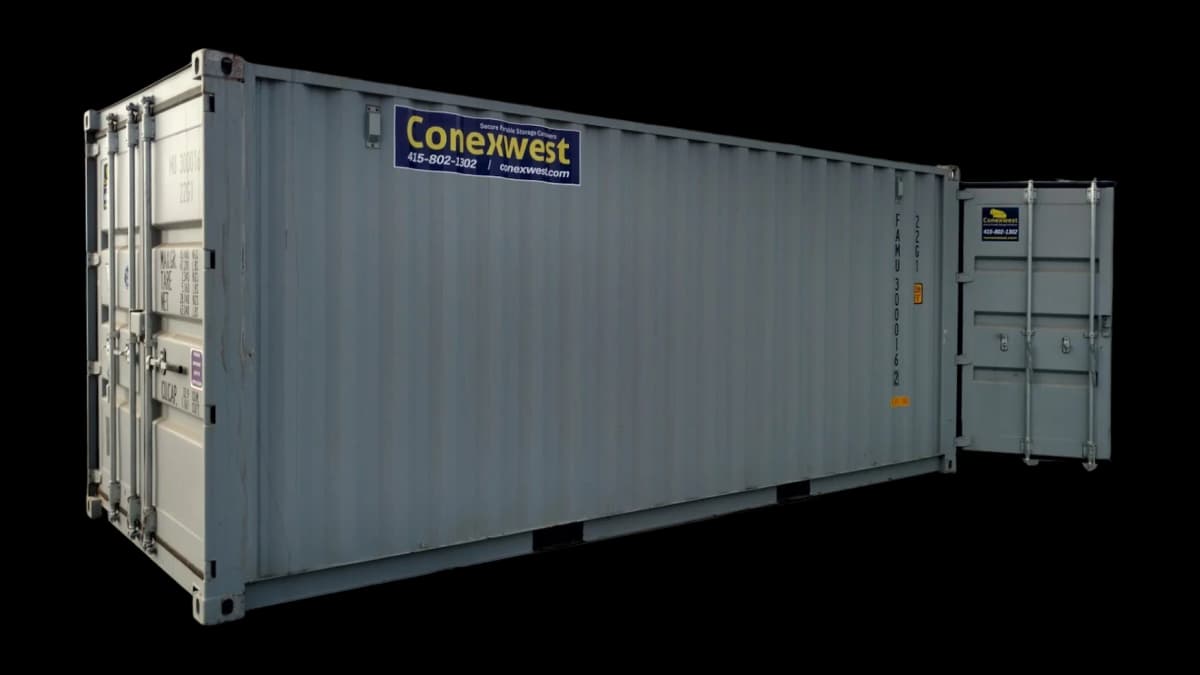
Conexwest’s experts will provide guidance to easily meet Arizona’s shipping container rules
- Consult the Planning Department: Start by visiting or contacting your local planning department to gather information on zoning classifications and regulations that apply to shipping containers in your area.
- Include Modification Details: If you plan to modify the container (e.g., adding windows or doors), include detailed drawings of these changes in your application to demonstrate compliance with building codes.
- Follow Structural Integrity Standards: Check that any modifications made to the container do not compromise its structural integrity. Consult with a structural engineer if necessary.
- Meet Energy Efficiency Standards: Use insulation and energy-efficient systems that comply with Arizona’s energy codes to maintain comfortable indoor temperatures in extreme weather conditions.
- Plan for Utilities: If you plan to install plumbing or electrical systems, be prepared to apply for additional permits and inspections.
- Communicate with Neighbors: Inform your neighbors about your plans for a shipping container on your property to avoid potential disputes, ensure transparency, and address any concerns they may have about the project's impact on the neighborhood.
- Consider Homeowners Association (HOA) Rules: If you live in an area governed by an HOA, review their rules regarding shipping containers as they may have additional restrictions or guidelines.
- Keep Records of Compliance: Maintain thorough records of all communications with local authorities, applications submitted, permits obtained, and inspections passed as proof of compliance.
Choose Conexwest For Your Shipping Container Needs
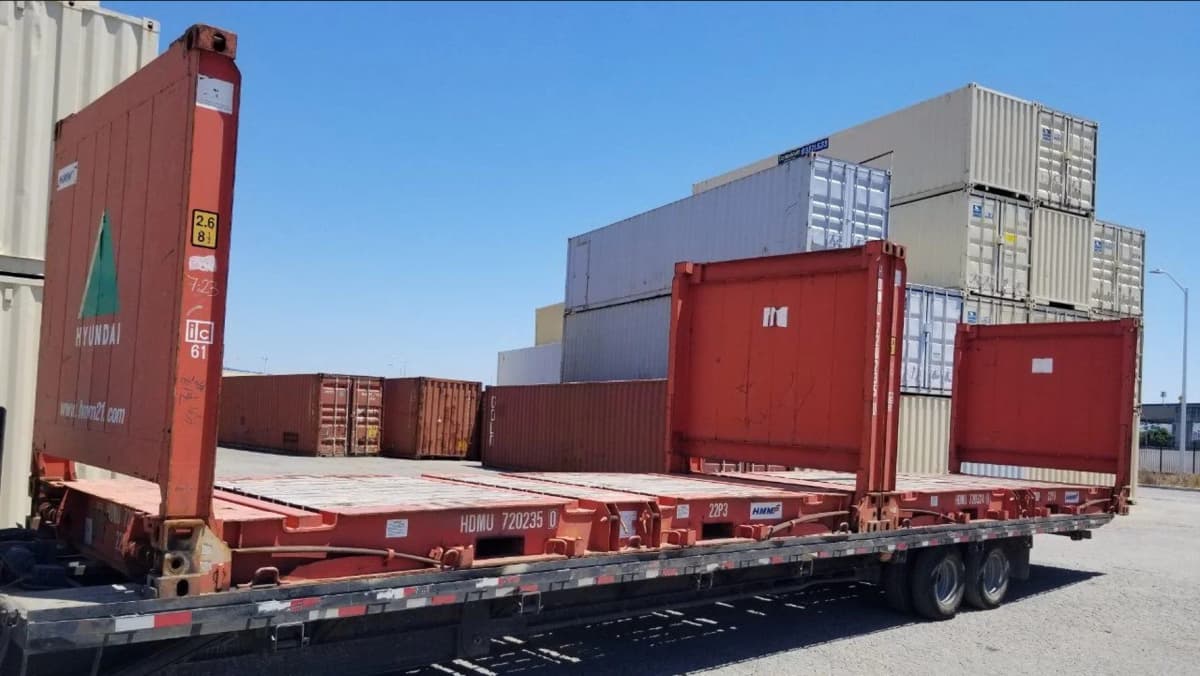
Conexwest’s vast inventory has shipping containers to meet all needs
About Conexwest
Conexwest is a leading supplier of standard and modified shipping and storage containers all over the US. We have a wide range of shipping containers for sale and rent, including new, used, and refurbished containers in various sizes from 10ft to 45ft. Here’s why you should choose us:
- Fast Delivery: We can deliver containers quickly, often within 3-7 days.
- Customization: We fabricate modifications like shelving, windows, doors, HVAC, ventilation, and much more.
- Competitive Pricing: As a vertically integrated company, we fabricate, sell, rent, and service the containers ourselves, which allows us to have competitive pricing.
- High-Quality Service: We hire only highly skilled technicians to maintain the quality of all our products and services.
Contact Information
If you have any questions or need assistance with your shipping container needs, don't hesitate to contact us. Our team is here to help you find the perfect solution for your project.
- Phone: (855) 878-5233
- Email: quote@conexwest.com
- Website: Click here
Was this helpful?
Frequently Asked Questions
Zoning restrictions for shipping containers in urban areas can be quite strict. Typically, containers can be used for storage but not for habitation without meeting specific building codes and obtaining the necessary permits. Always consult your local zoning office to get familiar with the restrictions in your area.
The timeline for obtaining a building permit can vary, but it generally takes 2 to 4 weeks. This period includes the time needed for plan reviews and inspections. It's essential to prepare thorough documentation to avoid delays.
The most common building code violations for shipping containers include inadequate structural reinforcement, non-compliant electrical and plumbing installations, and failure to meet fire safety standards. Hiring a professional service provider and consulting with local authorities can help you avoid these issues.
Our inventory includes:• General Purpose Containers: Ideal for storage and shipping.• High Cube Containers: Provides extra height for larger items.• Side Opening Containers: For easy access to contents.• Open-Top Containers: Suitable for oversized cargo.• Refrigerated Containers: For temperature-sensitive goods.• Flat Rack Containers: For heavy or bulky items.