
A container home may be possible in Seattle when the project meets zoning, building, energy, structural, utility, and permit requirements. Customers should confirm requirements with Seattle SDCI and qualified local professionals before building.
Container Homes Seattle: Laws, Cost & Build Ideas
Seattle Container Home Laws, Costs & Build Ideas
Seattle’s housing market, compact lots, and interest in efficient design have made shipping container homes an attractive idea for homeowners, builders, investors, and property owners looking at accessory dwelling units, backyard studios, compact homes, or custom residential projects.
A container home can be modern, efficient, and space-conscious, but it is not as simple as placing a container on a lot and moving in. In Seattle, container homes must be planned like other residential structures. That means reviewing zoning, permits, engineering, energy requirements, utilities, foundations, drainage, insulation, ventilation, and local site conditions before construction begins.
This guide explains Seattle container home laws, cost factors, build ideas, climate considerations, and how Conexwest can help with container selection, custom modifications, and delivery. If you are sourcing containers locally, view Conexwest shipping containers for sale in Seattle.
Key Takeaways
- Seattle container homes may be possible when the project meets zoning, permit, building, energy, structural, and utility requirements.
- Container homes are commonly considered for ADUs, DADUs, backyard studios, compact residences, guest spaces, and multi-container layouts.
- Seattle’s damp marine climate makes insulation, moisture control, drainage, ventilation, and window placement especially important.
- Cost depends on container size, condition, engineering, permits, site work, foundation, utilities, insulation, HVAC, plumbing, finishes, and delivery.
- Conexwest offers Seattle shipping containers for sale, container delivery, and fabrication options for doors, windows, insulation, flooring, HVAC, electrical, and more.
Can You Build a Container Home in Seattle?
Yes, a container home may be possible in Seattle, but it must be reviewed and approved like other residential construction. The container itself is only the starting structure. Once it is used as living space, it must be designed for occupancy, safety, energy performance, structural loads, fire separation, utilities, and site conditions.
Seattle projects may involve several layers of review, including zoning, building permits, trade permits, foundation design, structural engineering, energy code compliance, and utility connections. The exact requirements depend on the property, project type, size, location, use, and whether the container home is a primary residence, ADU, DADU, or accessory structure.
Start by reviewing official Seattle permit guidance from the Seattle Department of Construction and Inspections and the city’s information on accessory dwelling units.
Seattle Container Home Permits and Local Rules
A container home in Seattle should be planned with local permitting requirements in mind. The city may review the project based on land use, building safety, structural design, utilities, energy compliance, fire access, and occupancy.
Common permit and approval items may include:
- Building permit review
- Site plan review
- Structural engineering
- Foundation design
- Electrical permits
- Plumbing permits
- Mechanical permits
- Energy code documentation
- Fire access and life-safety review
- Utility connections
- Property owner, HOA, or neighborhood restrictions when applicable
Seattle SDCI provides guidance on whether a project needs a permit through its Do You Need a Permit? page. For container homes, customers should not assume the project is exempt simply because the structure began as a shipping container.
For broader statewide planning, read Conexwest’s guide to Washington shipping container zoning laws, permits, and building code requirements.
ADU and DADU Container Home Ideas in Seattle
Seattle’s accessory dwelling unit rules make ADUs and DADUs a common topic for homeowners considering container construction. An ADU is a separate living space within or attached to a home, while a DADU is a detached accessory dwelling unit on the same property.
Shipping containers can work well for compact accessory spaces because the structure is modular, narrow, and easy to plan around tight lots. However, a container-based ADU or DADU still needs a compliant design, proper permits, foundations, insulation, utilities, and safe access.
Common container ADU and DADU concepts include:
- Backyard studio container home
- Guest house or family suite
- Detached rental unit
- Home office with bathroom
- Small single-container residence
- Two-container layout with separate sleeping and living zones
- Multi-container layout for larger accessory housing
For property-specific rules, review Seattle’s official ADU guidance and work with qualified local professionals before ordering containers.
Structural and Safety Planning
Shipping containers are strong in specific ways, especially at the corner posts and structural frame. However, residential conversion changes how the container behaves. Cutting openings for windows, doors, skylights, or connecting multiple containers can remove structural steel and may require reinforcement.
A Seattle container home project should account for:
- Structural load paths
- Foundation support
- Seismic design
- Wind and roof loads
- Snow or roof drainage considerations
- Window and door openings
- Fire separation and interior finishes
- Egress windows and safe exits
- Smoke and carbon monoxide alarms
- Utility penetrations and waterproofing
Work with an architect, structural engineer, licensed contractor, and local officials before modifying a container for residential occupancy. Conexwest can help with container fabrication, but code compliance and residential construction approval must be coordinated through qualified local professionals.
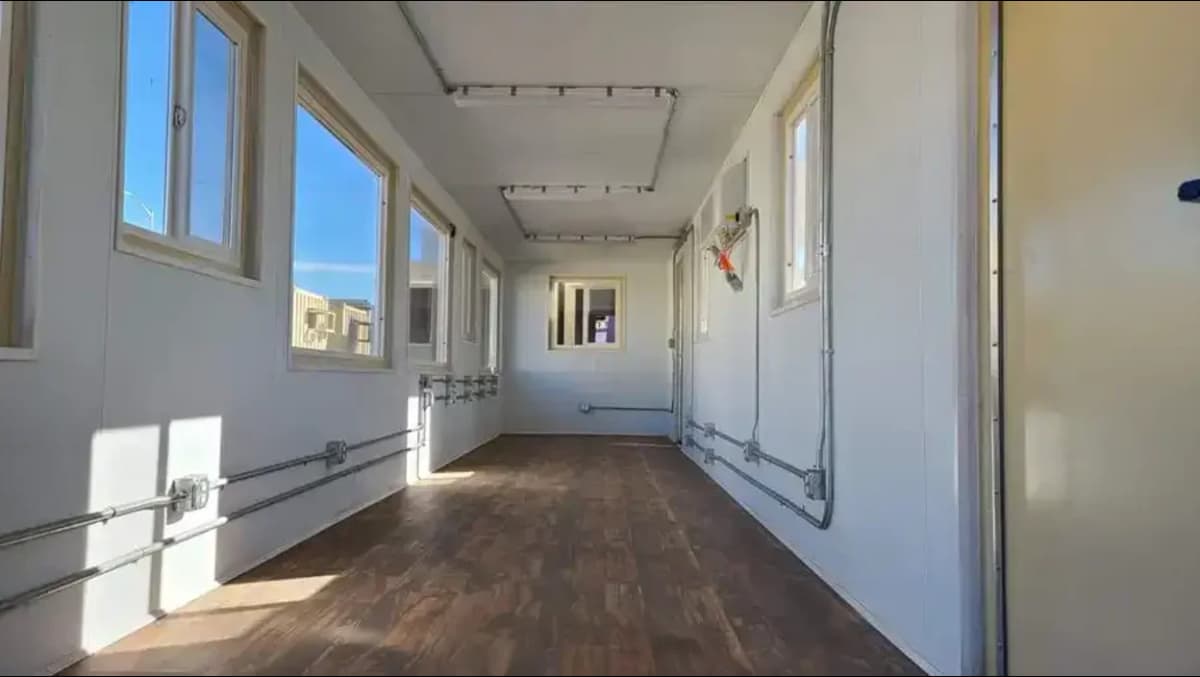
A finished container interior may need structural reinforcement, insulation, fire-rated finishes, electrical planning, HVAC, ventilation, windows, doors, and proper egress depending on the approved design.
Seattle Climate Planning for Container Homes
Seattle’s marine climate makes moisture control one of the most important parts of container home planning. Rain, damp air, cool seasons, and limited drying conditions can create condensation risks if the container is not insulated, ventilated, and detailed correctly.
Important climate planning items include:
- Insulation designed for the project and climate
- Vapor and air sealing strategy
- Mechanical ventilation
- Condensation control
- Roof drainage
- Flashing around openings
- Window placement and weather protection
- Ground drainage and foundation elevation
- Mold prevention and indoor air quality planning
Seattle’s energy requirements depend on whether the project is treated as residential or commercial under the applicable code. The city provides energy code guidance through its Seattle Energy Code resources, while the Washington State Energy Code provides statewide energy-code information.
Insulation and Condensation Control
Steel conducts heat quickly, so an uninsulated container can become uncomfortable and prone to condensation. For Seattle container homes, insulation should be planned with wall thickness, interior space, thermal bridging, air sealing, moisture control, and ventilation in mind.
Spray foam insulation is often considered for container conversions because it can provide insulation and air sealing in a thin assembly. Other insulation systems may also work when designed properly by qualified professionals.
Ventilation and Indoor Air Quality
A container home should not rely only on opening windows for ventilation. Kitchens, bathrooms, laundry areas, and sleeping spaces can add moisture to the interior. Mechanical ventilation helps manage indoor air quality and humidity, especially in damp climates.
Bathroom fans, kitchen exhaust, balanced ventilation, and HVAC planning should be considered early in the design.
Seattle Container Home Cost Factors
Container home costs in Seattle vary widely because every project is different. The container shell is only one part of the budget. Design, permits, site work, engineering, foundation, utilities, insulation, HVAC, plumbing, electrical, windows, doors, finishes, delivery, and contractor labor can all affect final cost.
Main cost factors include:
- Container size and condition
- New, used, or refurbished container selection
- One-container vs. multi-container layout
- Structural engineering and reinforcement
- Architectural plans and permit documents
- Foundation and site preparation
- Utility connections
- Insulation and moisture control
- HVAC and ventilation
- Plumbing and bathroom layout
- Electrical work and lighting
- Windows, doors, and exterior cladding
- Interior finishes, cabinetry, appliances, and fixtures
- Delivery and placement requirements
For current container pricing, view Conexwest shipping containers for sale in Seattle or compare 20ft containers, 40ft containers, and 40ft high cube containers.
Best Container Types for Seattle Home Projects
The right container depends on your layout, lot size, budget, and design goals. A compact studio may need one container, while a larger ADU, DADU, or full home may require multiple containers.
| Container Type | Best For | Why It Works |
|---|---|---|
| 20ft shipping container | Compact studio, office, storage, or small accessory space | Smaller footprint and easier placement on tight sites. |
| 40ft shipping container | Studio layouts, ADUs, DADUs, and longer living spaces | More room for sleeping, living, kitchen, bathroom, or storage zones. |
| 40ft high cube container | Projects needing more ceiling height | Extra height can help with insulation, lighting, ducting, and a more open interior feel. |
| Multiple-container layout | Larger homes, multi-room layouts, and custom builds | Allows separate zones for bedrooms, kitchen, living space, bathrooms, and storage. |
Seattle Container Home Build Ideas

Container home design in Seattle should balance space efficiency, moisture control, natural light, privacy, and neighborhood fit. The best designs are not just creative. They are buildable, permitted, insulated, ventilated, and designed for the site.
Single-Container Studio
A single container can be designed as a compact studio, backyard office, guest space, or accessory unit. This type of layout works best when the floor plan is simple and every inch is used carefully.
Common features include a sleeping area, compact kitchen, bathroom, built-in storage, large windows, and a covered entry.
Two-Container ADU or DADU
Two containers can create more separation between living, sleeping, kitchen, and bathroom areas. Containers may be placed side by side, offset, or arranged in an L-shape depending on the lot and design.
This approach can help create a more comfortable layout while keeping the project compact.
Multi-Container Home
Multi-container designs can create larger homes with separate bedrooms, open living areas, larger kitchens, and more storage. These projects require more engineering because containers may be cut, joined, stacked, or reinforced.
Multi-container layouts should be reviewed early by an architect and structural engineer.
Pacific Northwest Exterior Style
Many Seattle container projects use exterior finishes that help the structure fit into the neighborhood. Cedar accents, fiber cement panels, metal cladding, covered porches, dark window frames, and rain-friendly roof details can all support a Pacific Northwest look.
Green Building Features
Container homes can include efficient appliances, LED lighting, solar panels, rainwater collection for approved non-potable uses, low-VOC finishes, high-performance windows, and durable exterior materials.
If you are considering solar, read Conexwest’s guide to shipping containers and solar panels.
Container Home Features to Plan Early
Container homes become more expensive and complicated when major design decisions happen too late. Plan these items before fabrication begins:
- Window and door locations
- Egress and emergency exits
- Bathroom layout
- Kitchenette or full kitchen layout
- Electrical panel and outlet locations
- HVAC and ventilation equipment
- Insulation thickness
- Interior wall and ceiling finishes
- Exterior cladding or paint
- Roof drainage and weather protection
- Foundation and anchoring
- Delivery and crane or truck access
For more residential planning ideas, read Conexwest’s guides to shipping container home bathrooms and shipping container kitchenettes.
Start Your Seattle Container Project with Conexwest
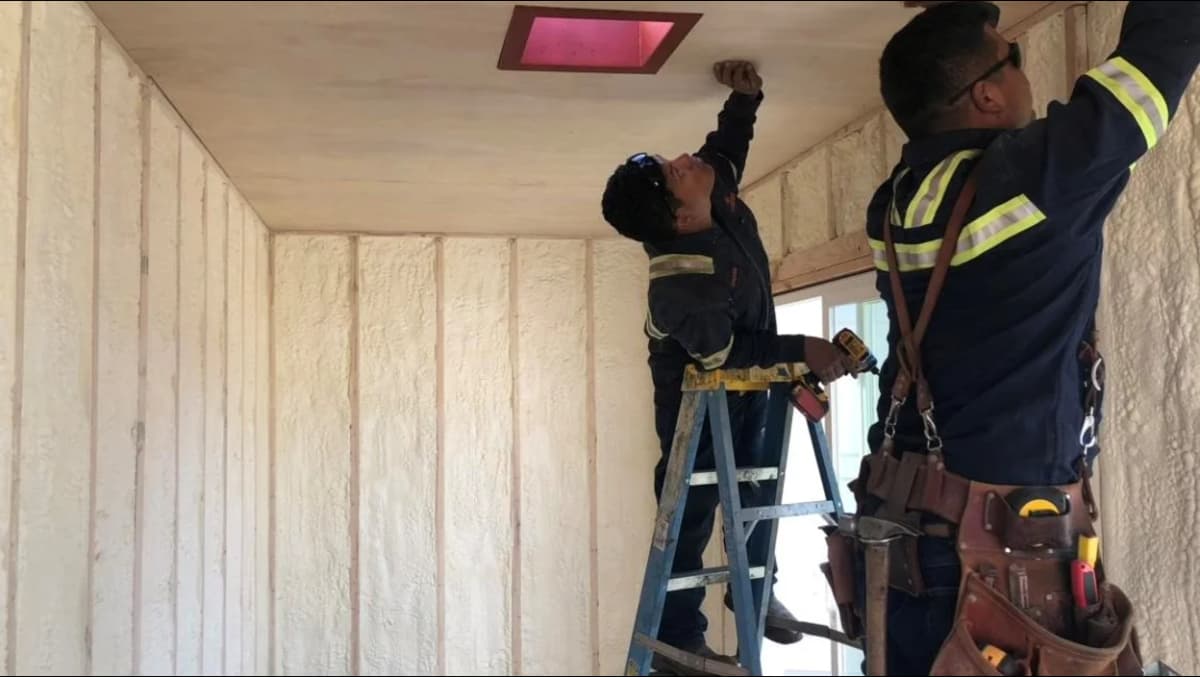
Conexwest can help Seattle customers choose containers for storage, office, residential concepts, custom builds, and other container projects. Customers can compare new, used, and refurbished containers, then select sizes and modification options based on project needs.
Conexwest supports:
- Shipping containers for sale in Seattle
- 10ft, 20ft, 40ft, and 45ft container options
- Standard and high cube containers
- New, used, and refurbished condition options
- Container delivery planning
- Doors, windows, insulation, flooring, paint, shelving, and security upgrades
- Office, storage, and custom container modifications
- Support for builders, contractors, homeowners, and businesses planning container projects
For custom layouts, customers can also explore the Conexbuilder platform to visualize container configurations before finalizing a project concept.
Conexwest does not replace your architect, engineer, contractor, or permitting authority. For Seattle container home projects, customers should work with qualified local professionals to confirm zoning, permit, code, utility, and construction requirements before building.
Related Seattle and Washington Container Guides
If you are planning a Seattle container project, these Conexwest guides may also help:
- Shipping Containers for Sale in Seattle
- Shipping Container Uses in Seattle
- Washington Shipping Container Zoning Laws, Permits & Building Code Requirements
- Shipping Container Uses in Washington State
- Shipping Container Dimensions: 20ft and 40ft Size Guide
- One-Trip Shipping Containers: Meaning, Cost, Pros & Cons
Was this helpful?
Frequently Asked Questions
A container may be used as part of an ADU or DADU concept if the project is designed and permitted as a legal dwelling unit. The container must meet the same residential safety, utility, energy, and occupancy requirements that apply to the project.
Yes, residential container home projects usually require permits. Additional trade permits may be needed for electrical, plumbing, mechanical, and utility work. Requirements depend on the property, use, design, and scope.
Insulation should be selected based on Seattle’s marine climate, the approved energy path, the wall assembly, and the project design. Moisture control, air sealing, ventilation, and thermal bridging should all be reviewed before construction.
Cost depends on container size, condition, number of containers, engineering, permits, site work, foundation, utilities, insulation, HVAC, plumbing, electrical, finishes, delivery, and contractor labor. Current container pricing should be checked through Conexwest product pages or the Seattle container sales page.
A 20ft container may work for compact spaces, while a 40ft container provides more room for living areas, bedrooms, bathrooms, or storage. High cube containers can be useful when extra interior height is important.
Conexwest offers container modification options such as doors, windows, insulation, flooring, paint, shelving, HVAC, electrical, and other fabrication services. Residential projects still require local design, engineering, permitting, and contractor review.
Conexwest offers shipping containers for sale in Seattle, including multiple sizes and condition options. Customers can shop Seattle containers, compare sizes, and review delivery options through the Seattle city sales page.