
They may. Permit requirements depend on the city or county, zoning district, use, duration, size, foundation, and whether the container is modified or occupied. Permanent structures, container homes, offices, shops, and utility-connected units are more likely to require permits.
Washington Shipping Container Zoning Laws, Permits & Building Code Requirements
Washington Shipping Container Zoning Law, Permit & Building Code Guide
Shipping containers can be used in Washington for storage, construction sites, farms, businesses, workshops, offices, and custom structures, but the rules are not the same everywhere. Requirements depend on the city or county, zoning district, property type, placement duration, container size, foundation, utilities, and whether the container is being used for storage, business, or occupancy.
A temporary storage container on a jobsite may be reviewed differently than a permanent accessory structure, modified office, shop, or container home. Before ordering a container, check with your local planning department, building department, fire authority, landlord, HOA, or property manager to confirm what is allowed on your property.
Washington’s building code framework is based on adopted state building codes, while local governments enforce zoning and permitting requirements. Washington L&I notes that the Washington State Building Code effective date is March 15, 2024, and that the Wildland-Urban Interface Code is not adopted statewide. The Washington State Building Code Council also publishes state amendments and adopted code pages for the IRC and related building codes.
Key Takeaways
- Shipping containers in Washington may require permits for permanent placement, long-term storage, utility connections, modifications, or occupied use.
- Local zoning matters. Residential, commercial, industrial, agricultural, and construction-site uses may be treated differently.
- Permit timelines vary by jurisdiction, so confirm requirements before delivery or site preparation.
- Modified containers with windows, doors, utilities, foundations, occupancy, or added roofs may require engineering or building-code review.
- Conexwest provides shipping containers for sale, rentals, fabrication, repair, and delivery support for Washington storage, business, jobsite, and custom projects.
Shipping Container Zoning Laws, Permits, and Building Code Requirements in Washington
Zoning Laws
Zoning laws control how land can be used and where structures can be placed. In Washington, shipping container rules are usually handled locally, so the same container may be allowed in one city or county but restricted in another.
Common zoning considerations include:
- Residential zones: These are often more restrictive. Containers may be limited as accessory storage, screened from view, restricted by size or location, or prohibited as accessory buildings in some jurisdictions.
- Commercial and industrial zones: These may be more flexible for storage, inventory, equipment, temporary jobsite use, and business operations, but permits, screening, fire access, and site-plan rules may still apply.
- Agricultural and rural zones: Containers may be used for equipment, feed, tools, or farm storage in some areas, but local rules can still regulate placement, duration, setbacks, and appearance.
- Construction sites: Temporary containers used during permitted construction may be allowed under different rules than permanent storage containers.
Building Codes
Shipping containers used as buildings, occupied spaces, offices, shops, or homes may need to comply with applicable building codes. Depending on the use, this may involve the International Building Code, International Residential Code, Washington State amendments, energy code, electrical code, plumbing code, mechanical code, fire code, and local requirements.
Key building-code considerations may include:
- Structural integrity: Containers used as permanent structures or modified buildings may need engineering review, especially if walls are cut for doors, windows, garage doors, or large openings.
- Foundations and anchoring: Permanent containers, occupied units, and containers with added roofs or utilities may require a foundation or anchoring system.
- Fire and life safety: Occupied or commercial uses may require exits, fire separation, alarms, ventilation, emergency access, or other safety features.
- Electrical, plumbing, and mechanical systems: Containers with utilities usually require licensed work, inspections, and code-compliant installation.
- Energy and insulation: Container offices, homes, and conditioned spaces may need insulation, air sealing, ventilation, and heating or cooling systems that meet applicable energy requirements.
Permit Requirements
Permit requirements depend on how the container will be used and how long it will remain on-site. A simple temporary storage container may have fewer requirements than a modified container used as an office, shop, dwelling, or permanent accessory structure.
- Permanent structures: Containers used as permanent buildings, offices, shops, residences, or accessory structures often require building permits and code review.
- Temporary use: Containers used temporarily for construction, moving, seasonal storage, or business overflow may need a temporary use permit, registration, or zoning approval depending on the jurisdiction.
- Modified containers: Adding openings, roofs, decks, utilities, HVAC, plumbing, or interior buildouts can trigger additional review.
- Residential use: Container homes, ADUs, and habitable units must satisfy local zoning and applicable residential building requirements.
Examples from Washington Municipalities
- Permitting: Yakima County’s cargo container handout states that a building permit is required for placement. It also notes that engineering and calculations may be needed when containers bear additional loads or are altered with openings such as windows or doors.
- Appearance and zoning: The handout also addresses original markings, paint, and local sign rules, showing why appearance requirements can matter even when a container is used for storage.
- Residential restrictions: Airway Heights code states that shipping containers cannot be used as accessory buildings or living units in residential zones.
- Temporary construction use: The city allows certain temporary construction-related container use with a city building permit, showing how rules can change based on zoning district and use.
Other local examples: Some Washington jurisdictions may allow temporary storage containers in non-residential zones with registration or limited review, while others may require permits based on duration, location, size, or use. Always confirm the current rule with the local authority before delivery.
Conexwest offers new, used, and refurbished shipping containers in sizes from 10ft to 45ft, including standard containers, high cube containers, refrigerated containers, insulated containers, mobile office containers, and custom modified containers. Customers can explore container sales, rentals, fabrication, repair, and delivery options for Washington storage, commercial, construction, agricultural, and custom uses. |
Tips for Complying With Washington Shipping Container Regulations
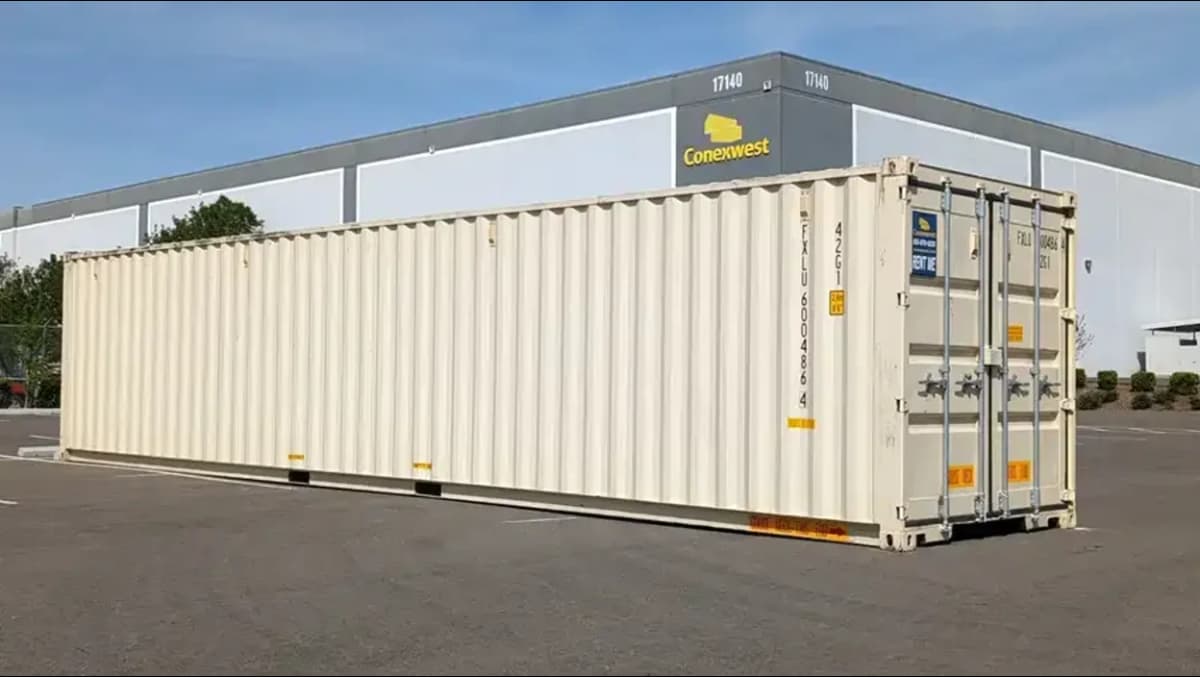
Start with your local planning office before placing a shipping container on a Washington property.
- Check local zoning first: Ask the city or county planning department whether shipping containers are allowed in your zoning district and under what conditions.
- Define the use: Explain whether the container will be used for temporary storage, construction storage, business inventory, agricultural storage, office space, a shop, or a dwelling.
- Ask about duration: Some jurisdictions treat temporary containers differently from permanent or long-term placement.
- Confirm permit requirements: Ask whether you need a building permit, temporary use permit, zoning clearance, fire review, site plan, engineering, or utility permits.
- Ask about screening and appearance: Some local rules may address paint, original markings, visibility from streets, fencing, landscaping, or screening.
- Prepare a stable base: Place the container on a stable, level surface such as gravel, concrete, piers, or another approved base to reduce settling, drainage, and moisture problems.
- Review modifications early: Doors, windows, roll-up doors, added roofs, decks, stairs, insulation, electrical, plumbing, and HVAC can affect permit and code requirements.
- Plan for utility connections: If the container will have water, electricity, sewer, septic, heating, cooling, or ventilation, ask about separate permits and inspections.
- Keep documentation: Save permits, inspection records, engineering letters, site plans, emails, and approvals in case questions come up later.
Common Washington Shipping Container Uses
Shipping containers are used across Washington for many purposes. Each use may have different zoning, permit, placement, and code implications.
| Use | Common Planning Questions |
|---|---|
| Temporary construction storage | Is it tied to an active building permit? How long can it remain on-site? |
| Residential storage | Is it allowed as an accessory structure? Are there size, setback, or screening rules? |
| Commercial or industrial storage | Is outdoor storage allowed? Are site-plan, fire access, or screening rules required? |
| Farm or rural storage | Is it allowed in the agricultural zone? Are there drainage, access, or setback rules? |
| Container office or shop | Does it require building code review, utility permits, ventilation, exits, and accessibility review? |
| Container home or ADU | Does the zoning allow the dwelling type? Are residential code, energy, foundation, utility, and inspection requirements met? |
Choose Conexwest for Your Washington Shipping Container Needs
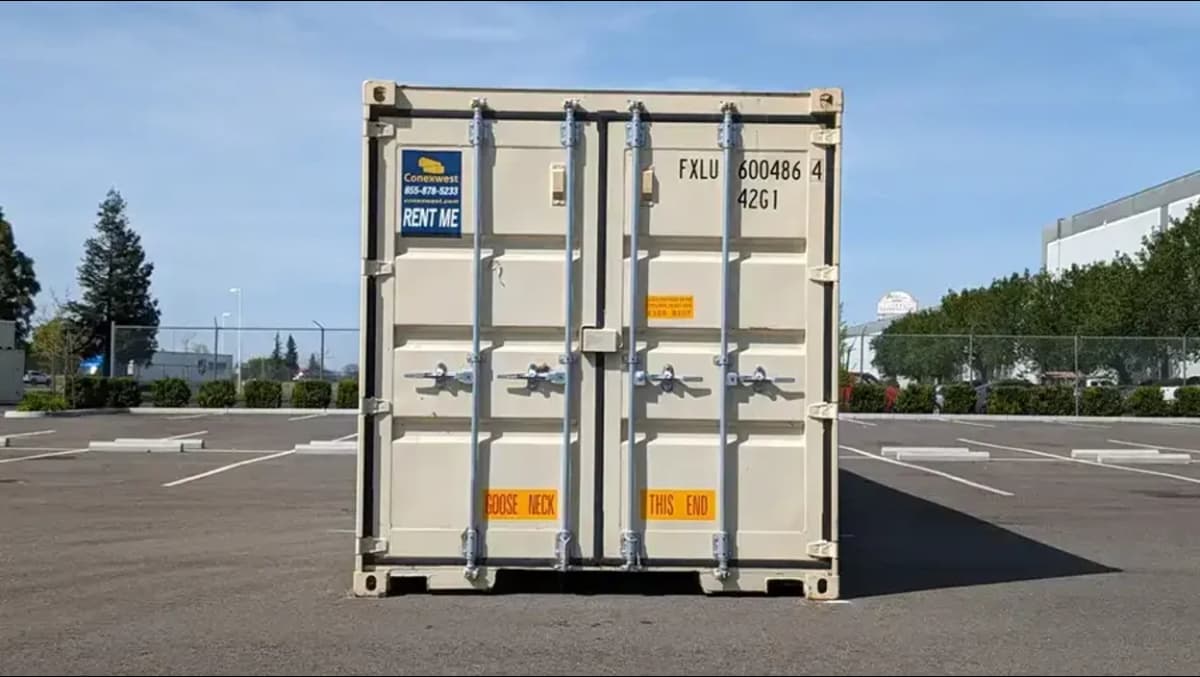
Conexwest provides new, used, and refurbished containers for storage, business, construction, agricultural, office, and custom use.
Overview
Conexwest provides shipping container sales, rentals, fabrication, repair, and delivery support for customers across the United States. Customers can choose from standard containers, high cube containers, refrigerated containers, insulated containers, mobile office containers, and modified container options.
Why Choose Conexwest
- Wide range of options: Conexwest provides standard and modified containers for storage, business, jobsite, agricultural, refrigerated, office, and custom uses.
- Quality assurance: Containers are inspected before delivery so customers receive a unit that fits the intended condition and use.
- Custom solutions: Conexwest can modify containers for uses such as container shops, container greenhouses, granny flats, offices, storage rooms, and workshops.
- Delivery support: Conexwest can help coordinate delivery based on container size, route, access, ground conditions, and placement needs.
Was this helpful?
Frequently Asked Questions
A container may be used as part of a residential project only if local zoning allows the use and the final structure meets applicable residential building, energy, foundation, utility, fire safety, and inspection requirements.
There is no single statewide size rule for all container homes. Local jurisdictions may set minimum dwelling sizes, maximum accessory structure sizes, setbacks, lot coverage limits, height limits, and design standards. Confirm requirements with the local planning office.
It depends on the project. Simple storage placement may not require a contractor, but modified, occupied, utility-connected, or permanent structures often require licensed professionals for engineering, electrical, plumbing, mechanical, foundation, and inspection work.
Confirm zoning, allowed residential use, setbacks, access, utilities, septic or sewer availability, water supply, fire access, environmental restrictions, HOAs, and whether container-based homes are allowed before buying land.
Setbacks are minimum distances between structures and property lines, roads, easements, shorelines, or other protected areas. They vary by jurisdiction and zoning district.
Conexwest provides a wide variety of shipping containers, including standard, high cube, insulated, refrigerated, freezer, and office containers in sizes from 10ft to 45ft, depending on availability.