
Container homes may be possible in San Francisco when the project meets zoning, building, seismic, fire, energy, utility, and permit requirements. Rules vary by property and project scope, so owners should confirm requirements with local officials and qualified professionals.
Container Homes San Francisco: Laws, Cost & Build Ideas
San Francisco Container Home Laws, Costs & Build Ideas
Sky-high housing costs, compact lots, and limited buildable space have made San Francisco a natural place for creative housing ideas. Shipping container homes are one option property owners consider for backyard ADUs, compact homes, studios, rooftop concepts, mixed-use spaces, and custom residential projects.
A container home can be efficient, modern, and visually distinctive, but it is not a shortcut around local building rules. In San Francisco, a shipping container used as living space must be planned like other residential construction. That means zoning review, building permits, structural engineering, seismic design, energy compliance, utilities, fire and life-safety planning, foundations, insulation, ventilation, and site access all matter.
This guide explains San Francisco container home laws, cost factors, build ideas, zoning considerations, and how Conexwest can help with container selection, modifications, and delivery. To shop local inventory, visit Conexwest shipping containers for sale in San Francisco.
Key Takeaways
- Container homes may be possible in San Francisco when the project meets zoning, building, seismic, fire, energy, utility, and permit requirements.
- Shipping containers are often considered for ADUs, backyard studios, compact homes, rooftop additions, mixed-use spaces, and custom multi-container layouts.
- San Francisco projects require careful review of earthquake design, hillside conditions, urban access, utilities, insulation, ventilation, and neighborhood restrictions.
- Total cost depends on container size, condition, engineering, permits, foundation, site work, utilities, insulation, HVAC, plumbing, electrical, finishes, delivery, and contractor labor.
- Conexwest offers San Francisco shipping containers for sale, container delivery, and modification options for doors, windows, insulation, flooring, HVAC, electrical, and more.
Can You Build a Container Home in San Francisco?
A container home may be possible in San Francisco, but the container must be converted into a legal structure that meets the requirements for the intended use. A container used for storage is not reviewed the same way as a container used for sleeping, cooking, bathing, or permanent occupancy.
Once a container becomes a dwelling unit, it may need architectural plans, structural engineering, building permits, trade permits, inspections, utility connections, energy documentation, foundation design, and local approvals. Requirements depend on the property, zoning, project scope, whether the unit is attached or detached, and whether the project is a primary dwelling, ADU, backyard unit, or other structure.
Start with official San Francisco guidance from the San Francisco Department of Building Inspection, DBI Permit Services, and the city’s Accessory Dwelling Unit resources.
San Francisco Container Home Laws and Permits
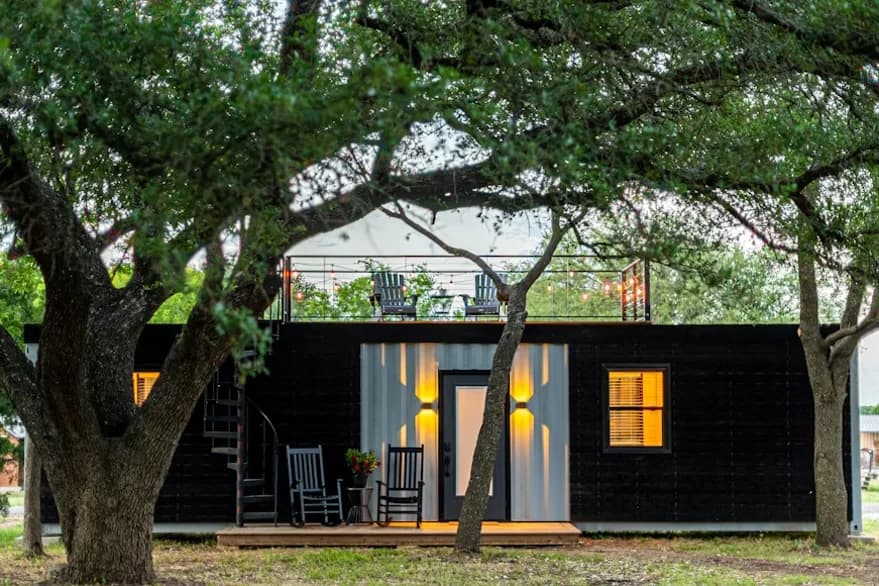
Container homes in San Francisco are not approved simply because they use steel shipping containers. The city reviews the final use, design, foundation, utilities, safety features, structural work, and compliance with local and state requirements.
Common review items may include:
- Zoning and allowed residential use
- ADU eligibility
- Building permit review
- Structural engineering
- Foundation and anchoring design
- Seismic design
- Electrical permits
- Plumbing permits
- Mechanical permits
- Energy code documentation
- Fire access and life-safety requirements
- Utility connections and inspections
- Hillside, historic, HOA, coastal, or neighborhood restrictions when applicable
Property owners should confirm local requirements before buying containers or starting fabrication. A licensed architect, structural engineer, contractor, and local permitting professional can help determine what is allowed on the specific lot.
Building Code Compliance
San Francisco container homes must comply with applicable building, residential, fire, energy, plumbing, mechanical, and electrical requirements. California’s building standards are administered through Title 24, while San Francisco applies local review and permitting requirements through DBI and related agencies.
Container projects may need to address:
- Structural safety
- Seismic performance
- Foundation design
- Fire-rated assemblies when required
- Proper egress
- Energy efficiency
- Insulation and ventilation
- Plumbing and electrical safety
- Accessibility requirements when applicable
ADU Opportunities
ADUs are one of the most common ways San Francisco property owners explore compact housing. A container-based ADU may be used as a backyard rental unit, family suite, guest space, or compact residential unit when designed and permitted as a legal dwelling.
San Francisco provides official guidance for ADUs, including code-related design requirements and the permit process. Review the city’s ADU design guidance and ADU permit process before planning a container-based unit.
Zoning Considerations
San Francisco zoning varies by district, lot, neighborhood, property type, and project scope. A container home must comply with the same zoning controls that apply to other residential construction, including allowed use, density, height, setbacks, open space, lot coverage, and design review when applicable.
Before purchasing containers, review the property’s zoning through San Francisco Planning zoning resources and confirm requirements with qualified local professionals.
Seismic and Structural Planning
Earthquake safety is a major issue for San Francisco projects. Shipping containers are strong at their frame and corner posts, but residential conversion changes the structure. Cutting openings for windows, doors, skylights, or connecting multiple containers can affect load paths and may require reinforcement.
A container home project should account for foundation anchoring, lateral loads, structural reinforcement, welded or bolted connections, openings, stacking, and utility penetrations. These details should be reviewed by qualified professionals before fabrication.
San Francisco Container Home Cost Factors
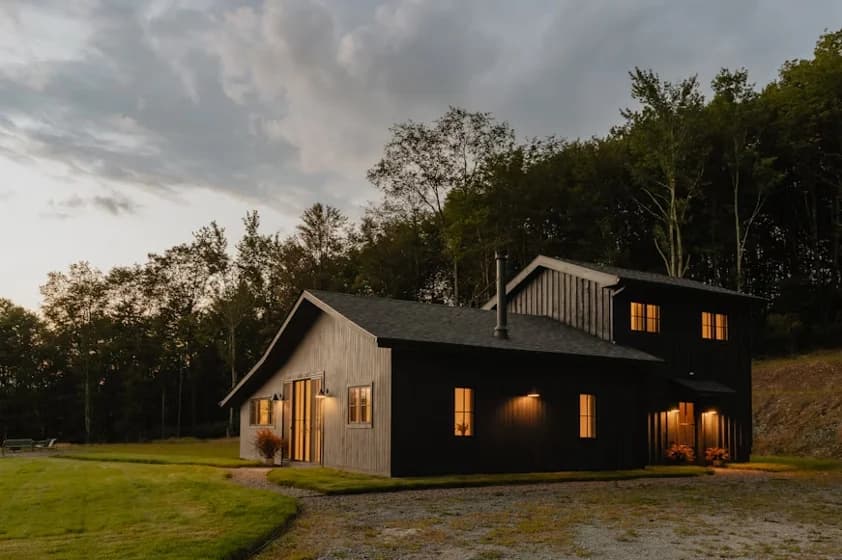
The container itself is only one part of the total project cost. A code-compliant container home in San Francisco can require design, engineering, permits, foundation work, utilities, seismic review, insulation, HVAC, plumbing, electrical, windows, doors, finishes, delivery, and contractor labor.
Container Shell Cost
Container pricing depends on size, condition, availability, delivery ZIP code, and whether the unit is new, used, refurbished, or one-trip. A used 20ft shipping container may be enough for basic concepts or small storage needs, while a 40ft shipping container or 40ft high cube container may be better for residential layouts that need more usable space.
For a cleaner starting point, many customers consider one-trip containers. Learn more in Conexwest’s guide to one-trip shipping containers.
Foundation and Site Work
Foundation costs depend on soil conditions, slope, access, drainage, seismic design, and the number of containers. Flat lots may be simpler than hillside lots, while tight urban lots may require additional planning for delivery, craning, staging, or limited street access.
Foundation options may include slab, pier, grade beam, or engineered systems designed for the site. Final design should be handled by qualified professionals familiar with local requirements.
Utility Connections
A container home may require water, sewer, electrical, gas, solar, internet, drainage, and mechanical systems depending on the design. Utility costs can vary significantly based on the distance to existing services, trenching, panel upgrades, plumbing layout, and whether the project is a primary home or accessory dwelling unit.
Interior and Exterior Finishes
Interior finishing often includes insulation, framing, drywall or wall panels, flooring, cabinetry, lighting, appliances, plumbing fixtures, and HVAC. Exterior finishing may include paint, cladding, stucco, wood accents, metal panels, roof systems, decks, shade structures, and weather protection.
Cutting openings for windows and doors can require reinforcement. Larger openings, open-concept layouts, rooftop additions, and multi-container connections should be reviewed by a structural engineer.
Total Budget Planning
| Project Type | Typical Cost Drivers | Planning Notes |
|---|---|---|
| Single-container studio | Container shell, insulation, compact utilities, bathroom, kitchenette, HVAC, foundation | Works best with a simple layout and limited structural cuts. |
| Container ADU | Permits, engineering, residential utilities, foundation, finishes, access, inspections | Must be reviewed as a legal dwelling unit, not just a container placement. |
| Multi-container home | Engineering, reinforcement, joining containers, larger foundation, utilities, full interior buildout | Offers more space but adds structural and permitting complexity. |
| Hillside or tight urban lot | Site access, crane placement, special foundation, grading, retaining walls, delivery coordination | Requires early review of access, staging, slope, and local restrictions. |
For current container pricing, visit Conexwest shipping containers for sale in San Francisco.
Popular San Francisco Container Home Design Ideas
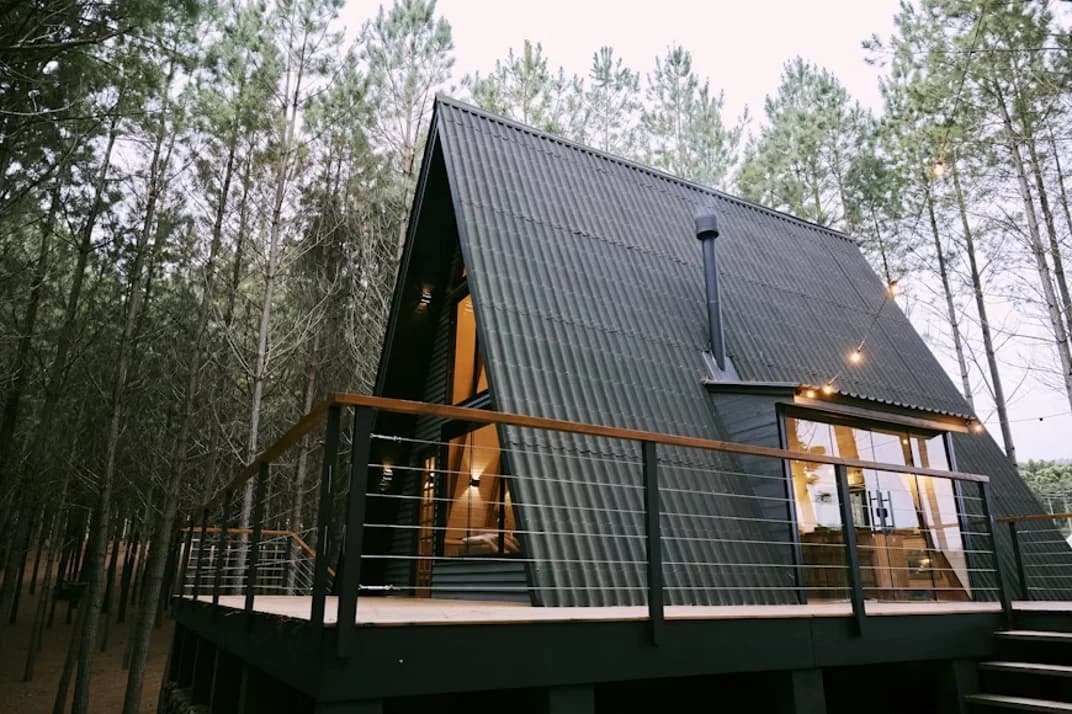
San Francisco’s hills, dense lots, fog, wind, and neighborhood character all influence container home design. The best concepts are not only creative, but also realistic for permitting, engineering, delivery, and long-term use.
1. Hillside Container Homes
Hillside container concepts can take advantage of views and compact lot conditions, but they require serious engineering. Slope, soil, foundation design, retaining walls, crane access, and structural anchoring should be reviewed before buying containers.
2. Rooftop Additions
Rooftop container concepts can add space where ground-level area is limited, but they require structural review of the existing building. The roof structure, load capacity, access, fire requirements, utilities, and neighborhood rules must be evaluated before planning this type of project.
3. Multi-Container Layouts
Larger lots may support multi-container layouts arranged around a courtyard, side yard, or shared outdoor space. These designs can create separate zones for sleeping, living, cooking, work, and storage.
Multi-container layouts require careful planning because joining containers, cutting walls, and stacking units can affect the structure.
4. Backyard ADUs
A backyard ADU is one of the most practical San Francisco container home concepts. A single 20ft or 40ft container can become the starting point for a compact unit, while larger designs may use multiple containers.
Space-saving features such as Murphy beds, built-in storage, sliding doors, compact kitchens, and efficient bathrooms can help make small layouts more usable.
5. Mixed-Use Studio Spaces
Some San Francisco property owners consider container structures that combine work and living functions, such as a backyard office with a bathroom, studio space, or accessory structure. If the space will be used for sleeping or full-time residential occupancy, it should be reviewed as a dwelling unit.
For more planning ideas, read Conexwest’s guide to shipping container home plans and floor designs.
Build Process for a San Francisco Container Home
The container home build process varies by project, but most San Francisco projects follow the same general path: feasibility review, design, engineering, permitting, site preparation, container delivery, fabrication, utility connections, finishes, inspections, and final approval.
1. Confirm Zoning and Feasibility
Before buying containers, confirm whether the property can support the intended project. Check zoning, ADU rules, lot coverage, setbacks, height limits, open space, utility access, fire access, hillside restrictions, HOA rules, and any special neighborhood controls.
2. Create the Design and Engineering Package
Work with qualified professionals to create plans that address layout, structure, foundation, seismic anchoring, utilities, energy performance, egress, fire safety, and accessibility when applicable.
3. Submit for Permits
Permit requirements depend on the project scope and location. ADUs, primary homes, rooftop additions, hillside lots, and multi-container structures may each require different levels of review. Complete applications with accurate plans and engineering can help avoid avoidable delays.
4. Prepare the Site
Site preparation may include clearing, grading, foundation work, drainage, utility trenching, staging areas, delivery access, crane planning, and temporary protection for neighboring properties or public areas.
5. Modify the Containers
Container modifications can happen off-site or on-site depending on the project. Standard modifications include cutting openings, reinforcing steel, adding windows and doors, installing insulation, preparing utility openings, and applying exterior finishes.
For more details, read Conexwest’s shipping container modifications guide and the guide to installing windows in shipping containers.
6. Complete Interior Finishes
Interior finishing can include insulation, framing, drywall or panels, flooring, cabinets, kitchen fixtures, bathroom fixtures, electrical trim, lighting, HVAC, doors, and finish details.
For planning support, see Conexwest’s guides to shipping container kitchens and shipping container bathrooms.
How Conexwest Can Help With Your San Francisco Container Project
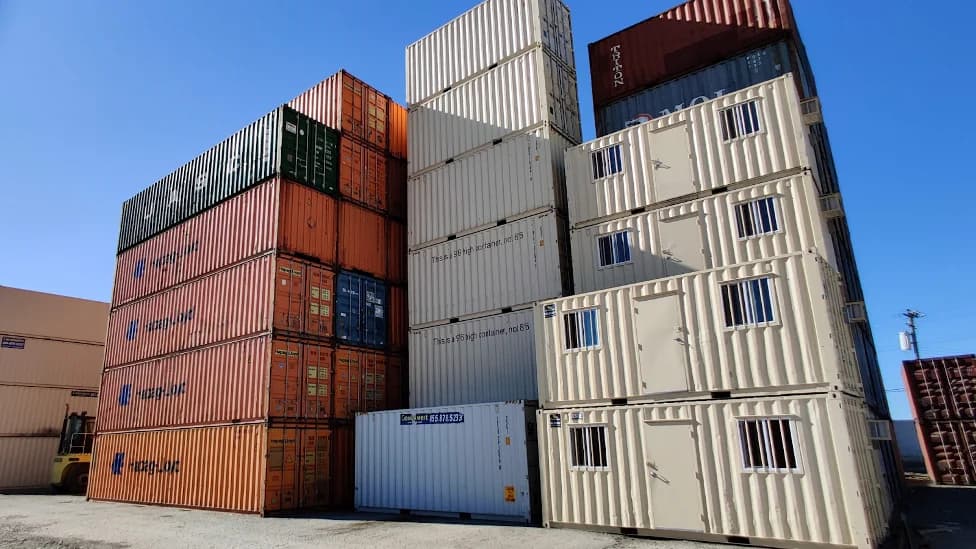
Conexwest can help San Francisco customers choose containers for storage, office, residential concepts, ADUs, custom builds, and other container projects. Customers can compare container sizes, conditions, heights, and modification options before ordering.
Conexwest can support:
- San Francisco container sales: Shop shipping containers for sale in San Francisco, including multiple sizes and condition options.
- Container selection: Compare 20ft, 40ft, high cube, one-trip, used, and refurbished containers based on the project.
- Fabrication options: Add doors, windows, insulation, flooring, HVAC, electrical, shelving, paint, and security upgrades.
- Delivery planning: Review site access, placement needs, clearance, hills, narrow streets, and delivery requirements before the container arrives.
- Custom project support: Prepare containers for offices, storage, retail, studios, backyard units, and residential concepts.
Conexwest does not replace your architect, engineer, contractor, or permitting authority. For San Francisco container home projects, customers should work with qualified local professionals to confirm zoning, permit, code, seismic, utility, and construction requirements before building.
Related San Francisco and Container Home Guides
If you are planning a San Francisco container home or ADU project, these Conexwest guides may also help:
- Shipping Containers for Sale in San Francisco
- California Shipping Container Zoning Laws, Permits & Building Code Requirements
- Shipping Container Homes vs. Traditional Homes: Cost Comparison
- How Much Does a Shipping Container Home Cost?
- Shipping Container Home Plans & Floor Designs
- Shipping Container Modifications: Complete Guide
- One-Trip Shipping Containers: Meaning, Cost, Pros & Cons
Was this helpful?
Frequently Asked Questions
A shipping container may be used as part of an ADU concept if it is designed and permitted as a legal dwelling unit. The project must meet residential requirements for structure, utilities, safety, energy performance, and occupancy.
Yes. Residential container home projects usually require permits. Additional permits may be needed for electrical, plumbing, mechanical, foundation, utility, and site work depending on the project.
A properly engineered container home can be designed for seismic requirements, but the container must be anchored, reinforced, and reviewed as part of the full structural system. Openings, stacking, and multi-container connections require professional engineering.
Cost depends on container size, condition, number of containers, design, engineering, permits, foundation, utilities, insulation, HVAC, plumbing, electrical, windows, doors, finishes, delivery, and contractor labor. Current container pricing should be checked through Conexwest product pages.
A 20ft container may work for compact spaces, while a 40ft container provides more room for living areas, bathrooms, kitchens, or storage. High cube containers can be useful when extra interior height is important.
Conexwest offers modification options such as doors, windows, insulation, flooring, HVAC, electrical, shelving, paint, and security upgrades. Residential projects still require local design, engineering, permits, and contractor review.
Conexwest offers shipping containers for sale in San Francisco, including multiple sizes and condition options. Customers can shop local container options and review delivery information through the San Francisco city sales page.