
A well-maintained shipping container kitchen can last anywhere from 15 to 25 years or more. The lifespan depends on factors such as the quality of the container, the environment it's placed in, and the level of maintenance it receives.
Shipping Container Kitchens vs Traditional Kitchens: Pros, Cons, and Costs
Shipping Container Kitchens vs Traditional Kitchens – Pros, Cons & Costs
Key Takeaways
- Shipping container kitchens are more cost-effective with initial costs lower compared to traditional kitchens.
- Customization options are more extensive in traditional kitchens, but shipping container kitchens are also very flexible.
- Shipping container kitchens are environmentally friendly as they use recycled materials and reduce the need for new construction.
- Traditional kitchens may have higher resale value, but shipping container kitchens are gaining popularity for their modern appeal.
- At Conexwest, we help you build a shipping container kitchen from scratch with our extensive fabrication services.
Pros And Cons Of Traditional Kitchens
Pros
- Ample Space: Traditional kitchens are generally larger, which makes them more suitable for high-volume cooking and accommodating several staff members.
- Established Design Standards: They are often built as per established codes for both safety and functionality in commercial settings.
- Aesthetic Appeal: High-end finishes and fixtures can enhance the look of the kitchen, whether in a home or a restaurant.
- Long-Term Investment Value: A well-designed traditional kitchen can increase the value of a property.
Cons
- High Initial Costs: Building a traditional kitchen can cost over $100,000 as per SeaCanFox.
- Longer Construction Time: Construction often takes several months because of the work needed for plumbing, electrical systems, and finishing touches.
- Fixed Location: Once built, these kitchens are permanent and can’t be moved without significant expense.
- Higher Maintenance Costs: Over time, traditional kitchens may require frequent maintenance for materials like cabinetry and countertops.
Conexwest, a leader in shipping and storage solutions based in Northern California, offers new, used, and refurbished containers from 10ft to 45ft, with fast delivery within 3–7 days and container fabrication options like adding shelves and locks. We serve over 10,000 customers nationwide, including prestigious clients like the U.S. Navy and Google. As an ISO 9001 and AWS-certified company, we ensure top quality and competitive pricing. |
Pros And Cons Of Shipping Container Kitchens
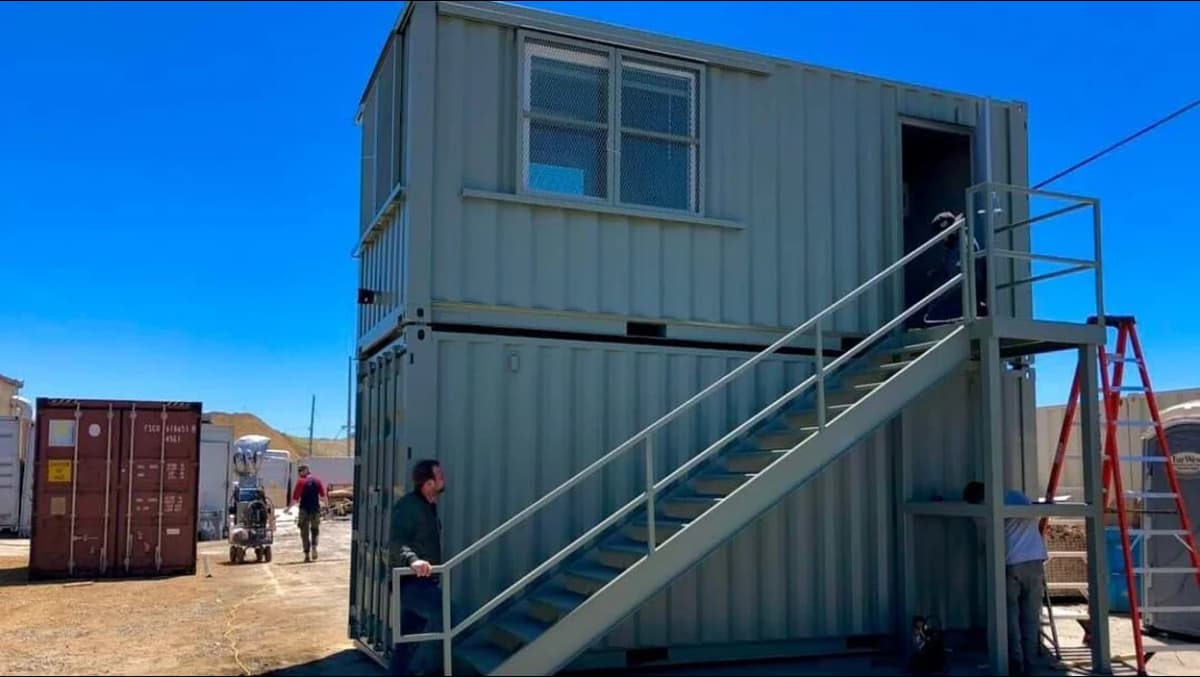
You can easily join multiple containers to expand usable space.
Pros
- Cost-Effective: These kitchens typically cost $20,000 to $50,000, which is much cheaper compared to traditional kitchens that can go well over $100,000.
- Quick Setup: Modifications for shipping container kitchens are usually completed within 8 to 12 weeks, much faster than the months it can take to build a traditional kitchen.
- Mobility: Since shipping containers are portable, you can relocate the kitchen if needed
- Sustainability: Repurposing containers helps the environment by reusing materials that might otherwise be discarded.
- Customizable Layouts: Containers can be modified for various needs, which allows you to design a setup that suits your culinary operations.
Cons
- Space Limitations: Containers may feel tight, particularly when multiple staff members or larger equipment are involved.
- Insulation and Ventilation Challenges: Adding insulation and proper ventilation is necessary for comfortable working conditions, which can increase initial costs.
- Regulatory Navigation: Getting permits for these kitchens can be complicated, depending on local rules, and might require expert assistance.
Read More: Guide to Build a Shipping Container Shop
Cost Comparison Of Traditional Kitchens And Shipping Container Kitchens
Traditional Kitchens
Initial Costs:
- Average Cost: Remodeling a traditional kitchen costs between $15,000 and $50,000, depending on the materials and design. Building it from scratch can exceed $100,000, especially with premium finishes and appliances.
- Construction Costs: Labor costs for installation add significantly to the budget, often accounting for 20-35% of the total expenses.
Long-Term Maintenance:
- Maintenance for traditional kitchens can be higher due to wear on materials like wood cabinets and countertops. These elements may need updates or replacements every 10-15 years, adding to the overall cost over time.
Shipping Container Kitchens
Initial Costs
- Average Cost: Shipping container kitchens generally cost $20,000 to $50,000.
- Customization Costs: Even with added customizations, the total expense often remains lower than building a traditional kitchen.
Long-Term Maintenance
- Shipping container kitchens are built for durability and require less maintenance. Their resistance to pests and harsh weather helps minimize upkeep costs over the long term.
* These prices are just an estimate and are subject to change. Contact us to get the exact pricing.
Read More: Guide to Build a Shipping Container Home or Apartment
Why Choose Conexwest For Your Shipping Container Kitchen
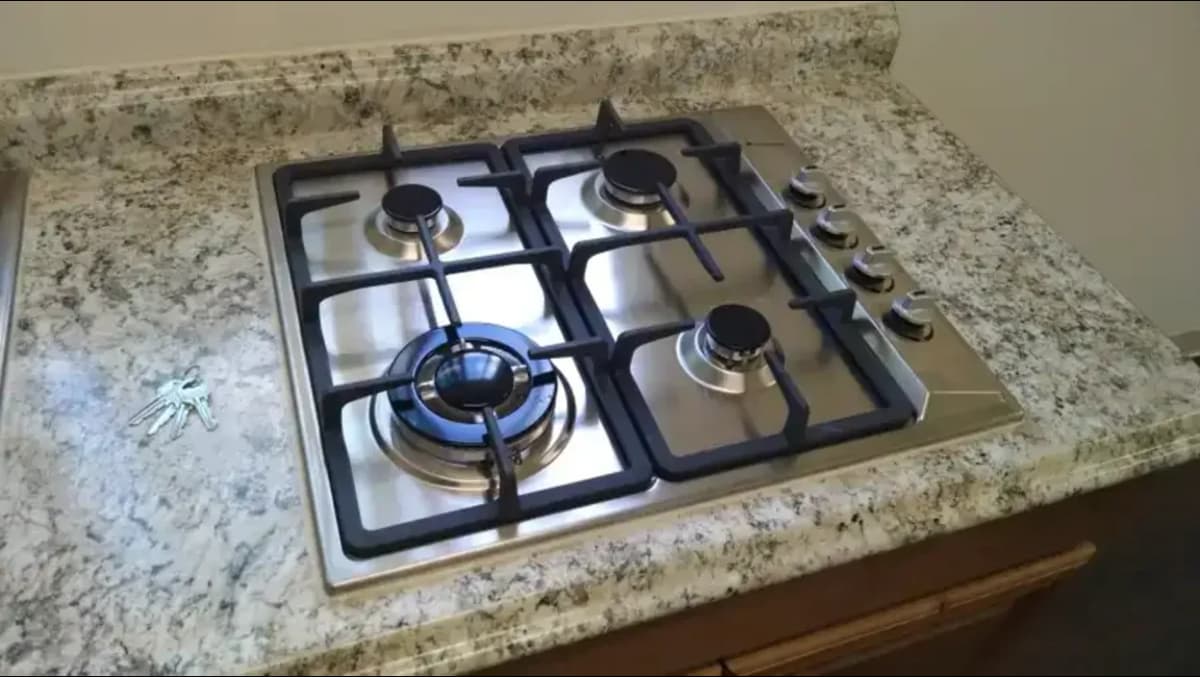
Adding a kitchenette is only one of the customizations we can make for your shipping container kitchen
If you’re planning to build a shipping container kitchen, we are ready to help you at every stage. With our experience in modifying shipping containers, we can create a kitchen as per your needs.
Here’s why we stand out:
1. Custom Design and Modifications
With us, you can decide the size, layout, and features that suit your cooking style and space requirements and we will meet your needs.
2. Quality Containers
We provide durable containers designed to withstand environmental conditions like snow and rain so that your kitchen remains functional and dependable for years to come.
3. Efficient Process
Our team keeps the process smooth and efficient - from the initial consultation to delivery. Plus, our pre-fabricated options can significantly reduce setup time, so you’ll have your kitchen ready much faster than with traditional construction.
4. Ongoing Support
Our relationship with you doesn’t stop after delivery. We provide continued support to address any questions or concerns you might have so your container kitchen operates smoothly over time.
If you’re ready to move forward, contact us for a custom quote. Our team is available Monday through Saturday, from 7 AM to 6 PM, to answer your questions or help plan your project.
Was this helpful?
Frequently Asked Questions
Yes, one of the significant advantages of shipping container kitchens is their modular nature, which allows for easy expansion for growing businesses or changing needs. This adaptability is one of the reasons shipping container kitchens are rising in popularity among entrepreneurs.
When properly modified and maintained, shipping container kitchens are safe. If you choose us for your project, we make sure that all modifications meet safety standards and regulations. This includes proper ventilation, electrical wiring, and structural integrity.
- Spray foam insulation is commonly used for its efficiency and ease of application.
- Rigid foam panels provide high insulation value and are often used in combination with other materials.
- Blanket insulation, such as fiberglass, is another option for those looking for traditional methods.
We provide extensive customization options. You can add features such as HVAC systems, shelves, locks, windows, and doors to create a container that suits your requirements perfectly.