
Yes, barndominiums may be possible in Georgia, but approval depends on the property, county, city, zoning district, design, and intended use. Residential barndominiums must meet applicable zoning, building code, permit, utility, foundation, and inspection requirements.
Can You Build a Barndominium in Georgia? | Laws, Cost & Expert Tips
Georgia Barndominium Laws, Costs & Building Tips
Barndominiums are gaining traction across Georgia as homeowners look for flexible layouts, open interiors, durable steel structures, and practical alternatives to conventional residential construction. From rural acreage to suburban properties, barndominium-style homes can support workshops, garages, storage areas, home offices, guest space, and large open living areas.
But a barndominium is still a building. Whether it is a post-frame home, metal building, hybrid structure, or container-inspired project, it must be planned around zoning, permits, state building codes, local requirements, utilities, foundations, insulation, ventilation, moisture control, and inspections.
This guide explains Georgia barndominium laws, cost factors, building tips, climate considerations, and how Conexwest can help with shipping containers, storage units, office containers, workshops, fabrication options, and delivery planning for barndominium-inspired projects.
Key Takeaways
- Barndominiums may be possible in Georgia, but approval depends on the county, city, zoning district, property type, design, and intended use.
- Georgia barndominiums must meet applicable state building code requirements and local zoning, permit, utility, foundation, and inspection rules.
- Rural properties may offer more flexibility, while urban areas, subdivisions, coastal counties, and HOA communities may have stricter design or placement requirements.
- Georgia’s humidity, heat, heavy rain, red clay soil, and coastal storm exposure make insulation, drainage, ventilation, moisture control, and foundation planning important.
- Conexwest supplies shipping containers for sale, storage containers, office containers, and modification options that can support barndominium-style storage, workshop, office, and custom container projects.
Can You Build a Barndominium in Georgia?
Yes, a barndominium may be possible in Georgia, but there is no single approval path that applies to every property. Georgia has statewide construction codes, but zoning, land use, permitting, inspections, and design requirements are handled locally by the city, county, or authority having jurisdiction.
A barndominium used as a residence is not treated like an agricultural storage barn or accessory structure. Once the building includes living space, sleeping areas, kitchens, bathrooms, utilities, HVAC, or permanent occupancy, it must be designed and permitted as a dwelling or mixed-use residential structure under applicable local requirements.
Before buying land, ordering a metal building kit, or purchasing containers, confirm requirements with the local planning department, building department, health department, utility provider, HOA, and qualified design professionals.
Georgia Barndominium Laws and Building Code Requirements
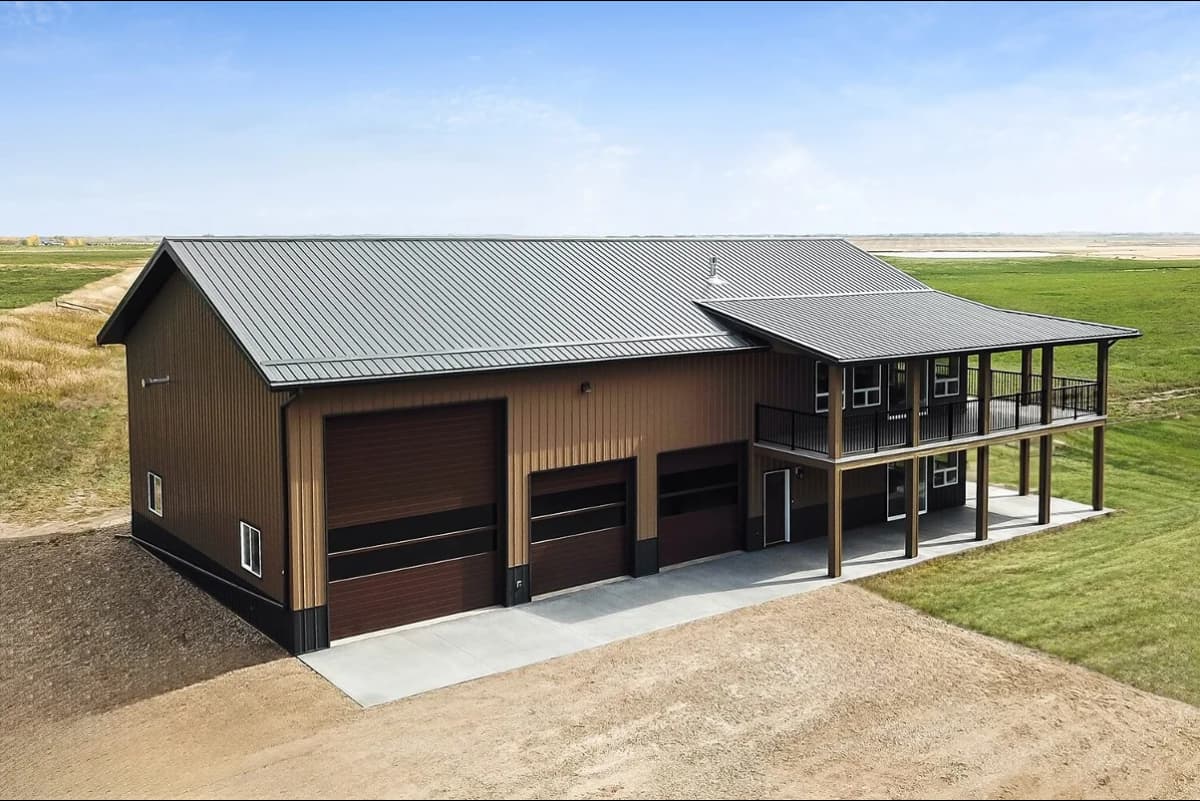
Georgia barndominium approvals depend on both statewide construction codes and local zoning, permit, and inspection requirements.
State Building Codes
Georgia’s Department of Community Affairs maintains the current state minimum standard codes for construction. These codes cover building, residential, energy, mechanical, plumbing, fuel gas, electrical, fire, and other construction requirements depending on the project.
For residential barndominiums, code review may include:
- Structural design
- Foundation design
- Wind and lateral-load requirements
- Fire safety and egress
- Electrical systems
- Plumbing systems
- Mechanical and HVAC systems
- Insulation and energy performance
- Moisture control and ventilation
- Inspections before occupancy
Barndominiums with large open spans, metal frames, attached shops, mezzanines, garages, or mixed residential and commercial-style spaces may require professional engineering.
Local Zoning Restrictions
Local zoning determines where a barndominium can be built and how it can be used. Agricultural, rural residential, and large-lot residential properties may offer more flexibility, while urban, suburban, coastal, and HOA-controlled areas may have more restrictions.
Local zoning may regulate:
- Allowed residential use
- Minimum dwelling size
- Setbacks from property lines
- Building height
- Lot coverage
- Exterior materials
- Garage, shop, or agricultural-use areas
- Driveway and access requirements
- Septic, well, sewer, or water requirements
- Accessory dwelling units or home business use
HOA communities may also restrict metal buildings, barn-style homes, accessory structures, exterior finishes, visible storage containers, or non-traditional architecture. Review covenants before moving forward.
Building Permits and Inspections
Most Georgia barndominium projects require a building permit before construction. Additional permits may be required for electrical, plumbing, mechanical, septic, driveway, erosion control, land disturbance, or utility work.
Permit requirements vary by jurisdiction, but applications may require:
- Site plan
- Building plans
- Structural plans or engineered drawings
- Foundation details
- Energy compliance documents
- Septic or sewer approval
- Electrical, plumbing, and mechanical plans
- Contractor licensing information when required
- Inspection scheduling throughout construction
For example, the City of Atlanta explains that permitting can require additional steps depending on project type and special districts, and other Georgia cities and counties publish their own permit procedures. Always confirm with the authority that governs the property.
Agricultural vs. Residential Classification
An agricultural barn and a residential barndominium are not reviewed the same way. An agricultural building may have different requirements if it is not used for living space. Once the building includes a residence, it typically must meet residential code requirements for life safety, utilities, insulation, energy performance, ventilation, and occupancy.
Do not assume you can build an agricultural barn first and convert it into a home later without additional permits. Conversions may require full residential code upgrades, engineering, utility permits, inspections, and certificate of occupancy review.
Georgia Barndominium Cost Factors
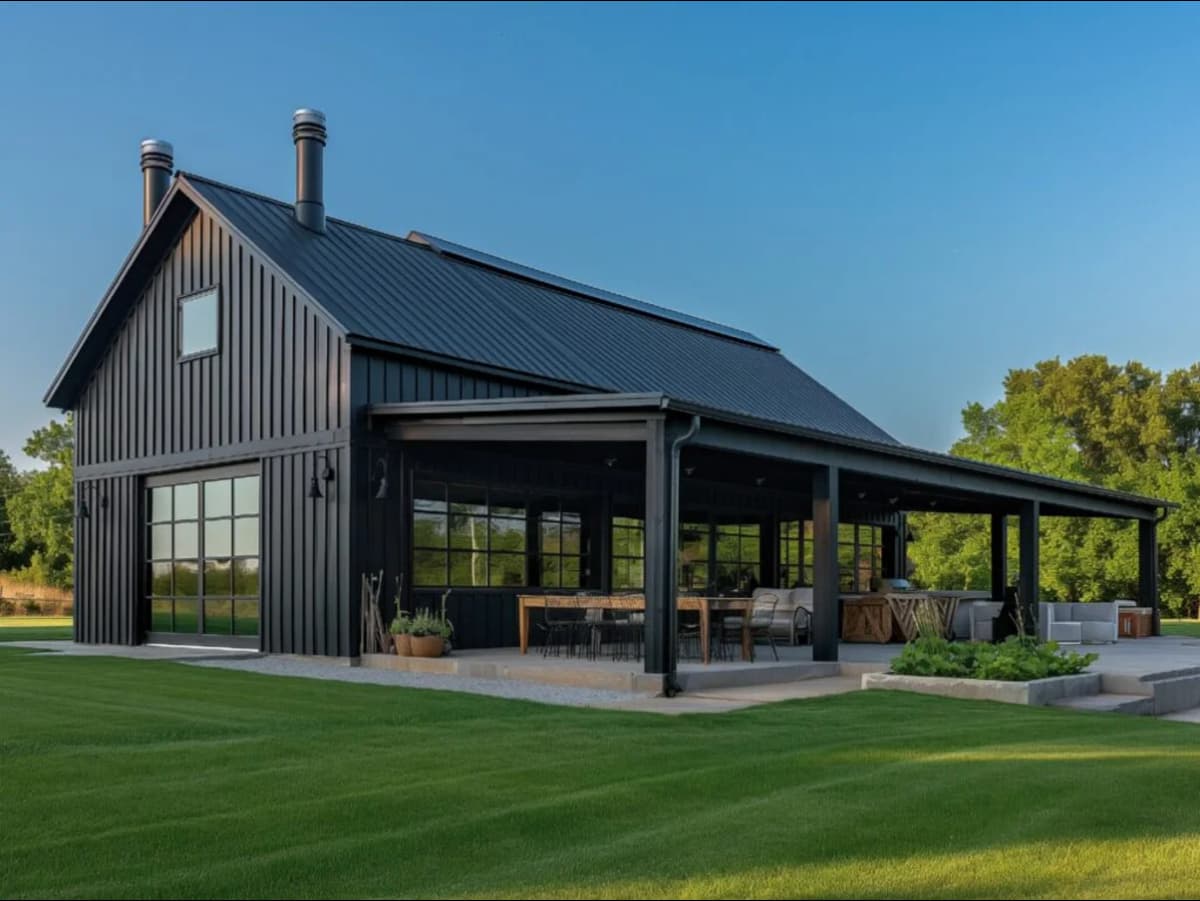
Barndominium costs in Georgia depend heavily on the building type, location, site conditions, foundation, utility access, finish level, labor market, and local permitting requirements. A simple rural shell is not comparable to a finished residential home with bedrooms, bathrooms, kitchen, HVAC, insulation, septic, utilities, and custom finishes.
Building Shell
The shell includes the structural frame, exterior walls, roof, openings, windows, doors, and exterior envelope. Costs vary based on size, roofline, wall height, framing system, engineering, wind requirements, exterior finishes, and whether the structure is a metal building, post-frame structure, hybrid home, or container-based project.
Simple rectangular buildings usually cost less than complex layouts with large glass openings, multiple rooflines, high ceilings, attached garages, or custom shop spaces.
Land and Site Preparation
Land and site preparation can be a major part of the budget. Georgia properties may require tree clearing, grading, driveway access, erosion control, drainage improvements, utility trenching, well work, septic installation, or stormwater planning.
Georgia’s red clay soil can also affect foundation design. Some sites may need soil testing, engineered slabs, deeper footings, drainage improvements, or special foundation details to reduce settlement and movement risk.
Foundation
Foundation cost depends on soil, slope, drainage, building size, structural loads, local requirements, and whether the home includes a garage, shop, or large open-span area. Foundation design should be reviewed by qualified professionals, especially for metal buildings, container structures, and hybrid designs.
Interior Finishing
Interior finishing often drives the final budget. Finished residential space may include framing, insulation, drywall or panels, flooring, cabinets, countertops, appliances, bathroom fixtures, kitchen fixtures, lighting, interior doors, trim, HVAC, electrical, plumbing, and mechanical systems.
Shop, garage, storage, or workshop areas may cost less to finish than living areas, but they still need to meet applicable code and safety requirements.
Georgia-Specific Cost Factors
Georgia’s climate and geography can create additional cost considerations:
- Humidity and condensation control
- Insulation and air sealing
- HVAC sizing and dehumidification
- Drainage and stormwater planning
- Coastal wind or flood requirements where applicable
- Red clay soil and foundation design
- Septic or well requirements on rural land
- HOA or design-review requirements
For customers comparing steel building concepts with container-based construction, read Conexwest’s guide to barndominiums vs. shipping container homes.
Georgia Weather and Climate Considerations

Georgia weather creates specific design needs. Hot, humid summers, heavy rain, seasonal storms, and coastal wind exposure can all affect barndominium performance.
Humidity and Moisture Control
Humidity is one of the biggest challenges for metal buildings and container structures in Georgia. Poor moisture control can lead to condensation, mold, corrosion, and comfort problems.
Good planning may include vapor control, air sealing, insulation, mechanical ventilation, dehumidification, roof ventilation, and drainage around the foundation.
For moisture planning, read Conexwest’s guide to condensation and moisture in storage containers and how to stop condensation in a shipping container.
Insulation and Energy Performance
Metal conducts heat quickly. Without proper insulation, Georgia barndominiums and container-based structures can become uncomfortable and inefficient. Insulation should be designed for the wall assembly, roof assembly, local climate, and moisture conditions.
For container-based projects, see Conexwest’s guide to shipping container insulation options.
Coastal Wind and Storm Planning
Coastal Georgia projects may require additional wind, flood, anchoring, opening protection, drainage, and foundation planning. Buildings should not be described as hurricane-proof. Performance depends on engineering, product selection, construction quality, site conditions, and local code requirements.
Customers planning coastal or storm-prone projects should work with licensed design professionals and confirm local requirements before ordering materials.
Barndominium Design and Building Tips for Georgia
Design for Shade and Outdoor Living
Covered porches, deep overhangs, breezeways, shaded patios, and screened outdoor areas can make a Georgia barndominium more comfortable while reducing direct sun exposure. Outdoor living space is especially useful for rural, lake, and suburban properties.
Plan the Shop and Living Areas Separately
Many barndominiums combine a residence with a garage, workshop, storage area, studio, or agricultural space. These areas may have different fire separation, ventilation, utility, and access requirements. Plan them separately during design instead of trying to solve those issues during construction.
Use Local Professionals
Georgia-based architects, engineers, contractors, and permit professionals can help address local code expectations, soil conditions, humidity, coastal exposure, and inspection requirements.
Budget Beyond the Shell
The shell is only one part of the project. Budget for site work, foundation, driveway, septic or sewer, water, electrical service, HVAC, insulation, finishes, permits, inspections, engineering, and contingency.
Avoid Common Mistakes
- Do not buy land before confirming zoning and utility requirements.
- Do not assume an agricultural building can be occupied as a home without residential approval.
- Do not undersize HVAC or ignore dehumidification.
- Do not skip drainage planning on red clay soil.
- Do not cut structural members, container corner posts, or load-bearing elements without engineering.
- Do not rely on HOA approval until you have written confirmation.
How Shipping Containers Can Support Barndominium Projects
A traditional barndominium is usually built from a metal building, post-frame system, or hybrid structure. A shipping container home is a different type of construction. However, shipping containers can still support barndominium-style properties in practical ways.
Containers can be used for:
- Tool and equipment storage during construction
- Farm and acreage storage
- Workshop space
- Detached office space
- Hobby rooms or studios
- Garage or equipment support areas
- Container-based guest units or residential concepts where allowed
- Hybrid barndominium-inspired layouts with container modules
For more comparison, read Barndominium vs. Shipping Container Home: Pros, Cons & Costs.
Conexwest Can Help with Georgia Container Projects
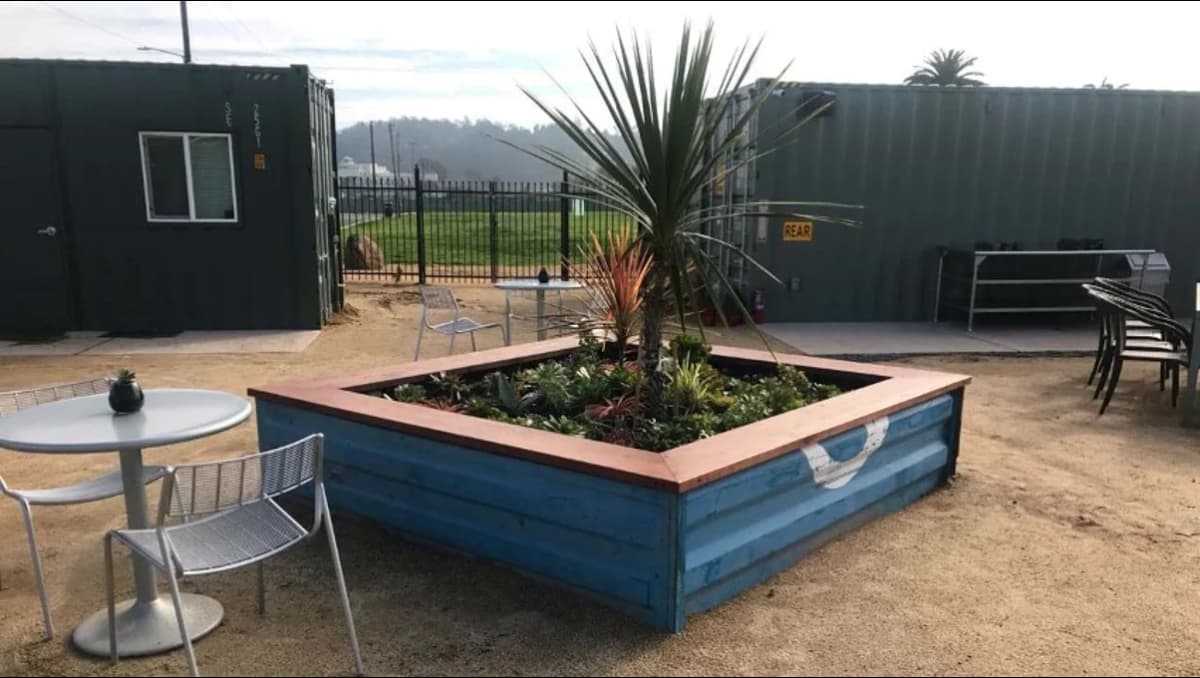
Conexwest can help Georgia customers choose shipping containers for storage, offices, workshops, residential concepts, farm support, jobsite use, and barndominium-inspired projects. Customers can compare container sizes, conditions, heights, and modification options before ordering.
Conexwest can support:
- Shipping containers for sale
- Shipping containers for sale in Atlanta, GA
- 10ft, 20ft, 40ft, and 45ft container options
- New, used, refurbished, and one-trip container options when available
- Standard and high cube containers
- Storage containers, office containers, and office/storage combo containers
- Doors, windows, insulation, flooring, HVAC, electrical, shelving, paint, and security upgrades
- Custom fabrication for purchased containers
- Delivery planning based on site access and placement needs
Conexwest does not replace your architect, engineer, contractor, HOA, city, county, or permitting authority. For Georgia barndominium and container-based projects, customers should work with qualified local professionals to confirm zoning, permit, code, foundation, utility, energy, and construction requirements before building.
Related Georgia and Container Building Guides
If you are planning a Georgia barndominium, metal home, or container-based project, these Conexwest guides may also help:
- Shipping Containers for Sale in Atlanta, GA
- Georgia Shipping Container Zoning Laws, Permits & Building Code Requirements
- Barndominium vs. Shipping Container Home: Pros, Cons & Costs
- Shipping Container Homes vs. Traditional Homes: Cost Comparison
- How Much Does a Shipping Container Home Cost?
- Shipping Container Home Plans & Floor Designs
- Shipping Container Modifications: Complete Guide
- One-Trip Shipping Containers: Meaning, Cost, Pros & Cons
Was this helpful?
Frequently Asked Questions
Yes. Most Georgia barndominium projects require building permits, and additional permits may be needed for electrical, plumbing, mechanical, septic, driveway, land disturbance, erosion control, or utility work depending on the location and scope.
Barndominiums can be cost-effective in some cases, but they are not automatically cheaper. Total cost depends on land, site work, foundation, shell design, utilities, insulation, HVAC, interior finishes, labor, permits, and local requirements.
An agricultural barn is not automatically approved as a residence. If the structure is used for living space, it may need to be permitted and inspected as a dwelling and upgraded to meet applicable residential code requirements.
Common challenges include humidity, condensation, HVAC sizing, drainage, red clay soil, foundation design, coastal wind requirements, HOA restrictions, and separating living areas from shop or garage areas.
Shipping containers can support barndominium-style properties as storage, workshops, offices, construction support, or custom container modules where allowed. A container-based residence must still meet zoning, code, permit, utility, and inspection requirements.
Conexwest can supply shipping containers, office containers, storage containers, and modification options for Georgia barndominium-inspired projects. Residential construction still requires local professionals for design, engineering, permits, utilities, and inspections.
Conexwest offers shipping containers for sale, including options for customers in the Atlanta and Georgia market. Customers can shop container sizes, conditions, and delivery options through Conexwest product and city pages.