
Signs of condensation issues include visible water droplets on the ceiling or walls of the container, damp or wet cargo, and the presence of mold or mildew.
How To Stop Condensation & Shipping Container Rain
Guide to Preventing Condensation and Shipping Container Rain
Key Takeaways
- Condensation in containers is caused by temperature changes between the interior and exterior.
- Container rain can damage cargo, cause mold growth, and lead to financial losses.
- Ventilation, desiccants, and insulation are effective ways to prevent condensation.
- Regular maintenance also helps prevent condensation issues.
- Conexwest has a wide selection of shipping containers and can install the necessary modifications to prevent container rain.
What is Container Rain
Shipping container condensation, also often referred to as container rain or container sweat, is the water droplets that form on the walls and ceiling of a shipping container due to condensation.
When warm, humid air inside the container cools, it loses its ability to hold moisture, which results in the formation of water droplets. These droplets can then drip onto the cargo and cause potential damage. This issue is prevalent when containers are transported through varying climates or go through significant temperature fluctuations during transit.
Conexwest, a leader in shipping and storage solutions based in Northern California, offers new, used, and refurbished containers from 10ft to 45ft, with fast delivery within 3-7 days and container fabrication options like adding shelves and locks. We serve over 10,000 customers nationwide, including prestigious clients like the U.S. Navy and Google. As an ISO 9001 and AWS-certified company, we ensure top quality and competitive pricing. |
Causes of Condensation in Shipping Containers
- Temperature Variations: Warm air can hold more moisture than cold air - so when temperatures drop, condensation occurs as the air cools and loses its moisture-holding capacity.
- Humidity Levels: Loading containers in humid environments introduces excess moisture. If the container is not sealed properly or lacks ventilation, this humid air can remain trapped inside. When the temperature drops during transit, this humid air cools and condenses on cooler surfaces.
- Cargo Characteristics: Goods with high moisture content (e.g., fruits and vegetables) release water vapor into the air. Packaging materials like wooden pallets or cardboard boxes can retain moisture to further increase humidity levels inside the container.
- Container Design and Maintenance: Poorly sealed containers or those with damaged gaskets can allow external humid air to infiltrate. Even minor gaps can lead to significant moisture problems if not addressed properly.
- Environmental Conditions During Loading: When containers are loaded close to bodies of water or during rainy conditions, they can start with a high moisture content that exacerbates condensation issues later on.
Effects Of Condensation On Shipping Containers
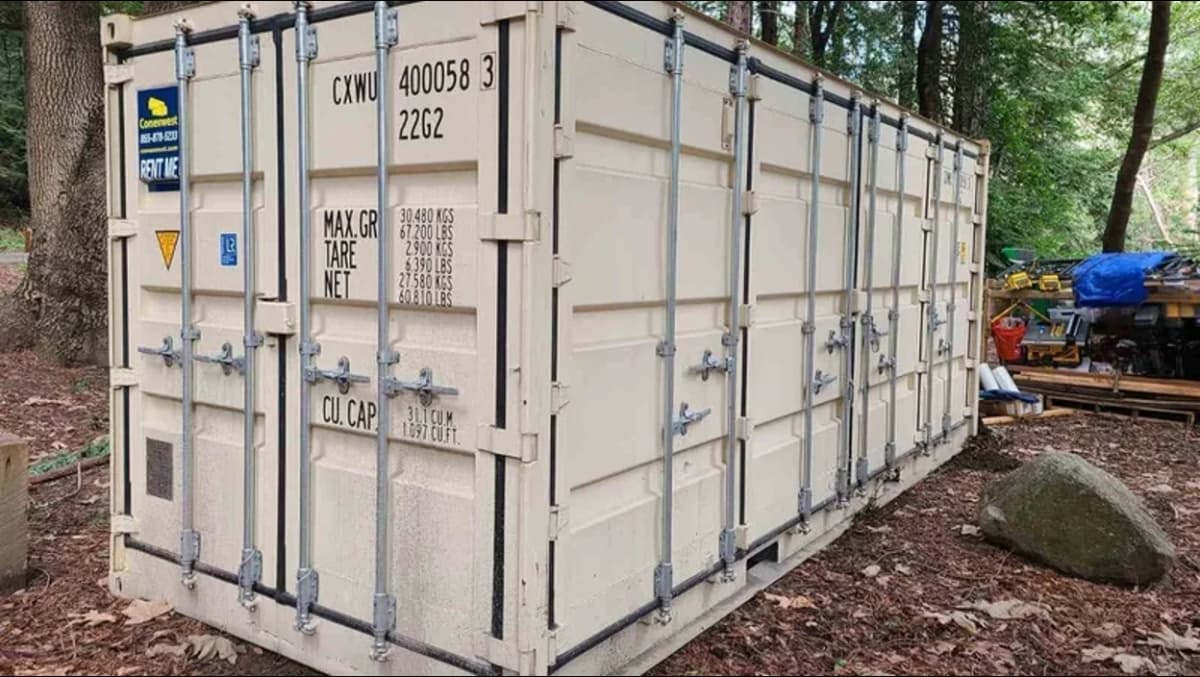
Condensation can lead to rust, corrosion, and spoilage of goods.
- Mold and Mildew Growth: Excess moisture creates a favorable environment for mold and mildew, which compromises the quality and safety of products.
- Corrosion: Increased humidity accelerates rust formation on metal components to reduce their longevity and functionality.
- Deterioration of Packaging: Moisture can warp, stain, or weaken packaging materials and lead to product exposure and potential damage.
- Spoilage of Perishable Goods: Water droplets can cause decay in perishable goods.
- Financial Losses: Damage from condensation results in significant financial losses for cargo owners and shipping companies due to spoilage and necessary replacements.
- Supply Chain Disruption: Moisture-related damages can lead to delays and complications in the supply chain and affect delivery schedules.
- Bad Odor: Accumulated moisture can lead to unpleasant odors in the container and impact the quality perception of the goods.
How To Stop Condensation and Container Rain
1. Desiccants
Desiccants are hygroscopic substances that absorb excess humidity from the air to keep the interior environment dry. Various types of desiccants are available, including silica gel and clay-based options, which can be placed throughout the container to maximize their effectiveness.
2. Ventilation
Vents can improve air circulation so humid air can escape and fresh air can enter. This helps maintain a consistent temperature inside the container and reduces the likelihood of condensation forming on cooler surfaces.
3. Insulation
Insulating can help stabilize internal temperatures and reduce extreme fluctuations that contribute to condensation. This protects cargo from container rain and improves thermal performance, which makes the container suitable for transporting sensitive items.
4. Moisture-Proof Seals
Equipping shipping containers with moisture-proof seals and gaskets is essential for preventing external humidity from entering. Regular inspections should be conducted to check for any damaged or worn seals that could allow moisture infiltration.
4. Weather Monitoring
By monitoring and anticipating weather patterns, shipping companies can adjust their schedules or routes accordingly - and minimize exposure to extreme conditions that could lead to condensation inside containers.
5. Dehumidifiers
Although more complex and costly, dehumidifiers or air conditioning units can effectively control humidity levels inside shipping containers. These devices work by actively removing moisture from the air to maintain a stable and dry environment for sensitive cargo.
However, they require a reliable power source to function continuously, which may limit their practicality in some shipping scenarios.
Choose Conexwest For Your Shipping Container Needs
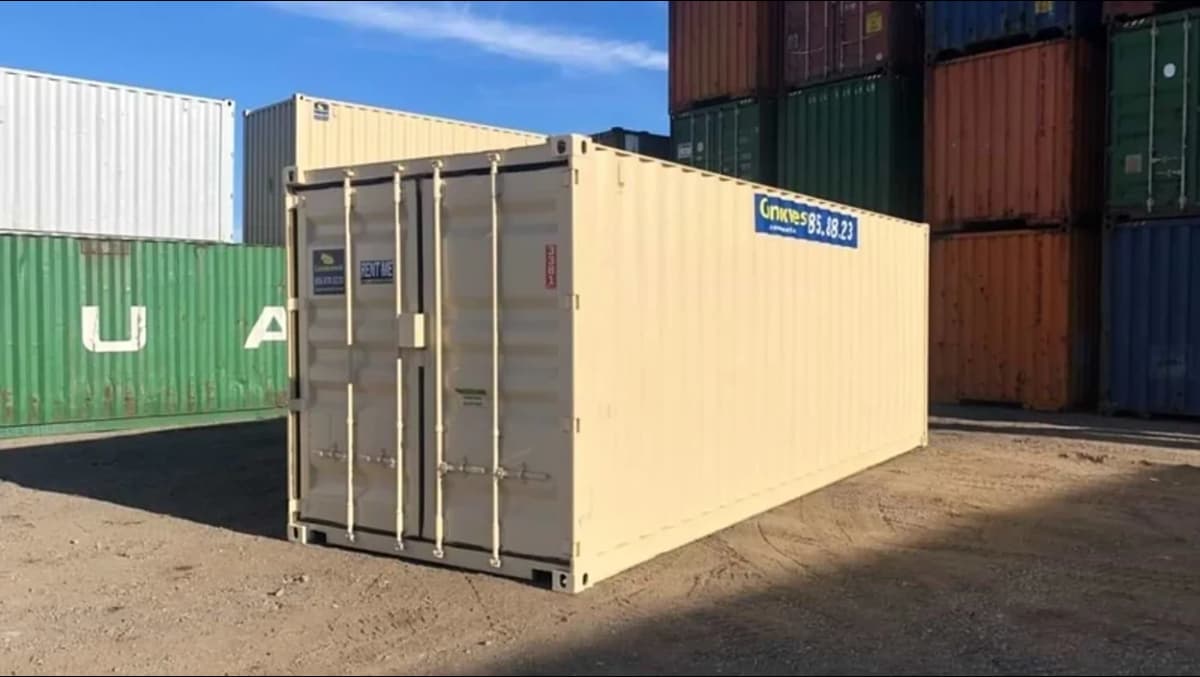
Consult with Conexwest’s experts for assistance with stopping shipping container rain
Why Choose Conexwest
- Sales of New and Used Containers: We have a wide range of new, used, and refurbished shipping containers for sale to meet various needs and budgets.
- Container Rentals: Flexible rental options are available for short-term or long-term needs.
- Custom Modifications: We do custom modifications, including insulation, shelving, doors, and windows to adapt each container for varying needs.
- Delivery Services: We deliver containers to your desired location.
Was this helpful?
Frequently Asked Questions
There are two main types of condensation: visible and concealed.
Common desiccants used in shipping containers include silica gel, calcium chloride, and activated clay. These materials effectively absorb moisture from the air and help maintain a dry environment inside the container.
Certain types of cargo, such as food products or materials like wood and paper, can release moisture into the air within the container - which increases the risk of condensation.
Yes, our containers are built from durable corten steel to withstand various environmental conditions.