
Rental prices vary by size, container type, delivery ZIP code, rental duration, pickup, power setup, and availability. Example online starting rates include 20ft refrigerated container rentals as low as $799 and 40ft refrigerated container rentals as low as $899. Request a current quote for exact Boston pricing.
Refrigerated Shipping Containers in Boston, Massachusetts | Conexwest
Refrigerated Shipping Containers in Boston, Massachusetts: Reefer Storage Sizes, Prices & Delivery
Refrigerated shipping containers, also known as reefers, provide secure temperature-controlled storage for Boston businesses that need flexible cold storage without building a permanent cooler or freezer. From restaurants and food distributors to seafood suppliers, event vendors, medical facilities, florists, universities, and warehouse operators, reefer containers make it easier to store temperature-sensitive products directly on-site.
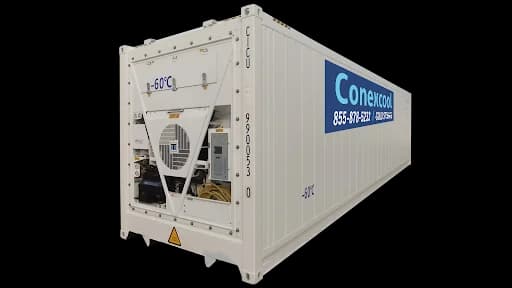
Boston is a strong market for refrigerated containers because of its food service industry, healthcare and biotech activity, event calendar, port-connected logistics, and dense commercial districts. The Port of Boston’s Conley Terminal supports regional container movement, while restaurants, grocers, hospitals, labs, hotels, and event operators often need temporary refrigeration for overflow, renovations, emergencies, and seasonal demand.
Conexwest provides refrigerated containers for rent and sale in Boston, Massachusetts, with local service supported through the Boston, MA 02127 yard. For local availability, visit shipping containers for sale in Boston, Massachusetts or explore temperature-controlled storage containers.
Key Takeaways
- Refrigerated containers are used for food, beverages, seafood, pharmaceuticals, flowers, medical supplies, events, and warehouse overflow.
- Common Boston reefer options include 20ft and 40ft refrigerated containers.
- Standard Conexwest refrigerated rentals can maintain temperatures from approximately -20°F to +70°F.
- Ultra-low freezing to -40°F may be available by special request and should be specified when ordering.
- Most standard reefer rentals require 460V WYE 3-phase power at 25 amps.
- Single-phase refrigerated options may be available for sites without three-phase power.
- Permit requirements depend on placement, property type, duration, right-of-way use, food service use, and whether the container is connected to power or modified.
Refrigerated Containers in Boston, Massachusetts
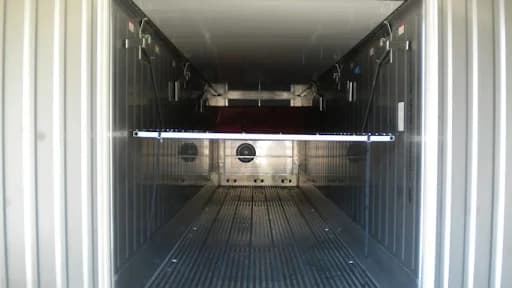
A refrigerated container is a portable cold storage unit built into an insulated shipping container shell. It includes commercial refrigeration machinery, digital temperature controls, insulated walls, sealed cargo doors, and flooring designed to help cold air circulate around stored products.
In Boston, refrigerated containers are commonly used for:
- Restaurant and catering cold storage
- Seafood, meat, dairy, and beverage storage
- Grocery and convenience store overflow
- Food distributor and warehouse storage
- Hospital, laboratory, biotech, and pharmaceutical support
- Floral and plant storage
- University, hotel, and event refrigeration
- Emergency backup refrigeration
- Seasonal inventory storage
Reefers are especially useful when walk-in coolers are full, under repair, unavailable, or not large enough for seasonal demand. Instead of moving products to an off-site cold storage facility, businesses can rent a refrigerated container and keep inventory close to daily operations.
Reefer Container Sizes Available in Boston
The right refrigerated container size depends on storage volume, available site space, power access, delivery clearance, and how often products will be loaded or unloaded. Conexwest offers multiple cold storage options, including standard refrigerated containers, single-phase units, dual-voltage options, and custom cold storage solutions.
20ft Refrigerated Container
A 20ft refrigerated container rental is a compact cold storage option for businesses that need reliable temperature control in a smaller footprint. It is a strong fit for restaurants, caterers, seafood vendors, florists, medical offices, grocery overflow, and event vendors.
- Best for compact cold storage needs
- Useful for restaurants, florists, event vendors, seafood storage, and smaller businesses
- Standard temperature range: approximately -20°F to +70°F
- Ultra-low freezing to -40°F may be available by special request
- Ground-level delivery with no forklift required
For long-term cold storage, Conexwest also offers 20ft refrigerated containers for sale.
40ft Refrigerated Container
A 40ft refrigerated container rental provides more cold storage capacity for larger Boston operations. It is ideal for warehouses, food distributors, grocery chains, hospitals, labs, hotels, universities, large events, and businesses managing bulk refrigerated inventory.
- Best for high-volume cold storage
- Useful for pallets, bulk inventory, and warehouse overflow
- Standard temperature range: approximately -20°F to +70°F
- Requires more delivery clearance than a 20ft unit
- Suitable for short-term or long-term rental use
For permanent or long-term cold storage needs, see 40ft refrigerated containers for sale.
Single-Phase Refrigerated Containers
Some Boston businesses may not have standard industrial three-phase power available. In those cases, a single-phase 20ft refrigerated container may be a better option. Single-phase reefers are useful for restaurants, small businesses, event sites, farms, and properties with limited electrical infrastructure.
Single-phase refrigerated units are designed for sites without three-phase power and typically operate on a 208–230V single-phase connection at 30 amps. These units are best for chilled storage needs rather than ultra-low freezer applications.
Refrigerated Container Sizes & Prices in Boston
Refrigerated container pricing depends on size, condition, rental duration, delivery distance, pickup, power requirements, accessories, and custom work. The prices below are example online starting rates shown for Conexwest refrigerated container options and may change. Delivery, pickup, taxes, permits, accessories, generator rental, transformer rental, and custom modifications may be quoted separately.
| Container Type | Best For | Example Online Starting Rate |
|---|---|---|
| 20ft Refrigerated Container Rental | Restaurants, seafood, events, florists, compact cold storage | As low as $799 |
| 40ft Refrigerated Container Rental | Warehouses, distributors, hospitals, grocery overflow, bulk cold storage | As low as $899 |
| 20ft Single-Phase Refrigerated Container Rental | Sites without three-phase power | As low as $1,350 |
| 20ft Used Certified Refrigerated Container for Sale | Long-term compact cold storage | As low as $14,450 |
| 40ft Used Certified Refrigerated Container for Sale | Long-term large-capacity cold storage | As low as $7,995 |
Rates are subject to change and should be confirmed with a current quote. Final pricing depends on availability, delivery ZIP code, rental length, container condition, power setup, and site requirements.
For exact pricing, request a custom quote through Conexwest with your delivery ZIP code, container size, rental duration, power setup, and preferred delivery date.
What Affects Reefer Container Pricing?
The total cost of renting or buying a refrigerated container depends on more than just size. A compact 20ft reefer may be easier to place on tight Boston sites, while a 40ft reefer can provide better value for high-volume cold storage.
- Container size: Larger containers typically cost more to deliver but provide more usable storage.
- Rental duration: Short-term, seasonal, emergency, and long-term rentals may be priced differently.
- Condition: Used, refurbished, and new refrigerated containers have different sale prices.
- Power setup: Three-phase power, single-phase units, transformers, and generators can affect total cost.
- Temperature range: Standard refrigeration, freezing, and ultra-low storage require different equipment.
- Delivery and pickup: Distance, access, site conditions, and truck clearance can affect logistics costs.
- Accessories: Ramps, shelving, locks, lighting, monitoring, and generator support may increase the final quote.
- Seasonal demand: Food, event, winter weather, and emergency refrigeration demand may affect availability.
Technical Specifications for Reefer Containers
Refrigerated containers are designed to keep temperature-sensitive goods stable while providing secure ground-level access. Standard reefers include insulated walls, commercial refrigeration machinery, cargo doors with heavy-duty seals, and aluminum T-rail flooring to help cold air circulate under stored goods.
20ft Reefer Specs
- Exterior dimensions: approximately 20 ft L x 8 ft W x 8 ft 6 in. H
- Interior dimensions: approximately 17 ft 10 in. L x 7 ft 6 in. W x 7 ft 5 in. H
- Standard rental temperature range: -20°F to +70°F
- Ultra-low freezing to -40°F may be available by special request
- Typical rental power requirement: 460V WYE 3-phase, 25 amps
- Optional transformer may be available for sites with 230V power
- Insulation: approximately 3 inches polyurethane foam
- Flooring: aluminum T-rail for air circulation and easy cleaning
40ft Reefer Specs
- Exterior dimensions: approximately 40 ft L x 8 ft W x 9 ft 6 in. H
- Interior dimensions: approximately 37 ft 11 in. L x 7 ft 6 in. W x 8 ft 2 in. H
- Standard rental temperature range: -20°F to +70°F
- Ultra-low freezing to -40°F may be available by special request
- Typical rental power requirement: 460V WYE 3-phase, 25 amps
- Optional transformer may be available for sites with 230V power
- Insulation: approximately 3 inches polyurethane foam
- Flooring: aluminum T-rail for air circulation and easy cleaning
Power Requirements for Refrigerated Containers
Refrigerated containers require reliable electrical power before they can operate. Standard Conexwest refrigerated rental units typically require 460V WYE 3-phase power at 25 amps. If your facility only has 230V power, ask whether a transformer, generator, or single-phase unit is available.
Before delivery, confirm:
- Available voltage and amperage at the site
- Distance between the power source and container location
- Whether the power source is dedicated and reliable
- Whether a transformer, generator, or electrician is needed
- Whether your stored products require backup power planning
Backup power is especially important for high-value inventory, medical products, pharmaceuticals, emergency food storage, seafood, or any product that cannot tolerate temperature interruption.
Delivery Requirements in Boston
Conexwest refrigerated rental containers are typically delivered using a tilt-bed truck. This allows the container to be placed at ground level without requiring a forklift. The delivery site should be flat, firm, dry, accessible, and clear of overhead obstructions.
| Container Size | Straight Clearance Needed | Width / Vertical Clearance |
|---|---|---|
| 20ft Refrigerated Container | About 65 ft | 12 ft wide / 16 ft vertical |
| 40ft Refrigerated Container | About 125 ft | 12 ft wide / 16 ft vertical |
Before scheduling delivery, make sure the site has:
- Clear truck access
- No low tree branches, power lines, signs, balconies, awnings, or overhead obstructions
- Dry and solid ground conditions
- A flat placement area
- Enough room for cargo doors to open fully
- Nearby power access for the refrigeration unit
- A site contact available during delivery
Boston properties may have narrow streets, curb restrictions, metered parking, tight loading areas, overhead wires, historic districts, and right-of-way issues. For delivery planning and transportation cost details, see the shipping container transport cost guide. For basic setup, read how to put a shipping container on blocks.
Permit Considerations for Refrigerated Containers in Boston
Permit and zoning requirements depend on where the refrigerated container is placed, how long it remains on-site, whether it is used for temporary storage or long-term operations, and whether it is connected to utilities or modified. Boston reviews container placement based on property address, zoning district, use, duration, public-way impact, and project scope.
- Private property: Zoning, Use of Premises, site layout, access, fire clearance, screening, and duration may still matter.
- Street, curb lane, sidewalk, or public way: A Boston street occupancy permit may be required if the container occupies public space.
- Storage containers in the street: Boston requires a letter of authorization from the container owner, and the company must hold a bond with the City.
- Food service use: Restaurants, caterers, vendors, hotels, and event operators may need separate food permits or health department approvals.
- Generators and temporary power: Refrigerated containers powered by generators or temporary electrical service may require review through Boston Fire Prevention.
- Modified or occupied containers: Building, electrical, mechanical, fire, and zoning review may apply if the container is modified, connected to utilities, installed permanently, or used as more than storage.
For detailed local placement rules, see Boston shipping container zoning laws and permit guide. For statewide context, see Massachusetts shipping container zoning laws, permits, and building code requirements.
If your reefer supports food service, review Boston’s food service permit guidance and Mass.gov’s Retail Food Code standards for events and farmers markets. Cold-holding equipment for TCS foods must be capable of maintaining products at 41°F or below.
Best Uses for Reefer Containers in Boston
Restaurant and Seafood Storage
Restaurants, caterers, seafood suppliers, breweries, bakeries, grocery stores, and distributors can use reefers for overflow storage, renovations, seasonal demand, emergency refrigeration, and temporary food storage.
Event Cold Storage
Festivals, markets, university events, conferences, waterfront events, and community gatherings often need temporary refrigeration for food, beverages, ice, floral displays, vendor supplies, and backup inventory.
Healthcare, Biotech, and Pharmaceutical Storage
Hospitals, healthcare providers, labs, biotech companies, pharmacies, and medical supply operations may use refrigerated containers for temporary backup storage or temperature-sensitive inventory support.
Warehouse and Port-Connected Logistics
Warehouse teams, freight operators, importers, exporters, and distribution companies can use refrigerated containers to support cold-chain logistics near commercial, industrial, and port-connected areas.
Floral and Agriculture Storage
Florists, nurseries, growers, and distributors can use refrigerated containers to protect flowers, plants, produce, and seasonal products from heat, humidity, and spoilage.
Emergency Refrigeration
When walk-in coolers fail or permanent systems need repair, a refrigerated container can provide backup storage to help reduce product loss and keep operations moving.
Why Choose Conexwest for Boston Reefer Containers?
Conexwest offers refrigerated containers for rent and sale, including 20ft reefers, 40ft reefers, single-phase options, dual-voltage options, and custom cold storage configurations. Customers can rent or buy depending on project length, budget, storage volume, and power availability.
Conexwest benefits include:
- 20ft and 40ft refrigerated container options
- Short-term and long-term rental availability
- Temperature-controlled storage for food, seafood, pharma, flowers, events, logistics, and more
- Ground-level delivery with tilt-bed trucks
- Transformer and power planning support where available
- Custom modifications and accessories
- Delivery and pickup coordination
- Quote support based on ZIP code, site access, and container type
For broader storage options, visit rent storage containers. For custom doors, shelving, lighting, power, HVAC, security upgrades, or specialty cold storage features, visit shipping container modifications.
Final Takeaway
Refrigerated shipping containers are a flexible cold storage solution for Boston businesses that need secure, temperature-controlled space without building permanent refrigeration. Whether you need a 20ft reefer for restaurant overflow, a 40ft refrigerated container for warehouse storage, or a single-phase unit for a site with limited power, Conexwest can help match the right container to your project.
Before delivery, confirm your storage temperature, container size, site access, power supply, permit needs, zoning restrictions, and rental duration. Ready to get started? Contact Conexwest for a custom Boston refrigerated shipping container quote.
Was this helpful?
Frequently Asked Questions
A 20ft reefer is best for compact cold storage, restaurants, seafood vendors, florists, event vendors, medical storage, and smaller businesses. A 40ft reefer is better for pallets, bulk inventory, food distributors, warehouse overflow, hospitals, universities, hotels, and larger commercial operations.
Standard refrigerated containers commonly maintain temperatures from approximately -20°F to +70°F. Ultra-low freezing to -40°F may be available by special request and should be specified before ordering.
Yes. Standard 20ft and 40ft refrigerated rental containers typically require 460V WYE 3-phase power at 25 amps. Sites with different power availability may need a transformer, generator, or single-phase cold storage option.
Possibly, but Boston Public Works requirements may apply if the container occupies a street, curb lane, sidewalk, or other public way. Storage containers in the street require a letter of authorization from the container owner, and the company must hold a bond with the City.
Yes. Refrigerated containers are commonly used for food and beverage storage. Food businesses should still follow applicable Boston and Massachusetts food safety rules, including temperature monitoring, sanitation requirements, and any required permits.
A 20ft refrigerated container typically requires about 65 ft of straight clearance, while a 40ft refrigerated container typically requires about 125 ft. Sites should also have about 12 ft of width and 16 ft of vertical clearance.
Yes. Conexwest offers refrigerated containers for both rent and sale. Renting is often better for short-term, seasonal, or emergency needs, while buying may be better for long-term cold storage operations.