Guide to Setting Shipping Containers on Blocks
Setting a shipping container on blocks can help improve drainage, airflow, stability, and long-term usability. Whether you are using a container for storage, equipment, inventory, jobsite materials, or business operations, the way the container is placed matters. A container that sits unevenly can be harder to open, more likely to shift, and more exposed to standing water or ground moisture.
This guide explains common block options, how to prepare the site, and what to consider before placing a container. For heavy containers, permanent installations, soft soil, sloped sites, or areas with frost, flooding, or strict building rules, always check local requirements and consult a qualified contractor, engineer, or building authority before installation.
Key Takeaways
- Concrete blocks, concrete piers, and precast concrete footings are common options for supporting shipping containers when the site is properly prepared.
- Wood blocking can work for temporary placement, but it may require more maintenance because wood can rot, shift, or attract pests over time.
- Steel supports and engineered piers can provide strong, long-lasting support, but they should be selected and installed based on site conditions and load requirements.
- Level ground, drainage, and proper block placement help keep container doors aligned and reduce the risk of settling.
- Conexwest can help with container delivery, placement planning, and container options for storage, business, and jobsite use.
Why Set a Shipping Container on Blocks?
A shipping container is designed to carry weight through its corner castings and structural frame. When placing a container on a site, the goal is to support it evenly, keep it level, and protect it from ground moisture. Blocks or footings can help raise the container off the ground and create a more stable base.
Blocking can be especially helpful when the container will sit on dirt, gravel, compacted soil, or another surface where drainage and settling need to be considered. It can also make it easier to keep the doors operating properly, since uneven placement can cause the container frame to twist slightly and make the doors harder to open or close.
Types of Blocks Suitable for Shipping Containers
- Concrete Blocks or Concrete Piers: Concrete is commonly used because it is durable, widely available, and resistant to rot. For container placement, solid concrete supports or properly installed piers are generally preferred over lightweight or hollow blocks.
- Cinder Blocks or CMU Blocks: Standard hollow cinder blocks are not always suitable for heavy container loads unless they are properly oriented, reinforced, filled, or approved for the application. If using masonry blocks, confirm load capacity and installation requirements with a qualified professional.
- Wooden Blocks or Timbers: Heavy timber blocks or railroad ties can be used for temporary support, especially when quick placement is needed. However, wood can rot, compress, shift, or attract pests, so it is usually better for short-term or temporary use.
- Steel Supports or Piers: Steel supports can provide strong and adjustable support for containers, especially on uneven sites. They are often more expensive and should be selected based on the weight, soil conditions, and intended use.
- Precast Concrete Footings: Precast footings can provide a strong, level base and help distribute weight at specific points beneath the container. They are often used when a more permanent or stable foundation is needed.
| Conexwest offers new, used, and refurbished shipping containers in multiple sizes, including 10ft, 20ft, 40ft, and 45ft options. We also provide container delivery and modification options for businesses, jobsites, farms, schools, government agencies, and storage operations nationwide. |
Shop now
10 Steps to Put Shipping Containers on Blocks
1. Choose the Right Location
Select a flat, accessible area with enough space for the delivery truck to maneuver and place the container. Avoid soft ground, steep slopes, drainage paths, overhead obstructions, and areas with underground utilities. If the container will be used for frequent access, make sure the doors face a practical loading direction.
2. Prepare the Ground
Clear debris, vegetation, rocks, and loose material from the placement area. The ground should be firm, dry, and as level as possible. If the area is uneven, it may need to be graded with equipment such as a skid steer, bobcat, or excavator.
If the ground is soft or poorly drained, consider adding a compacted gravel base to improve drainage and reduce settling. Good site preparation helps prevent the container from shifting, sinking, or becoming difficult to operate.
3. Mark Placement for Blocks
Use stakes, marking paint, or string lines to outline where the container will sit. Blocks are commonly placed under the container corners, and additional support points may be used along the length of the container depending on the site, container size, load, and intended use.
For containers that will hold heavy equipment, dense inventory, vehicles, or modified interiors, consider having the foundation layout reviewed by a qualified professional.
4. Excavate for Blocks
Dig shallow holes or trenches where each block or footing will be placed. The goal is to create a stable base and reduce movement. In some cases, supports may be set slightly below grade with gravel underneath to improve stability and drainage.
5. Add a Gravel Base
Add a few inches of compacted gravel below each support point. Gravel helps distribute weight, improve drainage, and reduce moisture buildup around the supports. This step is especially useful on dirt or soil surfaces.
6. Position the Blocks
Place the blocks, concrete piers, timbers, or footings in the prepared locations. Make sure they are aligned with the structural support points of the container and positioned to keep the container level. Supports should be stable, flat, and appropriate for the expected load.
7. Check Level
Use a spirit level, laser level, or transit level to check that the supports are even before the container is placed. Adjust by adding or removing gravel, compacting the base, or using appropriate shims where needed.
8. Secure the Base
Once the supports are positioned and leveled, compact the gravel and confirm that each support is stable. Blocks should not wobble, shift, or sit on loose soil. A stable base helps reduce movement during delivery and after the container is loaded.
9. Lift and Position the Container
When the site is ready, use appropriate delivery or lifting equipment to position the container. Depending on the location and container size, this may involve a tilt-bed truck, side-lifter, crane, forklift, or other equipment. Learn more about container handling in our guide on how to move shipping containers without heavy equipment.
The container should be lowered carefully onto the prepared supports. The corners and frame should sit evenly so the container remains level and the doors operate correctly.
10. Make Final Adjustments
After placement, check the container level again. Open and close the doors to confirm that they operate smoothly. If the doors bind or the frame appears uneven, the support points may need adjustment. Do not force misaligned doors; uneven support can cause operational issues over time.
Why Put Shipping Containers on Blocks?
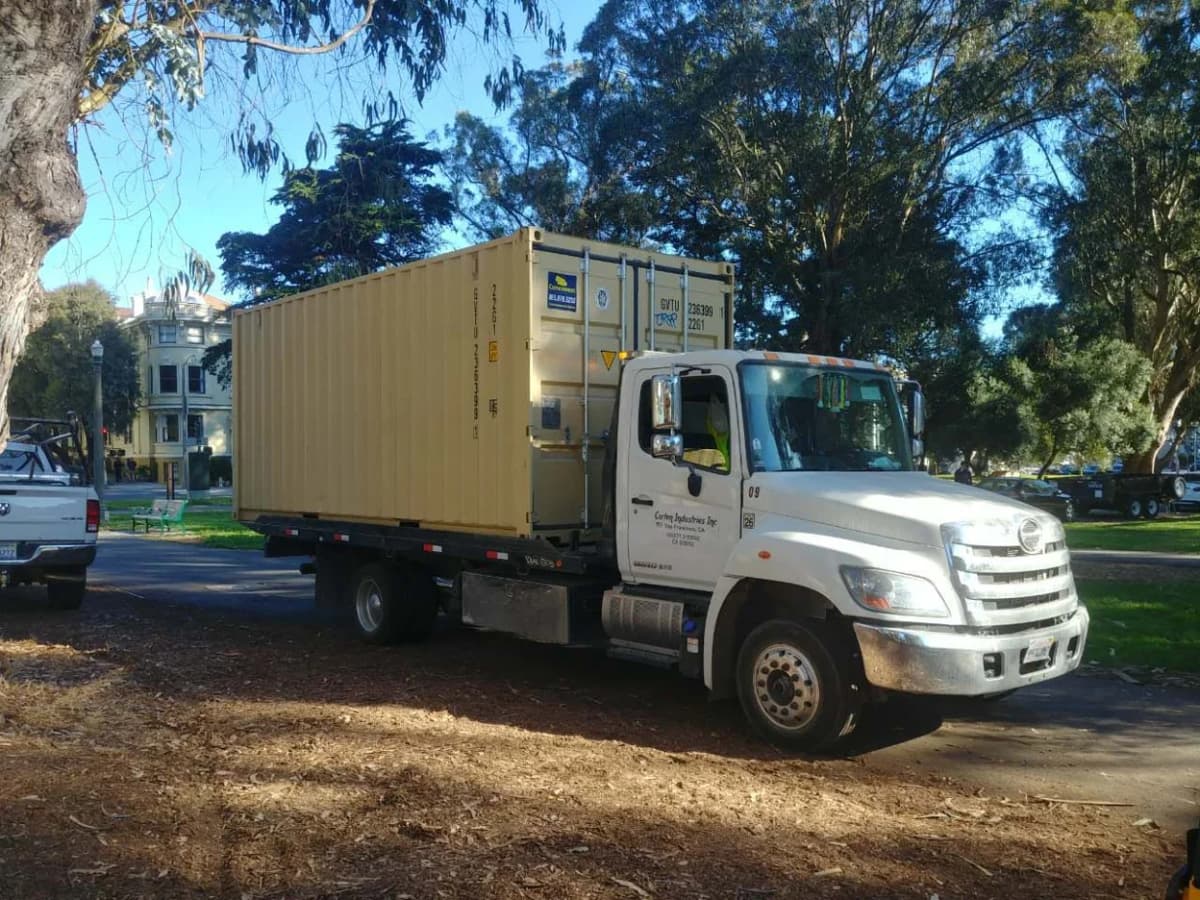
Preparing a solid foundation helps support the container, protect it from moisture, and keep the doors operating properly.
- Improved Stability: Elevating a container on properly placed supports can help reduce shifting caused by uneven ground, settling, or poor drainage.
- Better Drainage: Raising the container off the ground helps reduce direct contact with standing water, mud, and ground moisture.
- Easier Door Operation: A level container frame helps keep the doors aligned. If a container twists or settles unevenly, the doors may become difficult to open or close.
- Improved Airflow: Elevation can allow airflow beneath the container, which may help reduce moisture buildup under the floor.
- Reduced Pest Access: Keeping the container off the ground can make it easier to inspect around the base and reduce potential nesting areas.
How Conexwest Can Help With Container Delivery and Placement
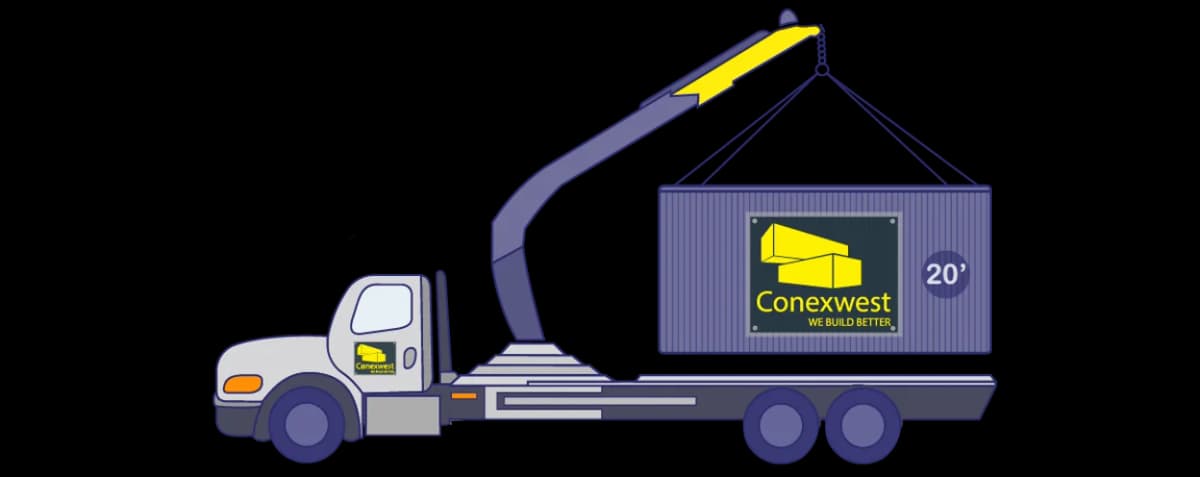
Conexwest delivery services can help place shipping containers safely and efficiently based on container size, site access, and placement requirements.
At Conexwest, we help customers plan for container delivery, placement, and storage needs. Our shipping container delivery services can support a wide range of site conditions, from commercial yards and jobsites to farms, schools, warehouses, and business properties.
Expert Delivery Services
Conexwest uses specialized delivery equipment for different container sizes and site conditions, including tilt-bed, flatbed, and side-lifter delivery options where available. The right delivery method depends on the container size, site access, ground conditions, and required placement.
A tilt-bed truck can place a container directly onto a prepared surface when there is enough straight-line clearance. Side-lifter delivery can be useful when precise placement is needed or when a container must be set next to the truck instead of rolled off from the rear.
Placement Planning
Before delivery, Conexwest can help customers think through important site-preparation details, including access clearance, ground conditions, delivery route, container orientation, and placement area. Preparing the site before delivery helps reduce delays and supports a smoother placement process.
Safe and Efficient Placement
Once the container arrives, the delivery team places the container based on the available equipment and site conditions. Customers should make sure the prepared area is clear, level, and accessible before delivery.
Containers for Sale and Custom Use
Conexwest offers shipping containers for sale in multiple sizes and conditions. Customers can also explore container options for storage, office use, refrigerated storage, and custom modifications depending on their project needs.
Shop now
Container Blocking Safety Tips
Blocking a shipping container is not just about lifting it off the ground. The container must be supported in a way that matches the site, load, and intended use. Before placing a container on blocks, keep these safety tips in mind:
- Do not use unstable, cracked, or undersized blocks.
- Do not place heavy containers on loose soil without proper base preparation.
- Do not rely on hollow blocks for heavy loads unless properly filled, reinforced, and approved for the application.
- Do not block airflow around the container if moisture is a concern.
- Do not place supports where they interfere with door operation or delivery equipment.
- Do not assume temporary blocking is suitable for permanent installation.
- Check the container after placement and after heavy rain, freeze-thaw cycles, or major loading changes.
```
