
Yes, container bunkers are legal in Pennsylvania, but zoning and permit requirements vary by county. It’s best to check with your local building department before beginning construction to ensure compliance with local codes.
Container Bunkers Pennsylvania: Price, Customization Options & Where To Buy
2025 Pennsylvania Container Bunkers: Price, Customization Options & Where to Buy
Key Takeaways
- Pennsylvania’s mix of rural land, seasonal weather extremes, and moderate tornado activity makes it an ideal state for container bunkers used as storm shelters, emergency retreats, or secure storage spaces.
- Base container prices range from $1,749 to $6,264, while full bunker builds typically cost $40,000–$80,000, depending on size, site prep, and upgrades. Luxury features can push costs much higher.
- Top upgrades include insulation, solar power, plumbing, security doors, and interior layouts—all designed to create a safe, livable space suited for Pennsylvania’s climate and off-grid needs.
- With delivery to Pennsylvania in just 3 to 7 business days, Conexwest offers custom container solutions in various sizes and is trusted by organizations like Google and the U.S. Navy.
Why Pennsylvania Is a Practical Location for Container Bunkers
Pennsylvania’s diverse terrain makes it a great place for container bunker projects. In the northern and western parts of the state, rolling hills and wooded areas offer privacy and natural camouflage, ideal for discreet underground shelters. Meanwhile, central and eastern counties provide large open plots and farmland, which make delivery, excavation, and installation much easier.
The state experiences all four seasons, with average winter lows dipping below 20°F in the north and summer highs reaching the mid-80s, especially in the southeast. These seasonal shifts, along with heavy snowfall in mountainous areas and frequent thunderstorms in spring and summer, make container bunkers a practical investment for year-round safety.
Pennsylvania also falls within a zone that sees occasional tornado activity, particularly in the central and southwestern regions. As a result, many residents are turning to container bunkers as storm shelters, emergency supply depots, off-grid cabins, or secure hideaways. Others simply want a reinforced, private space to protect valuables or serve as a backup shelter during grid outages or civil unrest.
With a mix of rural land availability, varied weather patterns, and increasing interest in personal preparedness, Pennsylvania is quickly becoming a top state for container-based bunker installations.
Conexwest, a leader in shipping and storage solutions based in Northern California, offers new, used, and refurbished containers from 10ft to 45ft, with fast delivery within 3–7 days and container fabrication options like adding shelves and locks. We serve over 10,000 customers nationwide, including prestigious clients like the U.S. Navy and Google. As an ISO 9001 and AWS-certified company, we ensure top quality and competitive pricing. |
Container Bunker Prices in Pennsylvania
If you're starting with just the container, prices vary based on size and condition. A 20ft container typically costs around $2,965 for new and $2,112 for used. For a 40ft container, expect to pay $6,264 for new or $2,149 for used. These are base prices and do not include delivery, modifications, or installation.
Once customization, excavation, and utilities are added, most underground bunker builds in Pennsylvania range from $40,000 to $80,000. This average cost includes basic construction, structural reinforcement, and key systems like ventilation, plumbing, and power. Entry-level setups (100–200 sq. ft.) can start around $20,000 to $40,000, while larger, fully equipped builds can go much higher.
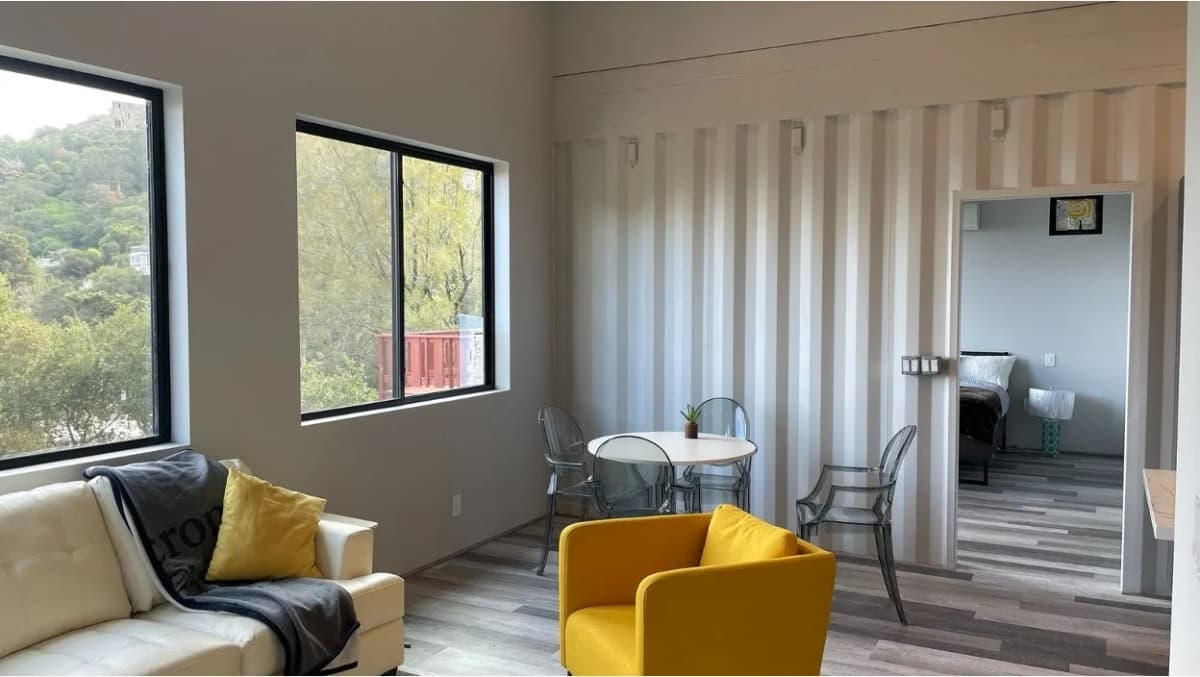
Smart interior layouts make even small containers feel functional and organized.
Labor and site prep also affect your final price. Excavation typically costs $1,100 to $5,600, while running electricity may range from $1,200 to $7,100, depending on the setup. Plumbing, septic, and interior finishes like flooring or water heaters also add to the total.
For those who want more than just the basics, luxury bunkers can include features like home theaters ($10,000–$60,000), indoor pools ($25,000–$120,000), or greenhouses ($2,500–$15,000). While these aren’t common in standard installs, some Pennsylvanians do opt for long-term bunker living with high-end upgrades.
Overall, container bunkers offer a cost-effective alternative to traditional shelters, especially when starting with a steel shipping container and customizing it to fit your needs and budget.
Key Factors That Affect Cost
Several variables can influence the total cost of your container bunker project in Pennsylvania:
- Terrain and Soil Conditions: Rocky or sloped land, especially in northern PA, may require more excavation and reinforcement, while flat farmland is easier and cheaper to prep.
- Drainage and Foundation Requirements: Poor drainage or unstable soil may increase the need for gravel beds, sump pumps, or concrete footings to stabilize the bunker.
- Delivery and Site Access: Remote or wooded properties may require additional work such as road grading, tree removal, or crane service to deliver and place the container safely.
- Permits and Labor Costs: Urban or regulated zones often come with higher permit fees and stricter code compliance. Local labor costs for plumbing, electrical, and excavation also impact the final budget.
*These numbers are estimates, and the actual price can vary. Thus, it’s best to reach out to us for an accurate quote.
Popular Customization Options
Container bunkers in Pennsylvania can range from basic safety shelters to fully equipped, off-grid living spaces. Below are the most essential and widely used upgrades that help transform a steel container into a secure, livable bunker.
1. Insulation & Temperature Control
Spray foam insulation is one of the most common upgrades, especially for underground builds. It helps keep the bunker warm in Pennsylvania’s cold winters, where temperatures can drop below 10°F, and cool during the humid summer months.
Spray foam also acts as a vapor barrier, reducing the risk of condensation and mold buildup. Many bunker owners combine it with dehumidifiers for year-round climate control.
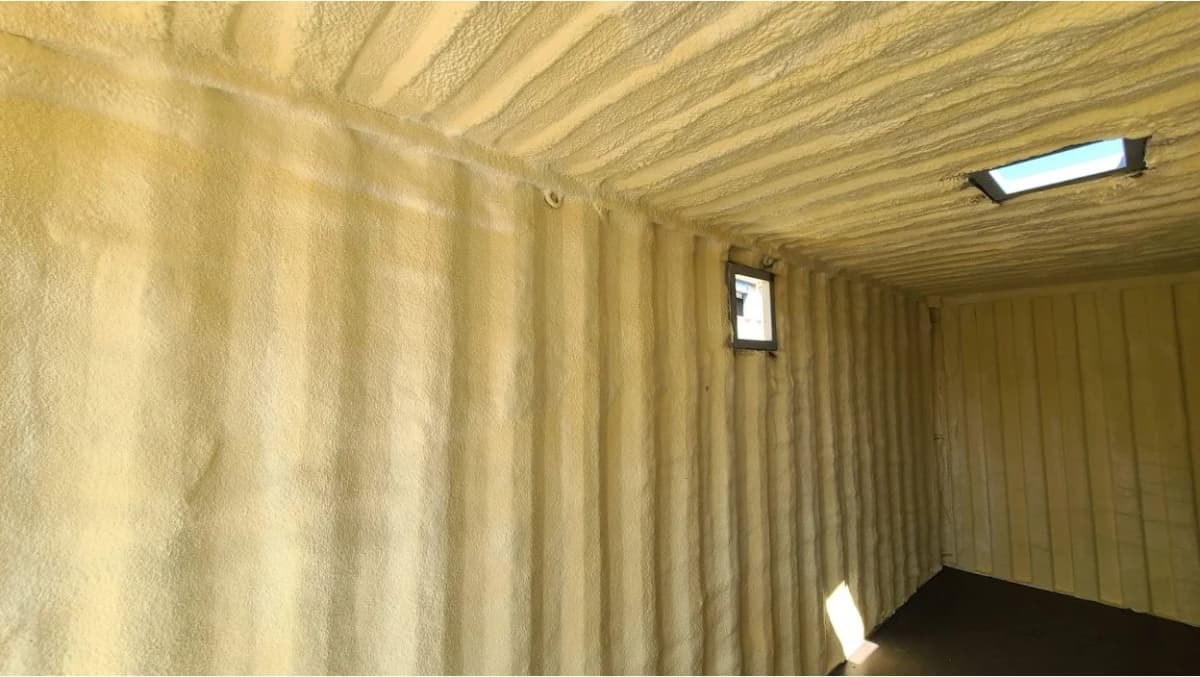
Insulated container interiors help regulate temperature during cold winters and hot, humid summers.
2. Electrical & Power Setup
A well-wired bunker includes LED lighting, outlets for small appliances, and emergency backup power. Off-grid setups often rely on solar panel systems paired with lithium battery banks or gas-powered generators. Some owners also install inverters and charge controllers to manage solar input, ensuring the bunker remains livable during extended outages or grid failure.
3. Plumbing & Water Access
Plumbing systems vary from basic setups with hand-pumped sinks to full systems with pressurized water, septic tanks, and tankless water heaters. In rural Pennsylvania, rainwater harvesting is a practical solution, while others opt for well connections. Greywater recycling systems can also be installed to reuse water for toilet flushing or irrigation if a greenhouse is attached.
4. Security Features
For safety and discretion, many bunkers are fitted with steel security doors, motion sensor lighting, and backup locking mechanisms. Some also include hidden entrances, interior cameras, or external surveillance systems that can be monitored remotely. These features are especially useful for off-grid locations or those storing valuables and survival supplies.
5. Interior Layout & Storage
Smart interior planning maximizes every square foot. Foldable furniture, modular storage racks, and stackable bins help keep things organized in limited space. Bunk beds, hidden compartments, and rotating shelves are commonly added for convenience. Some designs also include prep areas, compact kitchens, and emergency tool kits.
6. Off-Grid Systems
In addition to solar power, many off-grid bunkers use propane for cooking and heating, manual hand pumps for water, and composting toilets to avoid reliance on septic systems. Air filtration systems with HEPA or NBC-grade filters may also be installed in bunkers intended for disaster or fallout scenarios, adding an extra layer of protection.
Why Conexwest Is a Trusted Supplier in Pennsylvania
If you're planning to build a container bunker in Pennsylvania, working with the right supplier can save you time, money, and frustration. At Conexwest, we are a top choice for both first-time buyers and experienced builders thanks to our inventory, fabrication services, and fast delivery.
We deliver to Pennsylvania in just 3 to 7 business days, offering a range of sizes and conditions to match your project needs:
- Sizes available: 10ft, 20ft, 40ft, and 45ft
- Condition options: New, used, and refurbished containers
- Flexible inventory: Choose the right model for budget or space constraints
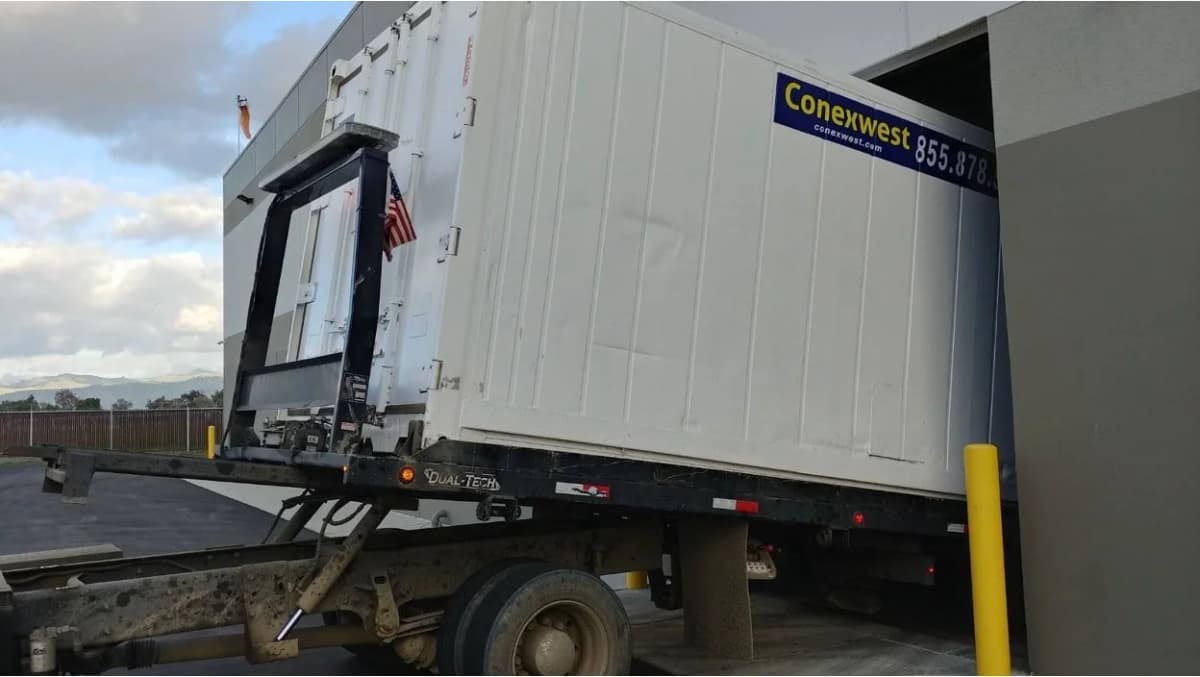
Specialized transport trailers enable safe delivery of completed bunker containers to installation sites, with hydraulic systems for precise positioning during deployment.
What makes us ideal for bunker projects is our in-house modification team, which can prep your container with:
- Custom steel doors and heavy-duty locks
- Interior shelving, vents, and insulation
- Reinforced floors, walls, and escape hatches
- Utility cutouts for plumbing and electrical work
We have served over 10,000 customers nationwide, including clients like Google, Amazon, and the U.S. Navy, a reflection of their reputation for quality, consistency, and trust.
We are also:
- ISO 9001 certified for quality management
- AWS certified for professional welding standards
- Backed by a responsive customer service team to help guide your build
If you’re installing a storm shelter, off-grid retreat, or long-term survival bunker, we have the experience and resources to support every step of the process—from selecting your container to final delivery.
Get in touch with us today to request a quote and customize your bunker project in Pennsylvania.
Was this helpful?
Frequently Asked Questions
Some DIYers handle minor upgrades like insulation or shelving, but it's recommended to hire professionals for structural reinforcement, welding, excavation, and underground placement, especially for safety and code compliance.
A 20ft container is suitable for basic emergency shelters, while a 40ft container provides more room for storage, sleeping areas, or multi-use layouts. The right size depends on your space, budget, and intended use. Conexwest provides all of these container sizes with modification options to match your bunker needs.
Yes, with proper waterproofing and insulation, container bunkers are well-suited for Pennsylvania’s cold winters, summer humidity, and seasonal storms.
If your bunker will have plumbing for sinks or toilets, you’ll need either a connection to a septic system or an off-grid alternative like a composting toilet. Septic system installation typically costs $3,500 to $8,500.