
Solar roof vents are designed to be durable and long-lasting. With proper maintenance, they can last for many years.
Do Shipping Containers Need Solar Roof Vent Fabrication?
Solar Roof Vent Fabrication for Shipping Containers: Is It Needed?
Key Takeaways
- Solar roof vents reduce shipping container temperatures and prevent moisture damage.
- They operate using solar power, which eliminates the need for electricity and lowers energy costs.
- They are ideal for high-temperature and humid environments.
- Conexwest provides reliable shipping container customization services to clients all over the USA.
What is a Solar Roof Vent?
A solar roof vent is a device installed on the roof of a shipping container to improve ventilation. It uses solar energy to power a fan that circulates air to reduce heat and moisture inside the container. This helps in maintaining a cooler and drier environment.
It is composed of a few key components:
- Solar Panel: Captures sunlight and converts it into electrical energy.
- Fan: Powered by the solar panel, it moves air through the container.
- Vent Housing: The structure that holds the fan and solar panel in place, usually made of durable materials like aluminum.
Choosing and Installing Solar Roof Vents
When selecting a solar roof vent, look for features like a high-quality fan blade, an appropriate diameter for your container, and durable motors and solar panels. It's best to have a professional like Conexwest install the vent to maximize its efficiency.
Conexwest, a leader in shipping and storage solutions based in Northern California, offers new, used, and refurbished containers from 10ft to 45ft, with fast delivery within 3-7 days and container fabrication options like adding shelves and locks. Conexwest serves over 10,000 national customers, including prestigious clients like the U.S. Navy and Google. As an ISO 9001 and AWS-certified company, we ensure top quality and competitive pricing. |
When You Need a Solar Roof Vent
- High Temperatures: In regions where shipping containers are exposed to direct sunlight, they can become extremely hot inside. Solar roof vents expel this hot air and ensure a more comfortable internal temperature.
- Humidity Control: Containers used for storing tools, timber, or other moisture-sensitive materials will benefit from solar vents. These vents actively reduce humidity levels to prevent rust and mold growth, which can damage stored items.
- Air Quality Improvement: If the container is used for storage of chemicals or other volatile substances, solar roof vents will improve air quality by facilitating the exchange of stale air with fresh air and reducing the buildup of harmful gasses.
- Long-Term Storage Needs: For containers that are used for long-term storage, especially in humid climates, solar vents are essential to prevent moisture accumulation and maintain the integrity of the stored items.
- Usage as Living Spaces: Containers converted into homes or living spaces require proper ventilation to manage moisture from daily activities (e.g., cooking, washing). Solar vents reduce the risks of mold growth and create a healthier living environment.
When You Do Not Need a Solar Roof Vent
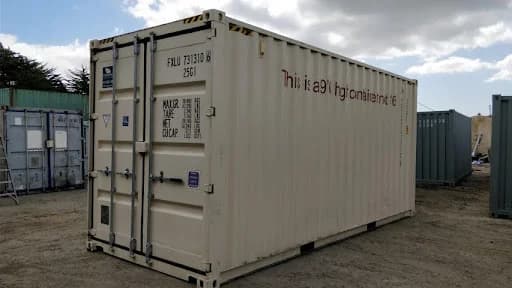
Solar roof vents rely on sunlight for optimal performance.
- Low Humidity and Mild Climates: In areas with low humidity and moderate temperatures, passive ventilation (e.g., built-in vents) may suffice, as the risk of heat buildup and moisture accumulation is minimal.
- Short-Term Use: If a container is used for short-term storage or transportation of items that do not require climate control, solar vents may be unnecessary. Passive vents can provide adequate airflow without the need for additional systems.
- Contents that Are Not Temperature or Humidity-Sensitive: If the container is used to store items that are not affected by temperature or humidity fluctuations (such as metal or plastic items), solar roof vents may not be necessary.
- Cost Considerations: For some users, the initial investment in solar roof vents may not be justified if the container's use does not warrant the additional ventilation. In such cases, relying on existing passive vents might be more economical.
Advantages of Using a Solar Roof Vent Over Other Ventilation Methods
- Energy Efficiency: Solar roof vents operate using solar power, which eliminates the need for electricity from the grid. This makes them cost-effective in the long run, as they do not contribute to energy bills and use a renewable energy source.
- Active Ventilation: Unlike passive ventilation systems that rely on natural airflow, solar roof vents actively expel hot air and draw in cooler air. This results in more effective temperature regulation, especially in hot climates where heat can build up quickly inside containers.
- Improved Air Quality: By continuously circulating air, solar vents help eliminate stale air and odors to improve the overall air quality inside the shipping container.
- Ease of Installation: Solar roof vents are relatively easy to install compared to mechanical ventilation systems, which often require complex electrical wiring and maintenance.
- Low Maintenance: Solar vents typically require minimal maintenance, as they do not have moving parts that are subject to wear and tear like mechanical systems.
- Eco-friendliness: Using solar energy reduces reliance on fossil fuels and lowers carbon emissions to make solar roof vents a more sustainable choice compared to traditionally powered ventilation systems.
How Conexwest Can Help with Shipping Container Fabrication
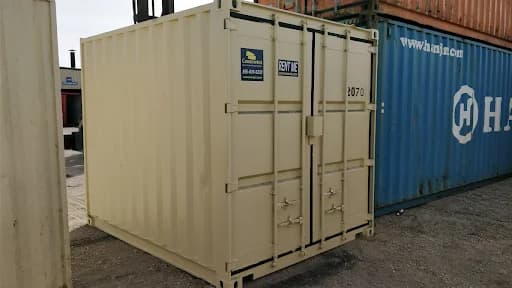
Conexwest is a reliable shipping container provider and delivers all over the USA.
At Conexwest, we specialize in improving the functionality of shipping containers through our expert fabrication services. Whether you need a simple modification or a complete overhaul, we have the expertise and resources to deliver high-quality results.
Our customization services include:
- Ventilation Systems: Solar roof vents, passive vents, and electric fans.
- Insulation: Various insulation materials to improve temperature control.
- Interior Modifications: Shelving, lighting, and partitioning.
- Exterior Modifications: Painting, signage, and security features.
After-sales Support
We believe in building long-term relationships with our customers. Thus, our after-sales support helps you receive assistance even after the project is completed. We provide:
- Maintenance Services: Regular checks and servicing to keep your container in top condition.
- Repair Services: Quick and efficient repairs in case of any issues.
- Customer Service: A dedicated team to answer any questions and provide support.
If you are ready, don’t hesitate to reach out to us to get a free quote for your project.
Was this helpful?
Frequently Asked Questions
Maintenance for a solar roof vent is minimal. Regular cleaning of the solar panel to remove dust and debris is essential for optimal performance. Additionally, occasional checks to see if the fan is functioning correctly are recommended.
- Higher Initial Cost: The upfront cost can be higher than for traditional vents due to the solar technology involved.
- Dependence on Sunlight: Their efficiency is directly linked to sunlight availability. On cloudy or rainy days, their performance may be reduced.
- Maintenance Needs: Although generally low-maintenance, solar vents require periodic cleaning of the solar panels and fan for optimal performance.
Solar roof vents can be beneficial in various climates, particularly in regions that experience hot summers. However, in areas with limited sunlight or prolonged cloudy weather, the effectiveness of solar vents may be reduced.
We have several types of shipping containers, including:
- Standard ISO Shipping Containers
- Mobile Office Shipping Containers
- Refrigerated Containers
- Insulated Containers
- Open Top Containers
- Flat Rack Containers
- Tank Containers
- Hazmat Containers