
Container bunkers may be allowed in Louisiana, but approval depends on local zoning, property use, placement method, utilities, floodplain rules, and whether the structure is temporary, permanent, occupied, above ground, or underground.
Louisiana Container Bunkers: Costs & Options | Conexwest
Louisiana Container Bunkers: Costs, Customization Options & Where to Buy
Container bunkers are gaining interest in Louisiana as property owners look for secure, durable, and flexible structures for emergency supplies, storm-season storage, rural properties, off-grid support, and protected equipment space. With hurricane risk, heavy rain, high humidity, flood-prone areas, and coastal corrosion, Louisiana container bunker projects require careful planning before delivery or installation.
A shipping container can provide a strong steel shell, but it is not a finished bunker by itself. A safe and useful container bunker project must account for site drainage, flood exposure, ventilation, moisture control, corrosion protection, structural reinforcement, utilities, access, permits, and local code requirements.
This guide explains Louisiana container bunker costs, above-ground vs. underground placement, common customization options, floodplain concerns, and how Conexwest can help supply containers for secure storage and custom bunker-style projects.
Key Takeaways
- Louisiana container bunkers are commonly considered for emergency storage, protected equipment space, rural properties, storm-season supplies, and off-grid support.
- Flooding, groundwater, humidity, and corrosion are the biggest planning concerns for Louisiana bunker projects.
- Above-ground reinforced containers are often more practical than underground bunkers in flood-prone or high-water-table areas.
- Projects may require zoning approval, building permits, floodplain review, electrical permits, grading review, foundation approval, or inspections depending on location and use.
- Conexwest supplies new, used, and refurbished shipping containers with nationwide delivery and fabrication options for storage, commercial, agricultural, jobsite, and custom projects.
Why Container Bunkers Are Popular in Louisiana
Louisiana property owners face conditions that make secure storage and emergency planning especially important. Coastal storms, heavy rain, long power outages, flooding, heat, humidity, and remote rural access can all create demand for stronger storage and protected spaces.
Shipping containers are built from heavy-duty steel and designed for transportation in harsh environments. That makes them useful for storing tools, generators, food supplies, documents, emergency equipment, farm materials, and other items that need protection from weather and theft.
However, Louisiana is not an easy environment for bunker projects. High humidity can create condensation inside closed steel spaces. Flood-prone areas may require elevation, anchoring, or floodplain review. Coastal locations may need corrosion-resistant coatings and better ventilation. Underground installations can be especially difficult because groundwater, buoyancy, and drainage must be professionally addressed.
Conexwest offers new, used, and refurbished containers in multiple sizes, including 10ft, 20ft, 40ft, and 45ft options. Customers can choose standard storage containers, high cube containers, refrigerated containers, insulated containers, mobile office containers, and modified containers depending on the project. |
Container Bunker Costs in Louisiana
The cost of a Louisiana container bunker depends on more than the container itself. A basic above-ground secure storage container will cost much less than a reinforced underground bunker with waterproofing, drainage, ventilation, electrical service, climate control, and finished interiors.
Common cost factors include container size, condition, delivery distance, site access, foundation or pad, drainage, structural reinforcement, insulation, ventilation, electrical work, security features, interior buildout, permits, and local floodplain requirements.
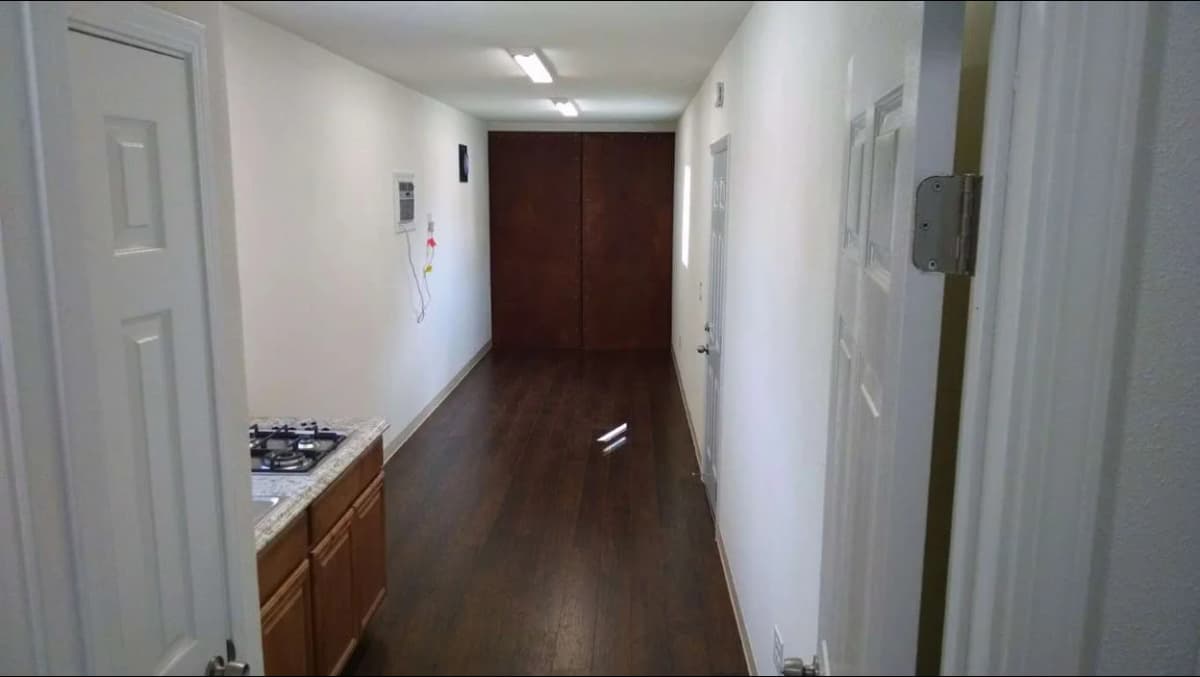
Finished container interiors can include lighting, insulation, shelving, secure storage, work surfaces, utility areas, and emergency supplies depending on the project purpose.
Base Container Cost
The first cost is the container. Pricing changes based on size, condition, regional availability, delivery distance, and customization needs. Louisiana customers often compare 20ft, 40ft, and 40ft high cube containers for bunker-style projects.
Container Type | Best For | Notes |
Compact emergency storage, generator rooms, tool storage, small secure spaces | Easier to deliver and place on tighter residential, rural, or wooded sites. | |
Larger storage, multi-zone layouts, equipment protection, off-grid support | More interior space but requires more delivery clearance and site preparation. | |
Projects needing extra interior height, insulation space, shelving, or mechanical equipment | The added height can help with finished interiors and overhead clearance. |
Common Bunker Cost Categories
Category | What It Includes |
Site Preparation | Clearing, grading, drainage planning, access roads, delivery clearance, and placement area preparation. |
Permits & Review | Zoning approval, building permits, floodplain review, electrical permits, grading permits, or local inspections where required. |
Foundation or Pad | Concrete slab, piers, elevated supports, gravel base, anchors, or engineered foundation depending on use and flood exposure. |
Drainage & Waterproofing | Perimeter drainage, waterproof membranes, protective coatings, sump planning, grading, and water-management systems. |
Structural Reinforcement | Additional steel, bracing, roof support, wall reinforcement, and engineering for underground placement or major openings. |
Moisture & Climate Control | Ventilation, dehumidification, insulation, vapor control, air sealing, HVAC, and condensation management. |
Electrical & Power | Lighting, outlets, panels, generator connections, battery systems, solar-ready wiring, and backup power planning. |
Security Features | Lockboxes, reinforced doors, upgraded locks, steel partitions, cameras, alarms, and controlled access points. |
Interior Buildout | Wall panels, flooring, storage systems, shelving, cabinets, work surfaces, bunks, utility areas, and emergency-supply storage. |
*Project costs vary based on location, container condition, delivery distance, permits, site work, flood exposure, engineering, and customization level. For current container pricing and availability, review Conexwest inventory or request project-specific guidance.
Louisiana Flood, Humidity & Site Challenges
Flood Risk and Water Table
Flooding is one of the biggest concerns for Louisiana bunker projects. Coastal areas, river-adjacent land, low-lying parcels, and mapped flood hazard areas may require floodplain development review, elevation requirements, anchoring details, or additional site planning.
Underground bunkers are especially difficult in areas with a high water table. Groundwater, buoyancy, hydrostatic pressure, and poor drainage can make an underground container unsafe or impractical without professional engineering.
Soil Conditions
Louisiana soils vary widely. Coastal soils may drain differently than inland clay soils, and soft or wet ground can complicate delivery, excavation, foundations, and long-term stability. Before planning an underground or partially buried bunker, confirm soil conditions, groundwater levels, and drainage needs.
Humidity and Condensation
Louisiana’s humidity can create condensation inside enclosed steel spaces. Without ventilation, dehumidification, and moisture control, stored items, finishes, and equipment can be damaged over time.
For enclosed or climate-controlled spaces, plan for vents, fans, air sealing, insulation, vapor control, and dehumidification. Learn more about condensation and moisture control in shipping containers.
Corrosion Protection
Coastal air, heavy rain, salt exposure, standing water, and humidity can accelerate corrosion. Protective coatings, proper drainage, elevation off wet ground, regular inspections, and corrosion-resistant hardware can help extend container service life.
Above-Ground vs. Underground Container Bunkers in Louisiana
Louisiana’s climate makes the above-ground vs. underground decision especially important. In many areas, above-ground placement is simpler, easier to permit, easier to inspect, and easier to protect from flooding.
Above-Ground Container Shelter
An above-ground container can be placed on a prepared pad, piers, slab, or elevated support system depending on the site and intended use. This option is commonly used for secure storage, emergency supplies, generator rooms, farm equipment, tool storage, and storm-season preparation.
Above-ground containers can be upgraded with lockboxes, reinforced doors, vents, insulation, dehumidification, electrical packages, shelving, lighting, coatings, and protective roof systems.
Underground Container Bunker
Underground placement is more complex. Standard shipping containers are designed to carry heavy loads through their corner posts, not to resist soil pressure across the roof and sidewalls. If buried without reinforcement, waterproofing, and drainage, a container can deform, leak, corrode, or become unsafe.
In Louisiana, underground bunker planning should include professional engineering, structural reinforcement, waterproofing, drainage, sump planning, ventilation, emergency access, groundwater review, and local permit approval.
For a broader overview, read our guide on how to build an underground bunker using shipping containers.
Customization Options for Louisiana Bunkers
The right customization package depends on the project’s purpose. A storage-focused bunker may need ventilation, shelving, and security. A more finished shelter-style space may need insulation, electrical, lighting, climate control, storage systems, and emergency access planning.
1. Waterproofing & Drainage
Water management is one of the most important upgrades for Louisiana. Above-ground projects should include grading, elevation, roof-water control, and drainage away from the container. Underground or partially buried projects may require waterproof membranes, perimeter drains, sump pumps, and engineered water-management systems.
2. Ventilation & Dehumidification
Ventilation helps control heat, humidity, and indoor air quality. Dehumidification can be important for protecting emergency supplies, documents, electronics, tools, and interior finishes from moisture damage.
3. Insulation & Climate Control
Insulation can help stabilize temperatures and reduce condensation. Common options include shipping container insulation, wall panels, roof insulation, air sealing, and HVAC where needed.
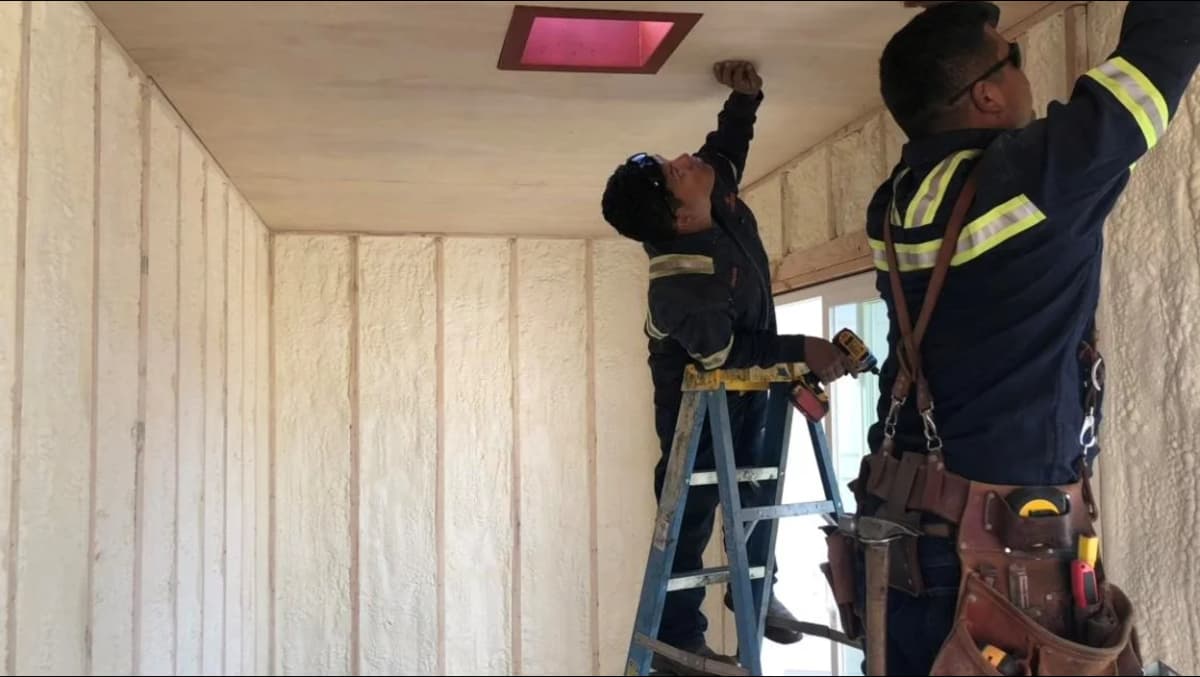
Louisiana bunker projects often need ventilation, moisture control, coatings, and utility planning because of the state’s humidity and storm exposure.
4. Corrosion-Resistant Features
Protective coatings, sealants, corrosion-resistant hardware, drainage, and regular inspections are important for containers exposed to Louisiana humidity, rain, and coastal air.
5. Security & Access
Security upgrades can include reinforced doors, lockboxes, steel personnel doors, interior partitions, lighting, cameras, alarms, and controlled access. If the space may be occupied, emergency egress and ventilation should be reviewed with local officials and qualified professionals.
6. Storage & Organization
Louisiana’s humidity makes storage planning important. Sealed bins, elevated shelving, climate control, moisture absorbers, and organized supply zones can help protect food, tools, documents, electronics, and emergency gear.
7. Power & Emergency Systems
Many bunker-style containers include LED lighting, outlets, generator-ready connections, battery backup, solar-ready wiring, communication equipment, or emergency power planning. Any electrical work should be permitted and installed by qualified professionals where required.
Louisiana Permits & Code Considerations
Before starting a Louisiana container bunker project, contact your local zoning office, building department, and floodplain administrator. Requirements depend on the property, structure size, placement method, utilities, intended use, and whether the container is temporary, permanent, occupied, above ground, or underground.
Common approvals to check include:
- Zoning approval: Confirms whether the container use is allowed on the property.
- Building permit: May be required for permanent structures, foundations, structural modifications, or occupied spaces.
- Floodplain development review: May be required in mapped flood hazard areas or coastal communities.
- Electrical permit: Often required for wiring, lighting, generator connections, or panels.
- Plumbing permit: May apply if adding sinks, tanks, bathrooms, drainage, or sewer/septic connections.
- Mechanical permit: May apply for HVAC, ventilation, exhaust, or climate-control systems.
- Grading or drainage review: May apply when excavation, filling, or site disturbance is involved.
For broader placement and permitting guidance, read our Louisiana shipping container zoning, permits, and building code guide.
Why Choose Conexwest for a Louisiana Container Bunker Project?
The quality of the container matters when you are planning a bunker-style project. A strong, wind- and watertight container provides a better starting point for storage, security, weather protection, and customization.
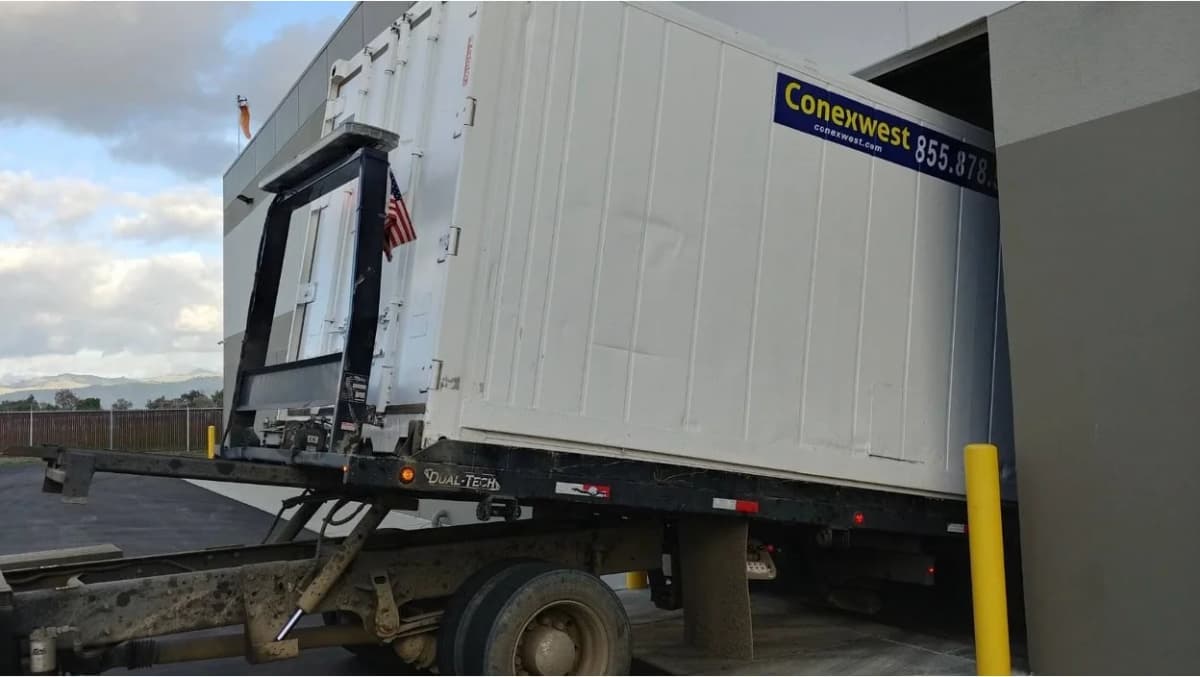
Conexwest offers multiple container sizes and conditions for storage, agricultural, commercial, jobsite, and custom projects.
Container Selection
Conexwest offers 10ft, 20ft, 40ft, and 45ft containers in multiple conditions. Customers can choose from standard storage containers, high cube containers, refrigerated containers, insulated containers, mobile office containers, and modified containers depending on the project.
Fabrication Options
Conexwest provides container fabrication options such as doors, windows, vents, insulation, electrical packages, shelving, HVAC, partitions, lockboxes, roll-up doors, and custom paint.
For bunker-style projects, fabrication should be coordinated with the final site plan, engineering requirements, drainage strategy, and local permit approvals.
Delivery Support
Conexwest provides shipping container delivery for residential, commercial, agricultural, and jobsite projects. Before delivery, Louisiana customers should confirm site access, placement area, driveway width, overhead clearance, turning radius, ground stability, and equipment needs.
Project Planning Guidance
Conexwest can help customers select the right container size, condition, and modification package. For underground, occupied, flood-prone, or storm-preparedness projects, customers should also work with qualified engineers, contractors, local building officials, and floodplain administrators where applicable.
A Louisiana container bunker starts with a reliable steel shell, but the final project depends on proper site planning, drainage, ventilation, moisture control, code compliance, and the right customization package.
Was this helpful?
Frequently Asked Questions
Above-ground containers are often more practical in Louisiana because they are easier to inspect, ventilate, elevate, drain, and maintain. Underground bunkers may be possible in some locations, but they require professional engineering, waterproofing, drainage, and floodplain review.
A properly designed and anchored container can provide strong storage and weather protection, but it should not be assumed to be a certified storm shelter unless it has been engineered and approved for that specific purpose. Wind, flooding, debris, anchoring, and access should all be reviewed by qualified professionals.
Water management is usually the biggest challenge. Flooding, groundwater, humidity, corrosion, and storm runoff can all affect container performance. Drainage, elevation, coatings, ventilation, and moisture control are critical.
They may. Permit requirements depend on the location, use, size, foundation, utilities, floodplain status, and whether the container is temporary or permanent. Contact the local zoning office, building department, and floodplain administrator before starting.
Yes. Conexwest sells shipping containers for storage, agricultural, commercial, jobsite, and custom projects. Conexwest also offers fabrication options such as doors, windows, vents, insulation, electrical packages, shelving, lockboxes, HVAC, and other modifications.