
Shipping containers may be legal in Louisiana, but approval depends on local zoning, property type, intended use, placement duration, utilities, and whether the container is temporary, permanent, occupied, or modified.
Louisiana Shipping Container Zoning & Permits | Conexwest
Louisiana Shipping Container Zoning & Permit Guide
Shipping containers can be used in Louisiana for storage, construction sites, commercial projects, agricultural properties, mobile offices, retail concepts, workshops, and some residential or accessory structures. But before placing or modifying a container, it is important to understand local zoning, parish rules, building permits, floodplain requirements, utility permits, and building code compliance.
Louisiana rules can vary widely by parish, municipality, zoning district, property type, and intended use. A container used temporarily for construction storage may face different requirements than a permanent container office, retail unit, accessory structure, or container-based residence.
This guide focuses specifically on Louisiana shipping container placement, permits, zoning, code basics, flood-prone locations, and project planning. For barndominiums, metal-building homes, and rural shop-home projects, see the separate Louisiana barndominium guide.
Key Takeaways
- Louisiana shipping container rules vary by parish and municipality, so always confirm local zoning before delivery or installation.
- Temporary storage containers, permanent storage units, commercial container structures, and residential conversions may each require different approvals.
- Projects may require zoning approval, building permits, electrical permits, plumbing permits, floodplain review, foundation approval, or inspections depending on location and use.
- Louisiana’s climate makes wind, rain, humidity, corrosion, drainage, and flood risk especially important for container placement and modification.
- Conexwest supplies shipping containers for storage, commercial, agricultural, jobsite, mobile office, and custom modification projects.
Are Shipping Containers Allowed in Louisiana?
Shipping containers may be allowed in Louisiana, but approval depends on where the property is located and how the container will be used. There is no single statewide rule that allows every container project on every property. Local zoning and permitting offices make the final determination for most placement questions.
Common container uses in Louisiana include:
- Temporary construction storage
- Commercial or industrial storage
- Agricultural and farm storage
- Mobile offices and jobsite offices
- Retail pop-ups or business structures
- Accessory storage structures
- Workshops or equipment rooms
- Container homes or occupied structures where allowed
The more permanent, occupied, or modified the container becomes, the more likely it is to require formal review, engineered plans, inspections, and code compliance.
Louisiana Zoning Rules for Shipping Containers
Zoning determines whether a container can be placed on a property, where it can sit, how long it can remain, what it can be used for, and whether it must meet appearance standards. Louisiana zoning rules are handled locally, so requirements differ across New Orleans, Baton Rouge, Lafayette, Shreveport, Lake Charles, St. Tammany Parish, Jefferson Parish, Ascension Parish, and other communities.
Residential Properties
On residential lots, containers may be treated as accessory structures, temporary storage units, construction containers, or alternative building materials depending on the local ordinance. Some areas may allow containers only temporarily, while others may require permits, setbacks, screening, exterior finishes, foundations, or removal after a certain period.
If the container will be used as a dwelling, guest space, accessory dwelling unit, or any occupied space, it will generally face more review than a basic storage container. Local officials may require plans showing structural safety, insulation, ventilation, egress, utilities, foundation design, and compliance with residential building codes.
Commercial and Industrial Properties
Commercial and industrial zones may be more flexible for container storage, jobsite use, equipment rooms, mobile offices, and modified container structures. However, approval is not automatic. Local rules may still address setbacks, parking, fire access, signage, screening, utilities, drainage, and how long temporary units may remain.
Agricultural and Rural Properties
Rural and agricultural properties may have more practical uses for containers, including feed storage, tool storage, equipment protection, farm offices, workshops, and storm-preparedness storage. Even then, parish rules, floodplain restrictions, driveway access, and utility permits may still apply.
Permits to Check Before Placing a Container
Permit requirements depend on the container’s use, size, placement method, utilities, foundation, and whether it is temporary or permanent. Before delivery, ask your local permitting office which approvals apply.
- Zoning approval: Confirms whether the proposed container use is allowed on the property.
- Building permit: May be required for permanent structures, occupied spaces, foundations, or structural modifications.
- Temporary use permit: May apply to construction storage, event use, or short-term placement.
- Electrical permit: Usually required when adding wiring, outlets, lighting, HVAC, refrigeration, or panels.
- Plumbing permit: May apply if the container includes sinks, restrooms, water tanks, drainage, sewer, or septic connections.
- Mechanical permit: May be required for HVAC, ventilation, refrigeration, or exhaust systems.
- Foundation or anchoring review: May apply for permanent structures, high-wind areas, elevated sites, or occupied units.
- Floodplain development review: May be required in mapped flood hazard areas or coastal communities.
- HOA or architectural approval: May apply in neighborhoods, subdivisions, business parks, and planned developments.
In some parishes, even a storage container may need to meet setback or screening rules. In others, temporary containers may be allowed only for a limited period. Confirm before ordering so the container does not arrive before the site is approved.
Louisiana Building Code Basics for Container Projects
Louisiana uses the Louisiana State Uniform Construction Code framework for construction standards. Container projects that become permanent structures, occupied spaces, or modified buildings may need to comply with applicable building, residential, mechanical, plumbing, electrical, energy, and fire-safety requirements.
For a simple storage container, code requirements may focus on placement, anchoring, setbacks, drainage, and local zoning. For a modified office, retail unit, workshop, or container home, officials may review the project more like a building.
Common review items include:
- Foundation or support system
- Wind resistance and anchoring
- Structural reinforcement after cutting doors or windows
- Emergency exits and egress
- Ventilation and indoor air quality
- Electrical, plumbing, and mechanical systems
- Insulation, energy compliance, and moisture control
- Fire access and fire-safety requirements
- Accessibility requirements for certain commercial or public uses
Because shipping containers were not originally built as occupied structures, any conversion project should be reviewed by local officials, contractors, and qualified design professionals before fabrication begins.
Floodplain, Storm & Coastal Considerations in Louisiana
Flood risk is one of the most important planning issues for Louisiana container projects. Coastal communities, river areas, low-lying properties, and storm-prone locations may have additional elevation, anchoring, drainage, and floodplain development requirements.
If a container is placed in a flood-prone location, local officials may require floodplain review, elevation documentation, anchoring details, or proof that the structure will not increase risk or obstruct drainage. New Orleans and other communities may treat grading, filling, repairs, and new construction as development that requires review.
For many Louisiana properties, an elevated or properly anchored above-ground container may be more practical than a ground-level or below-grade installation. Underground container projects are especially difficult in high-water-table or flood-prone areas and should not be attempted without professional engineering, waterproofing, drainage, emergency access, and local approval.
Examples of Local Rules to Ask About
Every parish and municipality can handle container placement differently. Instead of assuming one rule applies statewide, ask local officials direct questions about your project type.
New Orleans
In New Orleans, historic districts, floodplain rules, zoning overlays, design review, and neighborhood context can affect container projects. Permanent or occupied structures may require detailed plans, permits, and inspections. Temporary use, commercial use, and event-related containers may follow different review paths.
Baton Rouge and East Baton Rouge Parish
In Baton Rouge and East Baton Rouge Parish, container use may depend on zoning district, commercial versus residential use, setbacks, appearance, screening, drainage, and whether the container is temporary or permanent. Always confirm requirements with the local planning and permitting office.
St. Tammany Parish and Suburban Areas
Suburban and residential areas may regulate portable storage containers, accessory structures, screening, setbacks, and stacking. Some neighborhoods or HOAs may also limit industrial-looking structures, even when a parish permit is available.
Industrial, Port, and Commercial Areas
Industrial zones, port-adjacent areas, and commercial sites may allow more container-based uses, but fire access, utility connections, stormwater, traffic, parking, signage, and business licensing rules can still apply.
Tips for Complying With Louisiana Container Rules
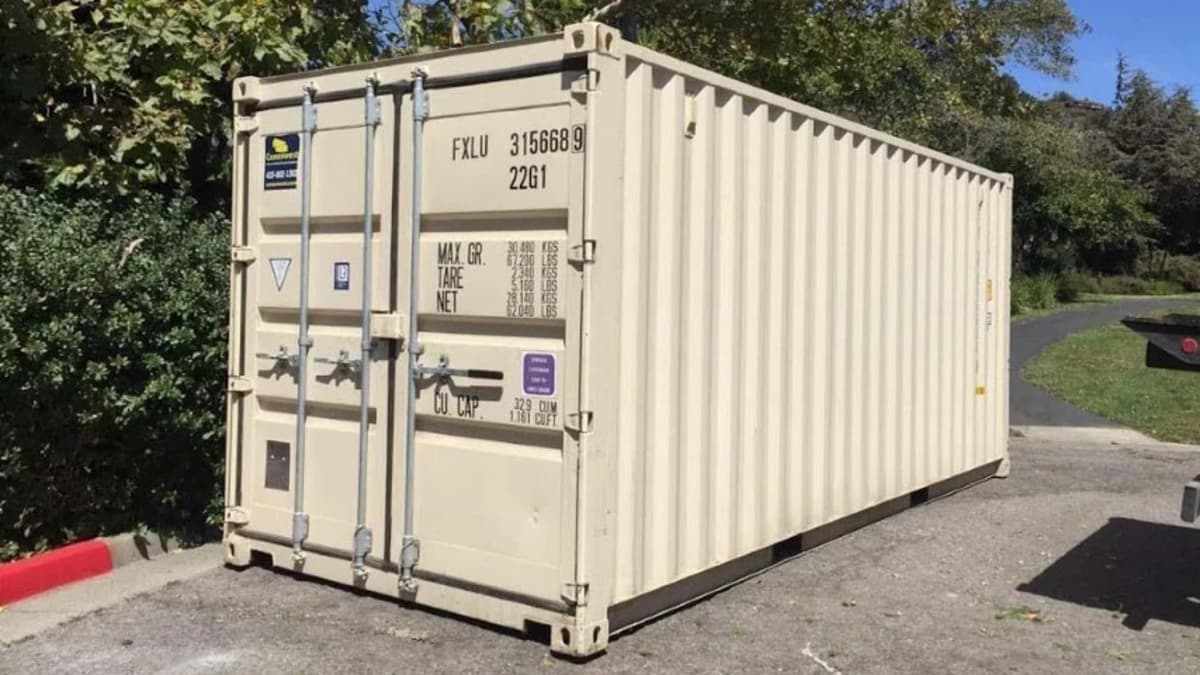
Planning ahead can help avoid delivery delays, permit issues, or required removal after placement.
- Start with zoning: Confirm whether the container use is allowed before buying or renting a unit.
- Define the use clearly: A storage container, jobsite office, retail unit, workshop, and residence may each be reviewed differently.
- Ask about temporary versus permanent placement: Time limits, permit types, foundations, and screening rules may change depending on duration.
- Confirm setbacks and screening: Ask how far the container must be from property lines, streets, buildings, driveways, drainage areas, and utilities.
- Review floodplain rules: Check whether the site is in a mapped flood hazard area or requires elevation, anchoring, or floodplain development review.
- Plan utilities early: Electrical, plumbing, HVAC, and refrigeration systems can trigger separate permits and inspections.
- Document modifications: Keep drawings, photos, engineering notes, invoices, and product specifications for permit review.
- Coordinate delivery access: Confirm driveway width, overhead clearance, turning radius, ground stability, placement direction, and equipment needs before delivery day.
How Conexwest Supports Louisiana Container Projects
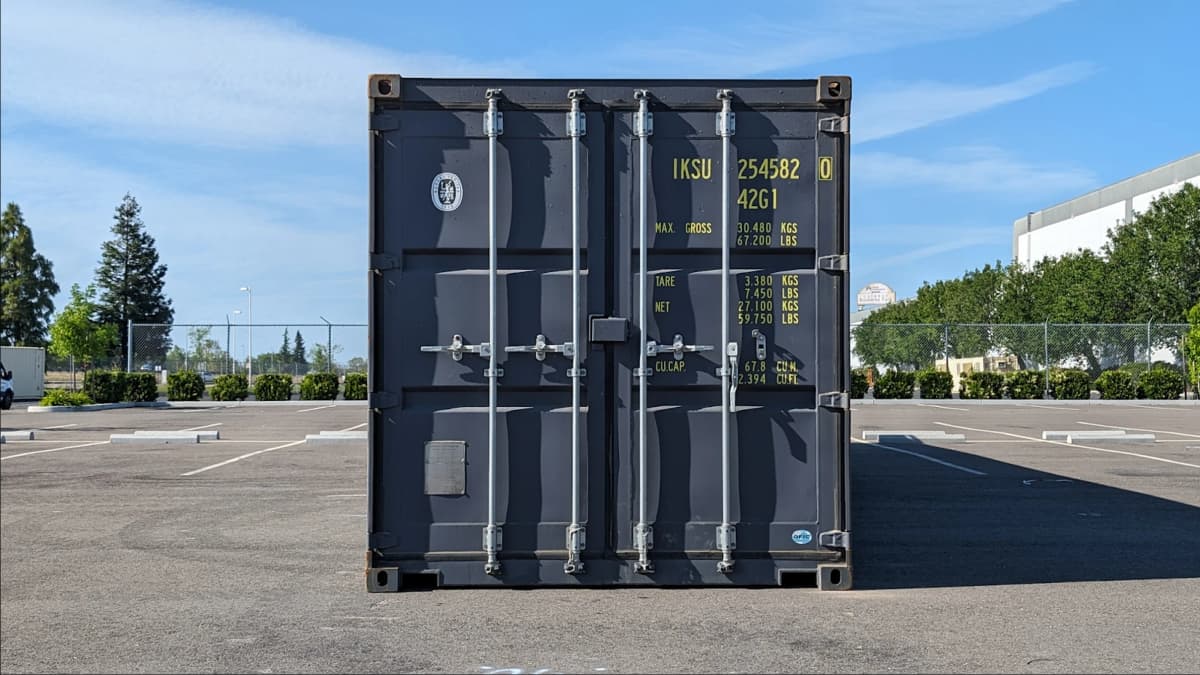
Conexwest sells and rents shipping containers in sizes from 10ft to 45ft for storage, commercial, agricultural, jobsite, and custom uses.
Container Sales and Rentals
Conexwest offers shipping containers for sale and storage container rentals for temporary and long-term needs. Customers can choose from standard storage containers, high cube containers, refrigerated containers, insulated containers, and mobile office containers.
Fabrication Options
Conexwest provides container fabrication options such as doors, windows, vents, insulation, electrical packages, shelving, partitions, lockboxes, roll-up doors, HVAC, and custom paint.
For permitted structures, fabrication should be coordinated with the final site plan, local approvals, and any engineering requirements before modifications begin.
Delivery Support
Conexwest provides shipping container delivery for residential, commercial, agricultural, and jobsite projects. Before delivery, customers should confirm site access, placement area, ground conditions, overhead clearance, and equipment needs.
Project Planning Guidance
Conexwest can help customers select the right container size, condition, and modification options. Local permitting, zoning, floodplain approval, and final code compliance should be confirmed with parish officials, city departments, licensed contractors, engineers, or architects as needed.
Was this helpful?
Frequently Asked Questions
You may need a permit depending on the location and use. Temporary construction storage, permanent storage, commercial use, residential conversion, utility connections, foundations, and floodplain placement can each trigger different requirements.
A container home may be possible where zoning allows it and the structure meets applicable residential building code, utility, foundation, egress, insulation, ventilation, and inspection requirements. Always confirm with local officials before purchasing land or ordering containers.
Not necessarily. Local zoning may regulate setbacks, screening, surface type, height, visibility, duration, utility connections, and whether the container can be used in a residential, commercial, agricultural, or industrial zone.
Conexwest can provide container fabrication options such as doors, windows, vents, insulation, electrical packages, shelving, partitions, lockboxes, HVAC, roll-up doors, and custom paint.
Yes. Conexwest provides shipping container delivery for residential, commercial, agricultural, jobsite, storage, and custom projects. Delivery planning should account for site access, ground conditions, placement area, turning radius, overhead clearance, and equipment needs.