
Florida container bunker costs vary based on size, condition, site work, reinforcement, ventilation, waterproofing, climate control, engineering, and installation. Simple container-based storage or shelter projects may start around $15,000, while customized or engineered bunker-style projects can reach $60,000 or more.
Container Bunkers Florida: Price, Customization Options & Where To Buy
2026 Florida Container Bunkers: Costs, Customization Options and Where to Buy
A Florida container bunker can be used as a reinforced shelter, storm-prep storage space, emergency supply room, secure equipment enclosure, or container-based refuge when it is properly planned, engineered, permitted, and installed. But a shipping container should not be treated as a ready-made underground bunker by default. Florida’s hurricanes, flood zones, high humidity, salt air, heavy rain, and local building rules all affect the design. This 2026 guide explains Florida container bunker costs, customization options, permitting considerations, climate planning, and where to buy shipping containers for bunker-style projects.
Key Takeaways
- Florida container bunker costs vary widely based on container size, condition, engineering, site work, reinforcement, ventilation, waterproofing, climate control, and installation.
- A basic container-based shelter or storage build may start in the lower five figures, while more customized or engineered bunker-style projects can reach $15,000 to $60,000+ depending on scope.
- Underground container bunkers are complex and risky. Full burial requires professional engineering, drainage, waterproofing, ventilation, excavation planning, and local permits.
- In Florida, humidity control, corrosion protection, drainage, hurricane anchoring, flood elevation, and ventilation are just as important as the container itself.
- Above-ground, partially buried, or bermed container shelters are often safer and easier to inspect than fully buried containers.
- Conexwest provides shipping containers for sale, storage container rentals, container fabrication services, and custom container modifications that can support bunker-style, shelter, storage, and emergency-preparedness projects.
What Is a Container Bunker?
A container bunker is a shipping container modified for shelter, secure storage, storm-prep supplies, emergency equipment, or protected workspace. Some container bunkers are placed above ground with reinforcement, anchoring, and security features. Others are partially buried or bermed with soil for concealment or temperature stability. Fully underground container bunkers require much more engineering because standard shipping containers are not designed to resist soil pressure on their walls and roof.
In Florida, container bunker planning is different from many other states because projects may need to account for hurricanes, flooding, high water tables, salt air, heavy rain, humidity, and strict local building rules. A container that works as above-ground storage may not be safe for underground use without structural reinforcement and professional design.
For underground-specific planning, read Conexwest’s guide on how deep you can bury a shipping container, how to reinforce a shipping container for underground use, and how to build an underground bunker using shipping containers.
Why Container Bunkers Are Popular in Florida
Florida residents and businesses often look for stronger shelter and storage options because the state faces hurricanes, flooding, storm surge, long power outages, and high humidity. Shipping containers can be attractive because they are made from steel, available in standard sizes, transportable, and highly customizable.
However, the container is only the starting point. A Florida container bunker must be designed around the intended use. A secure above-ground emergency supply container is different from a storm shelter. A partially buried storage container is different from an occupied underground bunker. The more people will rely on the structure for safety, the more engineering, code review, and life-safety planning matter.
Common Florida container bunker uses include:
- Emergency supply storage
- Hurricane preparation storage
- Secure equipment or tool storage
- Storm shelter support space
- Off-grid utility or battery storage
- Food, water, and medical supply storage
- Above-ground reinforced shelter concepts
- Partially buried or bermed shelter projects
- Private security or preparedness rooms
| Florida Challenge | Why It Matters | Container Planning Response |
|---|---|---|
| Hurricanes | High winds can create uplift and lateral loads. | Engineer anchoring, reinforcement, doors, openings, and site placement. |
| Flooding | Floodwater can block access, damage contents, and create buoyancy forces. | Check flood zones, drainage, elevation, anchoring, and waterproofing. |
| Humidity | Moisture can cause condensation, mold, corrosion, and equipment damage. | Use insulation, ventilation, dehumidification, and moisture control. |
| Salt air | Coastal exposure can accelerate corrosion. | Use protective coatings, corrosion-resistant hardware, and regular maintenance. |
| Local codes | Rules vary by county, city, zoning district, and intended use. | Confirm permits, zoning, setbacks, inspections, and engineering requirements early. |
Florida Container Bunker Costs in 2026
Container bunker costs in Florida depend on the base container, site preparation, engineering, delivery, reinforcement, climate control, waterproofing, ventilation, security, electrical work, interior finishing, and whether the container is above ground, bermed, partially buried, or fully underground.
As a general planning range, simpler container-based shelter or storage projects may start around $15,000, while more customized bunker-style builds can reach $60,000+. Fully underground or highly engineered projects can cost significantly more because they require excavation, drainage, waterproofing, structural reinforcement, ventilation, emergency egress, and professional design.
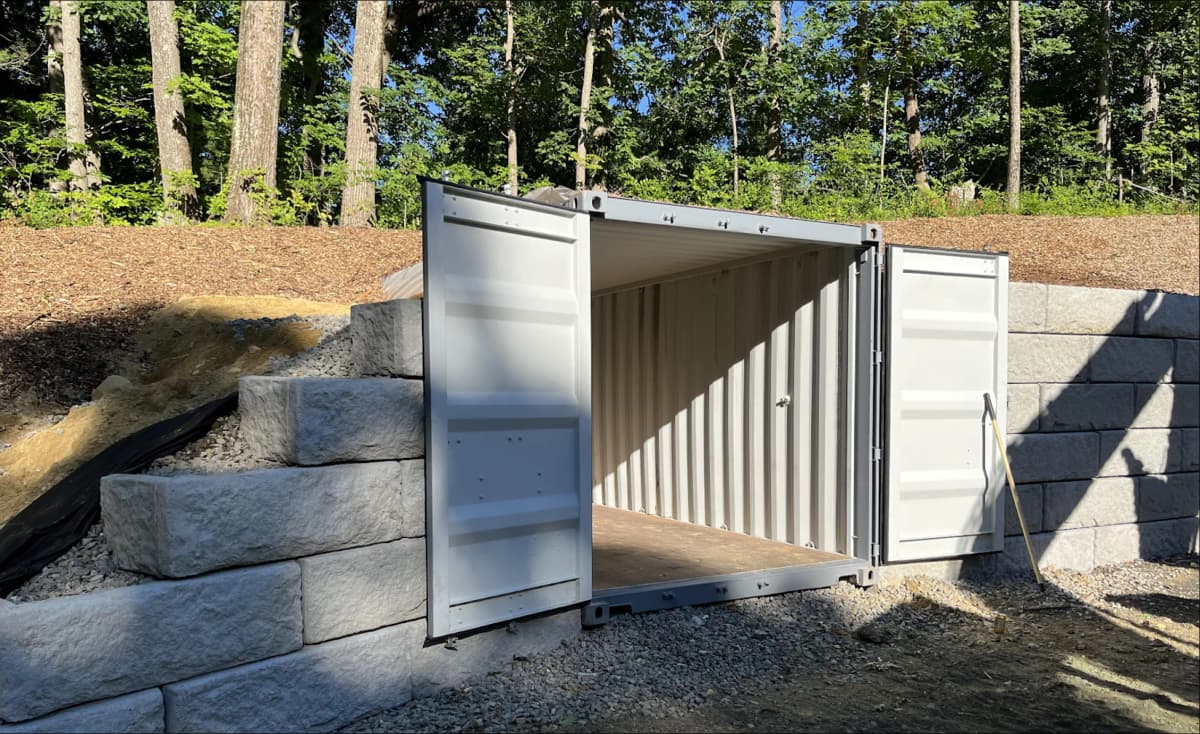
Container bunker costs depend on the base container, engineering, site work, reinforcement, climate control, waterproofing, and installation requirements.
Base Container Pricing
Base container cost is only one part of the total project. Conexwest currently lists 20ft shipping containers from $1,325 and 40ft shipping containers from $1,669. Final pricing depends on delivery zip code, condition, availability, tax, delivery, and selected options.
| Container Size | Best For | Planning Notes |
|---|---|---|
| 20ft shipping container | Compact emergency storage, storm supplies, small shelter concepts, secure equipment storage | Easier to place, lower starting cost, less interior room after reinforcement or buildout. |
| 40ft shipping container | Larger bunker-style layouts, equipment storage, supply rooms, multi-zone storage | More usable space, but more site clearance, delivery access, and structural planning required. |
| High cube container | Projects needing extra interior height for ventilation, shelving, bunk layouts, or utility systems | Extra height can help, but taller walls may require additional structural review for burial or berming. |
Browse 20ft shipping containers, 40ft shipping containers, and all shipping containers for sale.
2026 Florida Container Bunker Cost Breakdown
| Cost Category | Typical Planning Range | What Affects Cost |
|---|---|---|
| Base container | Varies by size and condition | 20ft vs 40ft, new vs used vs refurbished, delivery location, availability. |
| Site preparation | Approx. $1,500–$10,000+ | Clearing, grading, gravel pad, concrete pad, access, drainage, soil conditions. |
| Foundation or anchoring | Approx. $2,500–$15,000+ | Concrete footings, slab, piers, hurricane anchoring, flood-zone planning. |
| Structural reinforcement | Approx. $5,000–$25,000+ | Steel beams, wall bracing, roof support, engineered openings, burial or berming design. |
| Waterproofing and drainage | Approx. $3,000–$20,000+ | French drains, gravel base, membranes, sump pumps, drainage discharge, flood risk. |
| Climate control | Approx. $2,500–$8,000+ | HVAC, dehumidification, insulation, ventilation, electrical needs. |
| Electrical and solar backup | Project-specific | Lighting, outlets, battery systems, solar components, transfer switch, backup power. |
| Interior buildout | Approx. $15–$75+ per sq. ft. | Wall panels, flooring, bunks, shelving, storage, utility areas, finishes. |
| Permits and engineering | Approx. $2,000–$15,000+ | Local requirements, engineering drawings, plan review, inspections, site complexity. |
These are planning ranges only. Final cost depends on your Florida county, site conditions, container type, engineering requirements, installation method, and customization level.
Above-Ground vs Bermed vs Underground Container Bunkers
Not every container bunker should be underground. In many Florida locations, high water tables, flooding, sandy soils, and drainage challenges make full burial expensive and risky. Above-ground, anchored, reinforced, or bermed designs may be safer and easier to maintain.
| Installation Type | Best For | Important Considerations |
|---|---|---|
| Above-ground reinforced container | Emergency storage, storm supplies, secure equipment, basic shelter support | Requires anchoring, wind planning, ventilation, insulation, and security upgrades. |
| Bermed container | Temperature stability, lower visibility, partial earth sheltering | Requires drainage, waterproofing, structural review, and careful grading. |
| Partially buried container | Projects needing some underground protection without full roof load | Requires engineering, waterproofing, drainage, ventilation, and access planning. |
| Fully underground container | Only professionally engineered underground projects | Highest risk and cost. Requires structural engineering, excavation safety, drainage, ventilation, emergency exits, and permits. |
For more on underground limitations, read how deep you can bury a shipping container and how to reinforce a shipping container for underground use.
Top Florida Container Bunker Customization Options
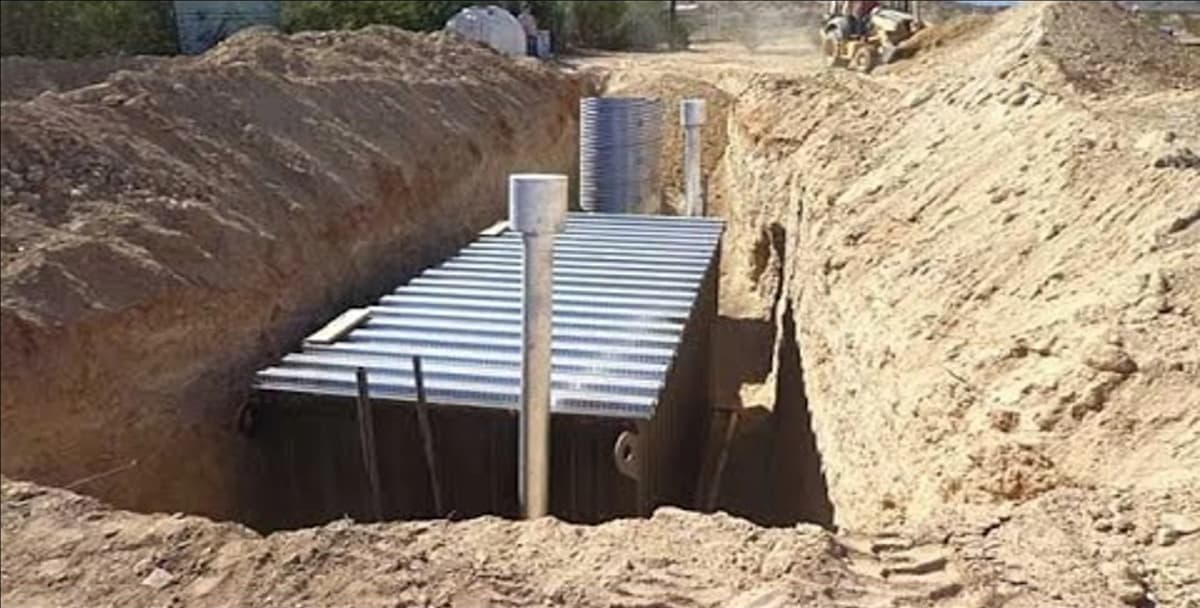
Florida container bunker projects should be customized around weather exposure, access, ventilation, drainage, security, and intended use.
1. Hurricane Anchoring and Structural Reinforcement
Florida bunker-style containers should be planned for wind, uplift, lateral forces, and site-specific exposure. A standard container can be heavy and strong, but it still needs anchoring and reinforcement if it will be used as a shelter, storm-prep structure, or partially buried installation.
Reinforcement may include engineered anchor points, foundation connections, internal bracing, roof reinforcement, upgraded doors, and structural review of any wall or roof penetrations. Any claim about hurricane performance should be supported by engineering for the specific site and installation method.
2. Climate Control and Dehumidification
Florida’s heat and humidity make climate control critical. A sealed steel container can trap heat and moisture, which can damage supplies and make the interior uncomfortable. Depending on the use, the build may need insulation, HVAC, dehumidification, ventilation, and moisture-resistant interior materials.
For related moisture planning, read Conexwest’s guides on shipping container insulation options and how to stop condensation in shipping containers.
3. Ventilation and Airflow Systems
Any enclosed shelter or bunker-style container needs fresh air intake and exhaust planning. If people may occupy the space during an emergency, ventilation must be designed carefully. Underground or partially buried installations also need sealed penetrations to prevent water intrusion.
Ventilation options may include passive vents, powered fans, filtered ventilation, emergency backup airflow, and separate intake/exhaust paths. Occupied shelters should be designed by qualified professionals.
4. Water, Electrical and Backup Power
Florida emergency-preparedness projects often include water storage, backup power, lighting, outlets, battery systems, and sometimes solar support. Electrical systems should be designed for moisture, heat, corrosion, and safe access. Backup power planning is especially important during hurricane season when outages can last for days.
For solar-related planning, read Conexwest’s guide on solar panels for shipping containers.
5. Waterproofing and Drainage
Water is one of the biggest threats to container bunkers in Florida. High water tables, storm surge, heavy rain, and saturated soil can create major problems for underground or partially buried structures. Waterproofing should work with drainage, not replace it.
Planning may include raised placement, gravel pads, French drains, foundation membranes, sump pumps, waterproof coatings, surface grading, and flood-aware site selection. For related information, see Conexwest’s guide on whether shipping containers are flood waterproof.
6. Interior Layouts and Emergency Storage
Interior design should focus on function first. Bunker-style containers often need shelving, bunks, water storage, food storage, first-aid storage, battery storage, communication gear, lighting, ventilation equipment, and clear walkways.
For compact layouts, fold-away furniture, wall-mounted storage, modular shelves, and separated utility zones can help maximize usable space inside a 20ft or 40ft container.
7. Security Features and Access Points
Security upgrades can include reinforced doors, lockboxes, keypad locks, steel shutters, interior partitions, emergency exits, and concealed or protected access points. For safety, any occupied bunker-style container should have more than one safe exit path where required by code and good emergency planning.
Florida Permits and Legal Considerations
Container bunker permit requirements vary across Florida. A container used for temporary storage may be treated differently from a permanent structure, storm shelter, accessory building, or occupied space. Underground or partially buried installations are more likely to require engineering, excavation review, drainage planning, and inspections.
Before ordering or installing a container bunker, confirm:
- Whether shipping containers are allowed on the property
- Whether the bunker is considered temporary or permanent
- Setbacks from property lines, buildings, wetlands, and roads
- Flood zone and storm surge risks
- Foundation and anchoring requirements
- Electrical, plumbing, and mechanical permit requirements
- Excavation, grading, and drainage requirements
- Whether the structure may be occupied
- Emergency egress and ventilation requirements
- HOA or deed restrictions
For Florida-specific legal guidance, review Conexwest’s Florida shipping container zoning and permit guide.
Where to Buy Container Bunkers in Florida
The best place to buy a container bunker depends on whether you need a base container, a modified storage container, a reinforced shelter concept, or an engineered underground structure. For many projects, the safest path is to start with a high-quality container and then work with engineers, contractors, and fabricators to complete the design.
Conexwest offers shipping containers in multiple sizes and conditions, along with modification and fabrication services that can support bunker-style storage, storm-prep spaces, secure equipment rooms, utility rooms, and specialty container builds.
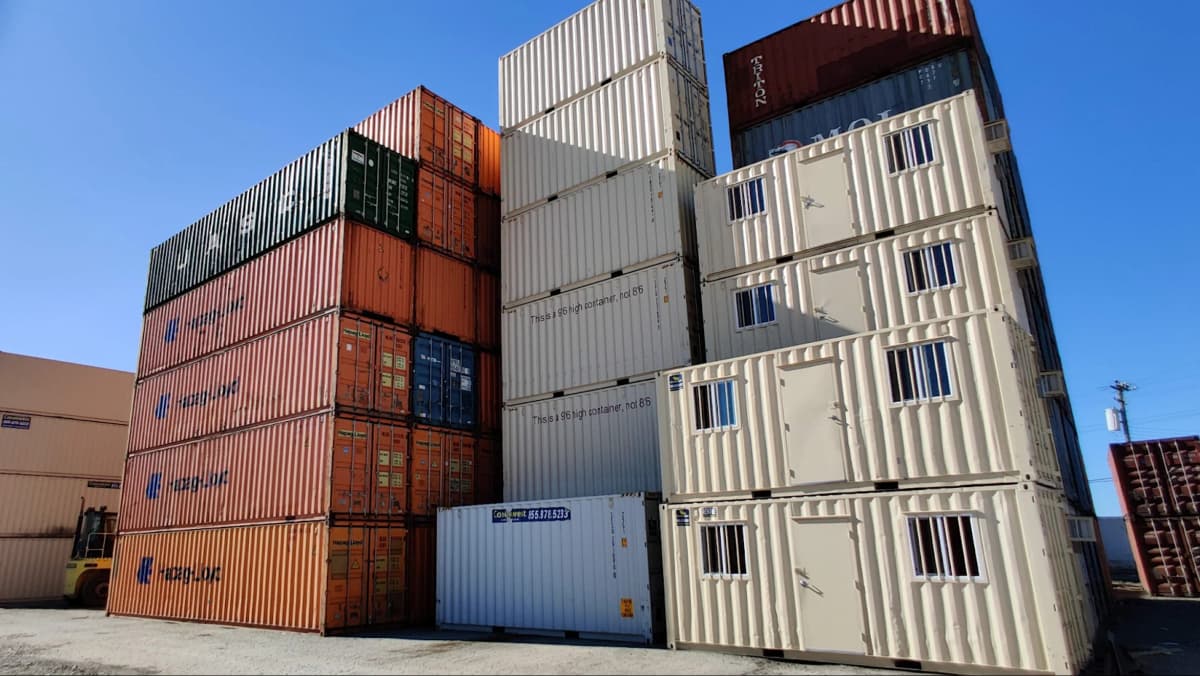
Choosing the right container size, condition, and modification package is the first step in planning a Florida container bunker project.
Conexwest can support Florida container bunker projects with:
- Shipping containers for sale in multiple sizes and conditions
- Storage container rentals for temporary storm-prep or project support
- Container fabrication services for doors, vents, openings, partitions, and custom work
- Customization options such as insulation, electrical, HVAC, shelving, flooring, and security upgrades
- Shipping container modification planning for specialty builds
- Delivery coordination and container selection support for project needs
Conexwest does not guarantee that a standard container is automatically hurricane-rated, floodproof, or safe for burial. Those requirements depend on the site, engineering, installation method, anchoring, drainage, ventilation, and local code approval.
Planning Checklist Before Buying a Florida Container Bunker
Before buying a container or starting modifications, define the project clearly. This helps determine whether you need standard storage, a storm-prep container, a reinforced shelter, a bermed structure, or a professionally engineered underground bunker.
- Will the container be used for storage, shelter, or occupied space?
- Will it be above ground, bermed, partially buried, or fully underground?
- Is the property in a flood zone or hurricane evacuation area?
- Does the site have high groundwater or poor drainage?
- Do local zoning rules allow shipping containers?
- Are permits, engineering drawings, or inspections required?
- How will the container be anchored?
- What ventilation, HVAC, or dehumidification is needed?
- Do you need electrical power, backup power, water storage, or solar?
- What emergency access and exit paths are required?
- How will corrosion and moisture be controlled long term?
Was this helpful?
Frequently Asked Questions
Full burial is complex and risky, especially in Florida where high water tables, flooding, and saturated soil are common. A standard container should not be buried without professional engineering, reinforcement, drainage, waterproofing, ventilation, excavation planning, and permits.
A shipping container is strong, but hurricane performance depends on engineering, anchoring, foundation design, openings, reinforcement, location, and installation. No standard container should be assumed to be hurricane-rated by default. Work with qualified professionals to design for site-specific wind and flood conditions.
Lifespan depends on container condition, coatings, drainage, corrosion protection, humidity control, ventilation, maintenance, and whether the container is exposed to salt air or soil moisture. Coastal and buried installations require more aggressive corrosion and moisture planning.
Permit requirements vary by county and use. You may need zoning approval, building permits, foundation or anchoring details, electrical permits, mechanical permits, drainage review, floodplain review, excavation permits, or inspections. Contact your local building department before ordering or installing a container.
A 20ft container may work for compact emergency storage or small shelter concepts. A 40ft container provides more room for supplies, equipment, and separated interior zones. High cube containers add height but may require additional structural review for burial or reinforcement.
Important modifications may include anchoring, reinforcement, ventilation, insulation, HVAC, dehumidification, waterproofing, drainage, electrical systems, emergency lighting, secure doors, shelving, and corrosion-resistant coatings.
Conexwest sells shipping containers and provides container modification and fabrication services that can support bunker-style, emergency storage, storm-prep, and shelter-related projects. Final bunker design, engineering, permitting, and installation must be handled according to the specific site and local requirements.