
Zoning laws in Florida vary by locality, but generally they regulate the placement, size, and use of shipping containers. In some areas, containers are classified as temporary structures and may be subject to different rules than permanent buildings. It's important to consult with local zoning offices to understand the specific regulations that apply to your area. In certain zones, particularly residential ones, shipping containers may face restrictions or be prohibited altogether. Checking the zoning classification of your property is the first step in planning your shipping container project.
Florida Shipping Container Zoning Laws, Permits & Building Code Requirements
Florida Shipping Container Zoning Law, Permit & Building Code Guide
Florida continues to see growing interest in shipping container construction as developers, homeowners, and businesses look for flexible, cost-effective building solutions. From coastal properties to inland developments, containers are being used for residential homes, storage facilities, and commercial structures across the state. But before starting any project, one factor determines everything else: local zoning laws and building code requirements. While Florida allows container-based construction, regulations vary by county and municipality, making it essential to understand permitting, zoning restrictions, and compliance standards before moving forward. This guide breaks down how shipping container regulations work in Florida and what it takes to build legally.
Key Takeaways
- Florida requires zoning permits for temporary portable storage containers (TPSC) that stay on a property for less than 180 days.
- A building permit is necessary if a shipping container remains on-site for more than 180 days.
- Shipping containers must comply with specific building codes, which include structural integrity and safety standards.
- Local authorities should be consulted to ensure compliance with all regulations.
- Conexwest offers a wide range of customizable shipping containers and reliable customer service.
Shipping Container Zoning Laws, Permits & Building Code Requirements in Florida
Zoning Laws
Florida's zoning laws are designed to regulate land use and ensure that developments are compatible with their surroundings.
When it comes to shipping containers, zoning laws determine where and how these containers can be placed. The rules vary by county and city, so it's essential to check with local zoning offices for specific regulations.
- Shipping containers may be classified as temporary structures, requiring different permits than permanent buildings.
- Some areas might have restrictions on the size, color, or placement of containers to maintain the aesthetic of the neighborhood.
- In certain zones, containers might be prohibited altogether, particularly in residential areas.
Most importantly, zoning laws are in place to prevent disruptions to community planning and ensure that developments do not negatively impact property values or the environment.
Conexwest, a leader in shipping and storage solutions based in Northern California, offers new, used, and refurbished containers from 10ft to 45ft, with fast delivery within 3-7 days and container fabrication options like adding shelves and locks. We serve over 10,000 customers nationwide, including prestigious clients like the U.S. Navy and Google. As an ISO 9001 and AWS-certified company, we ensure top quality and competitive pricing. |
Permits
Depending on how long you plan to keep the container on your property, different permits may be required.
For instance, if a shipping container is to be placed on a property for less than 180 days, a zoning permit is typically sufficient. However, if the container is to remain for more than 180 days, a building permit is also necessary.
Building Code Requirements
Building codes are in place to ensure that structures are safe and meet minimum standards for construction. Shipping containers, when used as buildings or storage units, must adhere to these codes to ensure their structural integrity and safety.
Florida's building code requirements for shipping containers may include:
- Ensuring the container is structurally sound and capable of withstanding local weather conditions, including hurricanes.
- Adhering to fire safety standards, which may involve installing appropriate fire suppression systems.
- Meeting energy efficiency requirements, particularly if the container is to be used as a living space or office.
Understanding and complying with these requirements is essential to ensure that your shipping container project is successful and legally compliant.

Florida requires shipping container buildings to adhere to local building codes and regulations for safety reasons
Understanding Permit Applications
The first step in the permit application process is to determine the type of permit required for your shipping container project. As mentioned earlier, this depends on the duration the container will be on your property and its intended use.
Once you've identified the appropriate permit, gather all necessary documentation. This typically includes site plans, proof of property ownership, and detailed descriptions of the container's use. It's important to ensure all information is accurate and complete to avoid delays in the approval process.
Submitting incomplete or incorrect information will lead to your application being rejected or delayed, so make sure you have all the documents needed.
Common Mistakes to Avoid
When dealing with zoning laws, permits, and building codes, several common mistakes can derail your project.
One of the most frequent errors is failing to consult with local authorities early in the planning process. Local zoning offices can provide valuable insights into specific regulations that apply to your area, helping you avoid potential pitfalls.
Another mistake is underestimating the time it takes to secure permits. Permit approval can be a lengthy process, especially if there are issues with your application. Therefore, it's essential to start the application process well in advance of your planned project start date.
You should also ensure that you are aware of any updates or changes to local regulations, as these can impact your project plans.
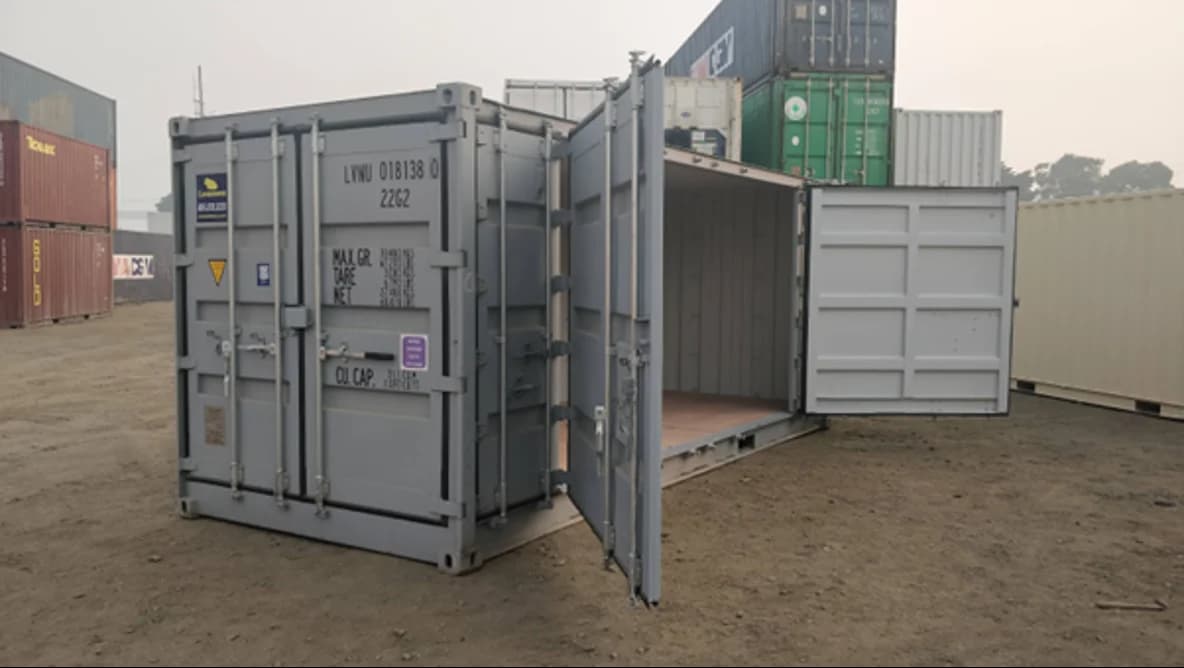
At Conexwest, we offer a full range of shipping container sizes and fabrication options for your building project
Why You Should Choose Conexwest For Your Shipping Container Needs
Because we really know shipping containers, and we can help you with everything you need - it really is as simple as that.
We offer a full range of services, from sales and rentals to customization and delivery. Our commitment to quality and customer satisfaction makes us the ideal choice for all your shipping container needs.
From temporary storage solutions to permanent building structures, we have the perfect container for you.
Range of Shipping Containers
Our inventory includes a variety of container sizes, ranging from 10ft to 45ft, to accommodate any project requirement. We provide new, used, and refurbished containers so that you have options that fit your budget and preferences. Our containers are designed to withstand harsh weather conditions and provide secure storage for your valuables.
Customization Options
At Conexwest we offer extensive customization options to tailor our containers to your specific needs - including extra shelving, office space, or custom workshop areas.
We can modify our containers to suit your requirements. Our team of experts will work closely with you to ensure that the final product meets your expectations and serves its intended purpose.
Our fabrication services include a range of modifications such as installing windows, doors, electrical systems, and insulation. We also offer painting and branding options to match your business's aesthetic.
Was this helpful?
Frequently Asked Questions
The time it takes to secure a shipping container permit can vary depending on the complexity of your project and the efficiency of the local permitting office. Generally, it can take anywhere from a few weeks to a few months. It's essential to start the application process early to avoid delays. Submitting a complete and accurate application can help expedite the process. Ensure that you have all necessary documentation, including site plans and descriptions of the container's intended use, before submitting your application.
• Some localities may impose size restrictions based on zoning classifications.• Containers used for residential purposes may need to meet specific square footage requirements.• Height restrictions could apply, especially in areas with scenic or historical preservation considerations.It's crucial to check with your local zoning office to determine any size restrictions that may apply to your project. Understanding these limitations can help you plan your container placement and modifications effectively. Besides that, being aware of size restrictions ensures compliance with local regulations and avoids potential fines or project delays.
Failing to comply with building code requirements can result in significant consequences, including fines, legal action, or being required to remove or modify the non-compliant structure. Compliance with building codes ensures the safety and structural integrity of your container and protects you from potential liability issues. Therefore, it's a must to work with professionals who understand the codes and can help you meet the requirements.
At Conexwest, we pride ourselves on providing exceptional customer care throughout the entire process of selecting, customizing, and delivering shipping containers. Our team is dedicated to offering personalized support and guidance to ensure your project is successful and meets your specific needs.