
Can You Build a Barndominium in Florida? | Laws, Cost & Expert Tips
2026 Florida Barndominium Laws, Costs and Building Tips
Building a barndominium in Florida can be appealing because it combines open-concept living, durable metal construction, flexible layouts, and the option to include garage, workshop, storage, or agricultural space under one roof. But Florida is not the easiest state for alternative housing. Barndominiums must meet the Florida Building Code, local zoning rules, floodplain requirements, wind-load design standards, energy requirements, and county-specific permitting rules. This 2026 guide explains Florida barndominium laws, estimated costs, hurricane requirements, financing challenges, insurance considerations, and how shipping containers may support barndominium-style projects when properly designed and permitted.
Key Takeaways
- Barndominiums can be legal in Florida, but approval depends on zoning, land use, county rules, deed restrictions, HOA rules, building permits, and engineering documentation.
- Florida uses a statewide building code, but local counties and municipalities control zoning, setbacks, land use, floodplain rules, and permit review.
- Barndominiums and metal residential structures must be engineered for Florida wind, hurricane, moisture, corrosion, drainage, and energy-code requirements.
- In 2026, planning budgets commonly range from about $100 to $190+ per square foot, depending on location, finish level, site work, foundation, hurricane upgrades, utilities, and permitting.
- Coastal and flood-prone areas can cost more because of higher wind design requirements, flood elevation rules, corrosion exposure, drainage needs, and insurance considerations.
- Conexwest does not build full barndominiums, but shipping containers and container fabrication services may support container-based structures, storage, workshops, offices, and modular project components when properly engineered for the site.
What Makes Florida Different for Barndominiums in 2026?
Florida is different from many states because severe weather drives much of the building process. Wind design, hurricane-resistant construction, flood elevation, drainage, corrosion resistance, moisture control, and impact protection can all affect how a barndominium is designed and permitted.
The Florida Building Code applies statewide, but individual counties and cities still control zoning, land use, setbacks, architectural rules, accessory structure requirements, and permit review. That means a barndominium may be easier to permit on rural agricultural land than in a coastal city, HOA community, or urban neighborhood with strict architectural standards.
As of 2026, many projects are still reviewed under the Florida Building Code, 8th Edition (2023), which became effective on December 31, 2023. The Florida Building Commission’s workplan for the 9th Edition (2026) lists December 31, 2026 as the effective date. Always confirm which edition applies when you submit your permit application.
| Florida Requirement | Why It Matters for Barndominiums |
|---|---|
| Florida Building Code | Controls structural, wind, energy, roofing, electrical, mechanical, plumbing, and residential building requirements. |
| County and city zoning | Determines whether barndominiums, metal homes, agricultural residences, accessory structures, or mixed-use layouts are allowed on a parcel. |
| Wind-load design | Structures must be engineered for local wind speeds, exposure category, risk category, and site-specific conditions. |
| Floodplain rules | Coastal and low-lying sites may require elevation, flood vents, drainage improvements, or special foundation design. |
| Energy code | Insulation, windows, doors, HVAC, air sealing, and moisture control must meet applicable energy requirements. |
| HOA or deed restrictions | Some communities restrict or prohibit metal structures, nontraditional homes, or visible metal siding. |
For related Florida container-home planning, read Conexwest’s guide on building a container home in Florida and the Florida shipping container zoning and permit guide.
Are Barndominiums Legal in Florida?
Barndominiums can be legal in Florida, but they are not automatically allowed everywhere. Approval depends on the parcel’s zoning district, local land-use rules, building classification, intended use, exterior appearance, utility connections, and whether the structure will be used as a primary residence, accessory dwelling, agricultural building, workshop, or mixed-use structure.
Rural and agricultural areas often provide more flexibility, especially where large lots, farm uses, workshops, or detached buildings are common. Urban, coastal, and deed-restricted communities may be more difficult because local rules may require conventional residential architecture, specific exterior materials, minimum living-area standards, or neighborhood design approval.
Before buying land, confirm:
- Whether residential barndominiums are allowed on the parcel
- Whether metal buildings or metal siding are restricted
- Minimum home size and occupancy requirements
- Setbacks from property lines, roads, wetlands, and water bodies
- Whether mixed residential/workshop use is allowed
- Whether an HOA or deed restriction applies
- Whether the property is in a flood zone or coastal high-hazard area
- Whether utilities, septic, well, stormwater, or driveway permits are required

Coastal and flood-prone areas may require elevated foundations, additional drainage planning, corrosion-resistant materials, and site-specific engineering.
Florida Barndominium Zoning and Permit Requirements
Every Florida barndominium intended for residential use should be planned as a permitted building project. Even if the metal shell or kit is prefabricated, the finished structure still needs to comply with local zoning, the Florida Building Code, structural engineering requirements, utility rules, and inspection requirements.
| Permit or Review | What It Usually Covers |
|---|---|
| Zoning review | Confirms whether the use, structure type, setbacks, height, lot coverage, and exterior design are allowed. |
| Building permit | Reviews structural plans, foundation, framing, roofing, wind loads, life safety, and code compliance. |
| Electrical permit | Covers wiring, panels, outlets, lighting, grounding, and electrical service. |
| Mechanical permit | Covers HVAC, ventilation, dehumidification, ductwork, and mechanical equipment. |
| Plumbing permit | Covers water supply, fixtures, drainage, septic or sewer connections, and water heaters. |
| Floodplain review | May be required for flood zones, coastal areas, elevated foundations, drainage, and flood-resistant construction. |
| Septic, well, driveway, or stormwater permits | May apply depending on land conditions, rural utilities, road access, and drainage design. |
Local rules can change by county and city, so always contact the local planning department and building department before purchasing land or ordering materials.
Hurricane Code and Wind-Load Compliance
Hurricane resistance is one of the most important parts of building a barndominium in Florida. Metal structures must be engineered for site-specific wind loads, roof uplift, lateral forces, wall bracing, foundation anchoring, door and window performance, and impact protection where required.
Florida wind design is not one simple statewide number. Required wind design depends on location, exposure category, risk category, building height, local wind maps, and whether the site is in a wind-borne debris region or High Velocity Hurricane Zone. Coastal and South Florida sites can require stronger design than inland northern areas.
Hurricane-related design items may include:
- Engineered roof-to-wall and wall-to-foundation connections
- Foundation anchoring designed for uplift and lateral loads
- Wind-rated garage doors, entry doors, windows, and large openings
- Impact-rated glass or approved hurricane protection where required
- Structural bracing for metal frames, roof systems, and wall panels
- Corrosion-resistant fasteners and materials in coastal environments
- Roof systems designed for Florida wind uplift and rain exposure
- Site drainage to manage heavy rain, stormwater, and flood risk
Because requirements are site-specific, work with a Florida-licensed engineer, architect, or qualified building professional before finalizing a barndominium design.
Florida Barndominium Costs in 2026
Florida barndominium costs vary widely in 2026. As a planning range, many finished barndominium-style builds may fall around $100 to $190+ per square foot, depending on location, finish level, site work, engineering, utilities, foundation, hurricane design, and interior buildout. Coastal, flood-prone, or highly regulated areas can cost more.
Lower-cost estimates usually apply to simpler rural builds, basic finishes, and easier sites. Higher-cost estimates usually involve coastal wind requirements, elevated foundations, impact-rated openings, premium interiors, complex utilities, or difficult land preparation.
Estimated 2026 Cost Ranges by Project Component
| Cost Component | Typical 2026 Planning Range | What Affects the Cost |
|---|---|---|
| Metal shell or building package | Approx. $35–$65 per sq. ft. | Size, steel package, roof system, wall panels, openings, engineering, wind design, and supplier. |
| Foundation | Approx. $15–$35+ per sq. ft. | Slab, piers, elevation, soil conditions, high water table, flood zone, and structural anchoring. |
| Interior buildout | Approx. $50–$110+ per sq. ft. | Framing, insulation, drywall, flooring, kitchens, bathrooms, finishes, fixtures, and labor. |
| HVAC, electrical, and plumbing | Approx. $20–$45+ per sq. ft. | System size, electrical service, dehumidification, plumbing layout, septic/well needs, and fixtures. |
| Engineering and permitting | Approx. $5,000–$25,000+ | County requirements, structural plans, site plans, floodplain review, energy documents, and revisions. |
| Hurricane and flood upgrades | Approx. $15,000–$50,000+ | Impact windows, shutters, elevated foundations, stronger anchoring, drainage, corrosion resistance, and wind zone. |
These ranges are planning estimates only. Final costs depend on the specific parcel, county, contractor, design, materials, delivery, and current local labor market.
Cost by Florida Location
Location can make a major difference in Florida. Rural inland counties generally offer more affordable land and fewer design restrictions. Coastal and urban areas often have higher land costs, stronger wind and flood requirements, stricter design review, and more expensive insurance.
| Florida Area Type | Cost Pressure | Why It Matters |
|---|---|---|
| Rural inland counties | Lower to moderate | Often more flexible zoning, more land availability, and fewer architectural restrictions. |
| Central Florida | Moderate | Costs vary by county, site utilities, land conditions, and proximity to growing metro areas. |
| Coastal counties | High | Higher wind, flood, corrosion, insurance, and elevation considerations can increase total costs. |
| Urban and HOA areas | Moderate to high | May have stricter architectural rules, design review, minimum home size, and exterior material standards. |
| Flood-prone parcels | High | May require elevation, fill, drainage, flood vents, special foundations, and additional engineering. |
Climate Considerations for Florida Barndominiums

Florida’s heat, humidity, rain, storms, and coastal exposure create special challenges for metal buildings. Barndominiums need strong moisture control, insulation, ventilation, HVAC, and drainage planning to avoid condensation, mold risk, corrosion, and comfort problems.
Metal buildings can heat up quickly and can experience condensation when humid air meets cooler metal surfaces. To reduce risk, many Florida barndominium designs use insulation, air sealing, vapor control, dehumidification, and mechanical ventilation.
Climate design priorities include:
- Closed-cell spray foam or another insulation system designed for humid climates
- Vapor and moisture control based on the wall and roof assembly
- Dedicated dehumidification or HVAC humidity control
- Ventilation that supports indoor air quality and moisture management
- Cool roof strategies or reflective roofing where appropriate
- Large overhangs or shading to reduce heat gain
- Stormwater drainage away from the structure
- Corrosion-resistant materials near saltwater or coastal exposure
For related moisture planning, read Conexwest’s guides on spray foam insulation and condensation and moisture in storage containers.
Finding the Right Florida Property
Land selection can make or break a Florida barndominium project. A cheaper parcel may become expensive if it has poor drainage, a high water table, difficult access, wetlands, floodplain restrictions, long utility runs, or zoning limitations.
Before purchasing land, check:
- Zoning district and permitted residential uses
- Minimum home size and architectural standards
- HOA or deed restrictions
- Flood zone and required finished-floor elevation
- Soil conditions and foundation needs
- Wetlands, conservation areas, or environmental restrictions
- Septic, well, sewer, and utility availability
- Driveway access, road frontage, and emergency access
- Stormwater management and drainage requirements
- Distance from the coast and corrosion exposure
Requesting a survey, elevation certificate, soil evaluation, and local zoning confirmation before purchase can help avoid expensive surprises.
Financing and Insurance in 2026
Financing a Florida barndominium can be more difficult than financing a conventional home because some lenders are less familiar with metal buildings, mixed-use layouts, owner-builder projects, agricultural parcels, or alternative construction methods.
Regional banks, credit unions, agricultural lenders, and construction-to-permanent lenders may be more familiar with these projects than large national lenders. Down payment requirements can vary, but alternative construction projects may require stronger documentation, more cash reserves, or a larger down payment than conventional homes.
Financing documents lenders may ask for:
- Engineered plans and construction drawings
- Licensed contractor bids
- Land survey and site plan
- Permit status or county approval path
- Detailed construction budget
- Appraisal support for comparable properties
- Insurance quote or coverage confirmation
Insurance can also be more complicated in Florida, especially in coastal or hurricane-prone areas. Metal structures, alternative homes, flood zones, wind coverage, and replacement-cost assumptions may affect coverage and premiums. Speak with insurance providers early so your design, location, roof system, exterior materials, and wind mitigation features are considered before construction begins.
Barndominium vs Container-Based Build in Florida
A traditional barndominium is usually built from a metal building shell or post-frame structure, then finished into residential space. A container-based build uses shipping containers as part of the structure, layout, storage, office, workshop, or modular living concept. Both approaches require engineering, permits, utilities, insulation, HVAC, code review, and site-specific approval.
| Option | Best For | Planning Notes |
|---|---|---|
| Traditional barndominium | Large open layouts, workshop-home combinations, rural land, custom homes | Requires full residential design, engineering, code compliance, permits, utilities, and inspections. |
| Container-based structure | Modular layouts, compact living, workshops, storage, offices, accessory structures | Requires structural engineering, code review, foundation design, insulation, moisture control, and local approval. |
| Container support space | Storage, office, workshop, equipment room, construction staging | May support a larger barndominium project even if the main home is traditionally built. |
For more information, read Conexwest’s guides on building a shipping container barndominium, shipping container barndominium costs, and barndominium shipping container home pros, cons, and costs.
The Conexwest Container-Based Alternative
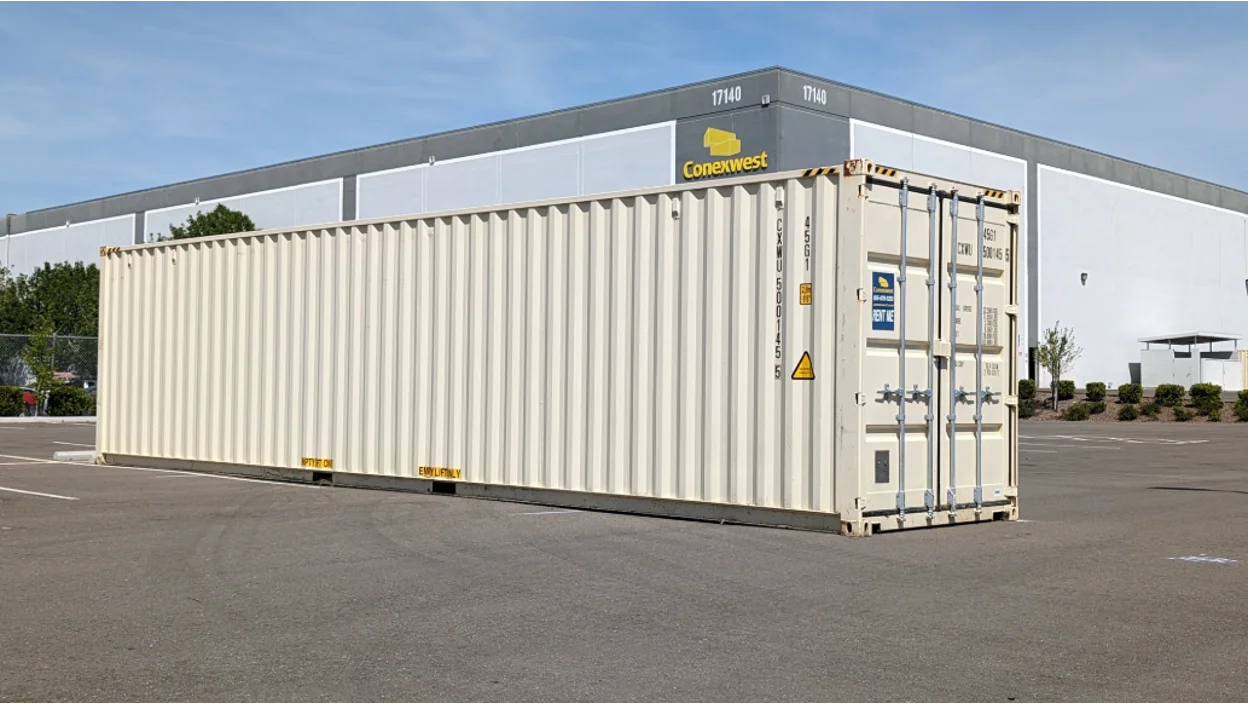
Conexwest does not build complete residential barndominiums, but we provide shipping containers, container sales, rentals, and modification services that may support barndominium-style projects, workshops, offices, storage areas, accessory structures, and modular builds.
Shipping containers can be useful when you need durable steel modules, secure storage, workspace, or project-ready container components. However, any Florida residential or occupied structure must be reviewed and engineered for the specific site, use, foundation, wind exposure, moisture control, energy requirements, and local permitting rules.
Conexwest can support container-based projects with:
- Shipping containers for sale in multiple sizes and conditions
- Storage container rentals for temporary project support
- Container fabrication services for custom openings, doors, windows, ventilation, and layout needs
- Custom container add-ons such as insulation, electrical, HVAC, shelving, flooring, and security upgrades
- Shipping container modification planning for business, storage, and specialty builds
- Delivery support and container selection guidance for project needs
If you are planning a Florida barndominium or container-based build, start by confirming zoning and permit requirements with your local jurisdiction, then work with licensed design and construction professionals to determine what container options can be safely and legally used.
Frequently Asked Questions
- Are barndominiums legal in all Florida counties?
No. Barndominium rules vary by county, city, zoning district, parcel use, HOA restrictions, and building classification. Rural and agricultural areas may be more flexible, while urban, coastal, and deed-restricted communities may have more limitations.
- Do Florida barndominiums need building permits?
Yes. A residential barndominium generally needs building permits and must comply with the Florida Building Code, local zoning rules, engineering requirements, utility permits, inspections, and any floodplain or environmental requirements that apply to the parcel.
- What Florida Building Code edition applies in 2026?
The Florida Building Code, 8th Edition (2023), became effective on December 31, 2023. The 9th Edition (2026) is scheduled to take effect on December 31, 2026. Always confirm the applicable code edition with your local building department before submitting plans.
- How do barndominiums handle Florida’s humidity?
Florida barndominiums should be designed with insulation, vapor control, air sealing, HVAC, dehumidification, ventilation, and drainage planning. Without proper moisture control, metal structures can be vulnerable to condensation, mold risk, and corrosion.
- Can I get traditional mortgage financing for a Florida barndominium?
It may be possible, but financing can be more difficult than for a conventional home. Regional banks, credit unions, agricultural lenders, and construction-to-permanent lenders may be more familiar with alternative construction. Expect to provide detailed plans, budgets, permits, insurance information, and contractor documentation.
- Do Florida barndominiums require special insurance?
They may. Insurance depends on location, wind exposure, flood zone, construction type, roof system, replacement cost, and carrier guidelines. Coastal and hurricane-prone areas may have higher premiums or additional requirements for wind and flood coverage.
- Can Conexwest build a container barndominium in Florida?
Conexwest does not build full residential barndominiums. Conexwest provides shipping containers, rentals, sales, and container modification services that may support barndominium-style projects, storage, workshops, offices, and modular build components. Any residential use must be engineered and permitted for the specific site and jurisdiction.