
Cost depends on container size, design complexity, land, foundation, utilities, permits, insulation, structural modifications, labor, and finishes. A small basic unit may cost far less than a large multi-container custom home with high-end finishes.
Best US States for Shipping Container Homes in 2026
Best US States to Build a Container Home in 2025
Choosing the right state for a shipping container home can make a major difference in cost, permitting, design, and construction planning. Some states offer more affordable land, rural flexibility, and active interest in alternative housing. Others have stricter zoning, higher labor costs, coastal rules, wildfire requirements, hurricane standards, or snow-load concerns that can make container-home projects more complex.
There is no single “best” state for every container home. The right location depends on your lot, budget, climate, intended use, local zoning, utility access, and whether the home will be used as a full-time residence, ADU, vacation property, rural retreat, or custom build.
This guide compares several states where container homes are frequently discussed, including Texas, California, Tennessee, Oregon, Louisiana, Colorado, and Florida. It also links to Conexwest city and state guides for buyers who want a more local view before choosing where to build.
Key Takeaways
- Texas, Tennessee, Oregon, Louisiana, Colorado, Florida, and parts of California can all be strong candidates for container-home projects, depending on local zoning and site conditions.
- Container homes are not automatically cheaper than traditional homes once land, foundation, utilities, engineering, insulation, finishes, permits, and labor are included.
- Rural areas may offer more flexibility, but buyers still need to confirm zoning, septic, utilities, access, fire safety, and local building requirements.
- Climate matters: coastal areas need corrosion and storm planning, desert regions need heat control, mountain areas need snow-load design, and hurricane-prone regions need wind and flood planning.
- At Conexwest, customers can explore shipping containers, high cube containers, insulated containers, and container fabrication options for custom projects.
Container Housing in 2025: What Buyers Should Know
The Housing Scene Is Changing
Shipping container homes continue to attract attention because they offer a modular starting point for custom housing, ADUs, guest houses, remote cabins, studios, and mixed-use spaces. Instead of starting from a blank frame, builders begin with a steel structure that can be modified, insulated, finished, and combined with other containers or conventional construction.
That does not mean container homes are simple or automatically low-cost. A container used as a residence must still meet local requirements for zoning, structural design, foundations, utilities, fire safety, energy performance, and inspections. The more complex the layout, the more important it becomes to work with qualified architects, engineers, contractors, and local permit offices.
Prices and Cost Factors
Container home costs vary widely. A small, basic container unit on a prepared site can cost much less than a large multi-container home with a custom foundation, utilities, high-end finishes, and complex structural work. For a deeper cost breakdown, read Conexwest’s guide on how much a shipping container home costs.
Compared with a traditional house, a container home may save money in some cases, especially when the design is simple and site conditions are favorable. However, savings can shrink or disappear once engineering, structural reinforcement, insulation, labor, utilities, and code compliance are included.
Why Container Homes Can Be Sustainable
Container homes can support sustainable building goals when they reuse existing steel structures, reduce construction waste, use efficient insulation, and incorporate solar, passive cooling, water-saving fixtures, and durable finishes. Sustainability depends on the whole project, not just the container itself.
For more planning help, review Conexwest’s guide on how to build a shipping container home step by step.
Rules and Regulations
Container-home rules vary by city, county, zoning district, property type, and intended use. Some places are more familiar with alternative housing and modular construction, while others require additional plan review or aesthetic approval. Before buying land or ordering containers, confirm local zoning, setbacks, access, utilities, foundation requirements, and residential building standards.
Conexwest offers new, used, and refurbished shipping containers in sizes from 10ft to 45ft, including standard containers, high cube containers, insulated containers, refrigerated containers, mobile office containers, and custom modified containers. For residential projects, customers should also work with licensed architects, engineers, contractors, and local permit offices. |
Texas: Flexible Land and Strong Container Interest
Texas is often considered one of the most practical states for container-home projects because of its land availability, rural building flexibility, and strong interest in independent residential design. Requirements still vary by city and county, but many rural areas give property owners more room to explore alternative housing concepts.
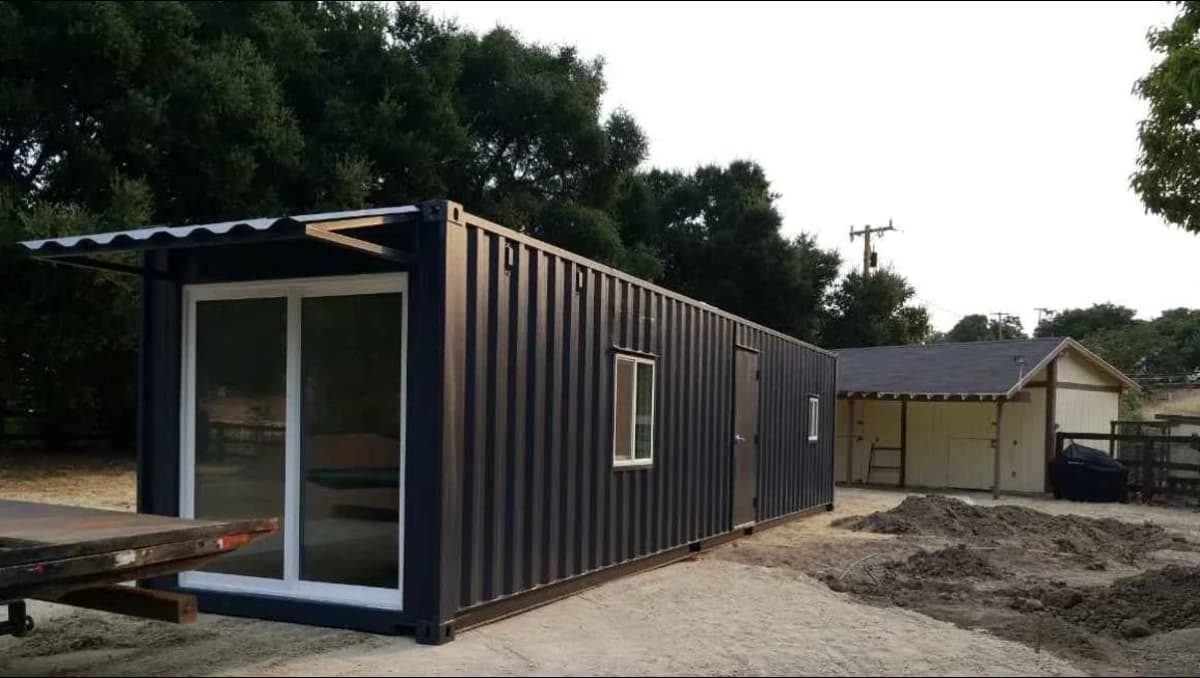
In rural Texas, container home planning often centers on land access, septic approval, utilities, driveway access, foundation design, and heat management. Cities and suburbs may require more formal plan review, neighborhood compatibility, inspections, and code compliance.
Rural Flexibility
Some rural counties in Texas may have fewer residential restrictions than major metro areas, but buyers should not assume there are no rules. Septic systems, electrical connections, floodplain concerns, fire access, driveway permits, and utility requirements can still apply.
Texas container homes are often popular in desert, ranch, and rural settings where land is more available and owners want a durable structure with a modern industrial look.
Climate Considerations
Texas weather varies by region. East Texas can be humid, while West Texas and Central Texas can bring intense heat. A container home in Texas needs strong insulation, moisture control, window shading, ventilation, and HVAC planning. Read more about shipping container insulation options and solar panel fabrication for container projects.
California: Strong Design Potential, Higher Planning Requirements
California has major interest in ADUs, modular design, and compact housing, but it also has strict building, seismic, energy, wildfire, coastal, and local zoning requirements. Container homes can be possible in California, but the project must be planned as a real residential build.
Conexwest has several California-specific resources for buyers comparing cities and design approaches. Start with the statewide guide on building a container home in California, then review the local guides for Los Angeles container homes and San Francisco container homes.
ADU and Urban Potential
California’s housing market creates interest in backyard units, guest houses, compact homes, and modular housing. A container-based ADU concept may work in some areas when the final design meets local and state requirements for residential occupancy.
Urban projects often require careful planning around setbacks, utilities, fire access, crane or delivery access, neighborhood design rules, and energy performance.
Coastal, Seismic, and Wildfire Planning
Coastal California projects need corrosion protection, moisture control, and sometimes additional environmental or aesthetic review. Inland and hillside projects may require wildfire planning, access review, and fire-resistant materials. Statewide, seismic design is an important part of container-home engineering.
If you are comparing local inventory, explore shipping containers for sale in Los Angeles and shipping containers for sale in San Francisco.
Tennessee: Rural Land and Growing Alternative Housing Interest
Tennessee can be attractive for container-home buyers because of its rural land options, moderate climate, and growing interest in alternative housing. Requirements vary by county and city, so local review is still essential before buying land or designing the project.
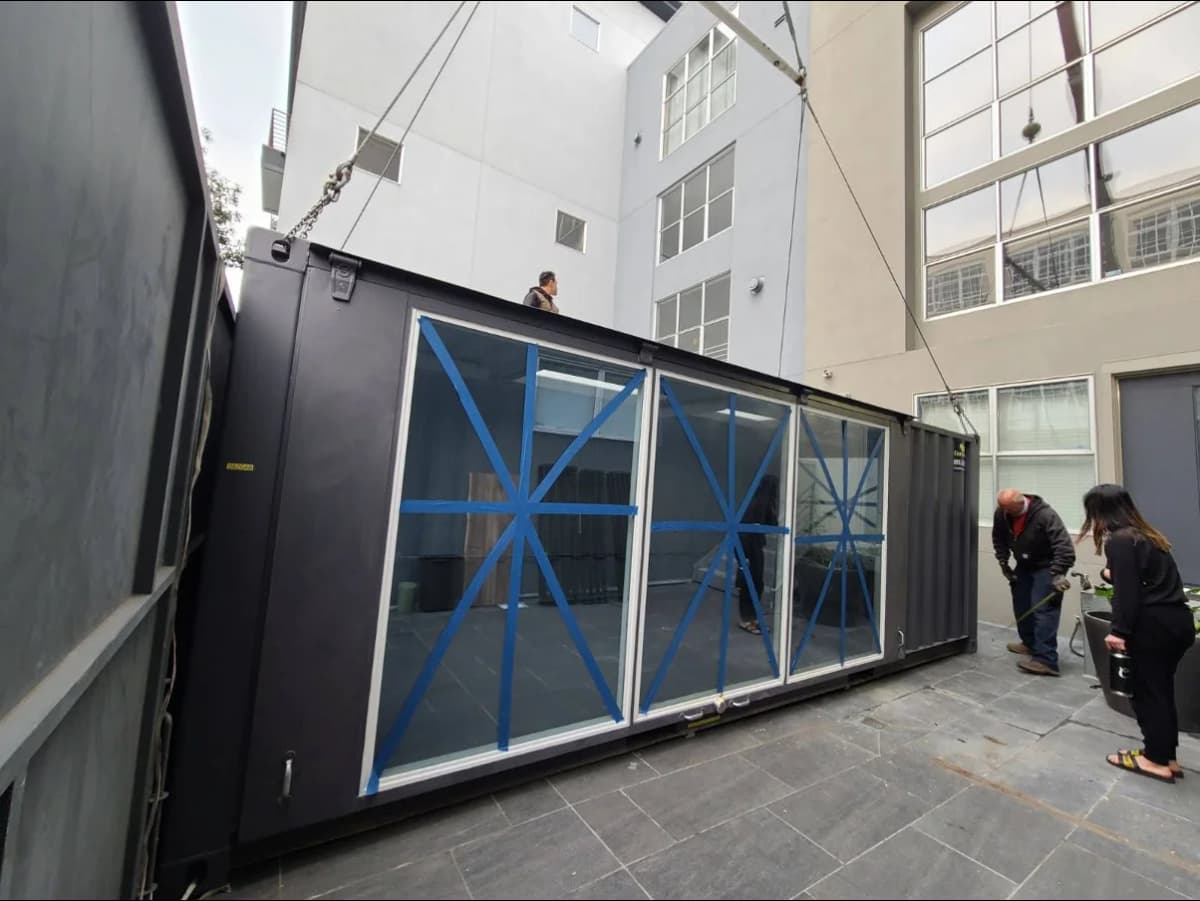
Rural Tennessee projects may focus on septic, well, driveway access, electric service, foundation design, and local residential approval. Metro areas may require more detailed plan review and design compliance.
Rural County Planning
Some rural counties may be more flexible than dense urban areas, especially when container homes are built on larger parcels. Still, buyers should confirm residential use, minimum dwelling size, utility requirements, foundation rules, and inspection requirements.
Climate Considerations
Tennessee container homes need insulation, moisture control, ventilation, and HVAC designed for humid summers and cool winters. Proper drainage and foundation planning are also important for long-term durability.
Oregon: Sustainability and Design-Forward Container Homes
Oregon is a strong fit for buyers interested in sustainable design, compact living, ADUs, and energy-efficient construction. Cities such as Portland have active conversations around infill housing, accessory units, and smaller residential footprints.
For local planning ideas, see Conexwest’s guide to container homes in Portland.
Sustainability Planning
Oregon container-home projects often focus on energy efficiency, high-performance insulation, efficient HVAC, rain management, and durable exterior finishes. Because the Pacific Northwest can be wet, moisture management and ventilation are especially important.
Portland and ADU Potential
Portland-area projects may be well suited for compact container ADUs, backyard studios, workspaces, and design-forward small homes. Local zoning, setbacks, utility connections, neighborhood rules, and inspections should be reviewed before the design is finalized.
Louisiana: Storm Planning and Affordable Land
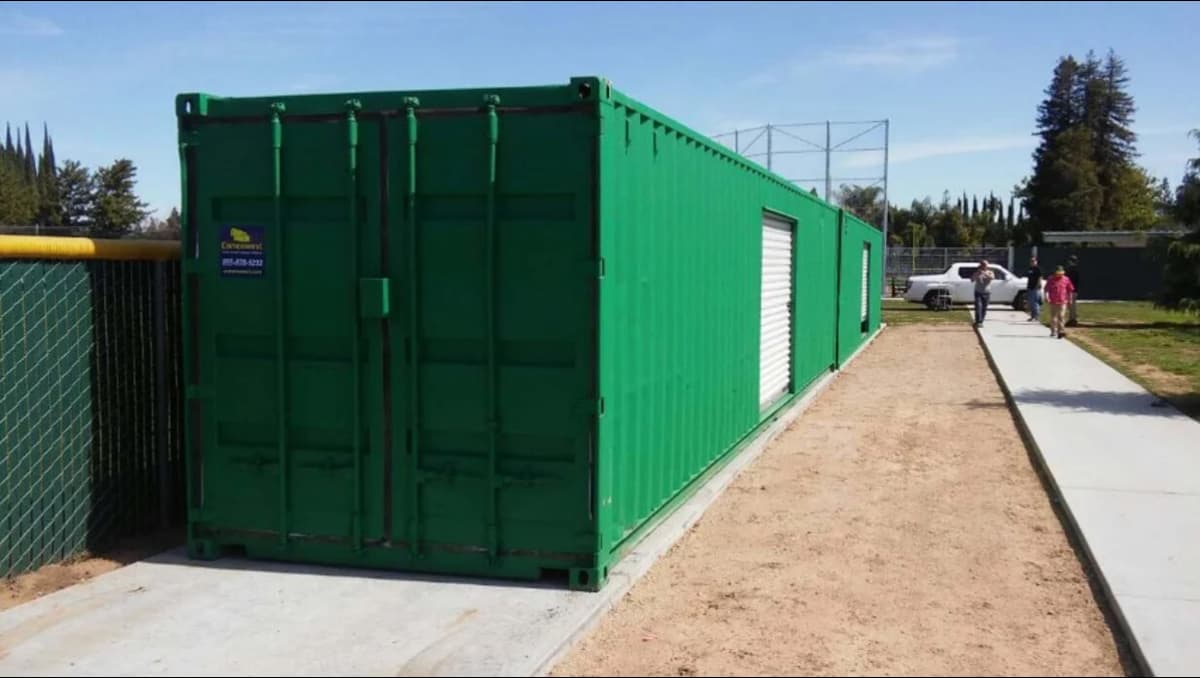
Louisiana can be appealing for container-home buyers because of affordable land in some areas and strong interest in storm-aware building concepts. However, the state’s hurricane, flooding, humidity, and coastal conditions make design and engineering especially important.
Hurricane and Flood Considerations
Container homes in hurricane-prone areas require serious planning around anchoring, wind-rated openings, impact-resistant glazing, flood elevation, drainage, and foundation design. A container’s steel structure is only the starting point; the final building must be engineered for the location.
Successful projects in storm-prone areas often use elevated foundations, reinforced openings, strong roof connections, and moisture-resistant materials.
Building Requirements
Local rules can vary across parishes and cities. Historic districts, flood zones, and coastal locations may require additional review. Buyers should confirm elevation requirements, flood insurance implications, utility connections, and local code expectations before starting.
Colorado: Mountain Views, Snow Loads, and Energy Design
Colorado can be a strong state for container homes, especially for mountain retreats, rural cabins, off-grid concepts, and design-forward homes. However, high elevation, snow loads, wind, wildfire exposure, and temperature swings all require careful planning.
Altitude and Snow Loads
Mountain container homes may need pitched roofs, engineered snow-load design, heavy-duty foundations, and strong anchoring. Flat container roofs alone may not be appropriate for high-snow areas without additional design work.
Energy Efficiency
Colorado’s temperature swings make insulation, air sealing, window selection, and passive solar design especially important. Many container-home concepts use exterior insulation, efficient glazing, and careful orientation to reduce heat loss and capture winter sun.
Florida: High Demand, Hurricane Planning, and City-Specific Rules
Florida is another important state for container-home planning. Interest is high because of housing demand, warm weather, and the popularity of compact homes, ADUs, and storm-aware construction. But Florida projects must account for hurricane wind loads, flood zones, anchoring, moisture control, energy efficiency, and local permitting.
Conexwest has several Florida-specific resources, including guides to container homes in Florida, container homes in Miami, and container homes in Orlando.
Best Fit for Florida Container Homes
Florida container homes may work best when the project is designed around local wind requirements, flood elevation, impact-rated openings, strong anchoring, corrosion protection, and humid-climate insulation. Coastal and flood-prone areas usually require more planning than inland sites.
Best Cities and Local Guides for Container Homes
State-level rules are only the starting point. Container-home approval and cost can change significantly by city, county, zoning district, lot size, utility access, and local review process. Use these Conexwest guides for more specific planning ideas:
- Container Homes Los Angeles: 2025 Laws, Cost & Build Ideas
- Container Homes San Francisco: 2025 Laws, Cost & Build Ideas
- Container Homes Miami: 2025 Laws, Cost & Build Ideas
- Container Homes Orlando: 2025 Design Ideas, Laws & Cost
- Container Homes Portland: 2025 Design Ideas, Laws & Cost
These city guides can help narrow the search from “best state” to the local market where the home will actually be built.
How Conexwest Can Help With Your Container Home Project
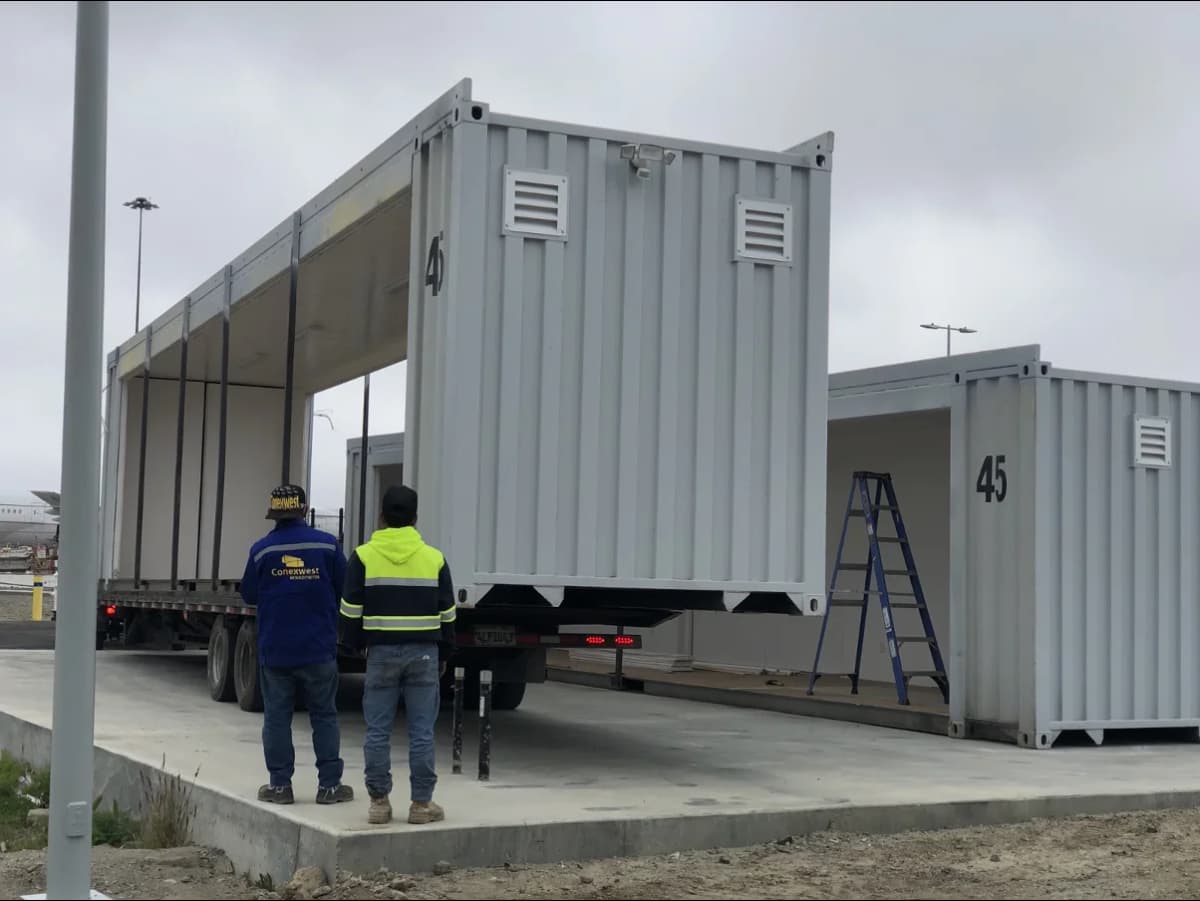
Conexwest supplies containers and modification options for customers planning storage, office, commercial, residential, and custom container-based projects nationwide.
- Container Selection: Conexwest can help customers compare standard containers, high cube containers, insulated containers, refrigerated containers, mobile office containers, and specialty options based on project needs.
- Modification Options: Through container modification services, customers can explore doors, windows, insulation, electrical, HVAC, shelving, partitions, custom paint, and other features.
- Climate-Appropriate Planning: Container projects may need different modifications depending on the region, such as extra insulation for cold climates, moisture control for humid regions, coatings for coastal areas, and shading or reflective finishes for hot climates.
- Nationwide Delivery: Conexwest can help coordinate container delivery based on container size, site access, delivery route, placement area, and project timeline.
Explore Conexwest shipping containers and modification options for your next container home or custom project.
Was this helpful?
Frequently Asked Questions
They can be sustainable when they reuse existing containers, minimize unnecessary structural changes, use efficient insulation, manage energy use, and incorporate durable materials. The final environmental impact depends on the full design, transportation, modifications, and operating efficiency.
Some finish work may be possible for experienced DIY builders, but most residential container homes require professionals for structural engineering, foundations, electrical, plumbing, HVAC, insulation, code compliance, and inspections.
A well-designed and maintained container home can last for many years. Lifespan depends on climate, corrosion protection, insulation, moisture control, foundation drainage, exterior coatings, structural modifications, and ongoing maintenance.
First-time builders often look at states with more available land, clearer local review processes, and strong interest in alternative housing. Texas, Tennessee, Oregon, Florida, Colorado, Louisiana, and parts of California can all be worth considering, but the best choice depends on the specific city, county, property, and project design.
Conexwest can supply containers, support delivery planning, and provide container modification options. Residential projects should also involve licensed architects, engineers, contractors, and local permit offices to confirm code compliance.