
Yes, container homes can be built in California when they meet local zoning, permit, structural, seismic, energy, fire safety, and building-code requirements. Approval depends on the property, city or county, design, and intended use.
Can You Build a Container Home in California? 2026 Permits, Cost & Design Ideas
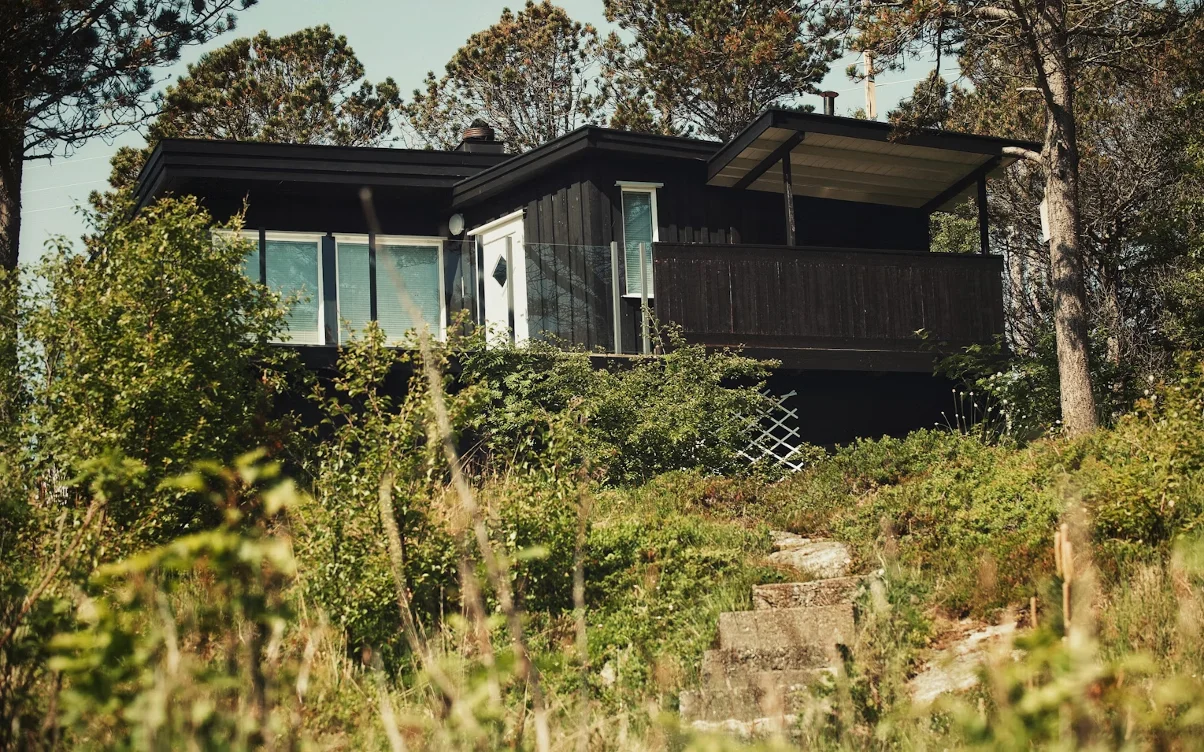
Can You Build a Container Home in California? Costs & Design Ideas
Yes, you can build a shipping container home in California, but it has to be planned like a real residential construction project. A container home is not the same as placing a temporary storage container on a property. Once the container becomes part of a home, the project may involve local zoning, building permits, structural engineering, foundation design, insulation, utilities, fire safety, energy efficiency, and inspections.
This article focuses on the residential side of container homes in California: cost factors, design ideas, climate planning, container selection, and project setup. For a deeper look at zoning, placement, permits, and building-code requirements, read our California shipping container permit guide.
Container homes appeal to California buyers because they offer a modular starting point for ADUs, guest houses, rural retreats, compact homes, and multi-container custom builds. But the container itself is only one piece of the total project. The final cost depends on land, engineering, foundation work, structural reinforcement, wall openings, windows, insulation, roofing, plumbing, electrical, HVAC, finishes, and local approval requirements.
Key Takeaways
- Container homes can be built in California when the project meets local zoning, permit, structural, seismic, energy, and building-code requirements.
- Residential container homes usually require architectural plans, engineering, foundations, utilities, insulation, inspections, and professional construction planning.
- California designs should account for seismic requirements, coastal moisture, inland heat, wildfire exposure, energy efficiency, and local climate conditions.
- Container homes are not always cheaper than traditional homes once engineering, structural reinforcement, insulation, utilities, labor, finishes, and permits are included.
- Conexwest supplies containers for residential and custom projects, including high cube containers and modification options for doors, windows, insulation, electrical, HVAC, and more.
Container Homes in California: What You Need to Know
Shipping container homes continue to attract interest in California because they offer a flexible way to create modern, compact, and highly customized living spaces. A single container can support a small studio or ADU concept, while multiple containers can be combined for larger homes, guest houses, retreats, or mixed indoor-outdoor layouts.
The most successful California container home projects start with the property first. Before choosing containers, buyers need to confirm whether the lot allows the intended residential use, whether utilities are available, whether fire access is required, whether the site is in a wildfire or coastal zone, and whether the local building department has specific requirements for container-based construction.
Design also matters. Cutting large openings for windows, doors, or open-plan living areas changes the container’s structure and usually requires reinforcement. Stacking containers, creating cantilevers, adding rooftop decks, or connecting several units together can make the home more visually interesting, but those choices also increase engineering, labor, and construction complexity.
Conexwest offers new, used, and refurbished shipping containers in sizes from 10ft to 45ft, including standard containers, high cube containers, insulated containers, refrigerated containers, mobile office containers, and custom modified containers. For residential container home projects, customers should work with licensed architects, engineers, contractors, and local permit offices to confirm code compliance before construction. |
California Container Home Design Ideas
California container homes can take many forms depending on the lot, budget, climate, and lifestyle. A coastal ADU may prioritize moisture control, compact planning, and indoor-outdoor flow. A desert home may need shade, solar orientation, high-performance insulation, and strong cooling design. A rural property may allow a larger multi-container layout with patios, workshops, storage, and open views.
Single-Container Studio or ADU
A single-container layout can work for a compact studio, office, guest space, or small ADU concept. The design usually focuses on one open living/sleeping area, a kitchenette, a bathroom, storage, and large windows or doors to make the space feel larger.
Because space is limited, every inch matters. Built-in storage, wall-mounted furniture, sliding doors, and outdoor patio space can make a small container home more practical.
Two-Container ADU or Guest House
Two containers can create a more comfortable one-bedroom ADU or guest house. Containers may be placed side-by-side to create a wider floor plan or offset to create a patio, entry court, or covered outdoor area.
This approach can create enough room for a separate bedroom, full bathroom, kitchen, living area, laundry, and storage. It may also reduce the cramped feeling of a single narrow container.
Multi-Container Family Home
Larger California container homes often use several 40ft containers arranged around a central living space, courtyard, or open-plan kitchen. Containers can form bedroom wings, office areas, storage zones, or private guest suites.
Popular layouts include L-shaped, U-shaped, courtyard, stacked, and offset designs. These layouts can create privacy, capture views, and connect the home to outdoor living spaces.
Indoor-Outdoor California Layout
California homes often benefit from strong indoor-outdoor design. Large sliding doors, shaded patios, covered decks, courtyards, and outdoor kitchens can make a container home feel larger while taking advantage of the climate.
In hot inland areas, outdoor areas should be shaded and oriented carefully. In coastal areas, designs should account for moisture, salt air, corrosion protection, and durable exterior finishes.
California City Container Home Ideas
Container home design in California changes by market. A San Francisco project may focus on compact lots, hillside conditions, and modern urban design. A Los Angeles project may focus on ADUs, backyard guest houses, hillside lots, or indoor-outdoor living.
For more local container home planning context, explore our city guides:
- Container Homes San Francisco: Laws, Cost & Build Ideas
- Container Homes Los Angeles: Laws, Cost & Build Ideas
If you are comparing local container availability, you can also explore shipping containers for sale in San Francisco and shipping containers for sale in Los Angeles.
What Affects the Cost of a California Container Home?
Container home pricing can vary widely in California. The container is usually not the biggest cost. The larger expenses often come from land, design, engineering, foundation work, labor, utilities, insulation, windows, doors, roofing, interior finishes, and local requirements.
A simple container studio on a prepared site may cost far less than a custom multi-container home with large glass openings, complex structural work, a rooftop deck, high-end finishes, and long utility runs. The more you cut, stack, connect, and customize containers, the more engineering and labor you should expect.
Major Cost Categories
- Containers: New, used, refurbished, standard, high cube, insulated, and modified containers all have different pricing.
- Design and engineering: Residential projects often require architectural drawings, structural engineering, energy documentation, and plan review.
- Foundation: Slabs, piers, grade beams, footings, and hillside foundations can vary significantly based on soil and site conditions.
- Structural modifications: Large windows, doors, open walls, stacking, and container connections may require reinforcement.
- Insulation and climate control: California projects need insulation, ventilation, air sealing, and HVAC appropriate for the local climate.
- Utilities: Electrical, plumbing, sewer, septic, water, gas, solar, and internet connections can add major cost depending on the site.
- Interior finishes: Drywall, flooring, cabinets, fixtures, bathrooms, kitchens, lighting, and appliances can quickly change the total budget.
- Delivery and placement: Crane access, truck access, site grading, and tight urban lots can affect delivery planning.
Choosing the Right Containers for a California Home
The right container depends on the floor plan, ceiling height, project budget, and amount of modification required. For residential projects, many buyers prefer high cube containers because they provide extra interior height.
High Cube Containers
A high cube container is typically 9 ft 6 in tall, which gives more room for insulation, ceiling finishes, recessed lighting, ductwork, and interior comfort. For homes, this extra height can make a noticeable difference once the interior is finished.
Explore 40ft high cube shipping containers if your design needs more vertical space.
Standard Containers
Standard containers may work for storage rooms, utility areas, compact layouts, or budget-conscious designs. They can also be useful when the design does not require extra ceiling height.
Insulated and Modified Containers
Insulated containers and custom modified containers can help reduce build complexity for some projects. Conexwest offers container fabrication options such as windows, doors, insulation, electrical, HVAC, shelving, and custom paint.
California Climate and Design Considerations
California has many climate zones, and a container home should be designed for the exact site. A coastal home, desert home, mountain home, and inland valley home all need different design strategies.
Coastal Moisture and Corrosion
Coastal projects should account for salt air, humidity, fog, and corrosion risk. Protective coatings, exterior cladding, ventilation, drainage, and regular maintenance can help protect the steel structure over time.
Inland Heat
Inland and desert areas need strong cooling strategies. Shade, roof overhangs, reflective finishes, insulation, efficient HVAC, window orientation, and outdoor shading can improve comfort and reduce heat gain.
Wildfire Exposure
Many California properties face wildfire exposure. Exterior materials, defensible space, vents, roof design, glazing, access roads, and local fire requirements should be reviewed early in the project.
Seismic Design
California container homes must be designed for seismic conditions. Foundations, anchoring, structural reinforcement, stacked units, and large wall openings should be reviewed by a qualified engineer.
California Container Project Inspiration
Container projects in California are not limited to homes. Across the state, containers have been used for fitness spaces, retail environments, medical facilities, offices, events, and commercial builds. These projects can help homeowners and designers think beyond a basic rectangular layout.
- LuxFit: An Open-Air Container Gym in San Francisco’s Hayes Valley
- This San Francisco Store Looks Like Stacked Steel but What’s Inside Will Blow You Away
- $9M Saved, Zero Corners Cut: The Shipping Container MRI Lab That Changed the Game
- How a Long Beach Startup Is Cleaning Shipping Container Emissions
How Conexwest Supports California Container Home Projects
Conexwest supplies containers that can support residential concepts, custom projects, ADUs, storage during construction, site offices, and modified container builds. Customers can choose from multiple sizes and conditions depending on project needs.
For container home projects, Conexwest can help with container selection, delivery planning, and modification options. Residential approval still depends on the final design, site, foundation, utilities, engineering, and local review.
- Container selection: Choose from standard, high cube, insulated, refrigerated, mobile office, and specialty containers.
- Fabrication options: Add doors, windows, insulation, electrical, HVAC, shelving, partitions, and custom paint.
- Delivery support: Plan container delivery around site access, placement area, truck clearance, and construction timeline.
- Project flexibility: Use containers for the home structure, temporary storage, jobsite offices, or phased construction support.
Explore container options for your California home, ADU, or custom project.
```
Was this helpful?
Frequently Asked Questions
Not always. Container homes can save money in some cases, but California labor, engineering, utilities, foundations, insulation, permits, finishes, and seismic requirements can reduce or eliminate savings. The total cost depends on the full project scope, not just the container price.
High cube containers are often preferred for residential projects because they provide extra height for insulation, ceiling finishes, lighting, and mechanical systems. Standard containers may still work for smaller or secondary spaces.
A container may be used as part of an ADU concept if the final structure meets local and state requirements for residential use. ADU rules, size limits, utility requirements, setbacks, fire access, and design standards can vary by city and property.
Yes. Steel transfers heat and cold quickly, so insulation is important in every California climate. Coastal, desert, inland, and mountain areas each require different insulation, ventilation, and HVAC strategies.
Yes. Conexwest offers container fabrication options such as doors, windows, insulation, electrical, HVAC, shelving, custom paint, and other modifications. Residential projects should also involve licensed architects, engineers, contractors, and local permit offices.