
Shipping containers are built to survive ocean voyages and protect cargo from hell and high water. That same toughness makes them perfect for survival shelters.
Three Shipping Container Bunker Ideas: Underground, Multi-Container & Fortified | Conexwest
3 Shipping Container Bunker Ideas for 2025: Secure & Smart Designs
Key Takeaways
- Shipping container bunkers are affordable, tough survival shelters you can customize however you want.
- Underground containers give you the best protection from weather and threats, if you waterproof and reinforce them right.
- Multi-container setups let you expand and create different zones for various survival needs.
- Above-ground fortified container shelters are way easier to build but need smart camouflage and barriers for protection.
- At Conexwest, we provide containers suitable for bunker projects along with guidance on structural modifications for survival applications.
What You Need to Know About Container Bunkers
Shipping containers are built to survive ocean voyages and protect cargo from hell and high water. That same toughness makes them perfect for survival shelters.
Standard containers come in 20' and 40' lengths, all 8' wide and 8'6" tall. High cube containers give you an extra foot of headroom—trust me, you'll appreciate that if you're living in one long-term.
Planning your container bunker means thinking about several things:
- Can you actually get to your location with heavy equipment?
- What's the soil like?
- How deep is the water table?
- What do local building codes say?
- What exactly are you prepping for?
A badly planned container shelter becomes a death trap instead of a lifesaver when disaster hits.
Conexwest, a leader in shipping and storage solutions based in Northern California, offers new, used, and refurbished containers from 10ft to 45ft, with fast delivery within 3–7 days and container fabrication options like adding shelves and locks. We serve over 10,000 customers nationwide, including prestigious clients like the U.S. Navy and Google. As an ISO 9001 and AWS-certified company, we ensure top quality and competitive pricing. |
Idea 1: Underground Container Shelter
Burying a shipping container turns it from a simple steel box into a hidden fortress that can handle extreme conditions. The earth gives you natural insulation, temperature control, and protection from direct threats from severe weather to social breakdown.
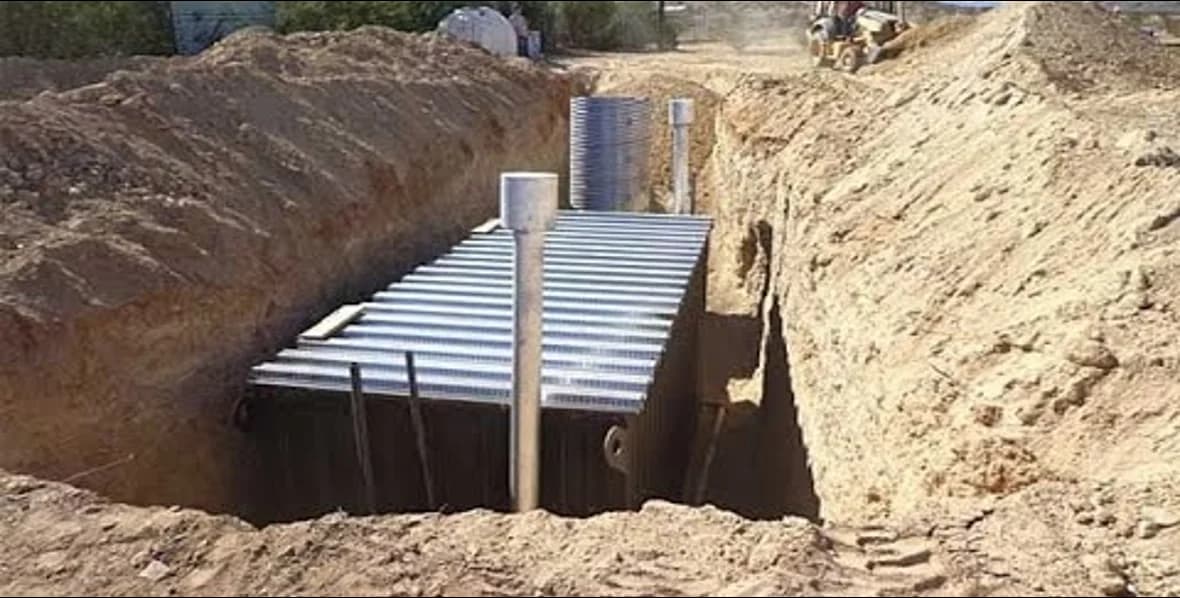
Burying a shipping container protects it from extreme weather and other threats (image courtesy of Alvinsa).
But underground installation needs careful planning and specific modifications to ensure it lasts. The weight of soil creates huge pressure on container walls; pressure they weren't made to handle.
Without proper reinforcement, this pressure will eventually make the walls bow in and potentially collapse. Plus, groundwater is a constant threat that needs serious waterproofing systems.
Despite these challenges, underground container bunkers">underground container bunkers offer unbeatable protection when done right. The low profile makes them hard to spot, while the earth's mass gives excellent protection against radiation, extreme temps, and blast effects.
Excavation Requirements
Proper excavation is the foundation of any successful underground container bunker. Your pit should extend at least 3 feet beyond the container on all sides for drainage systems, waterproofing, and reinforcement installation. Depth should fit the container height plus at least 3–4 feet of earth cover for good protection and temperature stability.
Site selection is crucial. Avoid areas with high water tables, flood risks, or unstable soil. Rocky terrain might need blasting, which jacks up costs big time. Always do soil tests and check geological surveys before picking your spot.
You also need to think about heavy machinery access, since containers weigh several tons and need equipment for placement.
Not sure how deep to go? Read How Deep Can You Bury a Shipping Container? before you start digging.
Waterproofing Methods
Water getting in is the biggest threat to underground containers. A solid waterproofing system needs multiple protection layers.
Start with a 4-inch gravel bed for foundation, topped with a concrete slab sloped away from the structure for drainage. The container itself needs multiple coats of industrial waterproofing membrane, paying special attention to seams, corners, and any holes.
French drains around the edge redirect groundwater away, while sump pumps provide backup protection against water getting in. For ultimate protection, try a "container within a container" approach. The outer container acts as a waterproof shell for living quarters in the inner unit.
This creates an accessible maintenance corridor to monitor and fix moisture issues before they reach your living space.
Reinforcement Techniques
Preventing collapse requires serious reinforcement of walls, roof, and floor. Steel I-beams welded vertically inside the container every 2–4 feet distribute soil pressure and prevent walls from bending. Similar ceiling reinforcement prevents roof collapse under the weight of soil above.
Another approach is creating a concrete bunker around the container, using the container mainly as a form and interior skin. This gives superior strength but costs way more. For cheaper options, consider partial burial with earth berms against the sides instead of complete burial, this reduces soil pressure while still giving many underground benefits.
Need a detailed reinforcement walkthrough? See our guide on how to reinforce a shipping container for underground use.
Ventilation Systems
Proper air exchange literally keeps you alive in an underground bunker. Install at least two independent ventilation systems, with one manual backup that works without power.
Air intakes should be hidden, raised above ground level, and fitted with NBC (Nuclear, Biological, Chemical) filters to protect against airborne threats.
Air systems need to handle not just oxygen but also humidity control, since underground spaces get damp. Dehumidification is essential to prevent mold and protect stored supplies.
Consider installing air quality monitors that track oxygen, CO2, carbon monoxide, and humidity, with automatic alerts when levels get dangerous.
Idea 2: Multi-Container Compound
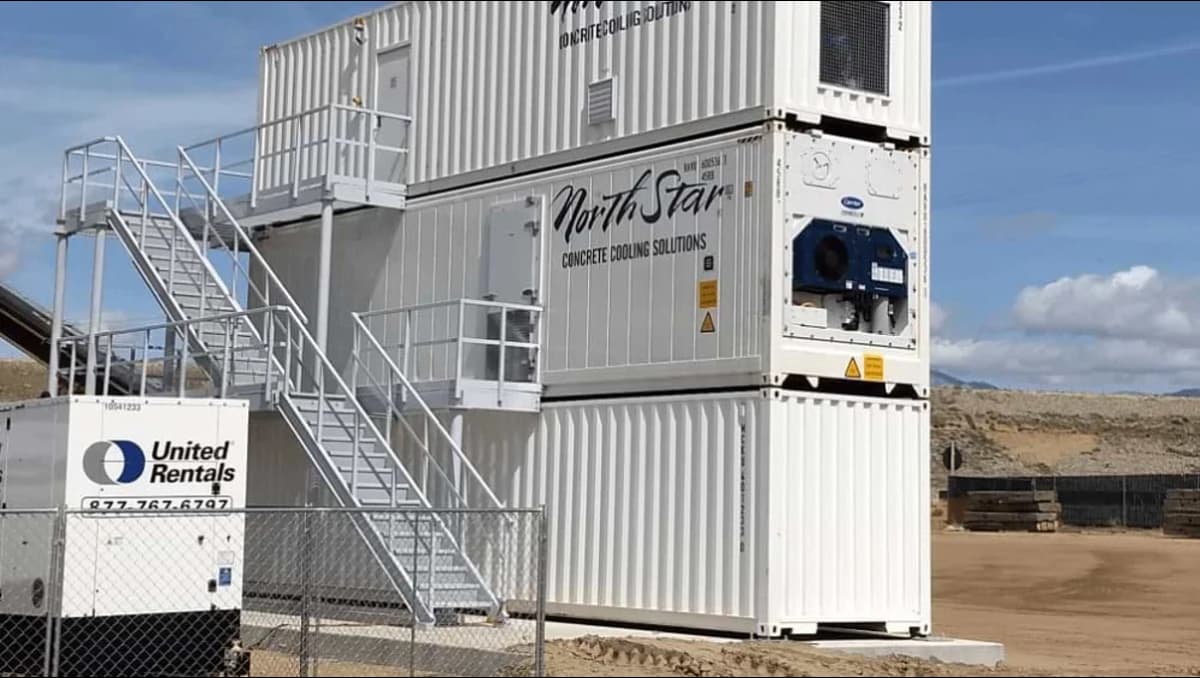
When one container won't cut it, connecting multiple units creates a compound with specialized areas for different functions. This lets you have dedicated spaces for sleeping, cooking, storage, medical care, and mechanical systems.
Connection Options
For joining containers, welded connections give the strongest and most waterproof solution for underground setups. This means cutting openings in walls, reinforcing with steel frames, and welding containers together into one structure.
For above-ground builds, bolted connections with rubber gaskets let you modify or move things later if needed.
Corridor designs using purpose-built connecting passages create flexible layouts while keeping each container structurally sound. This approach needs less cutting, maintaining the containers' natural strength.
When designing connections, always add extra waterproofing layers and make sure everything lines up to prevent future shifting.
Space Maximization
Smart interior design turns cramped containers into functional living spaces. Use vertical space with bunks, overhead storage, and wall-mounted gear.
Convertible furniture that does double duty, like seats that become beds or tables that fold flat seriously increases usable space.
For larger groups, consider "hot bunking" where sleeping areas get used in shifts. This submarine technique can effectively double your shelter's capacity.
Zone your compound logically; quiet areas away from noisy equipment, wet areas (kitchen, bathroom) grouped to simplify plumbing.
Idea 3: Above-Ground Fortified Bunker
Barrier Protection
Earth berms are the most cost-effective barriers for above-ground container bunkers.
Well-designed berms absorb bullets, deflect blasts, and provide good radiation protection while offering natural camouflage. Berms should have 45-degree slopes for stability and extend at least 3 feet above container roof height for full coverage.
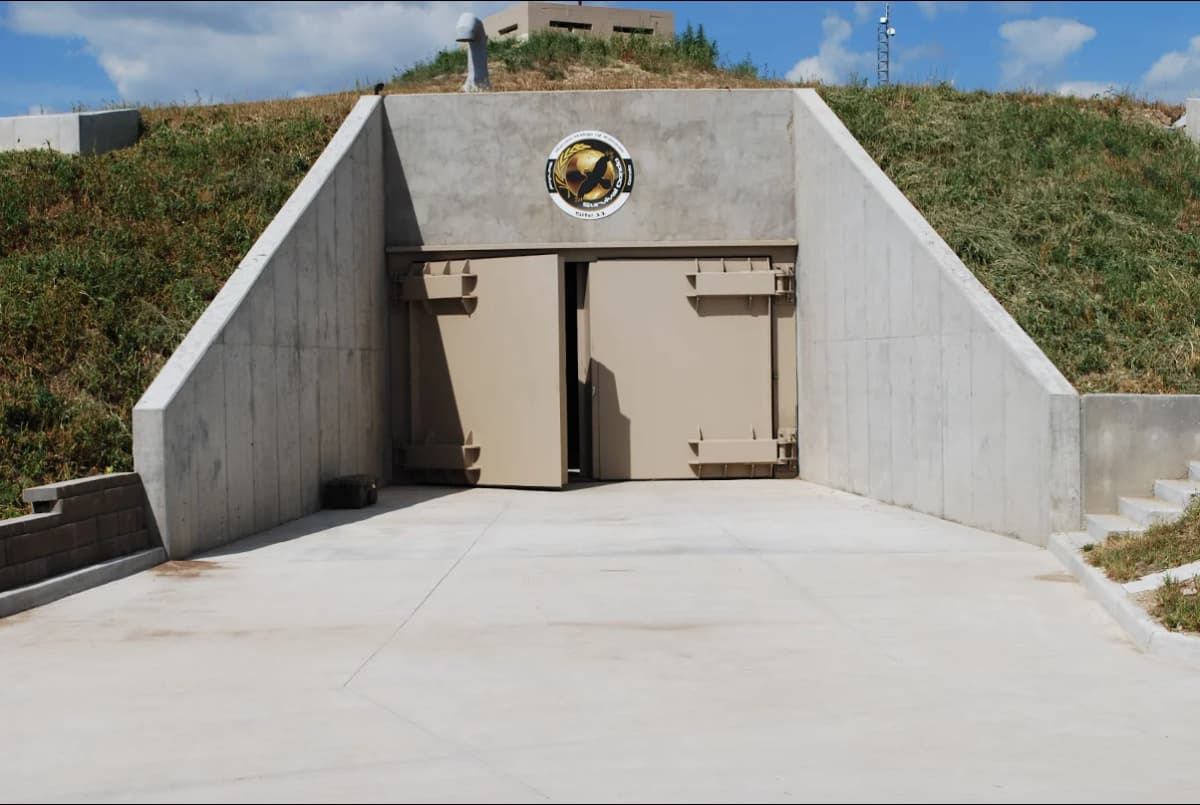
Reinforced concrete barriers give better protection in smaller spaces. Consider using concrete jersey barriers or pouring concrete walls around critical sections (image courtesy of CNN).
For cheap blast protection, sandbag walls still work great. Modern geotextile bags filled with local soil create substantial protective barriers for minimal cost.
Camouflage Strategies
Visual concealment seriously improves security for above-ground setups. Natural vegetation provides the best concealment when properly maintained. Pick native plants for your region that need minimal care, and use them in and around your structure in natural patterns that break up the container's boxy outline.
For desert areas where plants are sparse, consider copying natural rock formations with spray textures tinted to match surroundings. In urban or industrial settings, disguising your bunker as something boring—like a storage shed or equipment housing, often works better than trying to hide it completely.
The goal? Make your shelter unremarkable and uninteresting to casual observers.
Security Features
Tough entry points are critical for above-ground security. Replace standard container doors with custom security doors featuring multiple locks, hidden hinges, and ballistic protection.
Install defensive viewports with overlapping views, letting you monitor approaches without exposure. If budget allows, add remote monitoring with motion detection and perimeter alerts.
Keep distance between access points and critical resources in your compound. This creates defense-in-depth, breaching the outer perimeter doesn't immediately compromise core living areas. Install internal security doors between container sections so you can compartmentalize during security events.
For full protection, set up a dedicated security center monitoring all entry points and approaches.
How Conexwest Can Help With Your Container Bunker Project
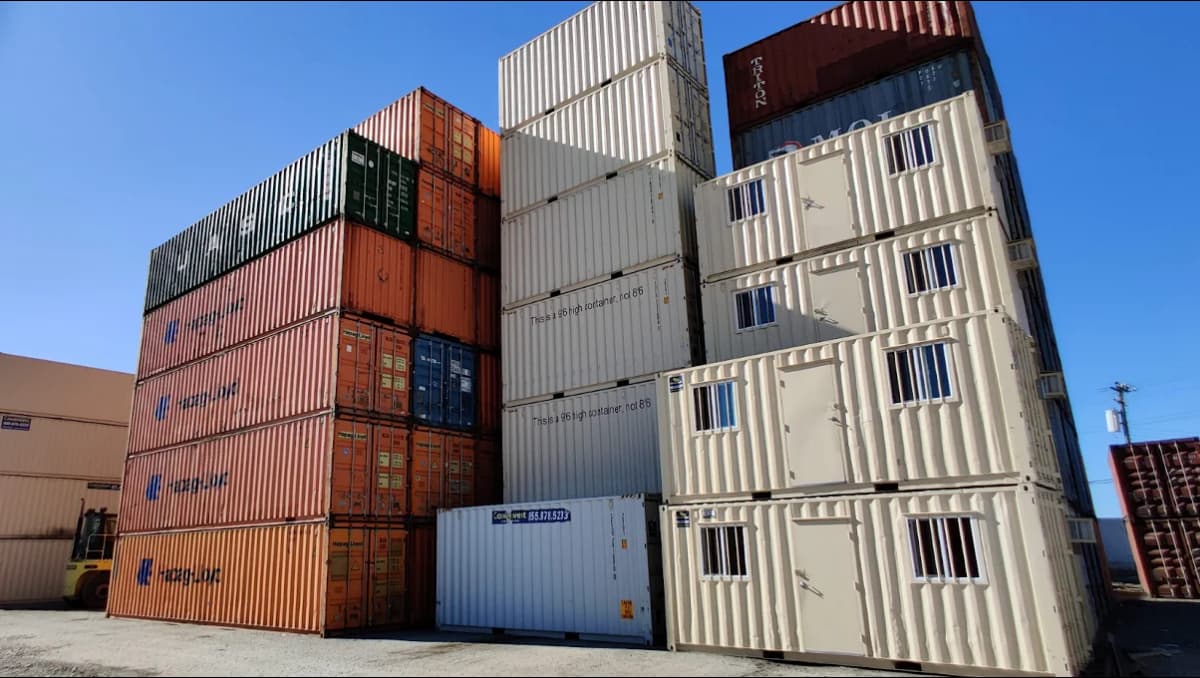
Our heavy-duty shipping containers provide the perfect foundation for survival shelters, engineered to withstand extreme conditions and customizable for underground or above-ground installations.
- Bunker-Grade Container Selection: We help you pick containers with the thickest steel walls and best structural integrity for survival applications. Our team knows which containers have the strength needed for underground burial or heavy modification work.
- Structural Modification Guidance: Our fabrication experts can reinforce containers for underground installation, add ventilation systems, create secure entry points, and install the structural supports needed to handle soil pressure and extreme conditions.
- Multi-Container Planning: Need a compound setup? We design connection systems that join multiple containers into cohesive survival complexes. Our team handles the cutting, welding, and waterproofing needed to create secure passages between units.
- Delivery to Remote Locations: Unlike other suppliers who only deliver to easy locations, we can get containers to remote survival sites. Our specialized delivery equipment handles challenging terrain and tight access situations.
- Discrete Service Approach: We understand privacy matters for survival projects. Our team works confidentially and can coordinate deliveries and modifications without drawing unwanted attention to your bunker location.
Was this helpful?
Frequently Asked Questions
Shipping containers are built to survive ocean voyages and protect cargo from hell and high water. That same toughness makes them perfect for survival shelters.
Burying a shipping container turns it from a simple steel box into a hidden fortress that can handle extreme conditions. The earth gives you natural insulation, temperature control, and protection from direct threats from severe weather to social breakdown.
When one container won't cut it, connecting multiple units creates a compound with specialized areas for different functions. This lets you have dedicated spaces for sleeping, cooking, storage, medical care, and mechanical systems.
Earth berms are the most cost-effective barriers for above-ground container bunkers.
Our heavy-duty shipping containers provide the perfect foundation for survival shelters, engineered to withstand extreme conditions and customizable for underground or above-ground installations.