Shipping Container with Siding – Features, Dimensions & Costs
Key Takeaways
- Shipping containers with siding work for homes, offices, and pretty much anything else you can dream up.
- You can choose siding materials such as wood, metal, vinyl, or fiber cement siding—each has its own look and perks.
- Essential features like insulation and security enhancements are crucial for comfort and safety.
- Costs can vary widely based on materials and add-ons, but the long-term savings are substantial.
- At Conexwest, we offer complete container solutions with custom siding options to match your specific needs and aesthetic preferences.
Shipping Container with Siding Basics
Overview
Shipping containers aren't just for hauling flat-screen TVs across oceans anymore. With proper siding, these steel workhorses transform into awesome living and working spaces that don't scream "I might be storing contraband!"
They're the darlings of the sustainability crowd and budget-conscious builders alike. These ready-made structures come in standard sizes, simplifying transportation and setup. With thoughtful siding choices, your metal box can look like it belongs in Architectural Digest rather than at a busy port.
Why Choose Siding?
Let's be honest—naked containers look like, well, shipping containers. Unless industrial chic is your aesthetic goal, siding is non-negotiable. It transforms your container from "recently arrived at port" to "deliberately designed dwelling," helping it blend into residential neighborhoods without triggering homeowners association panic attacks.
It adds crucial insulation, because without it, your container is essentially a giant metal conductor that turns into an oven in summer and a freezer in winter. It shields your container from the elements, preventing the dreaded rust that can turn your dream home into a tetanus risk.
Siding Material Options
- Wood: Offers a natural look and is a great insulator. However, it requires regular maintenance to prevent rot and insect damage.
- Metal: Provides a modern look and is highly durable. It's also resistant to pests and weather, though it can be prone to rust if not properly treated.
- Vinyl: Low-maintenance and cost-effective, vinyl siding is available in a variety of colors and styles.
- Fiber Cement: Combines the durability of cement with the look of wood or stucco. It's fire-resistant and low-maintenance.
Conexwest, a leader in shipping and storage solutions based in Northern California, offers new, used, and refurbished containers from 10ft to 45ft, with fast delivery within 3–7 days and container fabrication options like adding shelves and locks. We serve over 10,000 customers nationwide, including prestigious clients like the U.S. Navy and Google. As an ISO 9001 and AWS-certified company, we ensure top quality and competitive pricing. |
Get a quote
Shipping Container with Siding Optimization
Standard Size Options
Shipping containers come in two standard sizes:
- 20ft Container: Measures 20ft long, 8ft wide, and 8.5ft tall, giving you 160 sq. ft. space.
- 40ft Container: Stretches to 40ft long, 8ft wide, and 8.5ft tall, offering a roomier 320 sq. ft. space.
Space Utilization
When you're working with a container, every inch counts. Choose furniture and appliances carefully to maximize your square footage. Multi-functional pieces like fold-out beds or tables save space without making you feel cramped.
Impact on Interior Space
Adding siding will change your container's dimensions. While it bulks up the exterior, you want to make sure the inside stays functional and spacious. Good planning and design help balance looks with practicality.
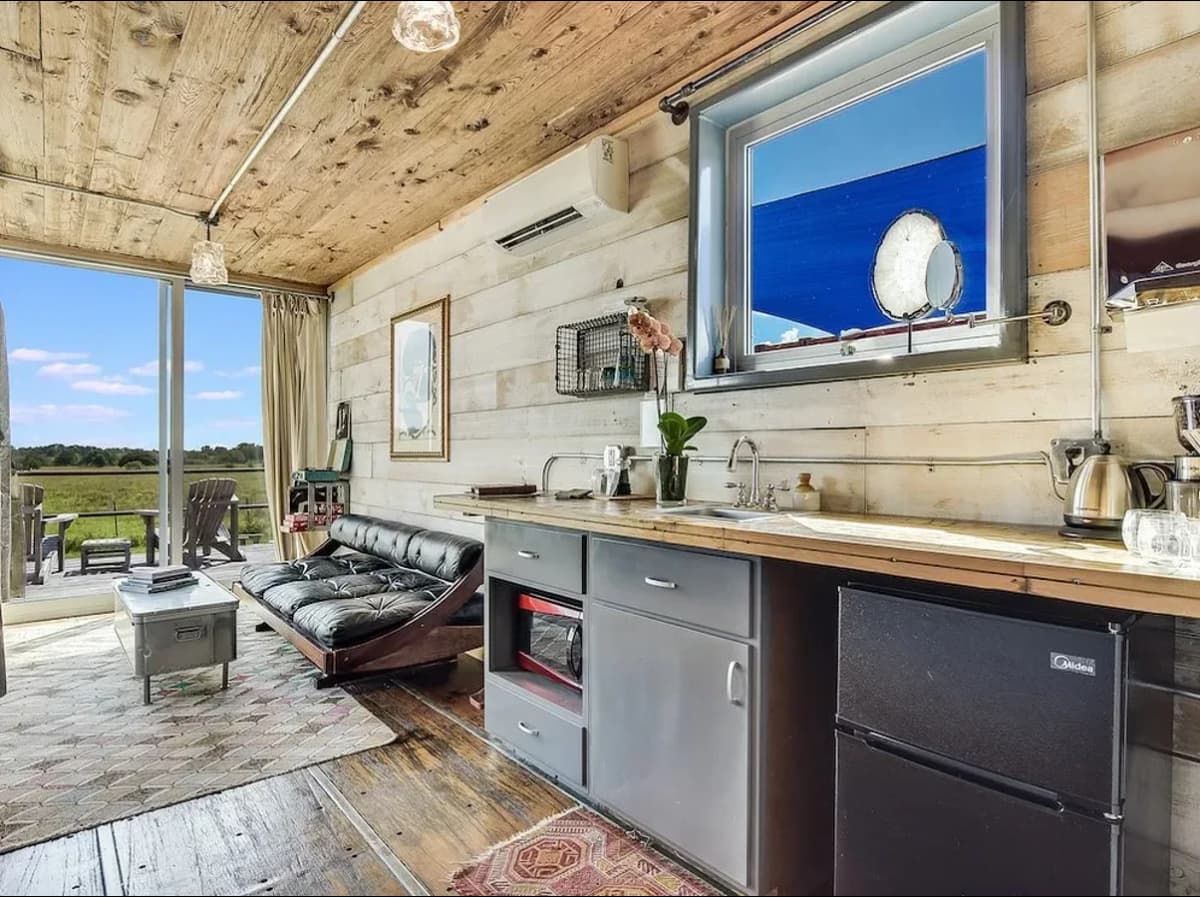
Success in container living means treating every inch like precious real estate. (Image courtesy of Barefoot Detour)
Weather Protection
Shipping containers can handle rough sea, but need extra weatherproofing when transformed into buildings. Siding plays a huge role in protecting against the elements. It blocks wind, rain, and sun, helping maintain the container's structural integrity.
Seal all joints and openings with weatherproof materials to prevent leaks. A quality exterior paint job adds another layer of protection against rust and corrosion.
Popular Essential Add-Ons
Solar Roof Vent
A solar roof vent is a no-brainer addition to any container home or office. It helps regulate temperature by pushing hot air out, keeping the interior cool during summer. Best part? It runs on free solar power, making it eco-friendly and cost-effective.
Custom Paint Options
Paint is a simple yet powerful way to personalize your shipping container. Whether you prefer bold, vibrant colors or subtle, earthy tones, custom paint can make your container truly yours. Opt for high-quality, weather-resistant paint to ensure longevity and durability.
Interior Shelving Choices
In a compact space, smart storage solutions are key. Custom shelving maximizes vertical space, giving you plenty of storage without cluttering the floor. Choose shelves that match your style and needs, from minimalist designs to elaborate setups.
Heating & Cooling Solutions
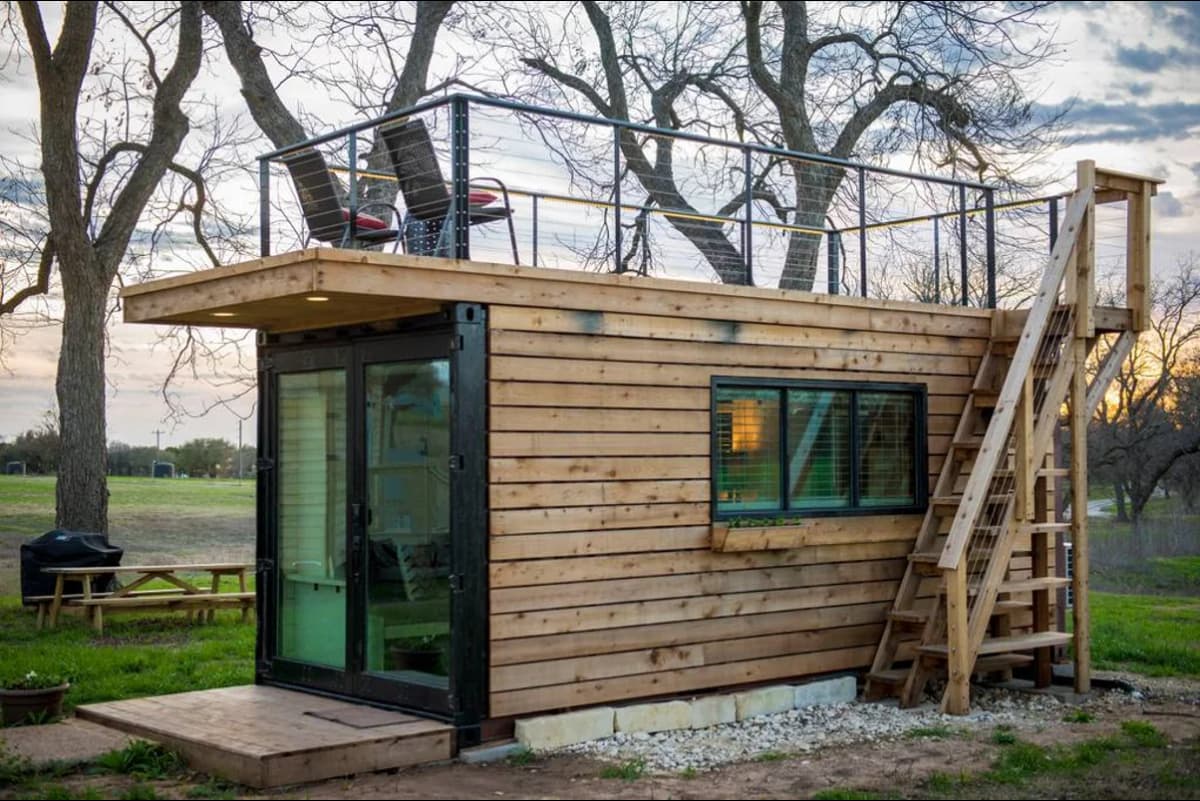
Because of the thermal conductivity of steel in shipping container homes, you need a heating and cooling solution to maintain temperature. (Image courtesy of VillaStay)
Mini-split heat pump systems are the gold standard for containers—they're efficient, don't require extensive ductwork, and can create zones so you only condition spaces you're using.
Radiant floor heating works beautifully in containers, turning the floor into a heat source rather than a cold surface. If you live in a moderate climate, proper cross-ventilation with strategically placed windows can reduce or eliminate the need for mechanical cooling.
Security Enhancements
Security matters when you convert a shipping container into a living or working space. The steel structure already gives you solid protection against break-ins. But adding high-quality locks on doors and windows takes things up a notch. Security bars or grilles can provide extra protection without blocking your view.
Custom Lighting and Electrical
Good lighting completely changes how a space feels. In a shipping container, custom lighting solutions can transform the vibe. Energy-efficient LED lights provide bright, consistent illumination while keeping electricity costs down. Dimmable fixtures let you adjust the mood whenever you want.
Cost Considerations
Base Price Overview
The base price of a shipping container varies depending on its size and condition. A new 20ft container and 40ft container cost between $2,000 and $3,000 but these prices can fluctuate based on location and availability.
Besides the container itself, consider the cost of siding, which can vary based on the material. For example, wood siding might be more expensive than vinyl but offers a different aesthetic appeal.
*These numbers are estimates, and the actual price can vary. Thus, it’s best to reach out to us for an accurate quote.
Installation Costs
Installation costs depend on how complex your project is. Simple setups might only need a basic foundation and minimal site work, keeping costs low. More elaborate designs with extensive customization will drive up installation expenses.
Long-Term Value & Savings
Shipping containers with siding are incredibly durable and need minimal maintenance over the years. The steel structure combined with protective siding ensures longevity, reducing the need for costly repairs.
Energy efficiency is another major factor in long-term savings. With proper insulation and energy-efficient systems like solar vents and mini-split HVAC units, you'll save big on heating and cooling costs.
How Conexwest Can Help With Your Container Siding Project
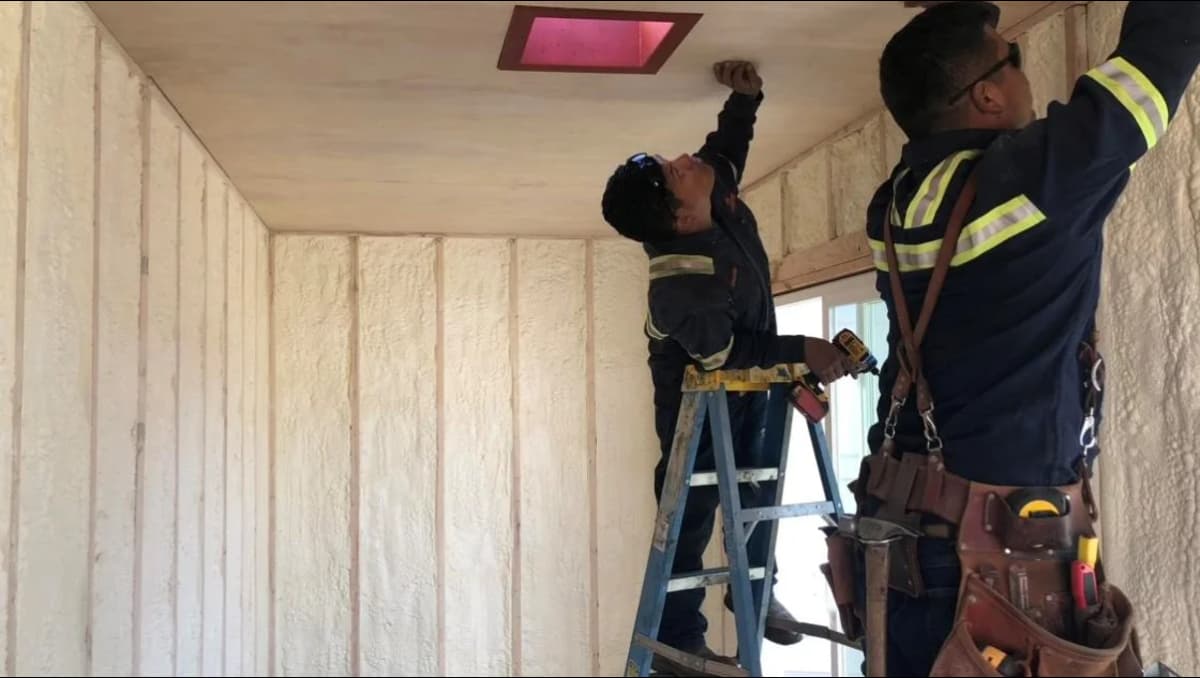
Our team at Conexwest can transform standard shipping containers with beautiful siding that completely changes their appearance while adding insulation and weather protection.
Material Selection Guidance
We'll help you choose the right siding material based on your climate, budget, and style preferences. Whether you want the warmth of wood, durability of metal, affordability of vinyl, or fire-resistance of fiber cement, we'll explain the pros and cons of each option for your specific situation.
Professional Installation
Our experienced team handles the entire siding installation process, ensuring proper attachment, insulation, and weatherproofing. We pay special attention to sealing joints and creating proper moisture barriers to prevent future problems like rust or mold.
Custom Design Options
We offer various design possibilities, including mixed materials, accent walls, and custom color schemes. Want a modern look with metal accents or a traditional appearance with wood-look siding? We can create a custom design that makes your container look like anything but a shipping container.
Complete Climate Control
Beyond just siding, we integrate proper insulation, ventilation, and climate control systems. Our comprehensive approach ensures your container is comfortable year-round, with options like solar vents, mini-split systems, and radiant floor heating that work perfectly with your new siding.
One-Stop Shopping
From selecting your container to adding siding, windows, doors, and interior features, we handle everything. This streamlined process saves you time and ensures all components work together seamlessly for a polished final result.
Get a quote
