
They're affordable, durable, and eco-friendly. They offer a quick way to create a modern home while reducing waste. Plus, they stand up to harsh weather and give you a safe and secure place to live.
Shipping Container House with Carport: Features, Dimensions, Add-Ons, and Costs
Shipping Container House with Carport – Features, Dimensions & Costs
Key Takeaways
- Shipping container homes are eco-friendly since they repurpose containers that would otherwise go unused.
- Container homes are durable and can withstand harsh weather conditions.
- Adding a carport increases functionality and protects your vehicle from the elements.
- Customizable options allow for unique designs and layouts to suit your needs and lifestyle.
- Conexwest provides both standard containers and custom modification services to help you create your perfect container home.
Why Choose a Shipping Container House with Carport
Sustainable Living Benefits
Choosing a shipping container home means committing to a sustainable lifestyle; you’ll be reusing old containers instead of letting them go to waste. This saves you money and helps the planet at the same time.
Durability of Container Homes
These homes are made of steel, the same stuff that crosses oceans on cargo ships. They stand up to harsh weather without breaking a sweat, making them reliable for years to come.
Carport Advantages
A carport shields your car from sun, rain, and snow and it’ll extend your vehicle's life. Plus, you can design it to match your home so it doesn’t look out of place.
Conexwest, a leader in shipping and storage solutions based in Northern California, offers new, used, and refurbished containers from 10ft to 45ft, with fast delivery within 3–7 days and container fabrication options like adding shelves and locks. We serve over 10,000 customers nationwide, including prestigious clients like the U.S. Navy and Google. As an ISO 9001 and AWS-certified company, we ensure top quality and competitive pricing. |
Key Features of Shipping Container House
Cost-Effective Construction
- Lower material costs: You start with a ready-made structure that costs between $1,500–$5,000 per container, much cheaper than building a frame from scratch.
- Reduced labor time: Construction takes weeks instead of months, cutting labor costs by 30–40%. Most of the structure already exists, so teams focus on modifications and finishes.
- Minimal foundation needs: Container homes need simpler foundations than traditional houses. Since containers distribute weight evenly along their corners, you can often use pier foundations instead of expensive concrete slabs.
- Lower utility setup: The compact, defined space means shorter electrical wiring runs and plumbing systems, reducing material needs and specialist labor costs.
Flexibility in Design
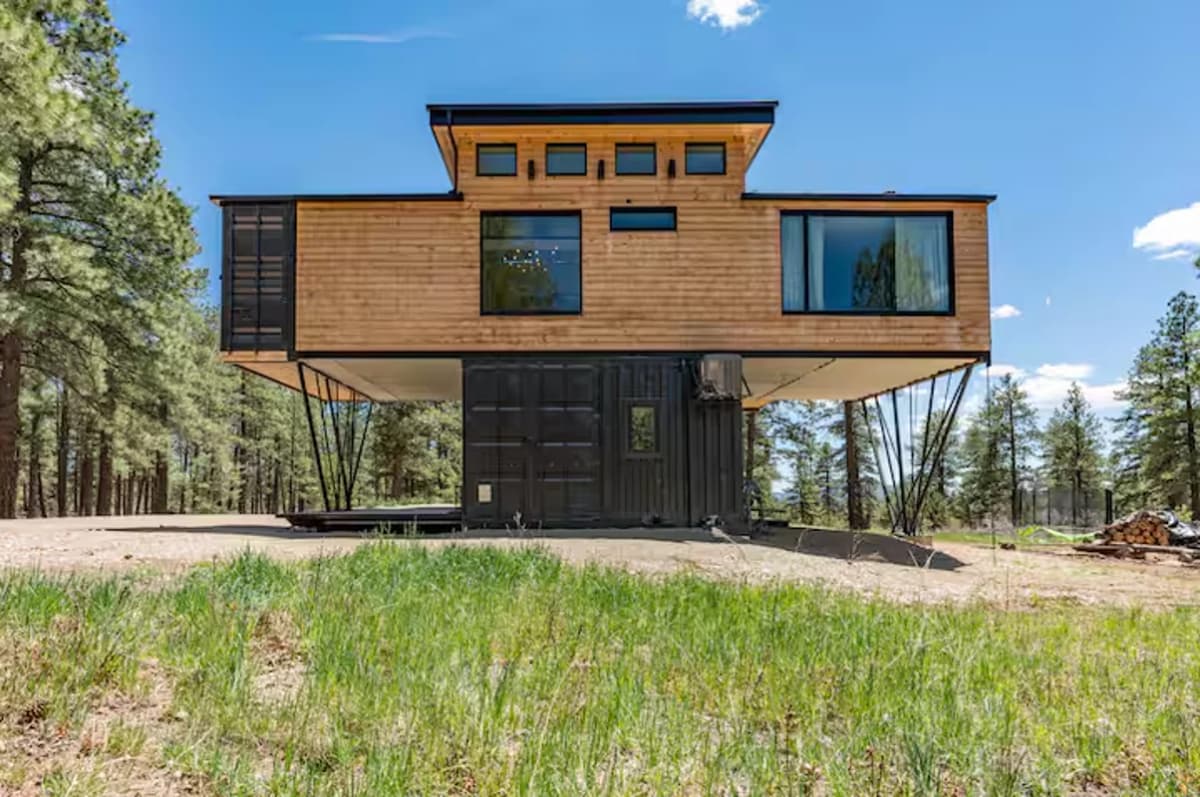
Container homes offer amazing design flexibility that traditional construction can't match. (Image courtesy of Airbnb)
- Modular building blocks: Mix and match 20-ft and 40-ft containers to create your ideal layout. Stack them, place them side by side, or arrange them in L or U shapes.
- Easy to expand later: Need more space? Add another container without a massive renovation. Your home can grow with your family or needs.
- Open concept potential: You can remove entire container walls to create vast open spaces, something hard to achieve in traditional construction without expensive support beams.
- Movable structures: Unlike traditional homes, many container builds can relocate entirely. This gives you freedom to change locations without starting over.
- Creative exterior options: Clad your containers in different materials (wood, metal, stucco) for any look you want, from industrial modern to traditional farmhouse.
- Unique features: Cut windows and doors anywhere in the structure. Create roof decks, cantilevered sections, or even second-story swimming pools with the right engineering.
Eco-Friendly Materials
Container homes stand out as environmental champions in housing:
- Repurposed materials: Each reused shipping container saves about 3,500 kg of steel that would otherwise need recycling. This prevents manufacturing waste and reduces demand for new materials.
- Reduced construction waste: Traditional home building generates about 8,000 pounds of waste per 2,000 square foot home. Container homes cut this by up to 60% through precise amounts of material and minimal structural waste.
- Lower carbon footprint: Building with containers uses significantly less energy than new construction. The embodied energy already exists in the container structure.
- Material efficiency: The defined space encourages smart design that maximizes every square foot, requiring fewer materials overall.
- Compatible with green tech: Container homes pair perfectly with solar panels, rainwater collection systems, and other sustainable technologies due to their compact footprint and metal structure.
- Low-VOC options: Modern container homes often feature low-VOC paints, formaldehyde-free insulation, and sustainable flooring, contributing to better indoor air quality.
Durable and Weather-Resistant
Containers are built to withstand extreme conditions, making them exceptionally durable homes:
- Wind-resistant: Properly anchored container structures can withstand winds up to 175 mph, making them suitable for hurricane-prone areas. Their low profile and solid steel construction resist high winds better than many traditional homes.
- Watertight design: Shipping containers are designed to keep cargo dry while crossing oceans. With proper sealing and quality roof work, they’re highly water-resistant as homes.
- Fire resistance: Steel doesn't burn like wood frames, giving container homes natural fire resistance. This can translate to lower insurance premiums in some areas.
- Pest-proof structure: The steel construction eliminates concerns about termites, carpenter ants, and other wood-destroying pests that plague traditional homes.
- Corrosion resistance: With proper treatment and maintenance, container steel can last decades without significant corrosion issues. Many builders use marine-grade paints or metal treatments for added protection.
- Earthquake performance: Container homes perform well in seismic events due to their rigid steel structure, lightweight nature, and unified construction. Their "box" design naturally resists deformation better than many frame houses.
Dimensions and Layout Possibilities
Standard Sizes
Containers typically come in two sizes:
The standard dimensions make transport and setup on your property straightforward.
Layout Ideas
You can connect containers in many ways to create unique living spaces:
- Stack them to build up instead of out, perfect for small lots
- Arrange them side by side for a spacious single-level home
- Create a courtyard design with containers around a central outdoor area
Space-Saving Tips
Built-in furniture like shelves and benches saves space. Multi-purpose rooms and open designs can enhance your home's functionality.
Potential Add-Ons for Your Home
Solar Panel Integration
Solar panels let you harness the sun's power to generate electricity and reduce your dependence on the grid. This cuts your energy bills and carbon footprint.
Installation is straightforward, and many systems integrate easily with container homes. With the right setup, you can power your entire home with solar.
Green Roofing Systems
Cover your roof with plants to improve insulation, reduce rainwater runoff, and create habitat for wildlife. This eco-friendly feature adds beauty to your home and transforms a simple container into a lush retreat.
Insulation and Climate Control
Good insulation keeps your container home comfortable. Without it, temperatures can fluctuate wildly.
Spray foam insulation works well because it creates an airtight seal that keeps heat in during winter and out during summer.
Cost Analysis
Initial Investment Costs
Basic shipping container homes range from $10,000 to $35,000, and up to $250,000 for advanced, larger homes. This price covers the containers themselves and basic construction to make them livable.
Customizations like carports or green roofs add costs, anywhere from a few thousand to tens of thousands depending on complexity and materials.
You'll also need to budget for professionals like architects, engineers, and builders. These services ensure your home is safe, functional, and up to code.
Item | Cost Range |
Basic Container Home | $10,000–$35,000 |
Customization (carport, green roof) | $5,000–$30,000 |
Professional Services | $5,000–$15,000 |
These prices are just an estimate and are subject to change. Contact us to get the exact pricing.
Long-Term Maintenance Costs
Container homes need regular maintenance like repainting, rust prevention, and minor repairs. Costs are generally lower than traditional homes, but budget for unexpected expenses. Regular checks help catch issues early and save money.
How Conexwest Can Help You Build A Container Home With Carport
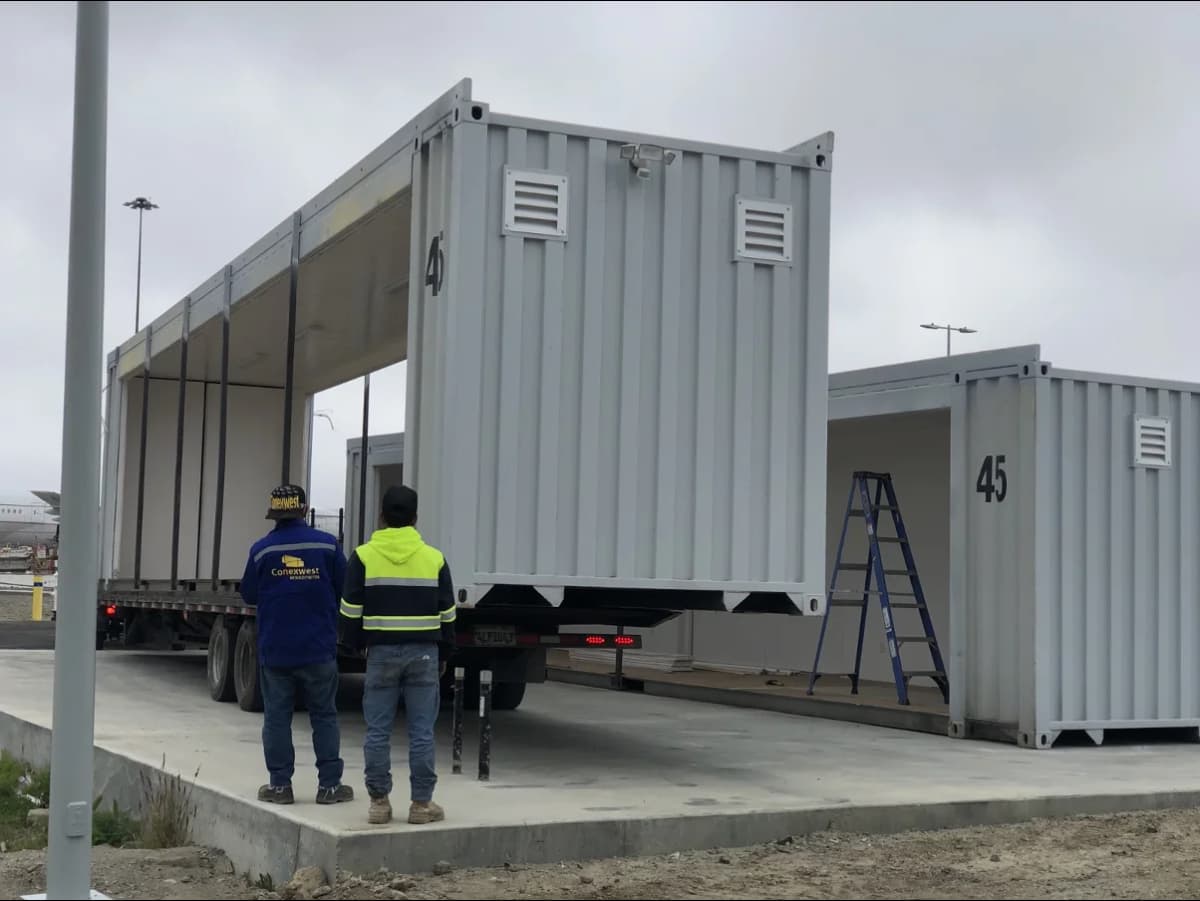
Our team can design integrated carports that perfectly complement your container home's style and structure.
At Conexwest, we understand that building a container home with a carport requires both expertise and creativity. We're dedicated to helping you create a functional, attractive living space that includes convenient vehicle protection. Here's how we can support your container home project:
1. Quality Container Selection
We offer a variety of shipping containers from 10 ft to 45 ft in length with both standard and high cube options. Our team will help you select the ideal container based on your space and design preferences.
2. Custom Carport Design
Our experienced team works with you to design a carport that integrates seamlessly with your container home. We consider factors like optimal vehicle access, protection from local weather conditions, and aesthetic compatibility with your container structure. From simple attached carports to more elaborate designs that create covered connections between containers, we'll help you create the perfect solution.
3. Professional Modification Services
Creating a cohesive container home with carport requires precise modifications. Our AWS-certified fabrication team handles all structural work with expertise, ensuring proper load distribution and weather resistance. We maintain the container's integrity while adding doors, windows, and structural elements that connect your living space to the carport area.
4. Materials and Finish
We help you select materials and finishes that create a unified look between your container home and carport. No matter if you prefer a modern industrial aesthetic or want to soften the appearance with alternative cladding, our team can recommend options that are both safe and meet your design goals.
5. Ongoing Support
We're here for you long after your purchase. Need maintenance advice? Just give us a call. We're committed to keeping your shipping container house with carport running smoothly for years to come.
Was this helpful?
Frequently Asked Questions
They're incredibly durable. Made from steel designed for ocean shipping, they resist weather, pests, and fire. With proper care, they can last decades.
Absolutely! They reuse old containers, which cuts waste and saves new materials. You can also add sustainable features like solar panels and green roofs to further reduce environmental impact.
The compact design often uses less energy, making them perfect for eco-conscious homeowners.
The possibilities are endless! Modify the layout, add features, and choose finishes that match your style. If you want a minimalist studio or multi-room family home, you can make it happen.
Add windows, doors, and insulation for comfort. Include unique elements like rooftop gardens or outdoor decks. Need more space later? Just add another container to expand your home.
Absolutely! We specialize in retrofitting carports to existing container structures. Our team will evaluate your current container home and develop a carport solution that looks like it was part of the original design. We don't just sell quality containers; we handle all necessary structural reinforcements, waterproofing at connection points, and finishing details.