
Shipping containers attract modern architects for many reasons. Most choose them for their unique design, which blends industrial, minimalist, and modern styles. This is often a deliberate architectural choice, driven by a vision more than cost savings.
How to Build a Shipping Container Home: Design, Permits & What to Know [2026]
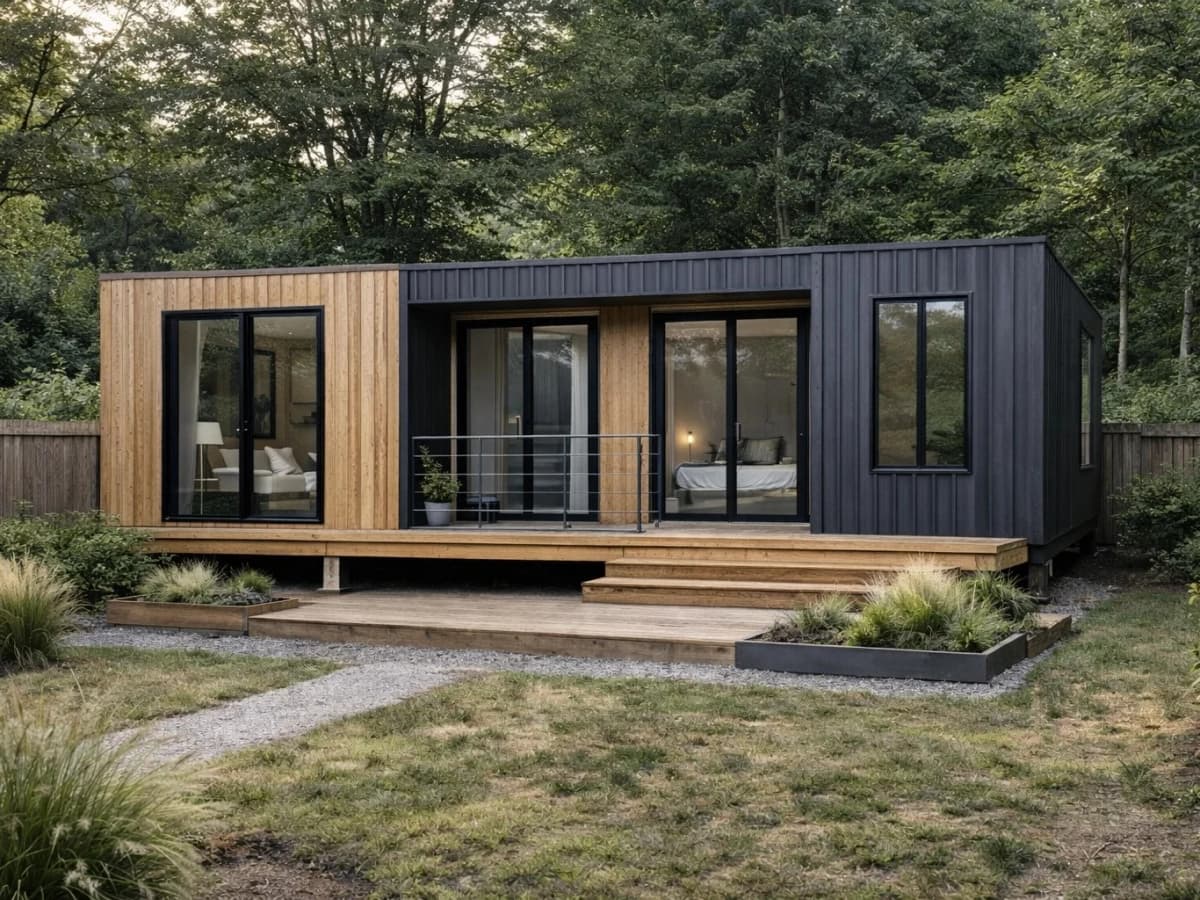
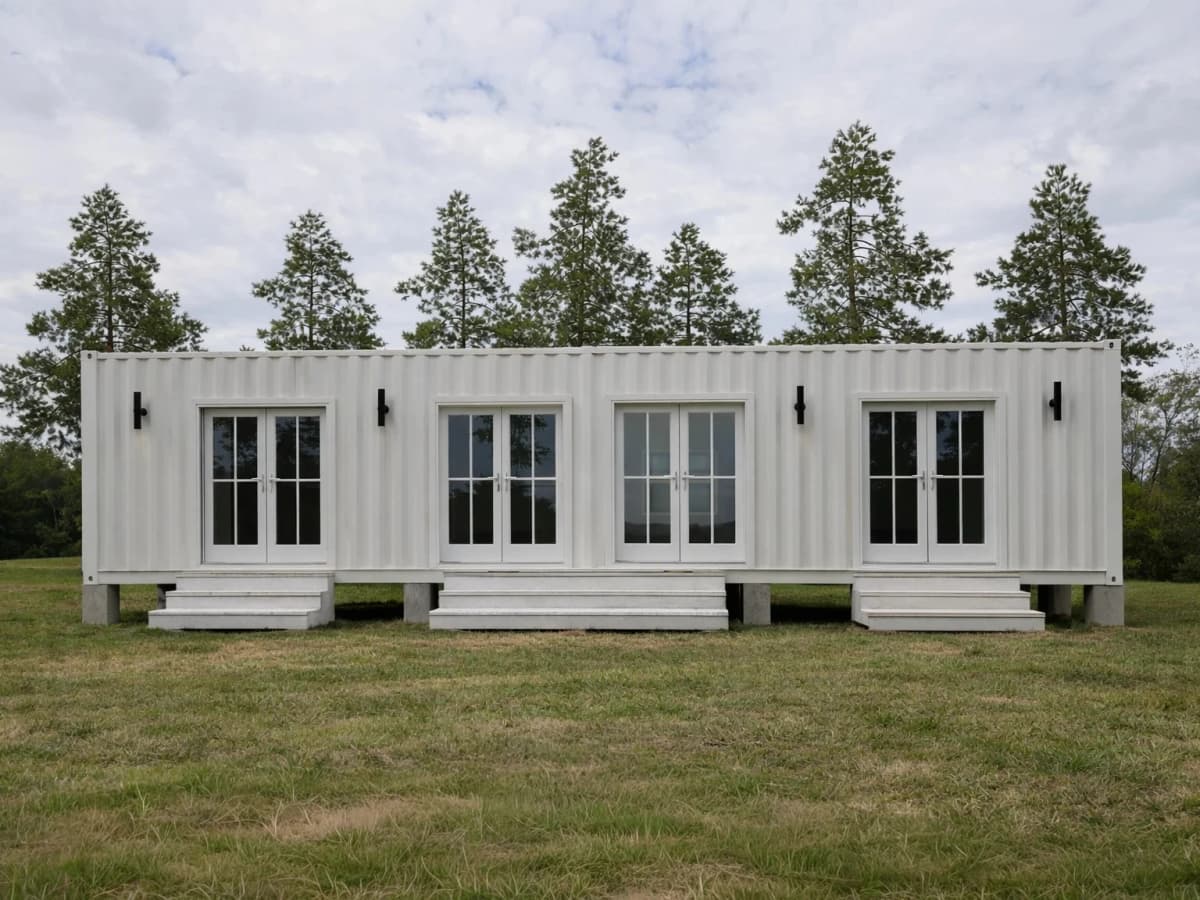
Shipping container homes have become a highly popular component of the modular housing movement, appealing to homeowners, architects, and developers seeking alternatives to traditional construction. Built from durable steel designed to withstand harsh ocean conditions, these structures are known for their strength and longevity. Their inherent modularity allows for easy assembly, offering a distinct and innovative approach to housing.
But the question remains: are shipping container homes a genuinely superior, practical, and budget-friendly alternative to conventional housing? A question often posed by everyone from private homeowners to professional architects. Let’s examine the advantages and disadvantages of choosing a modular home made from recycled shipping containers compared to traditional housing, covering the most asked questions such as cost, adaptability, permits, and construction techniques.
Why Are People Choosing Shipping Containers for Homes?
Shipping containers attract modern architects for many reasons. Most choose them for their unique design, which blends industrial, minimalist, and modern styles. This is often a deliberate architectural choice, driven by a vision more than cost savings.
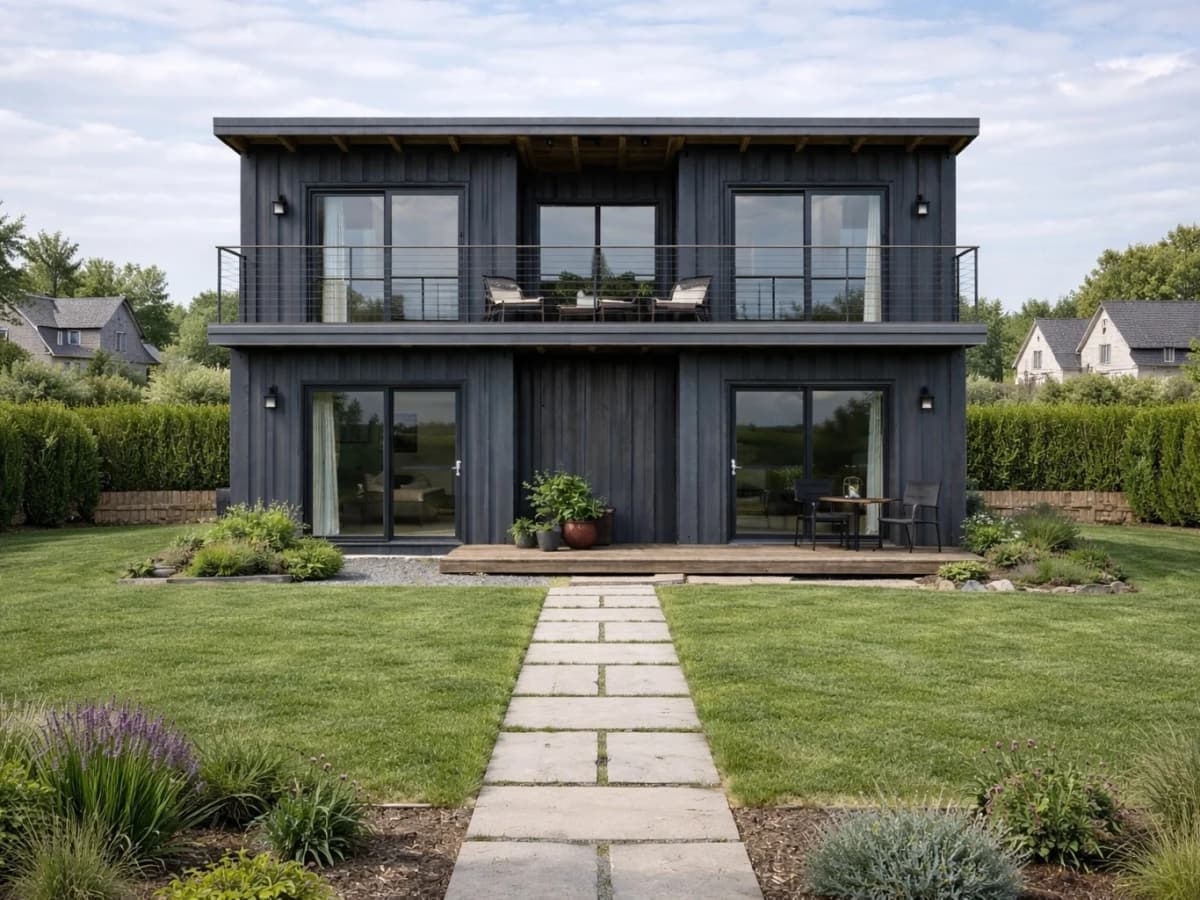
But aesthetics aren’t the only reason. The standardized container structure offers a structural form that can be adapted in more than one way, giving homeowners a flexibility that traditional buildings often don’t offer. One of the most significant advantages is its inherent modularity. For example, a concrete house requires extensive planning, permits, and time if additional space is needed, whereas a container's modular nature allows homes to be expanded, reconfigured, or phased over time, which appeals to those who want flexibility rather than a fixed floor plan.
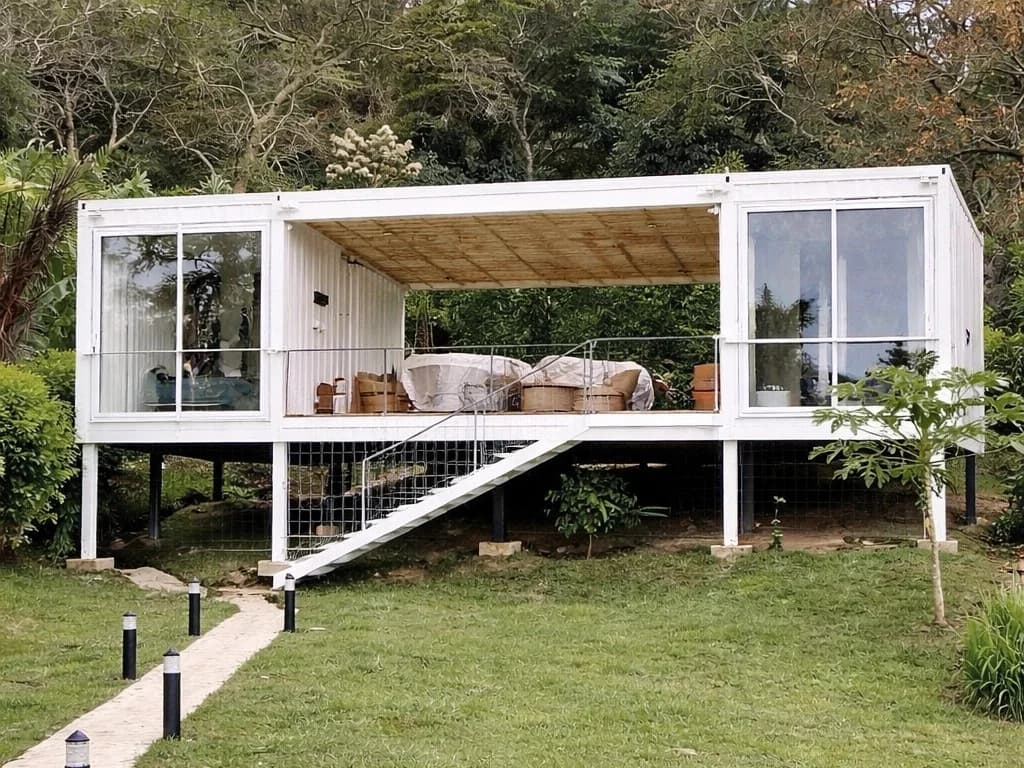
Additionally, sustainability is a common reason some homeowners are drawn to modular and container-based housing. For many, the appeal is the idea of reusing an existing steel structure and reducing waste compared to starting entirely from raw materials. At the same time, the environmental impact of a container home still depends heavily on design choices especially insulation, ventilation, and overall energy performance.
That said, shipping containers are not a universal solution. Their advantages depend heavily on location, design choices, and regulatory requirements. Understanding why people are drawn to container homes helps clarify where they make sense and where traditional construction may still be the better option.
What Is a Shipping Container Home?
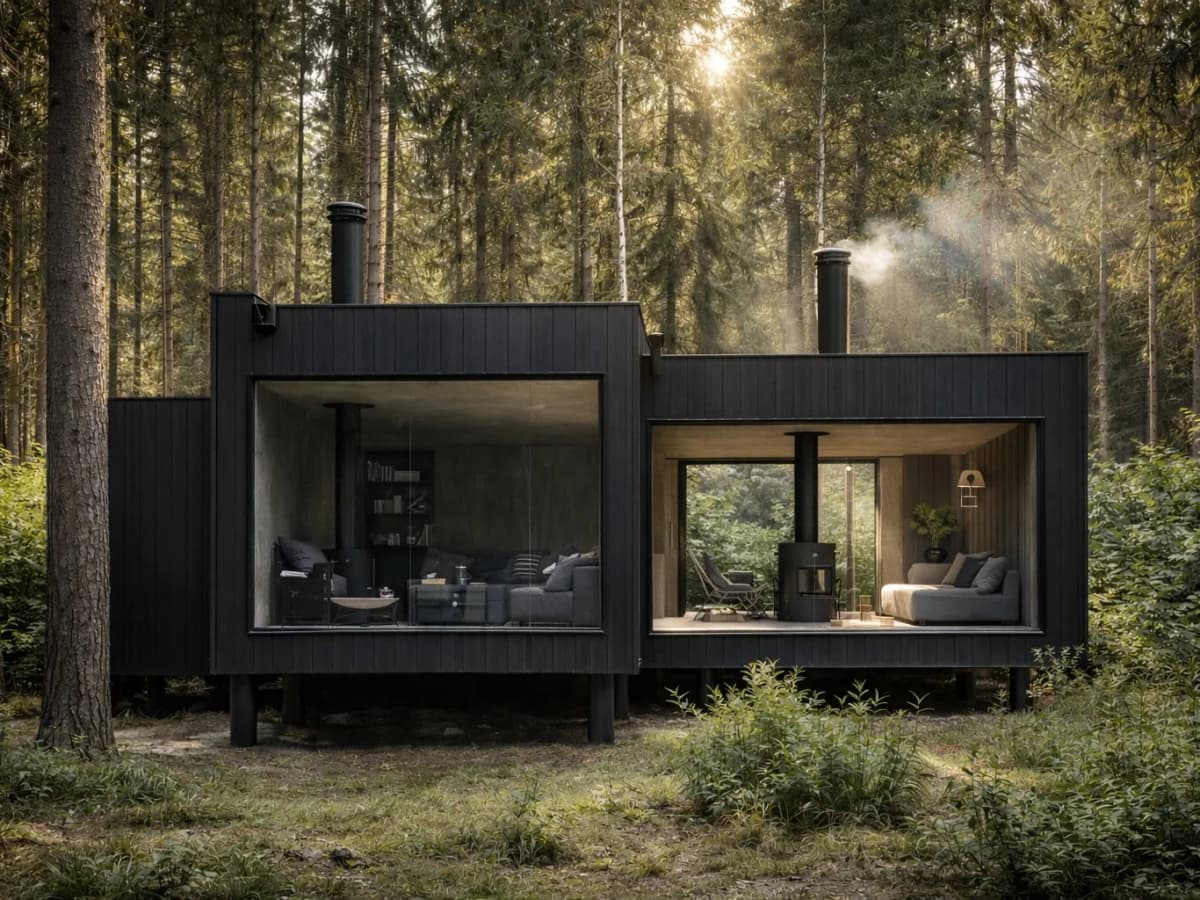
A shipping container home is a residential structure built using steel shipping containers as the primary structural components. These containers, typically 20-foot or 40-foot units, are originally designed for transporting goods across long distances and are engineered to withstand heavy loads, harsh weather, and long-term use.
In residential construction, containers can be used individually or combined to form larger layouts. Some container homes use a single container as a compact living space, while others stack or join multiple containers to create multi-room or multi-story homes. The containers serve as the structural shell, with interior finishes, insulation, plumbing, electrical systems, and openings such as windows and doors added during the build process.
Shipping container homes can be permanent residences, accessory dwelling units (ADUs), cabins, or mixed-use structures, depending on local zoning and building regulations. While the container provides a strong starting structure, most container homes still require site preparation, foundations, and compliance with local building codes, similar to traditional construction.
Shipping Container Home Pros and Cons
Like any building method, shipping container homes come with both advantages and limitations. Understanding these is essential before deciding whether a container-based home is the right choice for you.
Pros
Structural durability
Shipping containers are built from steel and designed to withstand heavy loads, harsh weather, and long-distance transport. This makes them a strong structural starting point for residential construction when properly modified and installed.
Modular design
Containers are standardized in size, which allows for modular planning. Homes can be designed using one or multiple containers, stacked or arranged in different configurations, making it easier to plan expansions or phased builds over time.
Construction efficiency
Because the basic structure already exists, certain stages of construction can move faster compared to building entirely from scratch. This can simplify planning and reduce some on-site labor, depending on the design.
Distinct architectural style
Many homeowners are drawn to the clean lines and industrial look of container homes. For design-driven projects, containers offer a visual identity that differs from conventional housing.
Cons
Permitting and zoning challenges
Shipping container homes are not permitted in all locations. Local zoning laws, building codes, and neighborhood regulations can limit where and how containers may be used for residential purposes.
Insulation and energy performance
Steel conducts heat and cold, which means container homes require careful insulation and climate-control planning. Without proper design, energy efficiency can become a challenge.
Modification costs
While containers provide a structural shell, cutting openings, reinforcing walls, adding insulation, and installing utilities can add significant cost. In some cases, these expenses reduce the cost advantage compared to traditional construction.
Site and foundation requirements
Container homes still require foundations, utility connections, and site preparation. These factors vary by location and can affect overall feasibility and budget.
Are Shipping Container Homes Legal in the United States?
Shipping container homes are legal in parts of the United States, but their approval depends on local zoning laws, building codes, and municipal ordinances. There is no single nationwide rule that applies everywhere. Instead, container homes are evaluated under the same regulatory frameworks used for other residential structures.
Three regulatory layers determine legality:
• Zoning and Land-Use Rules — define where a container home can be placed, what it can
be used for, and physical requirements like lot size, setbacks, and height limits.
• Building Codes (ICC) — most states follow International Code Council standards.
Container homes must meet the same structural, fire, insulation, and energy
requirements as traditional houses.
• Local Ordinances — cities and counties often have additional rules about design
standards, aesthetic requirements, and nontraditional construction methods.
Before moving forward, review local regulations and confirm requirements with your
city or county planning department.
→ Read our full legal guide: Are Shipping Container Homes Legal? U.S. Laws & Permits
Is a Shipping Container Home Cheaper Than a Regular Home?
In most cases, yes — but the final number depends on your design, location, and how much customization you need. A simple single-container build can come in well under $100,000, while a fully custom multi-container home can approach traditional construction costs.
The biggest savings come from the structure itself — the steel container replaces conventional framing, which cuts both material and labor costs. Shorter build timelines also mean less money spent on construction loans and on-site labor.
That said, costs like insulation, permits, foundation work, and utility hookups still apply. A container home isn't automatically cheap — it's about how the project is planned.
→ For the full cost comparison with 2026 pricing, build timelines, financing options, and hidden costs, see our detailed price breakdown: Shipping Container Home Cost vs. Traditional Home →
How to Build a Shipping Container Home
Building a shipping container home follows a similar process to traditional construction, but with important differences related to design, materials, and regulatory approval. The steps below outline how container homes are typically planned and built.
Design and Planning
The process begins with defining how the home will be used and how many containers are required. Early design decisions include layout, square footage, number of rooms, ceiling height, and whether containers will be stacked or arranged side by side. At this stage, it’s also important to consider local zoning rules, building codes, and climate conditions, as these factors influence both design feasibility and cost.
Container Selection
Once the design is established, the appropriate container type is selected. Most residential projects use 20-foot or 40-foot containers, with high-cube containers often chosen for added interior height. Builders may use new (“one-trip”), used, or refurbished containers depending on budget, appearance requirements, and intended lifespan. The condition of the container affects both modification work and long-term performance.
Site Preparation
Before delivery, the site must be prepared to support the structure. This typically includes installing an approved foundation, ensuring proper drainage, and confirming access for delivery equipment. Utility connections such as water, sewer, and electrical service are planned at this stage, along with any required inspections or permits.
Modifications and Utilities
After placement or prior to delivery, containers are modified to support residential use. This includes cutting and reinforcing openings for doors and windows, adding insulation, installing electrical and plumbing systems, and addressing ventilation and climate control. These modifications are critical for meeting building code requirements and ensuring the home is comfortable and energy-efficient.
Delivery and Installation
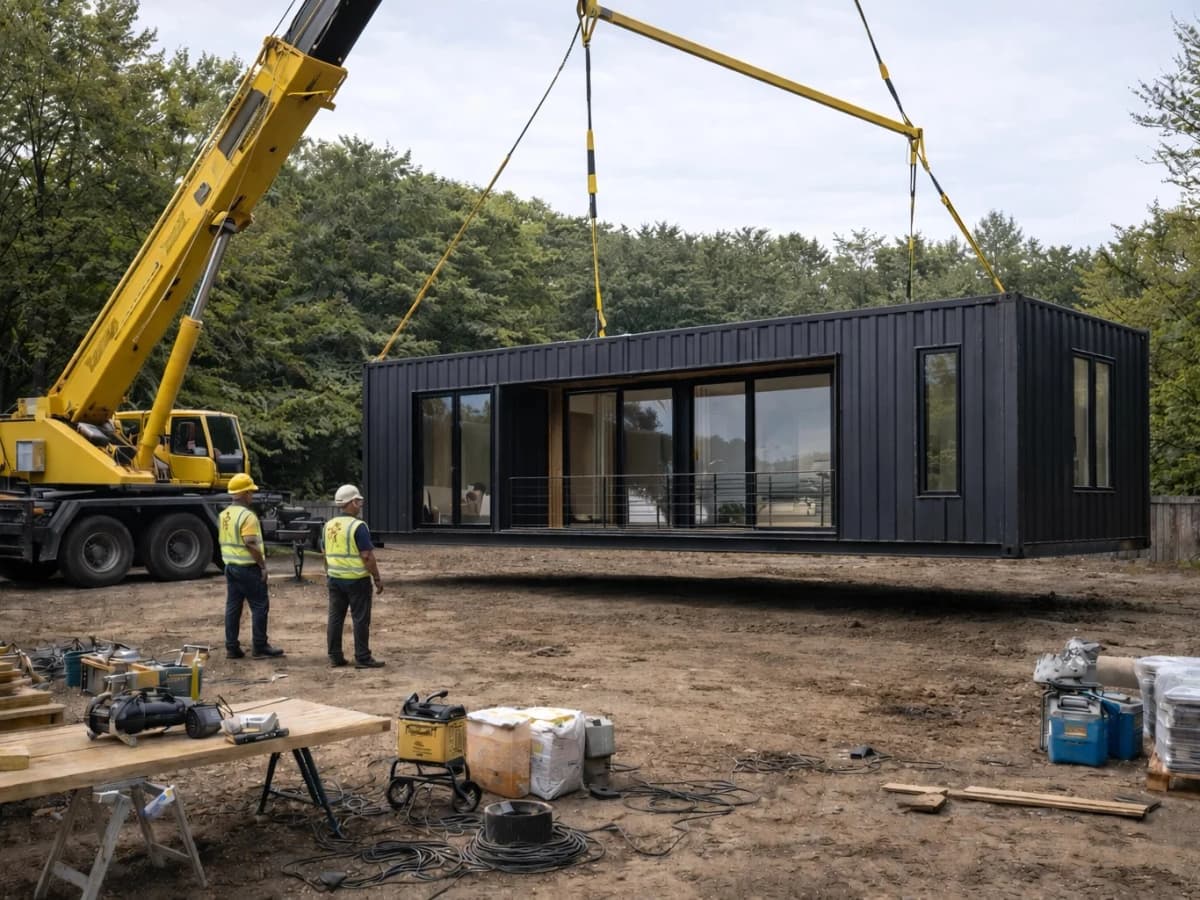
Once the containers are modified, they are transported to the site and set in place using specialized equipment. Final installation includes securing the containers to the foundation, completing utility hookups, and finishing interior and exterior work. Inspections are typically required before the home can be occupied, just as with traditional construction.
→ Read our complete 10-step building guide: How to Build a Shipping Container Home Step by Step
Shipping Container Home Plans and Layouts
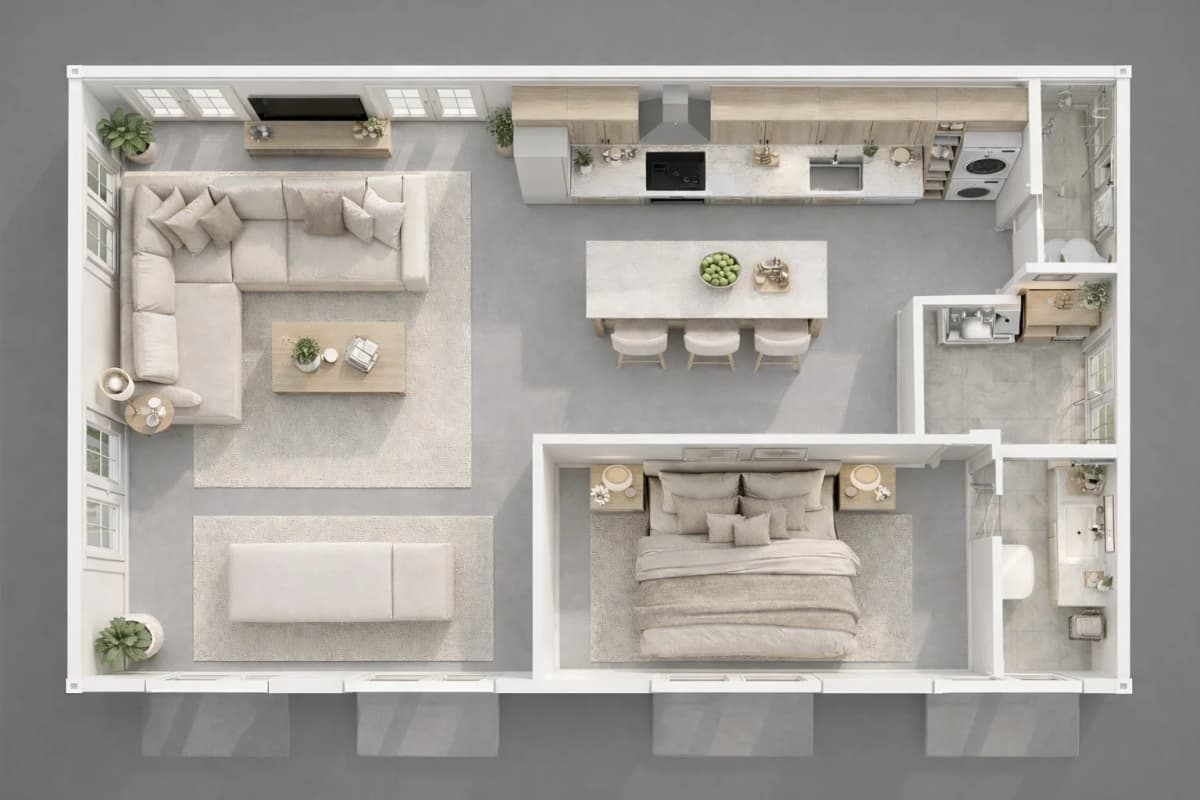
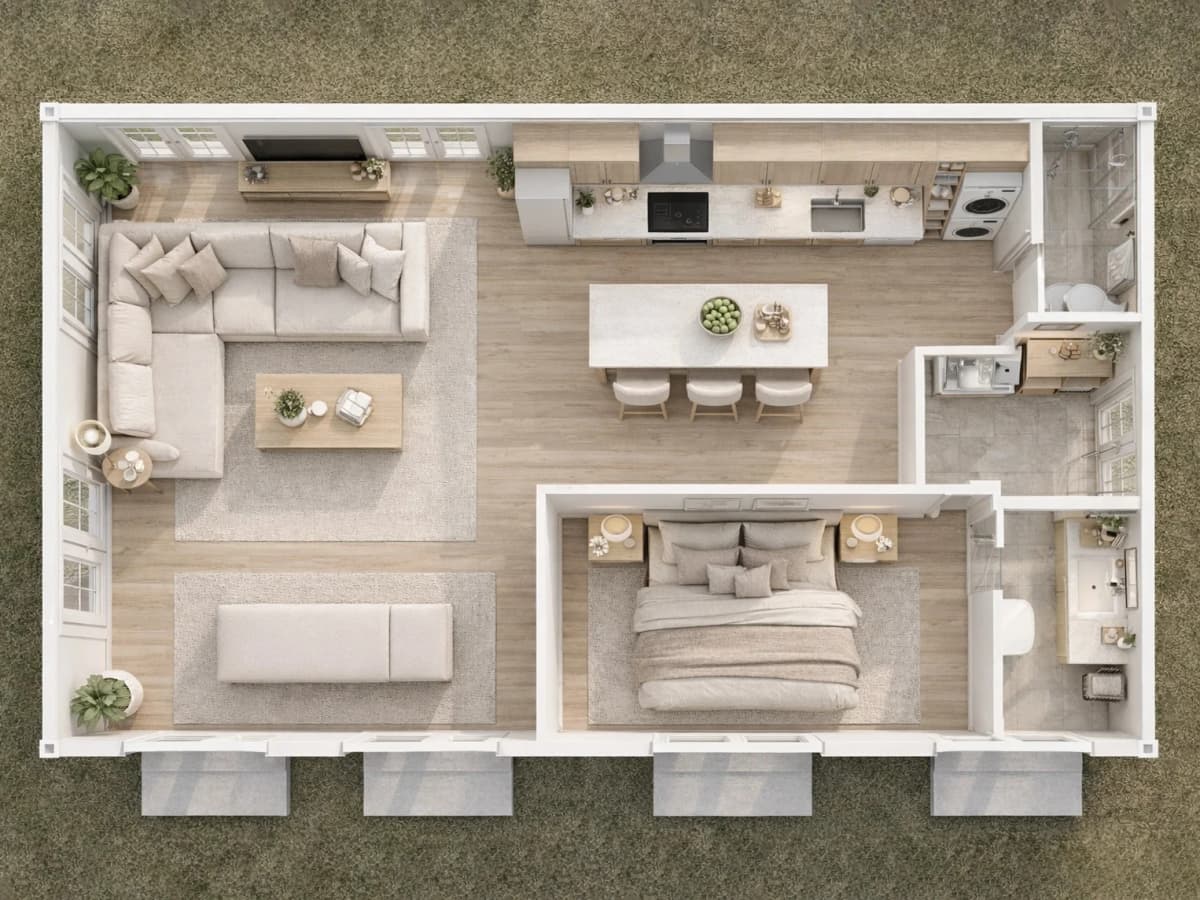
Shipping container home plans range from small, efficient studios to large, multi-bedroom residences created by combining or stacking containers. Their modular nature allows for adaptable layouts suited to various sites, climates, and needs, making visual planning essential.
→ Explore layout options: Shipping Container Home Plans: Layouts, Sizes, and Design Options
So Is The Container Home Right Fit For You?
Shipping container homes are a distinct construction method with unique advantages and clear limitations, rather than a universal solution or a passing trend. For the right project, location, and design approach, they can offer durability, modularity, and architectural character that traditional construction does not always provide. For others, conventional housing may remain the more practical option.
With realistic expectations and careful planning, a shipping container home can be a viable and intentional alternative within the broader landscape of modern residential construction.
If you’re exploring this path, the next step is often determining which container type best fits your needs whether that’s a new (one-trip), used, or refurbished container. Each option comes with different cost, condition, and design considerations. You can also use Conexbuilder to visualize layouts, experiment with configurations, and better understand what’s possible within a container-based design.
Elevate your project with expert guidance. Our in-house design team is ready to transform your concepts into practical, build-ready solutions, supporting you through every stage of planning and customization. Browse our catalogue to pick the right container for you.
Was this helpful?
Frequently Asked Questions
A shipping container home is a residential structure built using steel shipping containers as the primary structural components. These containers, typically 20-foot or 40-foot units, are originally designed for transporting goods across long distances and are engineered to withstand heavy loads, harsh weather, and long-term use.
Like any building method, shipping container homes come with both advantages and limitations. Understanding these is essential before deciding whether a container-based home is the right choice for you.
Shipping container homes are legal in parts of the United States, but their approval depends on local zoning laws, building codes, and municipal ordinances. There is no single nationwide rule that applies everywhere. Instead, container homes are evaluated under the same regulatory frameworks used for other residential structures.
In most cases, yes — but the final number depends on your design, location, and how much customization you need. A simple single-container build can come in well under $100,000, while a fully custom multi-container home can approach traditional construction costs.
Shipping container home plans range from small, efficient studios to large, multi-bedroom residences created by combining or stacking containers. Their modular nature allows for adaptable layouts suited to various sites, climates, and needs, making visual planning essential.
Shipping container homes are a distinct construction method with unique advantages and clear limitations, rather than a universal solution or a passing trend. For the right project, location, and design approach, they can offer durability, modularity, and architectural character that traditional construction does not always provide. For others, conventional housing may remain the more practical option.