
Prices can vary based on the size and condition of the container:
Shipping Container Home Cost vs Traditional Home: Full 2026 Price Breakdown
2026 Cost Comparison: Container Homes vs. Traditional Builds
How much does it actually cost to build a shipping container home compared to a traditional house? We break down every expense — from the container itself to foundation, insulation, plumbing, and finishing — so you can compare real numbers side by side. All costs updated for 2026.
Key Takeaways
- Shipping container homes generally cost $150 to $350 per square foot, while traditional homes range from $200 to $400 per square foot.
- Building a shipping container home takes a few weeks to a month, compared to several months to a year for a traditional home
- Initial costs for a shipping container home include container purchase, transportation, and modifications.
- Conexwest offers high-quality, customizable shipping containers with fast delivery and excellent customer service.
Financing options differ — traditional mortgages vs. personal/construction loans for container homes
Conexwest, a leader in shipping and storage solutions based in Northern California, offers new, used, and refurbished containers from 10ft to 45ft, with fast delivery within 3-7 days and container fabrication options like adding shelves and locks. We serve over 10,000 customers nationwide, including prestigious clients like the U.S. Navy and Google. As an ISO 9001 and AWS-certified company, we ensure top quality and coetitive pricing. |
Breakdown of Costs
Costs of Building a Shipping Container Home
Initial Purchase of Containers
Prices can vary based on the size and condition of the container:
- A new 20-foot container can cost around $3,000 to $5,000.
- A used 20-foot container might cost between $1,500 and $3,000.
- A new 40-foot container can range from $5,000 to $7,000.
- A used 40-foot container might be priced between $2,500 and $4,500.
Transportation and Site Preparation
Once you have your containers, you need to transport them to your building site. Transportation costs can vary based on the distance and logistics involved.
Site preparation includes clearing the land, leveling the ground, and laying a foundation, which can cost anywhere from $5,000 to $15,000 depending on the complexity.
Structural Modifications
Structural modifications include cutting out spaces for windows and doors, reinforcing the structure, and welding necessary supports.
Structural modifications can cost between $5,000 and $20,000, depending on the complexity of the design and the number of containers used.
Plumbing and Electrical Work
Plumbing installation typically costs between $3,000 and $10,000, depending on the number of bathrooms and the complexity of the system.
Electrical work can range from $2,000 to $8,000, depending on the number of outlets, lighting fixtures, and appliances.
Insulation and Finishing Touches
Spray foam insulation is a popular choice due to its effectiveness and ease of application. Insulation costs can range from $1,000 to $5,000, depending on the size of the home and the type of insulation used.
After insulation, finishing touches like drywall, flooring, and painting are necessary to complete the interior. These finishing touches can add another $5,000 to $15,000 to the overall cost.
* These costs are estimated at the time of writing and may be changed in the future. Contact us today to get a quote.
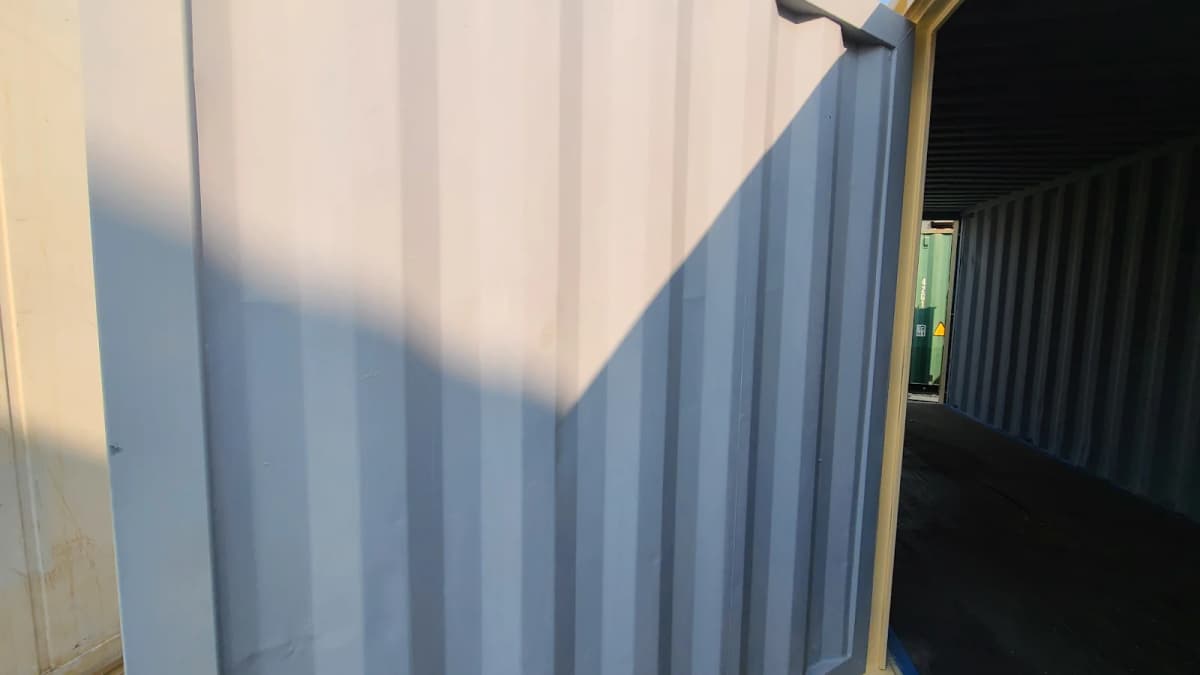
A shipping container can be quickly turned into a warm and inviting home with thoughtful interior design choices. Create your own wall art, curtains, and other decor items to save money and add a personal touch to your home.
Costs of Building a Traditional Home
- Land Purchase and Preparation: Once you buy the land, site preparation can cost an additional $10,000 to $50,000, depending on the land's condition and the complexity of the work required.
- Foundation and Framing: For the foundation, expect to pay from $10,000 to $30,000, while framing can go up to $50,000.
- Plumbing and Electrical Work: Plumbing installation can cost between $5,000 and $15,000, while electrical work can range from $3,000 to $10,000.
- Interior Finishing: Interior finishing costs can range from $20,000 to $50,000. High-end finishes and custom features can significantly increase these costs.
- Landscaping and Exterior Finishes: Siding, roofing, windows, doors, and outdoor spaces like gardens and driveways—all the exterior finishes can cost up to $30,000, while landscaping can add another $5,000 to $20,000.
Cost Per Square Foot: Side-by-Side 2026 Summary
| Cost Category | Container Home | Traditional Home |
|---|---|---|
| Structure / Shell | $15–$30/sq ft | $30–$60/sq ft |
| Foundation | $5–$15/sq ft | $10–$25/sq ft |
| Framing | Included in shell | $15–$35/sq ft |
| Insulation | $5–$15/sq ft | $4–$10/sq ft |
| Plumbing | $10–$25/sq ft | $12–$30/sq ft |
| Electrical | $8–$20/sq ft | $10–$25/sq ft |
| Interior Finishing | $20–$50/sq ft | $25–$60/sq ft |
| Exterior / Siding | $5–$15/sq ft | $15–$35/sq ft |
| Site Prep & Permits | $10–$25/sq ft | $15–$40/sq ft |
| Total Estimated | $78–$195/sq ft | $136–$320/sq ft |
Financing a Container Home vs. Traditional Home
Building a container home is one thing. Paying for it is another — and the financing landscape looks very different depending on which route you choose.
Traditional Home Financing
Conventional homes have decades of lending infrastructure behind them. You'll typically have access to:
- Conventional mortgages — 15- or 30-year fixed-rate loans with rates as low as 6–7% (2026 averages). Requires 3–20% down.
- FHA loans — Government-backed with as little as 3.5% down. Widely available for stick-built homes.
- VA loans — Zero down payment for qualifying veterans. Standard for traditional construction.
- Construction-to-permanent loans — Covers the build, then converts to a standard mortgage. Most lenders offer these for conventional builds.
Container Home Financing
Here's where it gets trickier. Container homes are still classified as "non-traditional construction" by most lenders, which limits your options:
- Personal loans — The most accessible option. Unsecured, no collateral needed, but higher interest rates (8–15%) and shorter terms (5–10 years).
- Construction loans — Available from some credit unions and smaller banks that work with alternative builds. Expect to shop around — big banks often won't touch it.
- FHA loans — Possible if the container home is built on a permanent foundation and meets local building codes, but approval depends heavily on your lender and location.
- VA loans — Same as FHA — technically possible, but the home must meet HUD standards. Not every VA lender will approve a container build.
- Cash or owner financing — Many container homebuilders pay cash, especially for smaller single-container builds under $50,000. Some sellers also offer direct financing.
Insurance: Another Cost to Factor In
Insuring a container home can cost 10–20% more than a comparable traditional home. Why? Fewer insurers underwrite them, and those that do may classify them as "specialty structures." Tips to keep premiums down:
- Build on a permanent foundation (required by most insurers)
- Get a professional appraisal documenting construction quality
- Work with insurers experienced in alternative housing — ask us for recommendations
The Bottom Line on Financing
Container homes cost less to build — but they can be harder to finance. If you're planning a container home build, start talking to lenders early. Get pre-qualified before you break ground, and work with builders (like Conexwest) who can provide the documentation lenders need: engineered plans, building permits, and proof of code compliance.
Planning your container home budget? Get a free quote on containers and customizations to nail down your numbers before you talk to a lender.
Ranges reflect national averages for basic-to-mid-range builds. High-end finishes, complex multi-container designs, or challenging site conditions can push container
How to Save Money on Building a Shipping Container Home
Budget-Friendly Interior Design Tips
- Opt for furniture that serves multiple functions, like a sofa bed or a dining table with storage compartments.
- Create your own wall art, curtains, and other decor items to save money and add a personal touch to your home.
- Visit thrift stores, garage sales, and online marketplaces to find affordable furniture and decor pieces.
- Use reclaimed wood, pallets, and other materials to create unique and cost-effective furniture and decor.
- Good lighting can make a small space feel larger and more inviting. Use a mix of natural light, task lighting, and ambient lighting to create a warm and welcoming atmosphere.
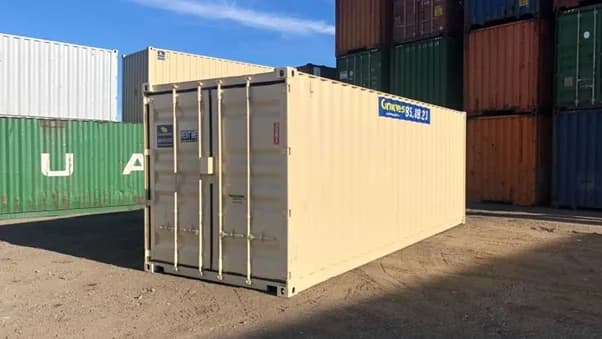
At Conexwest, we provide a large range of shipping containers and offer fabrication services so you can build the ideal home.
Want to compare beyond just cost? Read our [complete guide to shipping container homes vs. traditional homes → https://www.conexwest.com/blog/shipping-container-homes-cost-design-permits-guide for safety, durability, customization, and livability.
Cost Per Square Foot: Side-by-Side 2026 Summary
| Cost Category | Container Home | Traditional Home |
|---|---|---|
| Structure / Shell | $15–$30/sq ft | $30–$60/sq ft |
| Foundation | $5–$15/sq ft | $10–$25/sq ft |
| Framing | Included in shell | $15–$35/sq ft |
| Insulation | $5–$15/sq ft | $4–$10/sq ft |
| Plumbing | $10–$25/sq ft | $12–$30/sq ft |
| Electrical | $8–$20/sq ft | $10–$25/sq ft |
| Interior Finishing | $20–$50/sq ft | $25–$60/sq ft |
| Exterior / Siding | $5–$15/sq ft | $15–$35/sq ft |
| Site Prep & Permits | $10–$25/sq ft | $15–$40/sq ft |
| Total Estimated | $78–$195/sq ft | $136–$320/sq ft |
- Site access: Can a flatbed truck and crane actually reach your lot? Narrow roads, low-hanging power lines, or steep grades can add thousands in logistics costs
- Multi-container stacking: Placing containers on a second story requires a larger crane and more time — budget an extra $1,000–$3,000 per container
Budget: $1,500–$10,000+ depending on location and project size.
Conexwest delivers nationwide within 3–7 business days — get a delivery quote for your specific location.
Hidden Cost #3: Architect & Design Fees
For a simple single-container conversion, you might get by with a contractor and basic plans. But for anything more complex:
- Architect fees: $2,000–$15,000 for container home plans, depending on complexity
- Structural engineer: $1,500–$5,000 — often required by building departments
- Pre-made plans: A budget-friendly option at $500–$2,000, but may still need local engineering review
Budget: $2,000–$15,000 for professional design and engineering.
Hidden Cost #4: Utility Connections
If you're building on undeveloped land, running utilities to the site adds up fast:
- Water/sewer hookup: $1,500–$10,000 (or $5,000–$20,000+ for a well and septic system)
- Electrical connection: $1,000–$5,000 to run power from the nearest utility pole
- Gas line: $500–$3,000 if available; propane tank setup as an alternative
Budget: $3,000–$25,000 for full utility setup on undeveloped land.
The Real Total: What to Actually Budget
When you add hidden costs to the base build, a realistic all-in budget looks like this:
- Simple single-container home (320 sq ft): $35,000–$80,000
- Mid-range multi-container home (640–960 sq ft): $80,000–$175,000
- Custom large container home (1,200+ sq ft): $150,000–$350,000+
Still significantly less than the $270,000–$450,000+ average for a new traditional home of comparable size — but more than the bare-bones estimates that circulate online.
The best way to get an accurate number? Start with a free Conexwest quote on your containers and customizations — then build your full budget from there.
Budget: $2,000–$10,000 for the full permit and inspection process.
Hidden Cost #2: Container Delivery & Placement
Getting a 40-foot steel box to your building site isn't as simple as scheduling a truck. Factor in:
- Delivery distance: Local delivery (under 100 miles) runs $500–$2,000. Cross-country? $3,000–$7,000+
- Crane rental: You'll likely need a crane to lift and place the container on the foundation — $500–$2,500 per day
Ranges reflect national averages for basic-to-mid-range builds. High-end finishes, complex multi-container designs, or challenging site conditions can push container Why Choose Conexwest For Your Shipping Container Home
- Quality and Durability of Containers: At Conexwest, we pride ourselves on offering high-quality shipping containers made from corten steel that are designed to withstand harsh weather conditions.
- Customization Options: From adding windows and doors to creating fully functional offices and workshops, our team can modify your container to suit your specific needs.
- Customer Service: Our team is dedicated to providing you with the support and guidance you need throughout the entire process, from selecting the right container to completing your custom modifications.
Was this helpful?
Frequently Asked Questions
Building a container home is one thing. Paying for it is another — and the financing landscape looks very different depending on which route you choose.
At Conexwest, we provide a large range of shipping containers and offer fabrication services so you can build the ideal home.
Shipping container homes are legal in many areas, but always check with your local zoning and building authorities.
With proper maintenance, shipping container homes can last for several decades. The steel construction makes them highly durable and resistant to harsh weather conditions.
Yes, at Conexwest, we offer warranties on our shipping containers; 10 years on our ISO shipping containers and 5 years on our used cargo-worthy ISO shipping containers.
Some common issues with shipping container homes include insulation challenges, limited space, and potential zoning and permitting issues.
Some lenders may offer loans specifically for alternative housing, while others may require you to take out a personal loan or use other financing methods.