Loading...
 Modern shipping container office with large windows, glass doors, finished interior workspace, and construction equipment in an industrial yard at sunset.

Guide to Building a Shipping Container Office

Shop now

Building a Shipping Container Office

A shipping container office is a practical way to create durable workspace for construction sites, industrial yards, schools, farms, events, logistics operations, and growing businesses. Instead of building permanent office space from the ground up, companies can use modified containers as ground-level offices, project offices, plan rooms, dispatch centers, classrooms, crew spaces, or office-and-storage combinations.

The right container office starts with the right plan. Size, layout, insulation, HVAC, windows, doors, electrical, flooring, site access, and local requirements all affect how the office functions once it is delivered.

This guide explains how to build a shipping container office, which container sizes work best, what modifications to consider, what mistakes to avoid, and how Conexwest can help with ready-made office containers, rentals, custom fabrication, and delivery.

Key Takeaways

  • Shipping container offices can be used for jobsites, industrial yards, schools, farms, events, dispatch operations, temporary offices, and long-term workspaces.
  • Common office container sizes include 10ft, 20ft, and 40ft units, with larger or custom layouts available depending on the project.
  • Important buildout features include insulation, HVAC, electrical, lighting, windows, doors, flooring, security, and interior partitions.
  • Costs depend on container size, condition, layout, customization level, delivery, utilities, permits, and site preparation.
  • Conexwest offers ready-made office containers, custom container fabrication, rental options, and container delivery support.

Why Build a Shipping Container Office?

Shipping container offices are popular because they combine strength, flexibility, and portability. They can be used as temporary workspace during a project or as a long-term office for businesses that need secure space close to the work area.

Common reasons to choose a shipping container office include:

  1. Flexible workspace: Container offices can be configured for desks, meeting areas, private offices, storage, restrooms, dispatch work, classrooms, or crew space.
  2. Ground-level access: Many container offices sit directly at ground level, making daily access easier than some elevated trailer-style offices.
  3. Durability: Shipping containers are built from steel and designed for heavy-duty use, making them a strong base for office conversion.
  4. Security: Containers can be equipped with lockboxes, steel doors, security bars, keypad locks, and other access-control features.
  5. Portability: Office containers can be relocated when project or site needs change.
  6. Customization: Containers can be modified with windows, doors, HVAC, electrical, lighting, insulation, partitions, flooring, shelving, and paint.
  7. Scalability: Businesses can use one office container or combine multiple units for larger workspace needs.

If you are comparing different workspace options, read Conexwest’s guide to office trailer container rental and sale costs.

Shop now 

Best Shipping Container Sizes for Offices

The best office container size depends on how many people will use the space, whether the office needs storage, whether restrooms are required, and how much room is available on-site.

Container SizeBest ForCommon Uses
10ft office containerCompact workspaceGuard booth, small admin office, ticket booth, site check-in, single-person workspace
20ft office containerSmall teams and jobsitesSupervisor office, construction site office, small project office, security office
40ft office containerLarger teams and multi-zone layoutsProject headquarters, office plus storage, meeting room, dispatch office, classroom, office with restroom
High cube office containerProjects needing extra heightMore ceiling clearance, additional ducting, upgraded interior buildouts, larger-feeling office space

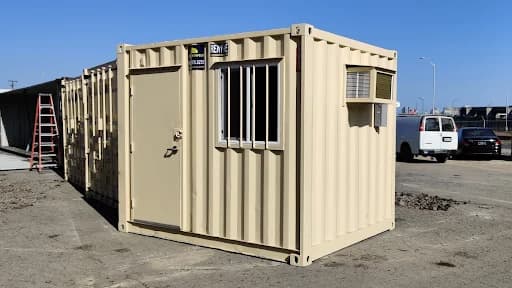
Conexwest offers ready-made office containers in multiple sizes, including 10ft mobile office containers, 20ft ground-level office containers, and 40ft ground-level office containers.

Step 1: Plan the Office Layout

Before choosing a container, decide how the office will be used. A construction site office has different needs than a school admin office, dispatch center, farm office, or customer-facing sales office.

Start by planning:

  • Number of people using the office
  • Desks, worktables, or conference space
  • Private office or open workspace needs
  • Storage for tools, plans, files, equipment, or supplies
  • Windows, doors, and visibility requirements
  • Electrical, lighting, internet, and HVAC needs
  • Restroom, sink, or plumbing requirements
  • Site access, delivery space, and placement surface

For a deeper layout guide, read Conexwest’s article on 40ft shipping container office floor plans, layouts, and costs.

Common Shipping Container Office Layouts

A shipping container office can be arranged in many ways depending on the project. Some customers need a simple open workspace, while others need private offices, meeting rooms, storage areas, or restrooms.

Open Office Layout

An open office layout keeps most of the interior clear so teams can arrange desks, plan tables, filing cabinets, shelving, and workstations as needed. This layout is useful for construction site offices, temporary business offices, project teams, and industrial yard offices.

Private Office Plus Open Workspace

This layout adds a private room for a manager, supervisor, sales lead, or administrator while keeping the rest of the container open for team workstations. It is a good choice when the office needs both privacy and collaboration.

Office Plus Storage Layout

An office plus storage layout divides the container into workspace on one side and secure storage on the other. Contractors, maintenance teams, utility companies, and field crews often use this setup to keep tools, plans, parts, and equipment near the work area.

For more ideas, read Conexwest’s guide to shipping container offices with storage.

Office with Restroom Layout

A container office with a restroom can be useful for long-term jobsites, remote locations, events, customer-facing offices, and industrial yards. Restroom layouts require additional planning for plumbing, water, waste, ventilation, utilities, and local requirements.

Learn more in Conexwest’s guide to shipping container offices with bathrooms.

Dispatch or Operations Office Layout

A dispatch office layout can include desks, monitors, radios, whiteboards, filing cabinets, and windows positioned for visibility across the yard. This works well for trucking yards, logistics companies, equipment rental yards, ports, security operations, and industrial facilities.

Classroom or Training Layout

A 40ft office container can also be arranged for training, onboarding, safety meetings, school overflow, or workforce development. Rows of desks, a whiteboard, lighting, HVAC, windows, and storage cabinets can create a clean training space near the work location.

Step 2: Choose the Right Container

10ft New Mobile Office Container

Choosing the right container is one of the most important parts of building a shipping container office. The container should be structurally sound, properly sized, and suitable for the intended layout.

Customers can choose between new, used, and refurbished shipping containers depending on budget, appearance, availability, and use case. For office projects, many customers prefer a container that is clean, secure, and ready for modifications.

Available options include:

If you want to skip a ground-up conversion, Conexwest also offers ready-made 10ft, 20ft, and 40ft office containers.

Step 3: Add Doors and Windows

Office containers need safe, practical entry points and natural light. Doors and windows affect the layout, visibility, ventilation, security, and how the office feels inside.

Common options include:

  • Steel personnel doors
  • Sliding windows
  • Security window bars
  • Roll-up doors for office plus storage layouts
  • Interior doors for private offices or restrooms
  • Lockboxes or keypad locks for added security

Conexwest can support office projects with container fabrication options, including doors, windows, partitions, lockboxes, and other access upgrades.

Step 4: Add Insulation, Flooring, and Interior Finishes

Insulation is important for office comfort, temperature control, and condensation management. The best insulation choice depends on climate, use, budget, and how finished the office needs to be.

Common finish options include:

For many office builds, insulation, finished walls, flooring, HVAC, and lighting make the container feel more like a functional workspace instead of a storage unit.

Step 5: Add Electrical, Lighting, and HVAC

A shipping container office usually needs electrical outlets, lighting, climate control, and power access for computers, printers, monitors, tools, phones, internet equipment, and office appliances.

Common office utility features include:

HVAC and electrical work should be planned carefully, especially when the office will be occupied daily, placed in a hot or cold climate, or used for computers and business equipment.

Step 6: Prepare the Site

A container office needs a stable, level, and accessible placement area. Poor site preparation can create door alignment issues, drainage problems, delivery delays, or long-term maintenance concerns.

Before delivery, check:

  • Truck access and turning clearance
  • Overhead clearance from wires, branches, signs, and structures
  • Ground conditions and drainage
  • Space for doors, windows, ramps, stairs, and walkways
  • Access to power or generator connection
  • Fire lanes, emergency access, and site circulation
  • Local zoning, permit, and property owner requirements

Learn more about shipping container delivery and container placement before scheduling your office delivery.

How Much Does It Cost to Build a Shipping Container Office?

The cost to build a shipping container office depends on the size of the container, condition, layout, modifications, finishes, delivery, and site requirements. A basic office container will cost less than a custom build with multiple rooms, restroom space, upgraded finishes, plumbing, and specialty systems.

Main cost factors include:

  • Container size and condition
  • New, used, or refurbished container selection
  • Office layout and number of rooms
  • Doors, windows, and security upgrades
  • Insulation and interior finishing
  • Electrical package and lighting
  • HVAC or heat pump system
  • Flooring and cabinetry
  • Restroom, plumbing, or utility connections
  • Delivery and site access
  • Permits, inspections, and local requirements

For a deeper cost breakdown, read How Much Does a Shipping Container Office Cost?

Renting vs. Buying a Shipping Container Office

Some customers need an office for a short-term project, while others need a long-term workspace or customized build. Renting and buying can both make sense depending on the project timeline.

OptionBest ForWhy It Works
RentingTemporary jobsites, short-term projects, seasonal operations, overflow office spaceUseful when the office is only needed for a defined project period.
BuyingLong-term offices, permanent yard offices, repeated project use, custom buildsBetter for customization, long-term value, and repeated use across multiple locations.

View the 40ft ground-level office rental container for temporary workspace or the 40ft ground-level office container for sale for long-term office use.

Common Mistakes to Avoid When Building a Shipping Container Office

  1. Skipping local approvals: Zoning, permits, inspections, fire access, utility connections, and occupancy rules can vary by location.
  2. Choosing the wrong container size: A compact office may work for one person, but larger teams may need a 20ft or 40ft office layout.
  3. Ignoring layout before fabrication: Door, window, electrical, HVAC, restroom, and furniture placement should be planned before cutting or modifying the container.
  4. Over-cutting the steel structure: Large openings may require structural review and reinforcement.
  5. Under-planning insulation and HVAC: Office comfort depends heavily on climate control and thermal performance.
  6. Forgetting drainage and leveling: A poor base can cause water issues and affect door operation.
  7. Underestimating utility needs: Computers, HVAC, lighting, printers, tools, restrooms, and appliances may require careful power planning.
  8. Not budgeting for delivery: Delivery costs and site access needs should be reviewed before ordering.
  9. Choosing finishes before defining use: A dispatch office, classroom, storage office, and customer-facing sales office may all need different layouts.

Related Office Container Guides

If you are planning a container office project, these Conexwest guides may also help:

How Conexwest Can Help You Build a Shipping Container Office
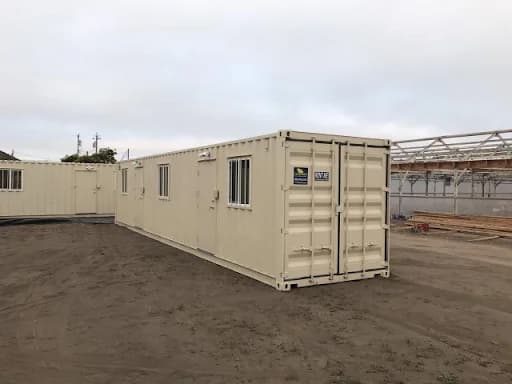
40ft New Mobile Office Container

Conexwest provides ready-made and custom shipping container office solutions for customers who need secure, durable workspace. Whether you need a compact 10ft office, a 20ft ground-level office, a 40ft project office, or a custom office with storage or restroom space, Conexwest can help you choose the right option.

Conexwest can support:

  • New, used, and refurbished containers
  • 10ft, 20ft, 40ft, and 45ft container options
  • Ground-level office containers
  • Office container rentals
  • Custom layout planning and fabrication
  • Doors, windows, insulation, HVAC, electrical, lighting, and flooring
  • Office plus storage layouts
  • Office containers with restroom options
  • Delivery planning based on site access and placement needs

Explore Conexwest office containers for your next jobsite, business, school, industrial, or temporary workspace project.

Shop now 

Frequently Asked Questions

How long does it take to build a shipping container office?

Timelines depend on the container size, layout, customization level, material availability, approvals, delivery distance, and site preparation. A ready-made office container is usually faster than a fully custom office build.

Do you need permits for a shipping container office?

Permit requirements vary by city, county, property type, duration of use, occupancy, utilities, restroom installation, and whether the office is temporary or permanent. Customers should confirm requirements with local officials before delivery.

What size shipping container is best for an office?

A 10ft office works well for compact use, a 20ft office is practical for small teams, and a 40ft office is better for larger teams, meeting space, storage, classrooms, or office layouts with restrooms.

Can a shipping container office include a restroom?

Yes, a shipping container office can include a restroom when plumbing, water, waste, ventilation, site access, and local requirements allow. Restroom layouts require more planning than standard office layouts.

Can I rent a shipping container office?

Yes. Renting can be a good option for temporary jobsites, short-term projects, seasonal operations, emergency workspace, or office overflow.

Is it better to rent or buy a shipping container office?

Renting is useful for temporary projects, while buying is often better for long-term use, repeat projects, custom layouts, or permanent yard offices.

What features can be added to a shipping container office?

Common features include windows, doors, insulation, flooring, lighting, electrical outlets, HVAC, partitions, shelving, storage cabinets, lockboxes, custom paint, and restroom options.

What maintenance does a shipping container office need?

Maintenance may include checking door seals, window seals, roof condition, paint, rust spots, HVAC filters, electrical systems, flooring, and drainage around the container.