
How Can I Build a Home Gym From a Shipping Container | Conexwest
Building a home gym from a shipping container is one of the most efficient ways to create a dedicated workout space without committing to a full construction project. Durable, modular, and compact shipping containers offer a flexible solution for homeowners who want a personal fitness space that can be customized to fit their training needs.
At Conexwest, innovation meets durability. Since 2014, we've helped more than 30,000 customers turn their ideas into functional container solutions across the U.S. Whether you're planning a simple personal gym or a fully equipped training space, container-based gyms are built to perform.
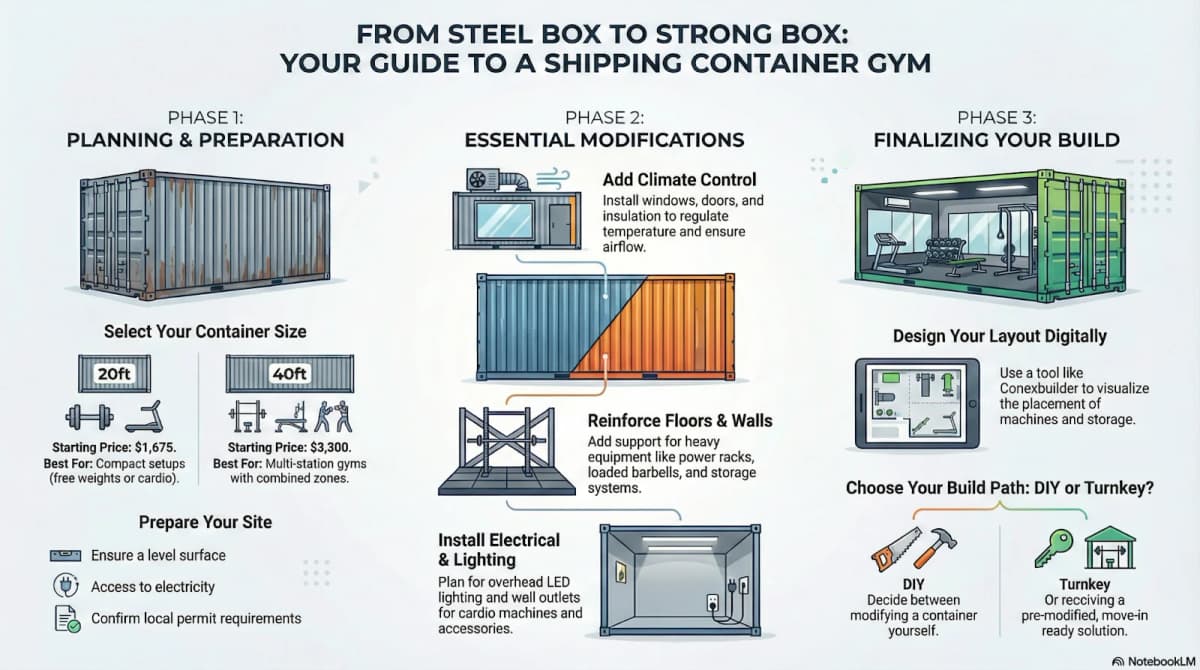
Below is a realistic, step-by-step guide to building a shipping container gym using Conexwest solutions.
Step 1: Choose the Right Container Size
Most container gyms start with one of two standard sizes from our inventory of new, used, and refurbished containers.
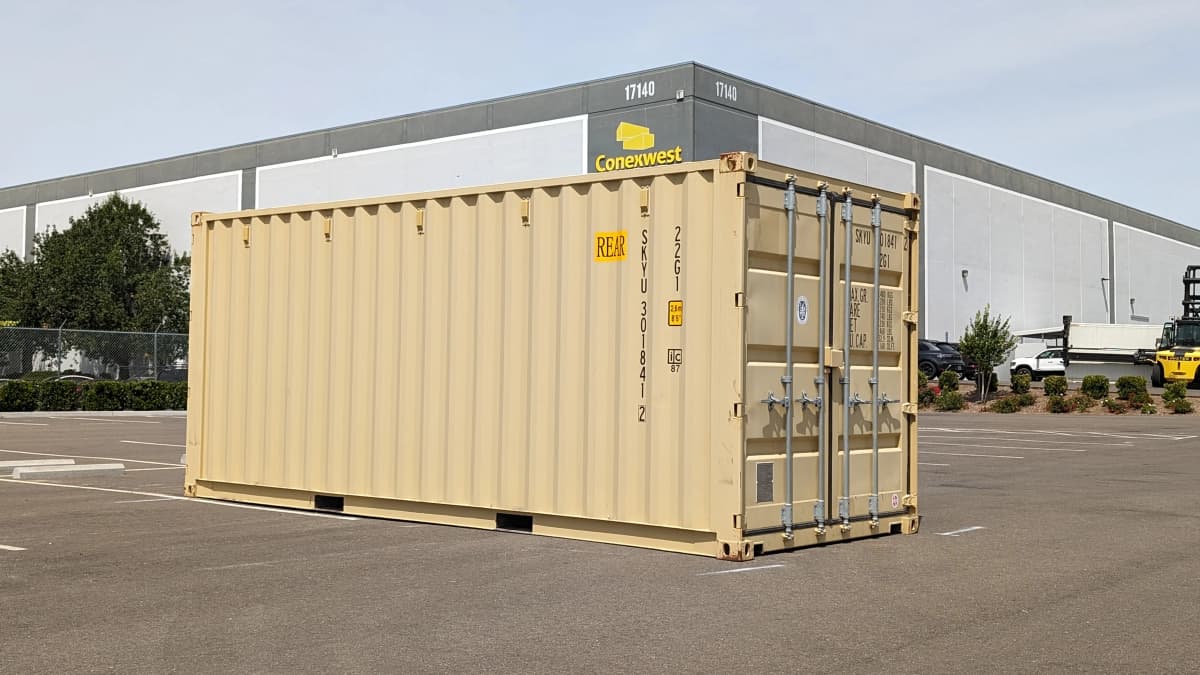
Ideal for compact setups focused on free weights or cardio equipment. Conexwest 20ft containers start at $1,675, making them a cost-effective option for home gyms.
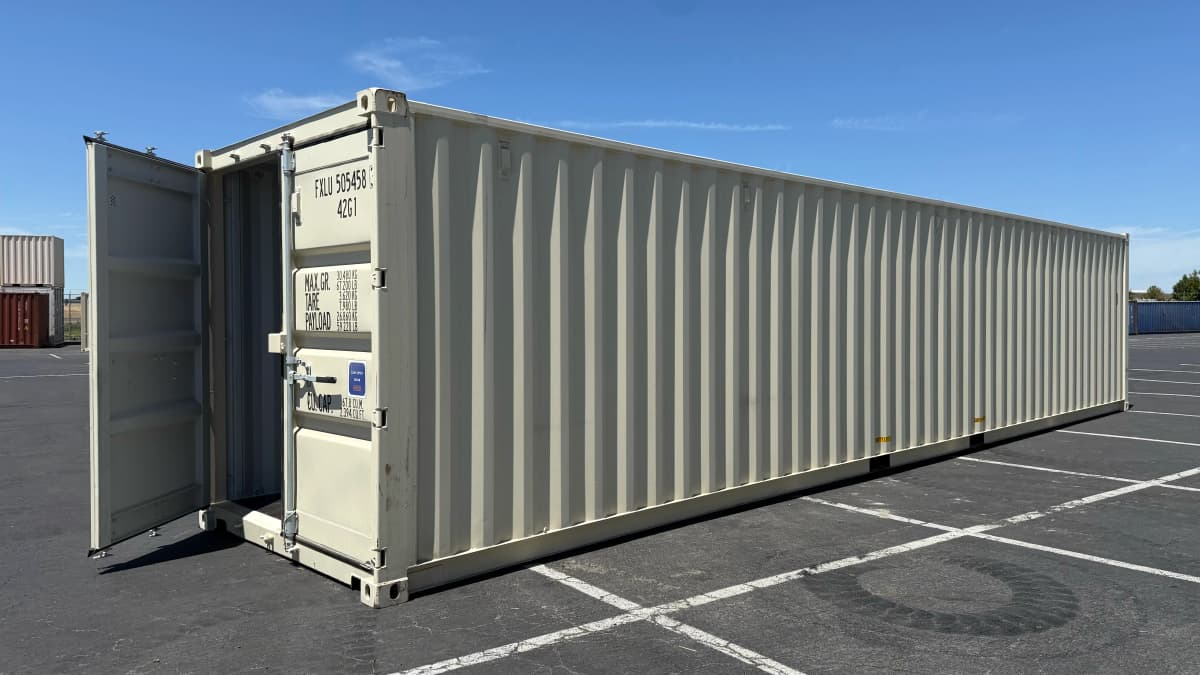
Better suited for multi-station gyms or combining strength and cardio zones. Our 40ft containers start at $3,300, offering significantly more interior space.
Conexwest carries container sizes ranging from 10ft to 45ft, including high-cube containers for added ceiling height, an important consideration for overhead lifts and pull-up stations.
Browse our catalogue to see which containers work best for your project.
Step 2: Prepare the Site
Before delivery, your property will need basic site preparation:
- A level surface such as a concrete pad, asphalt, or compacted gravel
- Access to electricity for lighting, equipment, and climate control
Permit and zoning requirements for shipping containers vary by state and municipality. Many local governments adopt building codes published by the International Code Council (ICC), while zoning and land-use regulations are often made available through the Municode Library. Before placing a container on your property, we recommend reviewing your local codes through these resources and confirming requirements with your city or county planning department.
Conexwest provides professional container delivery across 28+ U.S. states. Our experienced delivery teams use heavy-duty container chassis to ensure safe transport and precise placement at your site.
Step 3: Plan Ventilation and Insulation
Gyms generate heat quickly, making airflow and insulation essential for comfort and safety. Conexwest offers a range of upgrades to support climate control:
- Windows and doors for natural light and cross-ventilation
- Insulation packages to regulate interior temperature
- Climate control solutions, including techniques used in our refrigerated containers (reefers), to keep gym spaces cool even in extreme climates
Step 4: Reinforce Floors and Walls
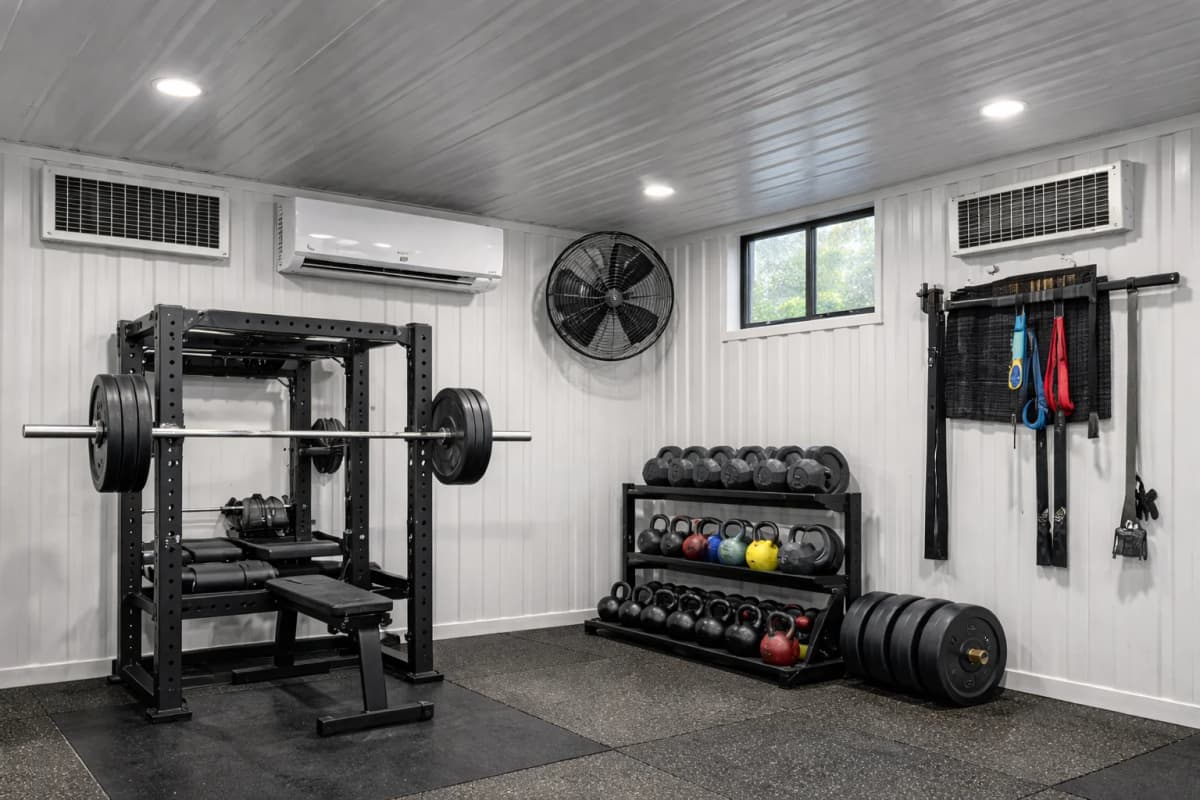
Gym equipment can be heavy. While Conexwest containers are built for industry-leading durability, additional reinforcement may be required for power racks, loaded barbells, and mounted equipment.
Most container gyms include:
- Reinforced flooring with rubber gym mats
- Wall reinforcements for mirrors, racks, and storage systems
Step 5: Install Electrical and Lighting
A functional gym needs reliable power and proper visibility. As a provider of turnkey container solutions, Conexwest can help plan for:
- Overhead LED lighting
- Wall outlets for treadmills, bikes, and accessories
- Restroom modifications, for customers planning extended use of their gym space
Step 6: Customize the Layout With Conexbuilder
You don't have to guess how your gym will come together. Conexbuilder, available on our website, allows you to visualize and design your container gym before you buy.
With Conexbuilder, you can:
- Plan placement of power racks and cardio machines
- Design storage for plates, kettlebells, and accessories
- Explore real-world builds in our Project Gallery for inspiration
Step 7: DIY or Turnkey Build?
Home gym builds typically fall into one of two paths:
- DIY approach: Purchase a new "One Trip" or used container and complete modifications independently.
- Turnkey solution: Conexwest specializes in container modifications and can handle structural changes, insulation, windows, doors, and electrical planning — delivering a unit ready for gym equipment.
Common Mistakes to Avoid When Building a Shipping Container Home Gym
1. Ignoring Local Regulations
Failing to check local zoning laws and building codes can lead to legal issues or the need for costly modifications later on.
2. Overcrowding the Space
Trying to fit too much equipment into a small container will lead to a cramped and unsafe environment.
3. Neglecting Proper Ventilation
Insufficient airflow can lead to a stuffy and uncomfortable atmosphere, which may discourage workouts and create moisture issues.
4. Poor Lighting Choices
Inadequate or harsh lighting will create an uninviting atmosphere that affects motivation and safety during workouts.
5. Using Inappropriate Flooring
Choosing the wrong type of flooring can lead to safety hazards, such as slips or damage to equipment, and will affect comfort during workouts.
6. Not Securing the Container
Forgetting to properly anchor the container can lead to stability issues, especially in adverse weather conditions.
Why Shipping Container Gyms From Conexwest Make Sense
Conexwest shipping container gyms are a smart choice due to their speed, cost, and quality. With fast lead times and award-winning service, you can get started quickly. Used containers start under $2,000, often far less than traditional construction, making them a cost-effective solution. Most importantly, they are built to last.
Ready to Start Building Your Container Gym?
You can purchase your container directly online.Browse our inventory, customize your container, and use Conexbuilder to visualize your gym before you buy. If you're not ready to purchase, our team is available to help you explore rental options or answer questions about delivery and modifications.
Explore our case study to see how Conexwest has built a gym for our client:
https://www.conexwest.com/blog/luxfit-open-air-container-gym-san-franciscos-hayes-valley
Frequently Asked Questions (FAQs)
What size container is best for a home gym?
The size of the container depends on your space requirements and the type of equipment you plan to include. A standard 20-foot container is sufficient for most home gyms. However, if you need more space, a 40-foot container may be a better option.
Do I need a permit to set up a shipping container gym?
Permit requirements vary depending on your location. It's important to check with your local zoning laws and building codes to determine if you need a permit for your shipping container gym. In some cases, you may need a permit for the foundation, electrical systems, or modifications to the container.
Read more about permits and legality of shipping container structures here
What equipment can I fit in a shipping container gym?
You can fit a variety of gym equipment in a shipping container, including free weights, benches, and cardio machines. The layout can be customized to accommodate your fitness needs.
Is a shipping container gym secure?
Yes, shipping containers are built from strong, durable materials, which makes them safe for storing gym equipment. You can also add locks or security systems for added peace of mind.
What services does Conexwest provide beyond selling containers?
In addition to selling and renting containers, we have a full suite of services to support our customers. This includes structural engineering, container repairs, hauling and transportation, and depot storage. We're a one-stop shop for all your container needs.