
Guide to Building a Shipping Container Swimming Pool
What Size Shipping Container Is Best for a Pool?
Most people do not look at a shipping container and immediately picture a swimming pool. Still, the long rectangular shape, steel construction, and compact footprint make containers an interesting starting point for backyard pools, plunge pools, lap pools, vacation rentals, resorts, and outdoor entertainment spaces.
A shipping container pool can be installed above ground, partially buried, or integrated into an in-ground design. It can also be customized with decking, lighting, heating, built-in seating, glass panels, spa features, and exterior finishes.
But there is one important catch: a shipping container is not a finished pool. It was designed to carry cargo, not to hold thousands of gallons of water indefinitely. A successful conversion requires structural engineering, reinforcement, waterproofing, plumbing, filtration, electrical work, a suitable foundation, and local approval.
This guide explains how shipping container swimming pools are built, what affects their cost, which container sizes work best, and where custom container fabrication fits into the process.
Key Takeaways
- A shipping container pool can be built above ground, partially buried, or in ground, but each installation requires different foundation, drainage, and engineering plans.
- Most projects begin with a 20ft or 40ft container, while high cube units provide additional height for design and finishing.
- The container walls may require reinforcement because cargo containers are not originally engineered to resist continuous outward water pressure.
- Permits, barriers, electrical work, drains, filtration, and safety requirements vary by location and should be reviewed before fabrication begins.
- Conexwest can supply and modify the container, while pool systems, foundations, utilities, installation, and permits should be handled by qualified local professionals.
Why Build a Shipping Container Pool?
Shipping container pools stand out because they do not look like ordinary backyard pools. Their straight lines work well with modern homes, narrow lots, patios, rooftop concepts, and commercial outdoor spaces.
The existing steel shell also gives designers a predictable starting point. Instead of forming the entire pool structure from scratch, the project begins with a container that can be cut, reinforced, lined, painted, and integrated into the surrounding landscape.
This does not mean a container pool is automatically cheaper than a traditional pool. Engineering, fabrication, excavation, waterproofing, glass walls, decking, heating, and premium finishes can quickly increase the total budget. The real advantages are design flexibility, a compact footprint, and the ability to perform much of the container fabrication before final installation.
Container pools are especially appealing for:
- Compact residential backyards
- Lap pools and plunge pools
- Vacation rentals and hospitality properties
- Resorts, gyms, and wellness spaces
- Pool bars and outdoor entertainment areas
- Contemporary homes and narrow urban lots
Is a Shipping Container Strong Enough to Hold Water?
A shipping container is strong, but its strength is designed around cargo loads, corner posts, stacking, and transportation. Filling the shell with water creates a different kind of force. The water pushes outward against the long sidewalls continuously, which may cause them to bow if the structure is not properly reinforced.
Large openings can add another complication. A glass viewing wall, entry section, equipment opening, or removed side panel changes how the steel shell carries loads. Those modifications should be reviewed before cutting begins.
A structural engineer can determine what reinforcement is needed based on the container condition, pool depth, water volume, openings, installation type, foundation, and surrounding soil. That review is particularly important for partially buried and fully in-ground designs because the structure may face both water pressure from inside and soil or groundwater pressure from outside.
Most container pool projects begin with a 20ft or 40ft shipping container. The right choice depends on the available space, intended use, delivery access, and total project budget.
| Container Size | Best For | Planning Considerations |
|---|---|---|
| 20ft container | Plunge pools, compact yards, smaller rentals, spa-style installations | Easier to place on smaller properties but offers limited swimming length. |
| 40ft container | Lap pools, larger homes, resorts, gyms, commercial properties | Provides more swimming space but requires greater delivery clearance and a larger foundation. |
| High cube container | Projects needing more vertical design flexibility | The additional exterior height can help accommodate the pool depth, structural work, insulation, or finishes. |
| Multiple containers | Large pools, pool-and-spa combinations, hospitality projects | Requires more complex engineering, joining, waterproofing, and site preparation. |
A 20ft container is not automatically the ideal size for every pool. It works well for compact projects, while a 40ft container is usually more practical when the goal is lap swimming or a larger recreational pool.
Explore current shipping containers for sale, including 20ft shipping containers and 40ft shipping containers.
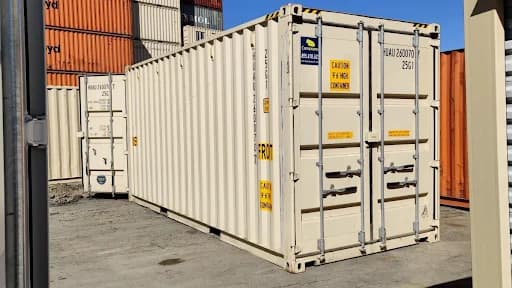
A 20ft container can work well for a compact plunge pool, while larger projects may benefit from a 40ft unit or a custom multi-container layout.
Above Ground, Partially Buried, or In Ground?
How the pool sits on the property affects almost every other decision, including the foundation, drainage, structural design, access, decking, and installation cost.
Above-Ground Container Pool
An above-ground shipping container pool keeps most or all of the steel shell visible. This approach usually requires less excavation and makes plumbing, coatings, and equipment easier to access for inspection and maintenance.
The elevated design may require stairs, a platform, a deck, guardrails, or other access features. The foundation still needs to be engineered for the filled weight of the pool and the site conditions.
Partially Buried Container Pool
A partially buried pool can create easier access while preserving some of the container's industrial appearance. It may also blend more naturally into a deck or sloped property.
Drainage and exterior protection become more important when steel is placed below grade. The design should prevent water from collecting around the container and account for soil pressure against the walls.
Fully In-Ground Container Pool
A fully in-ground installation can resemble a conventional pool once the surrounding deck and landscaping are finished. It also involves the most excavation and typically requires more extensive planning for soil loads, groundwater, retaining conditions, drainage, corrosion protection, and equipment access.
Burying a shipping container without a project-specific structural and drainage plan can damage the walls. The container should not simply be placed in an excavated hole and backfilled.
How to Build a Shipping Container Swimming Pool
1. Confirm Zoning, Permits, and Pool Safety Rules
Before purchasing the container, ask the local building or planning department how the project will be classified. Requirements may address setbacks, fencing, pool barriers, gates, safety covers, electrical work, drainage, plumbing, alarms, and inspections.
Pool safety should be built into the design from the beginning. The U.S. Consumer Product Safety Commission recommends barriers and other layers of protection to help prevent unintended pool access. Review the CPSC pool barrier guidelines and the Pool & Hot Tub Alliance safety resources, then confirm the rules that apply locally.
2. Hire the Right Design and Engineering Team
A structural engineer should review the container, water load, wall reinforcement, openings, foundation, and installation type. A qualified pool contractor can plan the circulation, filtration, drains, sanitation, heating, and equipment layout.
Depending on the project, the team may also include an architect, electrician, plumber, geotechnical professional, waterproofing specialist, or landscape contractor.
3. Select the Container
Container condition matters. Heavy rust, damaged sidewalls, twisted framing, or previous repairs may complicate fabrication and waterproofing.
Many pool projects begin with a new or one-trip container because it generally provides a cleaner shell with less wear and fewer unknown repairs. A carefully inspected used container may also work when the engineer and fabrication team approve its condition.
Learn more about one-trip shipping containers before comparing available units.
4. Design the Reinforcement and Openings
Reinforcement should be planned before windows, access points, equipment openings, or entire sidewalls are cut. Glass viewing panels can create a striking finished pool, but they require precise framing, sealing, and structural support.
This is also the time to finalize stairs, benches, spa areas, equipment compartments, decking connections, and exterior cladding.
5. Prepare the Foundation and Drainage
The foundation must support the filled pool without uneven settlement. The right design depends on soil, slope, groundwater, freeze conditions, pool size, and whether the container will remain above grade.
A concrete slab may work for some above-ground installations, but it should not be treated as a universal answer. The foundation should be designed for the actual site and load. Drainage should direct water away from the container, equipment, and surrounding deck.
6. Waterproof and Finish the Interior
The cargo shell alone should not be assumed to function as a permanent pool liner. Container pools commonly use a purpose-built coating, membrane, fiberglass system, or vinyl liner to create a finished watertight interior.
The selected system must be compatible with the steel, pool chemicals, water temperature, joints, penetrations, and intended maintenance plan. Poor surface preparation or incompatible coatings can lead to blistering, corrosion, or leaks.
7. Install Plumbing, Filtration, and Electrical Systems
A pool requires circulation, filtration, sanitation, drains, returns, and safe equipment placement. Heating, lighting, automation, swim jets, and spa features add further utility requirements.
Electrical and plumbing work should be completed by qualified professionals familiar with pools. Pumps, bonding, grounding, lighting, outlets, and utility connections may be subject to specialized code requirements.
8. Complete the Deck, Access, and Safety Features
The final stage may include a deck, stairs, ladders, guardrails, fencing, gates, landscaping, exterior finishes, lighting, and a safety cover.
These are not merely decorative details. They affect how safely people enter, exit, supervise, and maintain the pool.
Popular Shipping Container Pool Features
Container pools can stay simple, but custom features are often what make the finished project memorable. Popular options include:
- Glass viewing panels
- Built-in benches and entry steps
- Heating and temperature controls
- Swim jets for compact lap-pool use
- Integrated spa sections
- LED pool and deck lighting
- Automatic or manual safety covers
- Wood, stone, or composite decking
- Custom exterior paint or cladding
- Waterfalls and other water features
- Poolside bars and entertainment areas
It is less expensive and less disruptive to plan major openings, reinforcements, and utility penetrations before fabrication than to add them after the pool shell is finished.
How Much Does a Shipping Container Pool Cost?
There is no dependable universal price for a shipping container pool. The container itself may represent only a small portion of the finished project.
Total cost can be affected by:
- Container size and condition
- Structural engineering and reinforcement
- Glass panels or large openings
- Interior lining and waterproofing
- Foundation and excavation
- Drainage and retaining work
- Plumbing, filtration, and sanitation
- Electrical work and lighting
- Heating, automation, or swim jets
- Decking, stairs, barriers, and landscaping
- Delivery, crane service, and site access
- Permits, inspections, and professional fees
A simple above-ground plunge pool and a fully buried 40ft pool with glass walls, premium decking, heating, and landscaping are completely different projects. Comparing only the base container price will not produce a realistic budget.
For a broader comparison, read the Conexwest guide to traditional pools versus shipping container pools and explore 20ft shipping container pool plans and ideas.
Do Shipping Container Pools Rust?
They can. Shipping containers are made from steel, and pool environments combine water, humidity, chemicals, soil contact, and frequent splashing. That makes surface preparation, coatings, drainage, waterproofing, and routine inspection especially important.
Areas around cuts, welds, penetrations, seams, and below-grade surfaces deserve particular attention. Any damaged coating or exposed steel should be addressed before corrosion spreads.
A well-planned maintenance program should include the water chemistry and filtration system as well as the container shell, coatings, deck connections, plumbing penetrations, and drainage around the pool.
Common Shipping Container Pool Mistakes
Assuming the Original Container Is Already a Pool Shell
Cargo containers are durable, but they are not delivered ready to fill with water. Reinforcement, lining, penetrations, and corrosion protection all need to be designed for pool use.
Choosing a Container Before Reviewing the Site
A 40ft pool may sound appealing until the delivery truck cannot reach the backyard. Confirm gate width, turning space, overhead clearance, crane requirements, slope, and foundation access before ordering.
Ignoring Water Around the Outside of the Pool
Waterproofing the interior is only half the job. Rain, irrigation, groundwater, and deck runoff can collect around the exterior and accelerate corrosion or create soil and foundation problems.
Adding Features Too Late
Glass walls, benches, stairs, equipment bays, and deck attachments should be included in the early structural design. Cutting into a finished pool later can undo waterproofing and reinforcement work.
Treating Permits as an Afterthought
The container origin does not exempt the finished pool from local safety or construction rules. Starting fabrication before confirming setbacks, barriers, utilities, and inspections can lead to expensive redesigns.
How Conexwest Can Support a Shipping Container Pool Project
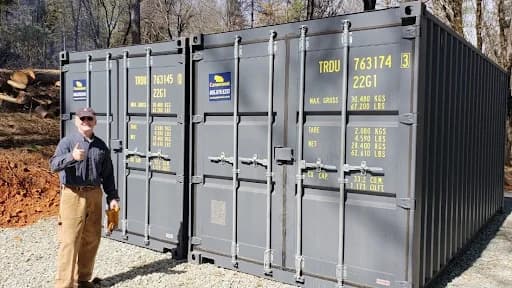
Conexwest can help customers select and purchase a shipping container that provides the starting shell for a custom pool project. Available inventory may include new, used, refurbished, standard, and high cube containers in several sizes.
The Conexwest fabrication team can also support approved container modifications such as custom steel openings, structural alterations, exterior paint, doors, windows, and other project-specific features.
Conexwest is not the pool designer, structural engineer, local permitting authority, or installer. Foundation work, pool engineering, waterproofing, plumbing, filtration, electrical connections, excavation, decking, inspections, and final installation should be coordinated with qualified professionals.
Starting with clear plans helps everyone. Before requesting fabrication, determine the container size, installation type, proposed openings, structural requirements, delivery access, and the responsibilities of each contractor.
Related Shipping Container Pool Guides
- 20ft Shipping Container Pool Plans, Price & Ideas
- Luxury Shipping Container Pool Ideas & Upgrades
- Traditional Pool vs. Shipping Container Pool
- How to Turn a Steel Shipping Container Into a Pool
- One-Trip Shipping Containers: Meaning, Cost, Pros & Cons
- Shipping Container Modifications Guide
- Shipping Container Delivery
- Custom Container Fabrication
Frequently Asked Questions
Can you really turn a shipping container into a swimming pool?
Yes, but the container requires engineering, reinforcement, waterproofing, pool systems, a suitable foundation, and professional installation. A standard cargo container should not simply be filled with water.
Is a 20ft or 40ft container better for a pool?
A 20ft container works well for plunge pools and compact properties. A 40ft container provides more swimming length and is usually better for lap pools or larger recreational designs. Site access and budget may determine which size is practical.
Can you bury a shipping container pool?
A container pool can be partially or fully buried when it is engineered for soil pressure, groundwater, drainage, corrosion protection, and the site conditions. An unreinforced container should not be buried and backfilled like a conventional pool shell.
Do shipping container pools need permits?
Most projects are likely to require some combination of local planning, building, pool, electrical, plumbing, barrier, or safety approvals. Requirements vary, so confirm them with the local authority before ordering or modifying the container.
Are shipping container pools cheaper than traditional pools?
Sometimes, but not always. A basic above-ground design may reduce excavation or forming work, while extensive reinforcement, glass panels, custom interiors, heating, decking, and in-ground installation can make the project comparable to or more expensive than other pool types.
How do you stop a shipping container pool from rusting?
Proper surface preparation, compatible coatings, waterproof lining, sealed penetrations, exterior corrosion protection, good drainage, and regular inspection all help manage rust. Below-grade installations require additional exterior protection.
Can Conexwest build the entire finished pool?
Conexwest can supply the shipping container and support approved custom fabrication. Pool engineering, foundations, waterproofing, plumbing, electrical work, equipment, permits, decking, and installation should be handled by qualified professionals working on the project.