
Container homes may be legal in Charlotte if they meet zoning rules, building permit requirements, North Carolina building codes, inspections, and any applicable HOA or neighborhood restrictions. Always confirm the property-specific requirements before buying land or containers.
Container Homes Charlotte: Laws, Costs & Ideas | Conexwest
Container Homes Charlotte: Laws, Costs & Build Ideas
Container homes are drawing interest in Charlotte as homeowners, builders, and investors look for flexible housing ideas, backyard units, compact homes, and modern alternative construction methods. A shipping container can provide a strong steel starting point, but a container home still needs zoning approval, permits, engineering, insulation, utilities, inspections, and code-compliant construction.
In Charlotte and Mecklenburg County, container home projects must be planned like real residential construction. That means verifying zoning, confirming the review path, preparing drawings, meeting North Carolina building code requirements, and using qualified professionals for structural, electrical, plumbing, mechanical, and site work where required.
This guide explains Charlotte container home rules, permit considerations, climate-specific design needs, cost factors, layout ideas, and how Conexwest can help supply and modify containers for residential and custom projects.
Key Takeaways
- Container homes may be possible in Charlotte, but approval depends on zoning, building permits, plan review, inspections, HOA rules, and site-specific requirements.
- Charlotte projects may require a City zoning use permit, Mecklenburg County building permits, trade permits, and inspections before occupancy.
- Charlotte’s hot, humid climate makes insulation, air sealing, ventilation, moisture control, and properly sized HVAC especially important.
- Total costs vary based on container size, condition, delivery, site preparation, foundation, structural modifications, utilities, insulation, finishes, labor, and permits.
- Conexwest supplies shipping containers and fabrication options for residential, commercial, storage, mobile office, and custom container projects.
Why Container Homes Are Getting Attention in Charlotte
Charlotte’s growth has increased interest in flexible housing and creative use of land. Container homes can appeal to customers looking for compact layouts, accessory structures, backyard studios, rental units where allowed, or modern homes with a smaller footprint.
A container home can be designed for urban, suburban, or rural settings, but it is not automatically cheaper or easier than traditional construction. The container is only the shell. The finished home still needs a foundation, structural modifications, insulation, windows, doors, utilities, HVAC, interior finishes, exterior finishes, inspections, and local approval.
Charlotte’s climate also affects the build. Hot summers and humidity make cooling, dehumidification, vapor control, and condensation prevention essential. Without the right insulation and ventilation strategy, a steel container can trap heat and moisture.
Conexwest offers new, used, and refurbished containers in multiple sizes, including 10ft, 20ft, 40ft, and 45ft options. Customers can choose standard storage containers, high cube containers, refrigerated containers, insulated containers, mobile office containers, and modified containers depending on the project. |
Charlotte Container Home Regulations & Permits
Zoning Approval
Zoning is the first step for any Charlotte container home project. Before buying land or ordering containers, confirm that the property allows the proposed residential use, structure type, size, setbacks, height, lot coverage, parking, utilities, and exterior design.
Charlotte may require zoning review or a zoning use permit in addition to Mecklenburg County building permits. Neighborhood rules can also matter. HOA, subdivision, or deed restrictions may regulate exterior materials, accessory structures, building style, or rental use even when the city or county would otherwise allow the project.
Building Permits
Residential container homes generally require permits for new construction, structural work, utilities, and occupancy. Mecklenburg County handles building code enforcement and uses online tools for permitting, plan review, and inspections.
Depending on the project, you may need building, electrical, plumbing, mechanical, grading, driveway, stormwater, or other approvals. Projects that involve cutting openings for windows and doors, joining containers, stacking containers, or removing wall sections should include structural details showing how the container will be reinforced.
Plan Review & Inspections
Plan review may include structural drawings, foundation plans, energy-code documentation, mechanical layouts, electrical plans, plumbing plans, site plans, and exterior elevations. Inspections usually happen at key stages such as foundation, rough-in, framing or structural work, insulation, trade work, and final completion.
Container homes should be reviewed by local officials before fabrication begins. Pre-cutting a container without approved plans can create expensive problems if the design later needs to change for code, zoning, or structural reasons.
Contractor & Trade Requirements
Electrical, plumbing, mechanical, HVAC, and structural work may require licensed professionals depending on the scope and applicable North Carolina rules. Using qualified professionals helps reduce failed inspections, safety issues, and costly rework.

Container home projects should be reviewed for zoning, permits, structural safety, trade work, and inspections before construction begins.
Climate-Specific Requirements for Charlotte
Charlotte’s hot summers, humidity, rain, and mild winters create specific design needs for container homes. Steel containers can conduct heat quickly and can develop condensation if moisture is not controlled.
Insulation & Air Sealing
Insulation is one of the most important parts of a Charlotte container home. A bare steel container can become uncomfortable in summer and winter, so the design should include insulation, air sealing, and thermal bridge control.
Spray foam insulation is commonly used because it can provide insulation and air sealing in a thin assembly. Rigid foam, mineral wool, and hybrid systems may also work depending on the wall design, budget, and code requirements.
Moisture & Humidity Control
Moisture control matters in Charlotte’s humid climate. A container home should be planned with ventilation, vapor control, exterior water management, dehumidification, and properly sealed openings around windows, doors, penetrations, and roof transitions.
For more background, read our guide to condensation and moisture control in shipping containers.
HVAC Sizing
Charlotte container homes need HVAC systems sized for the actual design, insulation level, window area, orientation, and occupancy. Oversized systems can cool too quickly without removing enough humidity, while undersized systems may struggle during peak summer heat.
Mini-split systems are often considered for container spaces because they can provide efficient cooling and heating in compact layouts. Any HVAC design should be reviewed by a qualified professional.
Container Home Costs in Charlotte
Container home costs in Charlotte vary widely. A simple unfinished container shell is very different from a permitted, insulated, code-compliant residence with a foundation, utilities, HVAC, bathrooms, kitchen, finishes, and inspections.
Instead of budgeting only for the container, plan for the full construction scope:
- Container purchase and delivery
- Site preparation, grading, and driveway access
- Foundation, piers, slab, crawlspace, or engineered support
- Structural modifications and reinforcement
- Windows, doors, exterior cladding, roofing, and waterproofing
- Insulation, air sealing, vapor control, and ventilation
- Electrical, plumbing, HVAC, and water heating
- Kitchen, bathroom, flooring, drywall, trim, fixtures, and appliances
- Permits, engineering, plan review, inspections, and contractor labor
For current container availability, compare 20ft shipping containers, 40ft shipping containers, and 40ft high cube containers.
*Costs vary by site, container condition, design, delivery distance, permits, engineering, utilities, labor, and customization level. For current container pricing and project-specific guidance, review Conexwest inventory or request assistance from our team.
Build Ideas & Design Features for Charlotte
Popular Container Home Layouts
A single 40ft high cube container can work for a compact studio, backyard office, guest suite, or small accessory structure where allowed. Two containers can create a wider one-bedroom layout with more natural light and a more comfortable living area.
Multi-container designs can support larger homes, courtyard layouts, or separate zones for bedrooms, living space, storage, and mechanical systems. Stacked layouts may be possible, but they require careful engineering, foundation design, stairs, egress, and local approval.
Modern Finishes & Exterior Appearance
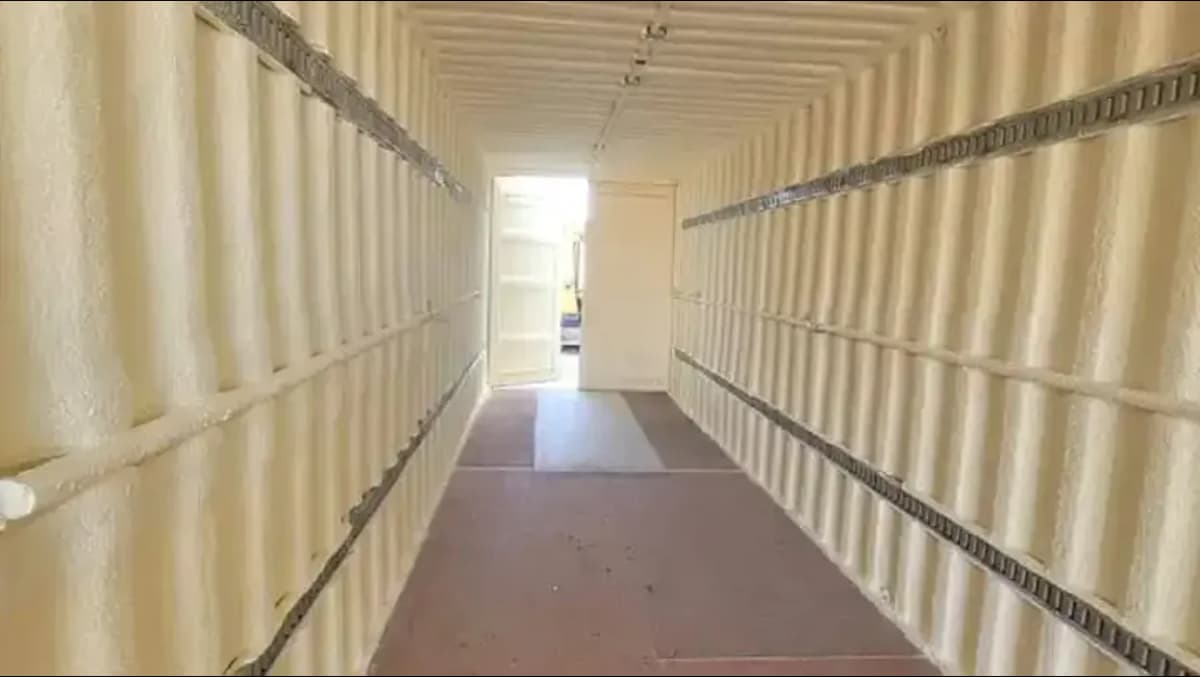
Insulation and interior framing can turn a bare container shell into a more comfortable space ready for wall panels, electrical routing, finishes, and climate control.
Many container homes use exterior cladding to soften the industrial look and better match surrounding neighborhoods. Options may include wood siding, fiber cement, metal panels, stucco-style finishes, or a protective roof system.
Inside, drywall or wall panels, durable flooring, recessed lighting, compact kitchens, and built-in storage can make a small footprint feel more finished and functional.
Energy-Efficient Features
Energy-efficient container home features may include LED lighting, high-performance windows, exterior shading, ENERGY STAR-rated appliances, smart thermostats, air sealing, and efficient HVAC systems.
Some projects also explore solar panels for shipping container homes, battery systems, and backup power where allowed and practical.
Indoor-Outdoor Living
Charlotte’s mild seasons make outdoor living an important design opportunity. Covered porches, shaded patios, screened rooms, decks, and sliding doors can make a compact container home feel larger and more connected to the site.
Flat container roofs are sometimes used for rooftop decks, but this requires structural review, waterproofing, guardrails, drainage, stairs, and code approval. Learn more about shipping container rooftop deck features.
Building a Charlotte Container Home with Conexwest
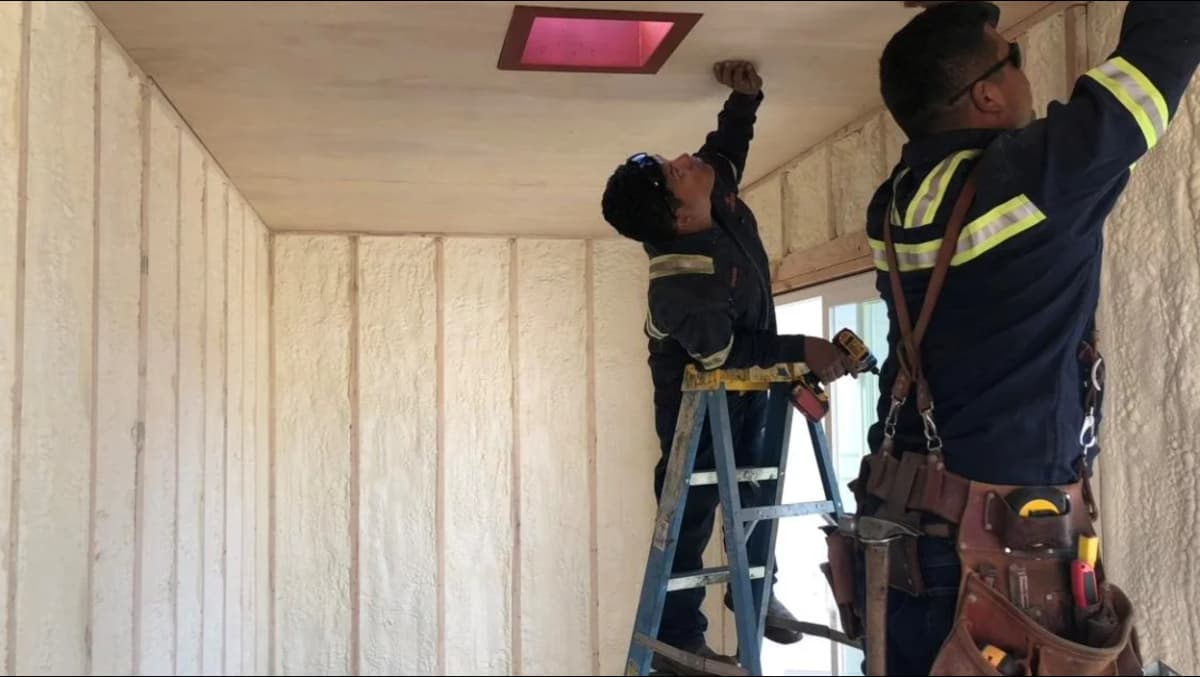
Conexwest supplies shipping containers and modification options that can support Charlotte container home projects, accessory structures, backyard studios, storage, mobile offices, and custom builds.
Our inventory includes 10ft, 20ft, 40ft, and 45ft containers in new, used, and refurbished conditions. Customers can choose standard containers, high cube containers, insulated containers, refrigerated containers, mobile office containers, and modified units depending on the project.
For residential projects, container selection should be coordinated with your architect, engineer, contractor, and local officials before fabrication begins. The right starting container can make future cutting, welding, insulation, and finishing easier.
Conexwest offers container fabrication options, including doors, windows, vents, insulation, electrical packages, partitions, shelving, HVAC, roll-up doors, lockboxes, and custom paint. These modifications should be matched to the final approved design.
Before ordering, you can explore layout possibilities using the Conexbuilder platform to test container sizes, door locations, window placement, and multi-container configurations.
Conexwest also provides shipping container delivery. Before delivery, confirm site access, driveway width, overhead clearance, turning radius, ground conditions, foundation readiness, and equipment needs.
Was this helpful?
Frequently Asked Questions
Yes, most residential container home projects require permits. Depending on the scope, you may need zoning approval, building permits, electrical permits, plumbing permits, mechanical permits, inspections, and plan review.
Costs vary widely based on container size, condition, delivery, foundation, site work, structural modifications, insulation, utilities, interior finishes, labor, permits, and engineering. The container itself is only one part of the total project cost.
Charlotte container homes need insulation, air sealing, ventilation, and humidity control. Spray foam is commonly used, but the best insulation system depends on the design, code requirements, budget, and whether insulation is placed inside, outside, or both.
A single 40ft container can work for a compact studio, guest suite, office, cabin, or small living space where allowed. Full-time residential use requires permits, utilities, insulation, egress, HVAC, plumbing, and code-compliant construction.
Yes. Conexwest supplies shipping containers and offers fabrication options such as doors, windows, vents, insulation, electrical packages, shelving, lockboxes, HVAC, and custom modifications. Customers should still work with local officials and qualified professionals for final residential approval.