
Yes, depending on the container size and layout. A 20ft or 40ft container may provide room for a small seating area, but many café containers are designed for walk-up service with outdoor seating, fold-out counters, or rooftop patios.
Cafe Shipping Container: Features, Dimensions, Add-Ons, and Costs
Cafe Shipping Container Features, Dimensions and Costs
A cafe shipping container gives coffee shops, food service businesses, pop-up retailers, and event operators a flexible way to create a customer-facing space without starting from traditional construction. With the right container size and modifications, a standard steel container can become a compact espresso bar, walk-up café, juice stand, concession booth, market kiosk, or food-and-beverage service unit. This guide explains cafe shipping container features, common dimensions, layout options, add-ons, cost factors, and customization ideas to help you plan a business-ready container café.
Key Takeaways
- Cafe shipping containers can be used for coffee shops, pop-up cafés, juice bars, concession booths, food service units, and event retail.
- Common sizes include 10ft, 20ft, and 40ft containers, with 20ft containers often working well for compact café builds and 40ft units offering more room for prep, storage, or seating.
- Popular modifications include service windows, awnings, folding counters, plumbing, electrical packages, insulation, HVAC, lighting, flooring, glass doors, rooftop decks, and custom branding.
- Base container pricing depends on size, condition, location, and availability. Final café container costs depend heavily on fabrication, utilities, finishes, equipment, and delivery.
- Conexwest offers shipping containers for sale and rent, plus in-house container fabrication and customization options for café, retail, food service, and pop-up business needs.
What Is a Cafe Shipping Container?
A cafe shipping container is a modified shipping container designed to function as a small café, coffee shop, beverage stand, or food service space. Instead of using a traditional storefront or kiosk, businesses can start with a durable steel container and add the features needed for customer service, staff workflow, utilities, storage, and branding.
Container cafés are popular because they can be compact, eye-catching, and highly customizable. They can work for beachside espresso bars, urban pop-ups, seasonal farmers markets, event venues, campuses, food truck parks, outdoor hospitality areas, and retail activations. Depending on the design, a container café can be temporary, semi-permanent, or permanent when local zoning, permits, utilities, and health department requirements allow it.
For a broader look at customer-facing retail builds, see Conexwest’s shipping container storefront examples. For general modification ideas, explore shipping container modifications and container customization options.
Cafe Shipping Container Features
Every cafe container is different, but most successful builds combine three things: a strong customer-facing exterior, an efficient interior workflow, and utility planning that supports daily service. The right features depend on the menu, site, staff count, customer flow, and whether the unit will be moved between locations.
| Feature | Why It Matters | Best For |
|---|---|---|
| Serving windows or awnings | Create customer-facing order and pickup points while adding shade and weather protection. | Coffee stands, juice bars, concession booths, event cafés |
| Electrical package | Supports lighting, POS systems, espresso equipment, small appliances, refrigeration, and outlets. | Most café and food service builds |
| Plumbing and sinks | Supports handwashing, prep, cleaning, and beverage service needs. | Cafés, coffee shops, food service units |
| Insulation and wall panels | Helps create a more finished, comfortable, and easier-to-clean interior. | Year-round café use, customer-facing builds, food service spaces |
| HVAC and ventilation | Helps manage heat, airflow, staff comfort, and interior temperature. | Warm climates, enclosed cafés, equipment-heavy layouts |
| Flooring | Improves durability, safety, and cleanability inside the workspace. | Food service, beverage stations, high-traffic customer spaces |
| Custom branding | Turns the container into a visible marketing asset for your business. | Pop-ups, branded cafés, events, retail activations |
Common customization options include electrical packages, shipping container insulation, container ventilation, laminate flooring, doors, windows, shelving, counters, and custom paint.
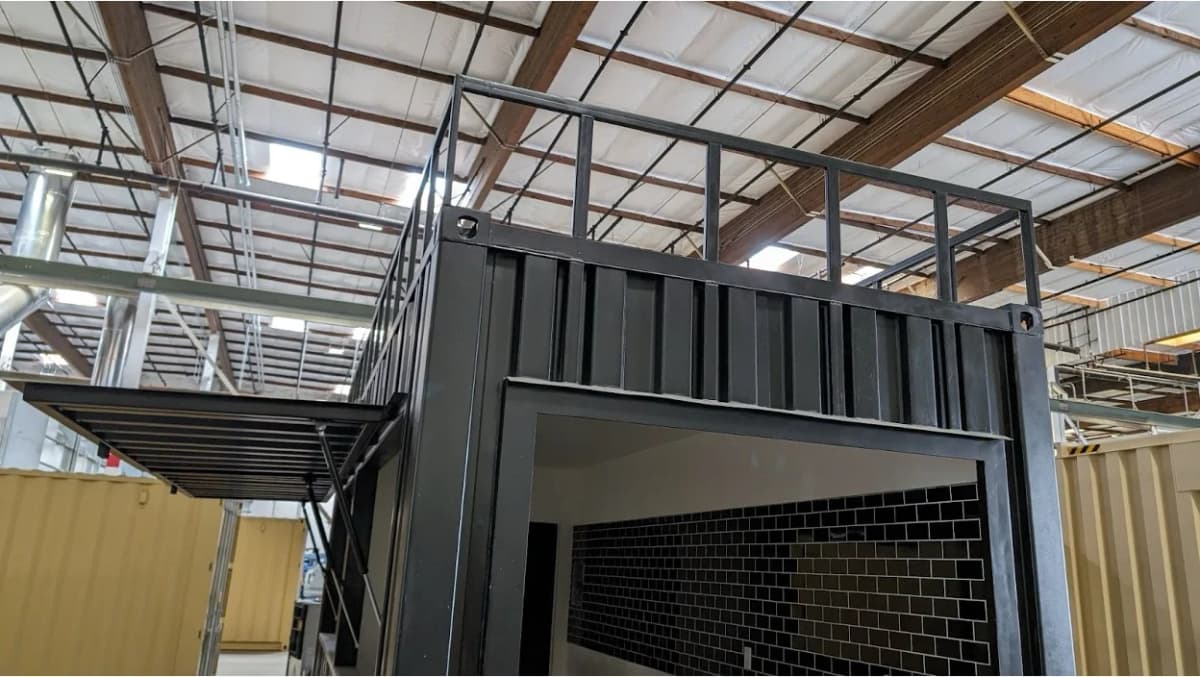
Rooftop decks and raised service windows can add seating, visibility, and customer interaction space to a container café.
Cafe Shipping Container Dimensions
Cafe containers come in several standard sizes. A 10ft container can work for compact takeaway service, a 20ft container is often enough for a small café or beverage unit, and a 40ft high cube container can provide more room for prep, storage, equipment, or customer seating.
| Size | Exterior Dimensions | Interior Dimensions | Best Used For |
|---|---|---|---|
| 10ft container | Approx. 10' L x 8' W x 8'6" H | Approx. 9'4" L x 7'8" W x 7'10" H | Compact espresso stands, pop-up kiosks, takeaway counters, small service booths |
| 20ft container | Approx. 20' L x 8' W x 8'6" H | Approx. 19'5" L x 7'8" W x 7'10" H | Standard café builds with room for barista stations, prep space, storage, and service windows |
| 40ft high cube container | Approx. 40' L x 8' W x 9'6" H | Approx. 39'6" L x 7'9" W x 8'10" H | Larger cafés, prep kitchens, customer seating, multi-service zones, or expanded storage |
Browse Conexwest’s shipping containers for sale, including 20ft shipping containers and 40ft shipping containers. For temporary or seasonal café projects, review storage container rentals.
10ft vs 20ft vs 40ft Cafe Container: Which Size Do You Need?
The best cafe container size depends on your menu, equipment, staff workflow, storage needs, customer interaction, and site footprint. A smaller unit may be enough for coffee or grab-and-go service. A larger unit may be better if you need prep space, refrigeration, seating, or multiple service windows.
| Container Size | Best Fit | Planning Notes |
|---|---|---|
| 10ft cafe container | Espresso stand, kiosk, small beverage unit, ticket booth, compact pop-up | Best when space is limited and the menu is simple. |
| 20ft cafe container | Coffee shop, juice bar, concession unit, small food service space | Good balance of compact footprint and operational space. |
| 40ft cafe container | Larger café, prep kitchen, seating area, multi-window service, retail-café hybrid | More room for equipment and workflow, but requires more site space and delivery clearance. |
Popular Add-Ons for Cafe Containers
Cafe shipping containers can be customized to fit your menu, brand, site, and operating model. Some businesses need a simple walk-up coffee counter. Others need plumbing, refrigeration, service windows, POS support, awnings, indoor seating, or rooftop seating.
Rooftop Decks or Patios
Rooftop patios can add outdoor seating and create a more memorable customer experience, especially in scenic, urban, or event-based locations. These builds require careful structural planning, safe stair access, guardrails, and local code review.
Folding Bar Counters
Folding counters installed below serving windows give customers a convenient place to order, pick up drinks, or gather briefly. They can fold down when not in use to help secure the unit and reduce the exterior footprint.
Custom Cabinetry and Stainless Steel Prep Areas
Cabinetry, counters, and stainless steel prep areas help support barista stations, under-counter storage, small refrigeration units, and food prep zones. Stainless steel surfaces are commonly used in food service because they are durable and easier to clean.
Glass Doors or Large Windows
Glass doors and windows can make the container feel more open, bring in natural light, and improve customer visibility. Sliding, roll-up, or storefront-style glass can support both retail and café concepts.
Security Features
Security features may include roll-down shutters, reinforced doors, lockboxes, tamper-resistant locks, and secure storage areas for equipment and inventory.
Solar Panel Systems
Solar panels may support certain lighting, POS, or small electrical loads when designed properly. Power requirements for espresso machines, refrigeration, HVAC, and other café equipment should be reviewed carefully before relying on solar or off-grid systems.
ADA-Compliant Access
Depending on the use and location, accessibility planning may include ramps, wider doors, accessible counters, and site layout considerations. Always review local building and accessibility requirements before finalizing the design.
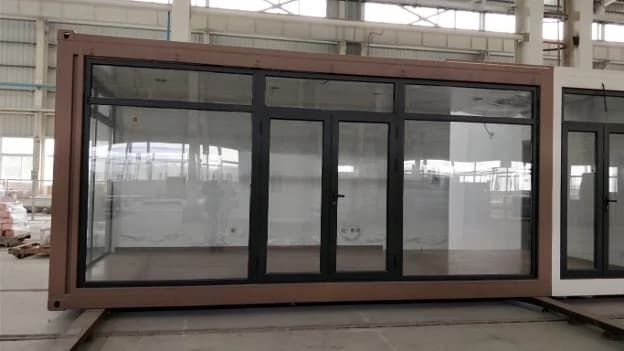
Large windows, glass doors, and finished interiors can help a container café feel more open, professional, and customer-ready.
Cafe Container Cost Estimates
Cafe container costs depend on the base container, size, condition, location, delivery, and modifications. A standard unmodified container will cost far less than a fully finished café with electrical, plumbing, insulation, HVAC, windows, awnings, counters, lighting, flooring, and branding.
Conexwest currently lists 20ft shipping containers from $1,325 and 40ft shipping containers from $1,669, with pricing subject to location, availability, condition, and selected options. Custom café buildouts require a project-specific quote because food service containers can vary widely in scope.
| Cost Category | Typical Cost Impact | What to Consider |
|---|---|---|
| Base container | Lower to moderate | Size, condition, location, and availability affect container price. |
| Delivery and placement | Varies by location | Distance, access, unloading method, and site conditions affect final cost. |
| Windows, doors, and awnings | Moderate to high | Service windows, glass doors, storefront glazing, and awnings require cutting and reinforcement. |
| Electrical package | Moderate to high | Lighting, POS systems, outlets, coffee equipment, refrigeration, and HVAC need proper power planning. |
| Plumbing and sinks | Moderate to high | Food and beverage service may require hand sinks, prep sinks, water tanks, drainage, or site utility connections. |
| Insulation, wall panels, and HVAC | Moderate to high | These upgrades improve comfort, appearance, and usability for staff and customers. |
| Interior finishes and equipment | Varies widely | Counters, cabinetry, flooring, prep surfaces, appliances, refrigeration, shelving, and fixtures affect buildout cost. |
| Branding and exterior finishes | Low to high | Paint, wraps, decals, signage, lighting, and branded finishes turn the container into a retail asset. |
For inspiration on branded customer-facing builds, review Conexwest’s shipping container storefront showcase. For food businesses that need cold storage, see cold storage and freezer containers.
Cafe Container Planning Checklist
Before ordering a container café, define the business model and daily workflow. This helps determine the size, layout, utilities, modifications, and site requirements.
- Will customers enter the container or order from outside?
- How many employees will work inside at once?
- What equipment will be used: espresso machine, grinders, refrigeration, ice machine, blender, POS system?
- Do you need plumbing, sinks, water tanks, drainage, or utility hookups?
- Do you need refrigeration or freezer storage for milk, food, beverages, or ingredients?
- Will the container be temporary, seasonal, mobile, or permanent?
- Does the site have enough room for delivery, placement, doors, awnings, and customer lines?
- Do local health department, zoning, building, fire, or accessibility requirements apply?
- How will the café be branded with paint, signs, lighting, decals, or wraps?
Why Choose Conexwest?
At Conexwest, standard shipping containers can be transformed into customized business spaces for cafés, shops, offices, food service units, retail storefronts, and more. Conexwest offers nationwide inventory, delivery options, and in-house fabrication services to help businesses plan container builds around real operations.
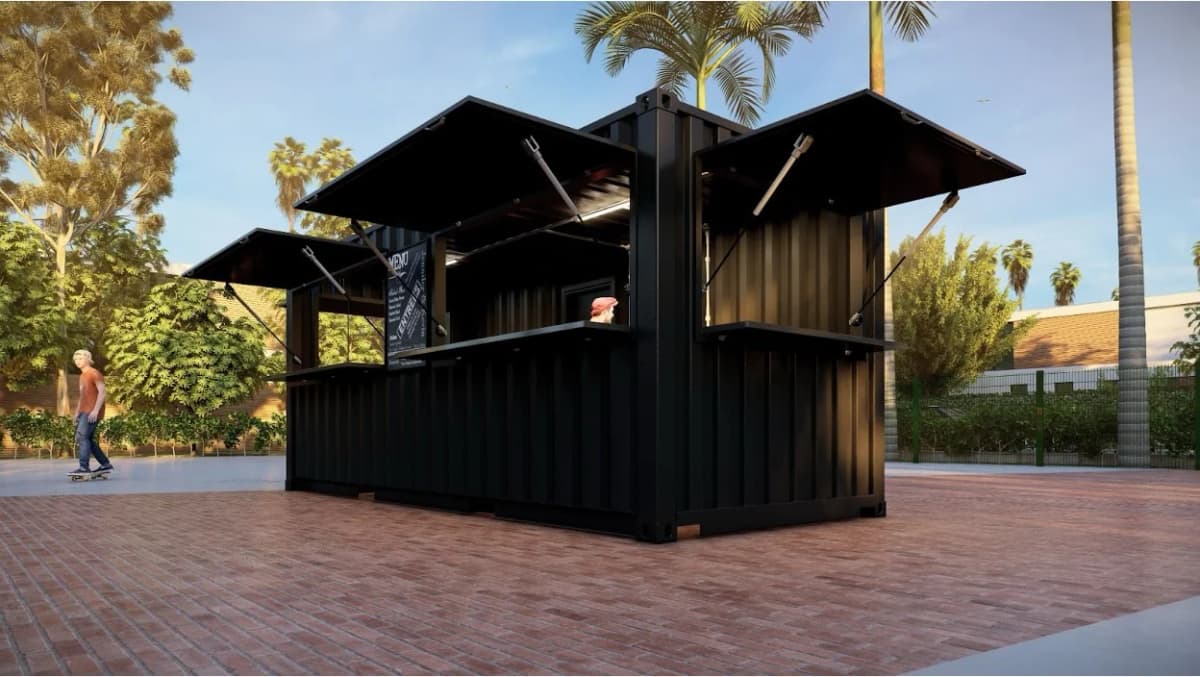
Fold-up service windows and counters can expand the serving area during peak hours while keeping the container footprint compact.
Conexwest can support cafe container projects with:
- New, used, and refurbished containers in popular sizes
- Nationwide inventory and delivery support
- Container fabrication for customer-facing business spaces
- Customizations such as doors, windows, ventilation, insulation, electrical, shelving, flooring, and branding
- Cold storage options for food, beverage, and grocery inventory
- Support for retail, café, pop-up, event, and food service container projects
You can also use ConexBuilder to explore colors, finishes, and modification ideas before finalizing your container café concept.
Was this helpful?
Frequently Asked Questions
Common options include spray foam, rigid board, or batt insulation, plus HVAC units, mini-splits, ventilation, and finished wall panels. The right package depends on climate, use, equipment heat, and whether customers or staff will occupy the space for long periods.
They can be either. Some café containers are used temporarily for events or seasonal locations, while others are installed as permanent or semi-permanent business spaces with utilities. Local zoning, permits, foundation requirements, and health department rules should be reviewed before installation.
Solar may support certain lighting, POS, or low-load systems when designed correctly, but coffee equipment, refrigeration, HVAC, and water systems may require more power. Review your equipment loads with a qualified electrical professional before planning an off-grid café.
Yes. Some businesses start with one container and later add more containers for seating, prep, storage, restrooms, or expanded service. Conexwest’s container modification options can help support phased builds.
The cost depends on the base container, condition, size, delivery, and modifications. A standard container costs much less than a finished café buildout. Electrical, plumbing, insulation, HVAC, windows, awnings, counters, flooring, branding, and equipment can all increase the final project cost.
A 10ft container may work for a small kiosk or espresso stand. A 20ft container is often a practical size for a compact café or beverage unit. A 40ft high cube container may be better for larger cafés, prep areas, storage, or seating.