
Blast freezer containers can maintain temperatures from -40°F to -80°F (-40°C to -62°C), with some specialized units capable of reaching even lower temperatures. The specific range depends on the model and application requirements. For chemical industry applications, temperature stability within ±1°F is typically required and achievable with proper maintenance and monitoring.
Blast Freezer Containers: Essential Cold Storage Solutions for the Chemical Industry
# Blast Freezer Containers: Essential Cold Storage Solutions for the Chemical Industry
In the chemical industry, precise temperature control is critical for maintaining product integrity and safety. Blast freezer containers provide an efficient, flexible solution for ultra-low temperature storage needs, offering rapid freezing capabilities and reliable temperature maintenance. For more information on container modifications and customization options, see our complete guide to shipping container modifications.
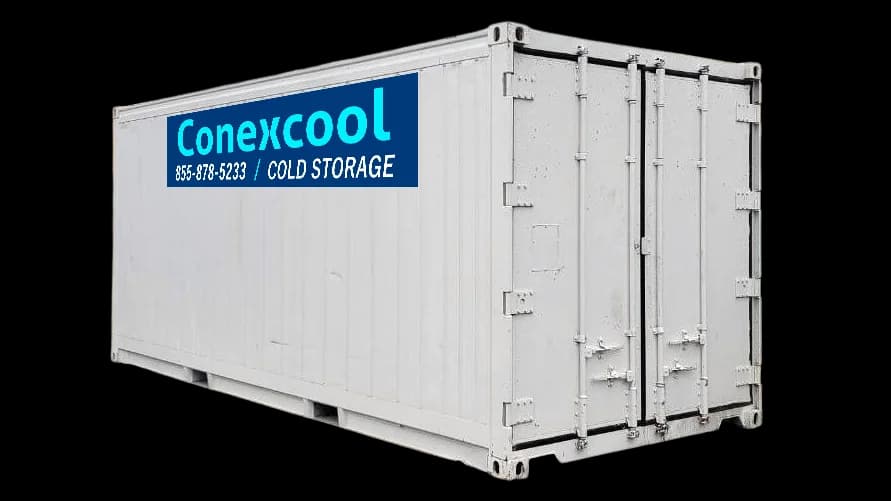
Understanding Blast Freezer Containers
Blast freezer containers are specialized refrigerated containers designed to achieve and maintain ultra-low temperatures, typically ranging from -40°F to -80°F (-40°C to -62°C). These units are essential for chemical manufacturers requiring precise temperature control for sensitive materials, research samples, and temperature-sensitive products. For detailed information about container dimensions and sizing, visit our comprehensive size guide.
Key Features
- Advanced temperature control systems with precise digital monitoring and automated adjustments, featuring dual-redundant control systems that maintain temperature within ±0.5°F even during power fluctuations
- Rapid cooling capabilities with customizable cooling rates to prevent thermal shock, achieving temperature drops of up to 2°F per minute while maintaining uniform temperature distribution throughout the container
- Multi-point temperature monitoring with redundant sensors and remote alert systems, including 12 strategically placed sensors that provide real-time data to both local and cloud-based monitoring platforms
- Energy-efficient operation with variable speed compressors and optimized insulation, reducing power consumption by up to 40% compared to traditional systems while maintaining consistent performance
- Mobile and relocatable design with forklift pockets and corner castings, engineered to withstand multiple relocations without compromising structural integrity or temperature control capabilities
- Compliance with chemical storage regulations including OSHA, EPA, and NFPA standards, with built-in documentation systems that automatically track and report compliance metrics
- Chemical-resistant interior coatings and materials for safe storage, featuring a multi-layer protection system that prevents chemical interaction with container materials while maintaining temperature control
- Emergency power backup systems with automatic failover, including dual-redundant power supplies and a 24-hour battery backup system for critical applications
- Advanced humidity control for moisture-sensitive materials, maintaining relative humidity levels between 0-5% with automatic adjustment based on load requirements
- Data logging and reporting capabilities for compliance documentation, with automated generation of detailed reports including temperature history, maintenance records, and compliance documentation
Industry Applications
- Chemical sample storage with precise temperature control for stability, featuring specialized shelving systems that maintain uniform temperature distribution and prevent cross-contamination between samples
- Research material preservation for long-term stability studies, including integrated inventory management systems that track sample history, storage conditions, and expiration dates
- Temperature-sensitive product storage for active pharmaceutical ingredients, with dedicated zones for different temperature requirements and automated monitoring of critical parameters
- Laboratory material management with inventory tracking systems, featuring barcode and RFID integration for real-time tracking of stored materials and their conditions
- Emergency backup storage for critical chemical inventory, including rapid deployment capabilities and redundant power systems for maximum reliability
- Field research facilities with portable temperature control, designed for deployment in remote locations with minimal infrastructure requirements
- Quality control testing environments for chemical analysis, featuring dedicated zones for different testing requirements and automated data collection systems
- Process development and scale-up operations, with flexible configurations that can be modified as processes evolve
- Regulatory compliance storage for controlled substances, including comprehensive security features and automated compliance reporting
- Cross-docking operations for temperature-sensitive shipments, featuring rapid loading/unloading capabilities and real-time temperature monitoring during transfer operations
Benefits for Chemical Industry Operations
Blast freezer containers offer several advantages for chemical industry operations, particularly in research, development, and manufacturing environments. When compared to traditional construction methods, these solutions provide significant cost savings and flexibility. Learn more about the advantages in our article on shipping containers vs. traditional construction.
Chemical manufacturers can reduce capital expenditure by up to 60% when using blast freezer containers compared to building permanent cold storage facilities, while maintaining the same level of temperature control and safety. Additionally, operational costs are reduced by 40% due to improved energy efficiency and reduced maintenance requirements.
Operational Advantages
- Rapid deployment and setup with minimal site preparation requirements, allowing for operational readiness within 48 hours of delivery, including all necessary utility connections and safety systems
- Flexible location placement with multiple anchoring options, featuring a modular design that can be configured for various site conditions and requirements without compromising performance
- Scalable storage capacity through modular unit combinations, allowing for expansion from 1,000 to 10,000 cubic feet while maintaining consistent temperature control across all units
- Minimal site preparation required with optional foundation systems, including built-in leveling capabilities and temporary foundation options for rapid deployment
- Easy relocation as needs change with transport-ready design, featuring reinforced corner castings and integrated lifting points for safe and efficient movement
- Reduced construction costs compared to permanent facilities, eliminating the need for extensive site work and permanent foundation construction
- Quick installation of utility connections and monitoring systems, with pre-wired control panels and plug-and-play monitoring equipment that can be operational within hours
- Adaptable to changing regulatory requirements, featuring modular safety systems that can be upgraded as standards evolve
- Minimal environmental impact during setup and operation, including energy-efficient systems and environmentally friendly refrigerants
- Cost-effective expansion options for growing operations, allowing for incremental capacity increases without major capital investment
Safety and Compliance
- Built-in temperature monitoring with redundant sensor systems, featuring 16-point temperature monitoring and automated alert systems that notify operators of any deviations
- Emergency backup systems with automatic power failover, including dual-redundant power supplies and a 24-hour battery backup system for critical applications
- Compliance with OSHA, EPA, and NFPA standards for chemical storage, with integrated documentation systems that automatically track and report compliance metrics
- Chemical-resistant materials and coatings throughout, featuring a multi-layer protection system that prevents chemical interaction while maintaining temperature control
- Proper ventilation systems with HEPA filtration, including automatic air exchange systems that maintain safe air quality levels
- Safety alarm integration with remote monitoring capabilities, featuring multiple communication channels for reliable alert delivery
- Spill containment systems and secondary containment options, including integrated catch basins and chemical-resistant flooring
- Fire suppression system compatibility, with pre-installed mounting points and connection points for various suppression systems
- Access control and security monitoring integration, featuring biometric access control and 24/7 video monitoring capabilities
- Comprehensive documentation and compliance reporting tools, including automated generation of detailed reports for regulatory requirements
Technical Specifications and Performance
Understanding the technical capabilities of blast freezer containers is crucial for chemical industry applications. These units are engineered to meet specific performance requirements while maintaining safety standards. For more information about container modifications and technical specifications, refer to our complete guide to container modifications.
| Specification | Standard Range | Chemical Industry Requirements |
|---|---|---|
| Temperature Range | -40°F to -80°F | Customizable to specific needs |
| Cooling Rate | 1°F per minute | Adjustable based on application |
| Temperature Stability | ±2°F | ±1°F for critical applications |
| Storage Capacity | 1,000-2,000 cu ft | Multiple units available |
| Power Requirements | 480V/3-phase | Backup power options |
Implementation and Best Practices
Successful implementation of blast freezer containers requires careful planning and adherence to industry best practices. Here's a comprehensive guide for chemical industry applications. For detailed information about container dimensions and space requirements, consult our container dimensions guide.
Site Preparation
- Level ground with proper drainage and runoff management
- Adequate power supply access with backup power options
- Clearance for maintenance and emergency response access
- Emergency access routes with proper signage and lighting
- Environmental considerations including noise and heat management
- Security requirements with surveillance system integration
- Utility connection points for power, monitoring, and safety systems
- Spill containment and environmental protection measures
- Accessibility for delivery and maintenance vehicles
- Compliance with local zoning and building code requirements
Operational Guidelines
- Regular temperature monitoring with automated logging systems
- Preventive maintenance schedule with detailed checklists
- Emergency response procedures for power loss and temperature excursions
- Staff training requirements for safe operation and maintenance
- Documentation protocols for regulatory compliance
- Quality control measures with automated monitoring
- Inventory management systems with temperature tracking
- Calibration procedures for monitoring equipment
- Safety protocol updates and training schedules
- Performance optimization and energy efficiency monitoring
Cost Considerations and ROI
Understanding the financial aspects of blast freezer container implementation helps chemical industry professionals make informed decisions about their cold storage solutions.
Initial Investment
- Container purchase/lease with customization options
- Site preparation including grading and drainage
- Power infrastructure with backup systems
- Installation costs including crane and equipment rental
- Safety equipment and monitoring systems
- Training expenses for operations staff
- Security systems and access control
- Environmental protection measures
- Compliance documentation and permits
- Initial inventory of spare parts and supplies
Operational Costs
- Energy consumption with efficiency monitoring
- Maintenance services with preventive scheduling
- Monitoring systems with data management
- Insurance coverage for equipment and contents
- Staff training updates and certification
- Compliance maintenance and reporting
- Calibration services for monitoring equipment
- Parts replacement and inventory management
- Emergency response service contracts
- Environmental monitoring and reporting
Maintenance and Support
Regular maintenance and professional support are essential for optimal performance and longevity of blast freezer containers in chemical industry applications.
Preventive Maintenance
- Quarterly system inspections with detailed reporting
- Temperature calibration checks with certified equipment
- Seal and gasket inspection with replacement scheduling
- Filter replacement schedule with performance monitoring
- Electrical system testing with load analysis
- Safety system verification and updates
- Compressor performance evaluation
- Insulation integrity assessment
- Control system software updates
- Backup power system testing
Support Services
- 24/7 technical support with rapid response times
- Emergency response team with on-site capabilities
- Parts availability with priority shipping options
- Service contracts with customizable coverage
- Training programs for operations staff
- Compliance assistance with regulatory updates
- Performance optimization services
- Remote monitoring and diagnostics
- Preventive maintenance scheduling
- Documentation and reporting assistance
Was this helpful?
Frequently Asked Questions
Blast freezer containers can achieve cooling rates of approximately 1°F per minute, though this varies based on the container size, initial temperature, and material properties. For chemical applications, the cooling rate can be customized to prevent thermal shock and maintain product integrity.
Blast freezer containers typically require 480V/3-phase power supply. Backup power options are available for critical applications. The power consumption varies based on the temperature requirements, container size, and ambient conditions. Most units include energy-efficient features to optimize power usage.
Blast freezer containers for chemical applications feature chemical-resistant materials, proper ventilation systems, and safety monitoring equipment. They comply with OSHA standards and include features like temperature alarms, emergency backup systems, and proper sealing to prevent chemical exposure.
Regular maintenance includes quarterly system inspections, temperature calibration checks, seal and gasket inspection, filter replacement, and electrical system testing. Preventive maintenance schedules should be followed to ensure optimal performance and safety compliance.
Yes, blast freezer containers can be customized with specific features such as modified temperature ranges, specialized monitoring systems, additional safety features, and custom shelving or storage configurations to meet specific chemical industry requirements.
With proper maintenance and care, blast freezer containers can last 15-20 years. The lifespan depends on usage intensity, maintenance frequency, and environmental conditions. Regular preventive maintenance and timely repairs can extend the operational life significantly.
Blast freezer containers offer several advantages over traditional facilities: lower initial investment (up to 60% less), faster deployment, flexibility in location, and easier maintenance. They provide comparable temperature control and safety features while offering greater operational flexibility and scalability.