
Shipping container buildings typically cost 20-30% less than traditional construction. For example, a 40ft container office space may cost $25,000-$35,000 fully fitted, while a comparable traditionally-built office space might cost $40,000-$60,000. The savings come primarily from reduced labor costs, faster construction timelines, and the reuse of existing structures. However, complex container modifications can add to the base cost. Visit our office container page for specific pricing options.
Shipping Container vs. Traditional Construction: A Comprehensive Comparison
Shipping Container vs. Traditional Construction: A Comprehensive Comparison
When planning a new building project, the choice between shipping container construction and traditional building methods can significantly impact your timeline, budget, and long-term satisfaction. This guide provides a detailed comparison to help you make an informed decision.
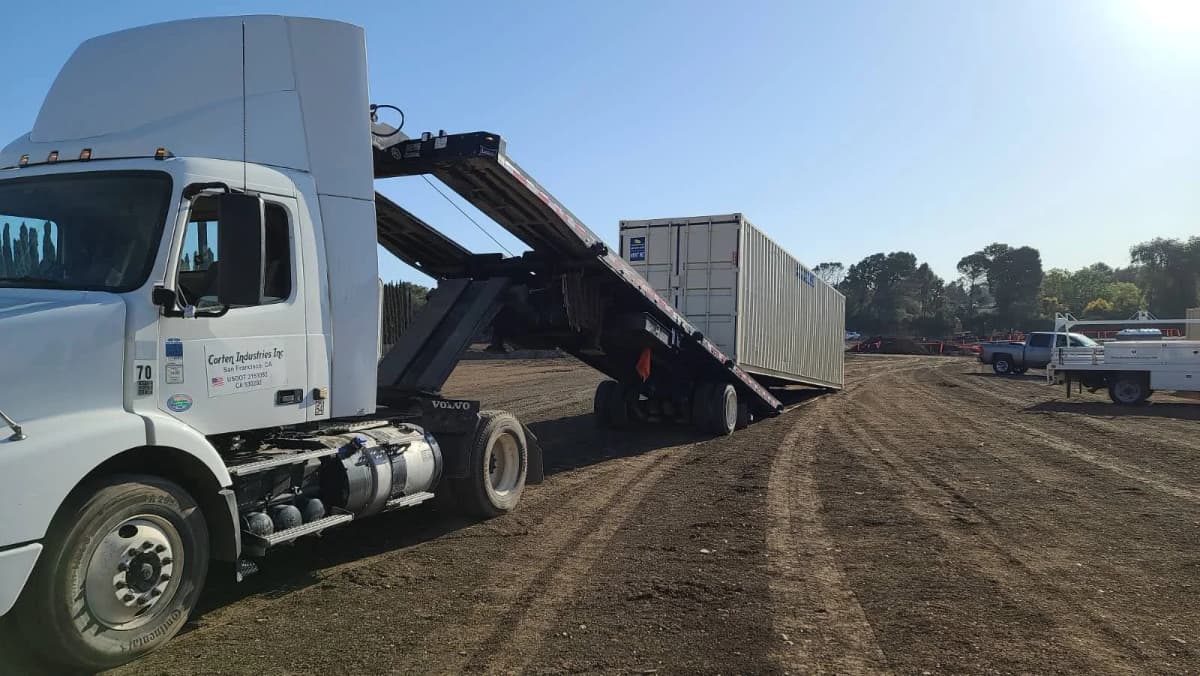
Cost Comparison: Container vs. Traditional Construction
When evaluating costs, it's important to consider both upfront expenses and long-term value. Shipping container structures offer several financial advantages over traditional construction methods.
Container construction typically costs 20-30% less than traditional building methods while reducing construction timelines by up to 50%.
| Cost Factor | Container Construction | Traditional Construction |
|---|---|---|
| Material Costs | Lower (repurposed materials) | Higher (new materials) |
| Labor Costs | 30-40% less | Higher skilled labor requirements |
| Construction Time | Weeks | Months to years |
| Site Preparation | Minimal | Extensive |
| Long-term Maintenance | Moderate | Varies by construction quality |
For budget-conscious projects, container construction provides substantial savings, particularly in reduced labor costs and construction timelines. The prefabricated nature of containers eliminates many of the variables that cause traditional construction budgets to spiral out of control.
Container Construction Cost Savings
- Reduced labor hours and costs
- Minimal foundation requirements
- Predictable material costs
- Shortened construction timeline
- Lower architectural and engineering fees
Traditional Construction Cost Considerations
- Higher material wastage
- Extensive on-site labor
- Price fluctuations during long projects
- Weather delays increasing costs
- Complex permitting and inspections
Sustainability Comparison
Environmental considerations are increasingly important for construction projects. Here's how the two methods compare in sustainability metrics:
Repurposing a shipping container saves an estimated 3,500kg of steel that would otherwise need to be melted down and recycled, reducing the carbon footprint by approximately 8.5 tons of CO2.
Container Construction
- Repurposes existing materials
- Reduces new resource extraction
- Minimizes construction waste
- Lower energy consumption during construction
- Smaller foundation footprint
- Potential for easy disassembly and reuse
Traditional Construction
- Relies heavily on new materials
- Higher embodied energy
- Greater construction waste
- Larger site disruption
- More challenging to deconstruct
- Materials often difficult to reuse
Flexibility and Adaptability
The ability to adapt to changing needs is increasingly vital for modern construction. Container modifications offer unique advantages in flexibility that traditional structures cannot match.
While traditional buildings typically remain fixed in place, container structures can be relocated with minimal disruption, allowing businesses to adapt quickly to changing market conditions.
Container Flexibility
- Easily transported to new locations
- Modular design allows for expansion
- Components can be reconfigured
- Rentable for temporary needs
- Rapidly deployable and removable
Traditional Building Limitations
- Permanently fixed to one location
- Expansion requires major construction
- Significant renovation costs for changes
- Higher investment risk for temporary needs
- Lengthy deployment and decommissioning
Case Study: Business Expansion
A growing manufacturing company needed additional office space but was uncertain about their long-term location. They chose a 40ft container office solution that could be:
- Deployed quickly without disrupting operations
- Relocated if they moved to a larger facility
- Expanded by adding additional container units
- Customized to match their evolving needs
- Sold or repurposed if no longer needed
_0.webp&w=1200&q=75)
This flexibility proved invaluable when they eventually relocated to a larger facility, taking their container office with them and avoiding the costs of building new space.
Speed of Deployment
Container Construction Timeline
- Site preparation: 1-2 weeks
- Container delivery: 1 day
- Basic modifications: 1-2 weeks
- Custom build-outs: 2-6 weeks
- Total typical timeline: 2-8 weeks
Traditional Construction Timeline
- Architectural planning: 1-3 months
- Permitting: 1-3 months
- Site preparation: 2-4 weeks
- Foundation work: 2-4 weeks
- Framing and construction: 3-6 months
- Finishing: 1-3 months
- Total typical timeline: 6-12+ months
For businesses where time equals money, container construction offers a significant advantage, allowing operations to begin months earlier than with traditional building methods.
Durability and Maintenance
Long-term performance and maintenance requirements significantly impact the total cost of ownership for any structure.
Shipping containers are engineered to withstand extreme maritime conditions, with corten steel walls that develop a protective patina over time, making them resistant to corrosion and wear for decades.
Container Durability
- Designed for harsh marine environments
- Resistant to extreme weather
- Excellent security against break-ins
- Resistant to pests and mold
- Low-maintenance exterior
- Typical lifespan: 25+ years with maintenance
Traditional Construction Durability
- Varied based on materials and quality
- Requires regular maintenance
- Susceptible to weather damage over time
- May require pest treatment
- Regular exterior maintenance needed
- Typical lifespan: 50+ years with maintenance
Ideal Applications for Container Construction
1. Ground Level Office Containers
Perfect for temporary or permanent office space needs with minimal site preparation, these office containers feature:
- Ground-level access without stairs
- Complete climate control systems
- Pre-installed electrical and lighting
- Commercial-grade finishes
- Quick deployment (days vs. months)
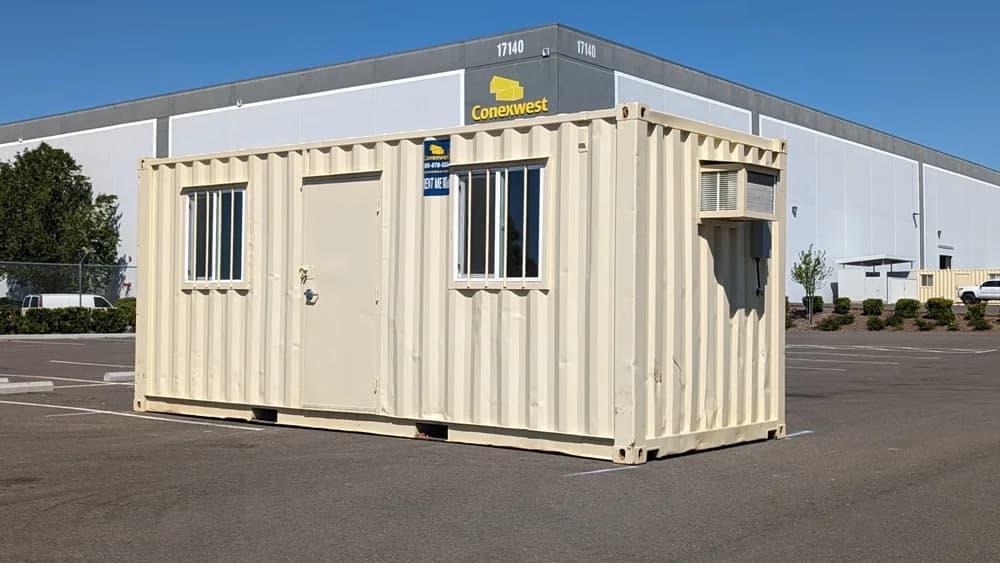
These units cost 30-50% less than comparable traditional construction while being ready for use in a fraction of the time.
2. Refrigerated Storage Solutions
For climate-controlled storage where traditional construction would be prohibitively expensive:
- Precise temperature control systems
- Fraction of the cost of built refrigerated space
- Movable to different locations as needed
- Energy-efficient operation
- No permanent site modifications required
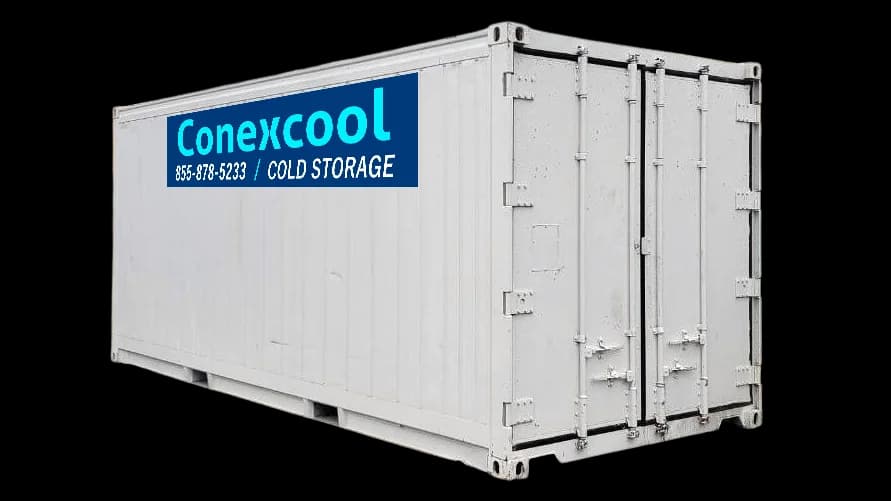
A refrigerated container can be installed and operational in days, compared to months for traditional cold storage construction.
3. Mobile Retail Spaces
For retail businesses looking to test locations or create pop-up stores:
- Fully customizable retail environment
- Can be relocated to follow customer demand
- Lower overhead than traditional retail space
- Distinctive appearance attracts attention
- Minimal site requirements
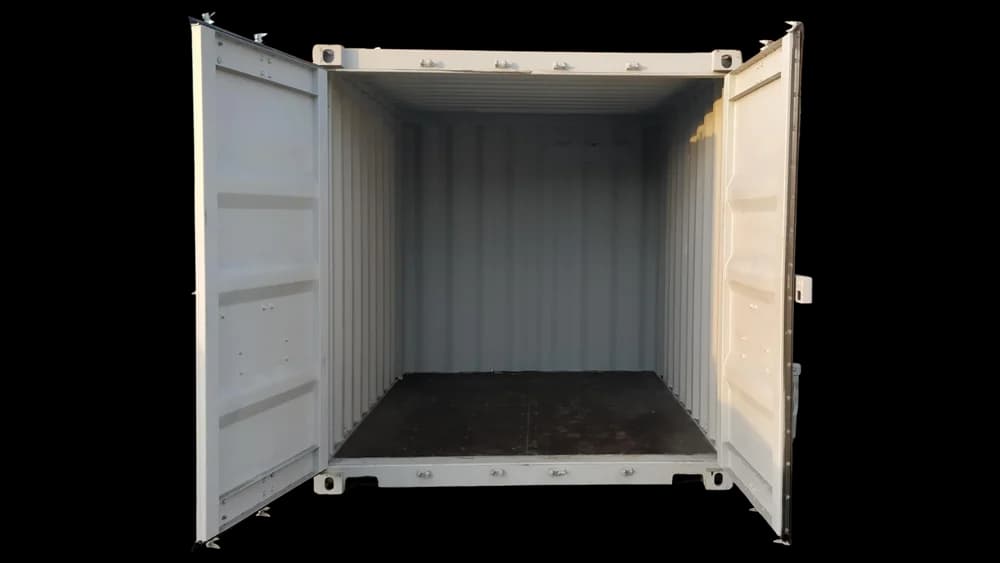
Container retail spaces allow businesses to establish presence quickly without the long-term commitment of traditional construction.
4. Modular Multi-Container Facilities
For larger projects requiring flexible, scalable space:
- Multiple containers combined into larger facilities
- Expandable in phases as needs grow
- 60-70% faster deployment than traditional construction
- Can be reconfigured as requirements change
- Lower capital investment risk
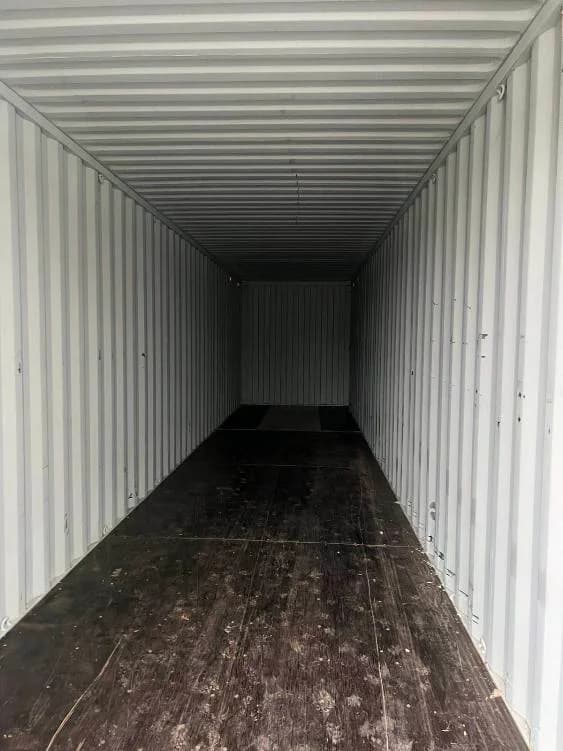
These modified container solutions provide the space and functionality of traditional buildings with significantly greater flexibility.
Ready to Get Started?
Conexwest offers complete container solutions that combine the benefits of speed, cost-effectiveness, flexibility, and durability. Whether you're considering a container structure or still weighing your options against traditional construction, our experts can help you evaluate the best approach for your specific needs.
Contact us today to discuss your project and explore the possibilities of container construction.
Was this helpful?
Frequently Asked Questions
Yes, shipping container buildings typically require permits and must comply with local zoning regulations, though requirements vary by location. Some areas have specific provisions for container structures, while others classify them under standard building codes. In most jurisdictions, permanent container installations require foundation plans, structural engineering approval, and compliance with building codes for insulation, electrical, and plumbing. Our delivery specialists can provide guidance on local requirements and help navigate the permitting process.
With proper maintenance, shipping container buildings can last 25+ years, while traditional construction has a lifespan of 50-100+ years. Container structures are engineered from corten steel designed to withstand harsh maritime environments, making them extremely durable against weather, pests, and fire. However, traditional buildings typically have a longer overall lifespan when properly maintained. The longevity of container structures can be extended through regular maintenance, including rust prevention, weather sealing, and climate control system upkeep.
Yes, container buildings can be effectively insulated for both hot and cold climates using various methods. The most common approaches include spray foam insulation (R-value of 7-9 per inch), rigid panel insulation (R-value of 5-6 per inch), or a combination with additional interior wall systems. When properly insulated, container buildings can meet or exceed local energy codes and provide comfortable interior environments in temperatures ranging from -40°F to 120°F. Our office containers come with high-performance insulation and HVAC systems designed for year-round comfort.
Businesses that benefit most from container construction include those requiring flexibility, rapid deployment, or temporary facilities. These include construction companies needing on-site offices, retail businesses wanting pop-up shops or seasonal locations, expanding companies uncertain about long-term space needs, businesses in remote locations with limited construction resources, and companies with sustainability initiatives. Additionally, businesses in industries with fluctuating space requirements, such as event management, education, or healthcare, often find container solutions more adaptable than traditional construction. Explore our modification options to see how containers can be customized for various business applications.
Container buildings can be completed 60-70% faster than traditional construction. While a traditional building of comparable size might take 6-12 months to complete, a container structure can often be ready in 6-8 weeks. Standard office containers can be delivered and operational within days of site preparation, while custom container buildings with multiple units or specialized modifications typically require 4-12 weeks depending on complexity. This accelerated timeline results from the prefabricated nature of containers and the ability to perform modifications concurrently with site preparation. Contact us for delivery timelines specific to your project.