
Used cargo-worthy 20-foot containers start from $1,250 through Conexwest while new containers start at $3,100.
20-Foot Shipping Container Home Plans: Cost & Ideas
20-Foot Shipping Container Home Plans: Price & Design Ideas
Key Takeaways
- A 20-foot container provides 160 square feet of living space, perfect for tiny homes.
- Proper insulation with spray foam preserves space while preventing condensation.
- Strategic design with multi-purpose furniture maximizes the compact footprint.
- Conexwest supplies quality 20-foot containers ideal for home conversions nationwide.
Transform a 20-Foot Container Into Your Tiny Home
A 20-foot shipping container offers 160 square feet of living space that transforms into an affordable, sustainable home with the right plans. These compact steel structures cost less, build faster, and last longer than traditional tiny homes while providing the durability to withstand extreme weather.
The standardized 8' × 20' dimensions make planning predictable. You know exactly what you're working with, allowing precise furniture selection and layout planning.
The steel structure handles modifications well when done correctly, and the compact size keeps both construction and maintenance costs manageable.
Conexwest, a leader in shipping and storage solutions based in Northern California, offers new, used, and refurbished containers from 10ft to 45ft, with fast delivery within 3–7 days and container fabrication options like adding shelves and locks. We serve over 10,000 customers nationwide, including prestigious clients like the U.S. Navy and Google. As an ISO 9001 and AWS-certified company, we ensure top quality and competitive pricing. |
20ft Shipping Container Home Cost
Base Container Prices
The foundation of your container home starts with purchasing a 20ft shipping container. New containers begin at $3,100, while refurbished options start at $2,885. For budget-conscious buyers, used containers offer the most affordable entry point at $1,250.
Additional Costs & Customization
Beyond the base container, expect delivery fees ranging from $300–1,500 depending on distance and equipment needs. Customization costs vary significantly based on desired features, with total project expenses typically ranging from $10,000–28,000 including insulation, electrical work, and interior finishes.
*These numbers are estimates, and the actual price can vary. Thus, it’s best to reach out to us for an accurate quote.
Smart Design Ideas for 160 Square Feet
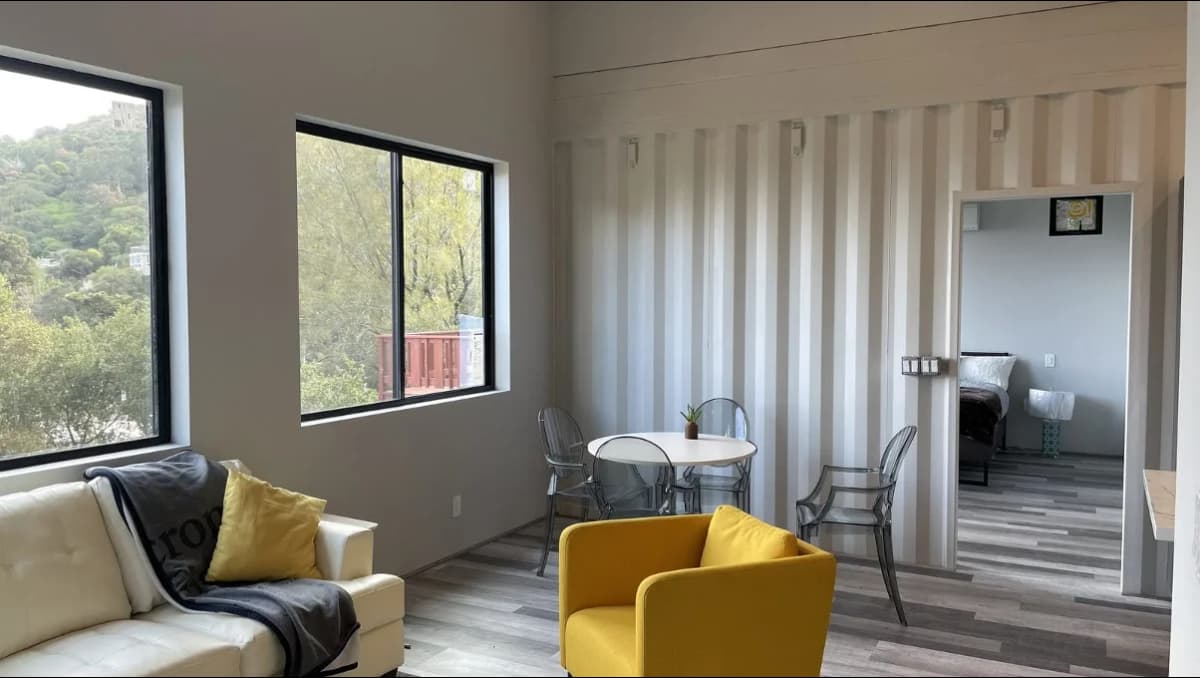
Thoughtful design turns limitations into opportunities for creative living.
Multi-Purpose Furniture
In 160 square feet, every piece of furniture must earn its space. Murphy beds that convert to desks save 25 square feet during the day. Dining tables that expand from console size accommodate guests without a permanent space commitment. Storage ottomans provide seating, storage, and occasional table surfaces.
Choose furniture with robust mechanisms that handle daily transformation. Cheap hardware fails quickly under constant use. So, invest in quality pieces designed for small spaces because they'll outlast the savings from budget options.
Vertical Storage Solutions
With limited floor space, walls become your storage system. A 20-foot container offers approximately 476 square feet of total wall space for shelving, hooks, and cabinets. Install floor-to-ceiling storage, but keep frequently used items at accessible heights.
Effective vertical solutions include:
- Magnetic strips for kitchen tools
- Pegboard walls for versatile storage
- Ceiling-mounted racks for seasonal items
- Over-door organizers for small items
- Built-in shelving between wall studs
Window & Light Strategy
Strategic window placement transforms dark containers into bright living spaces. South-facing windows maximize natural light and passive solar heating. Windows on opposite walls create cross-ventilation that reduces cooling needs.
Most successful designs include:
- 3–5 windows for balanced lighting
- One glass entry door for additional light
- High clerestory windows for privacy
- Skylights where roof modifications allow
- Light colors to reflect available light
Indoor-Outdoor Living
Extending living space beyond container walls multiplies usable area. French doors or sliding glass doors opening to a deck effectively double your space in good weather. Match interior and exterior flooring for seamless visual flow.
Covered outdoor areas provide:
- Protected dining space
- Outdoor kitchen potential
- Workshop areas with fresh air
- Extended living room in mild weather
- Garden connection for food production
Construction Essentials for DIY Builders
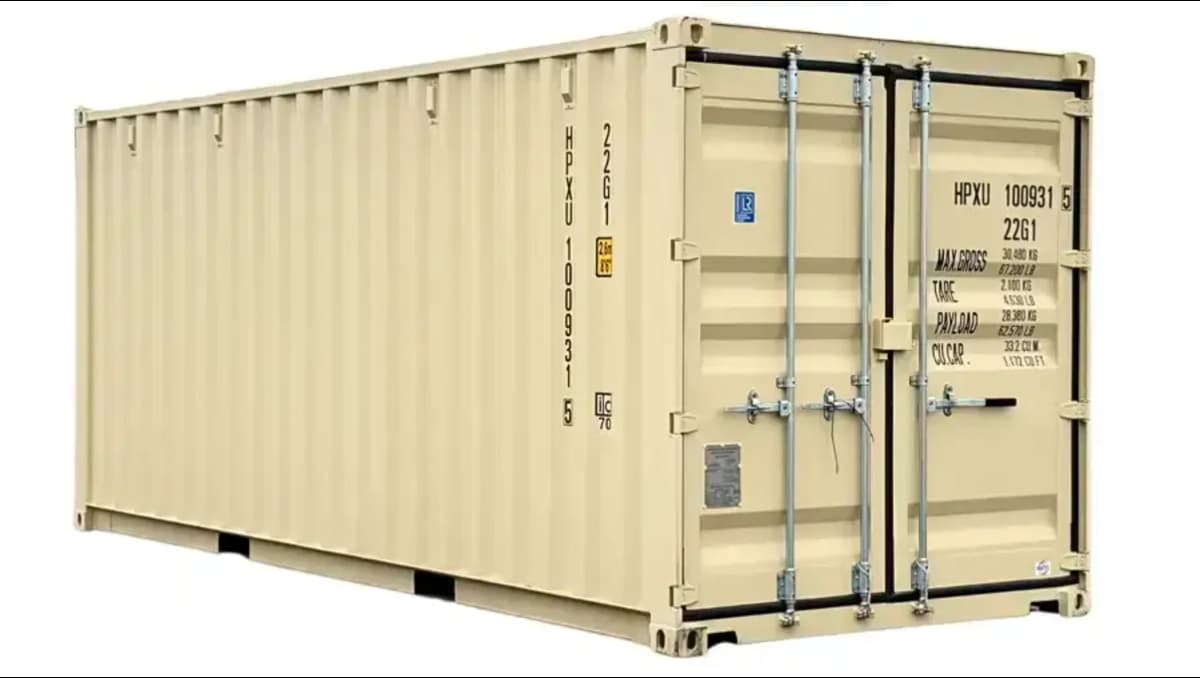
Proper tools and techniques ensure safe, successful container modifications.
Required Tools
Container modification demands industrial-grade equipment:
- Angle grinder: Primary cutting tool for openings
- Plasma cutter: Precision cuts for complex shapes
- Welding equipment: Structural reinforcement
- Metal drill bits: Heavy-duty for steel
- Safety gear: Respirators, eye protection, gloves
Don't skimp on safety equipment. Metal cutting creates sparks, sharp edges, and toxic fumes from coatings. Have fire extinguishers ready and work in ventilated areas.
Structural Modifications
Never cut corner posts or main rails without engineering approval because these elements carry the container's load. Plan openings between structural members when possible. When cutting is necessary, install steel reinforcement before removing any material.
Reinforce around every opening with steel tubing or angle iron welded in place. This "header" system transfers loads around openings, maintaining structural integrity. Mark precisely and measure multiple times—steel doesn't forgive mistakes like wood.
Insulation Choices
Proper insulation prevents condensation that causes rust and mold, with several effective options available:
- Spray foam (best option): R-6 to R-7 per inch, creates vapor barrier, seals completely. Costs more but prevents thermal bridging through steel.
- Rigid foam board: R-5 to R-6 per inch, requires careful sealing at joints. More DIY-friendly than spray foam.
- Mineral wool: Eco-friendly, good sound dampening, needs a separate vapor barrier. Works well for walls if moisture is controlled.
Climate determines insulation thickness needs, with cold climates requiring R-20+ in walls and R-30+ in roofs, while hot climates focus on reflective barriers and ventilation.
Foundation Options
Container foundations range from simple to complex:
- Pier foundations: Raise the container off the ground, improve airflow, simplify utilities. It is cost-effective and adjustable.
- Slab foundations: Maximum stability, easier code compliance, higher cost. Good for permanent installations.
- Railroad ties: Budget option for temporary placement. Not suitable for permanent homes.
Level within ¼ inch across the entire length. Even slight variations prevent doors and windows from operating properly in rigid steel structures.
Start Your 20-Foot Container Home With Conexwest
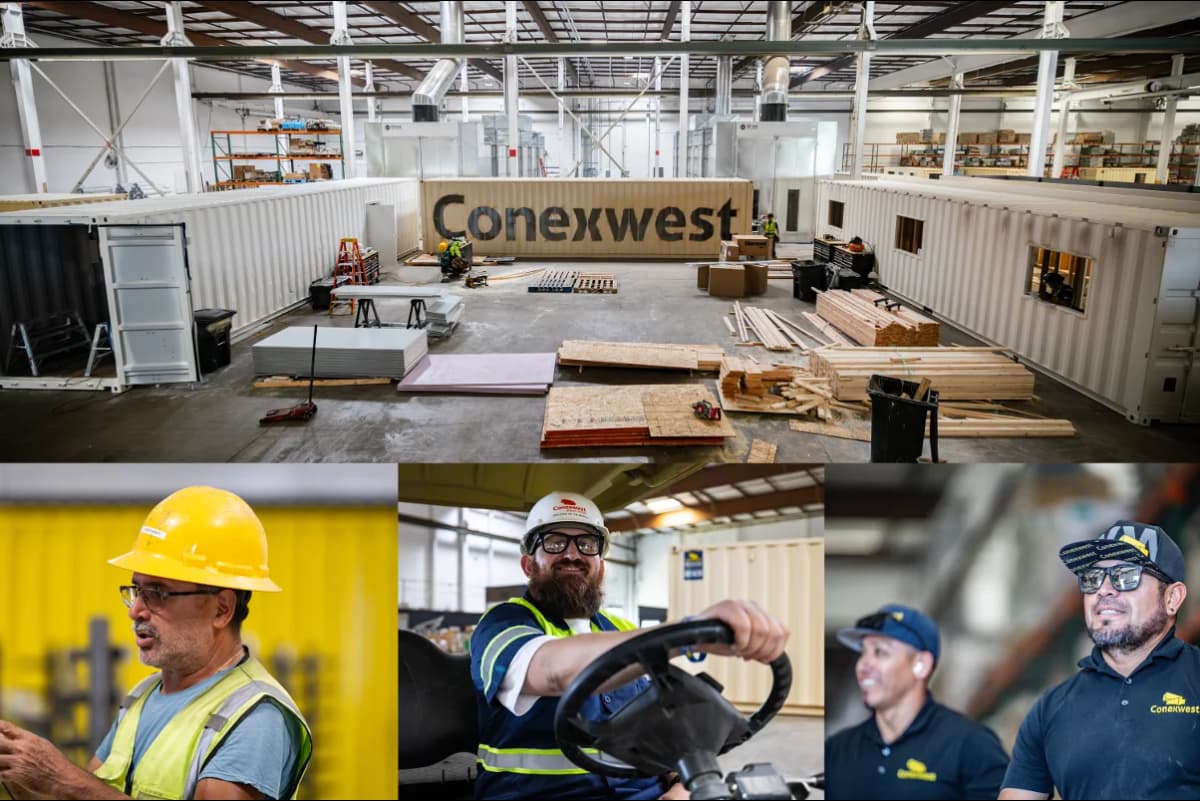
From industrial steel box to personalized tiny home, your journey starts with Conexwest.
Building a 20-foot container home is more than downsizing, it's choosing financial freedom, environmental responsibility, and design creativity. Here is how Conexwest can help you achieve that dream:
Start with Solid Foundations
Container quality determines project success. We inspect every 20-foot container for home conversion suitability. We verify structural soundness, check for chemical contamination, and ensure proper door function. Our containers arrive ready for modification with clean interiors suitable for living spaces.
Plan Your Tiny Home Vision
We help translate your vision into practical container specifications. Our team explains what modifications work with 20-foot containers. We also provide guidance on window and door placement that maintains structural integrity. This way, you will avoid common planning mistakes that complicate construction.
Execute with Confidence
We support your project beyond delivery. Our modification guidance helps with cutting, reinforcement, and finishing. We connect you with experienced container home builders in your area. Our network includes contractors familiar with container conversions.
Nationwide Tiny Home Support
We deliver 20-foot containers anywhere in the continental US. Our logistics network handles residential deliveries professionally. We coordinate timing with your construction schedule.
Quality That Lasts Decades
Your container home will serve you for 25+ years with proper construction. We ensure you start with containers worthy of that commitment. Our quality standards exceed industry norms for residential conversions. Choose Conexwest for the foundation your tiny home deserves.
Was this helpful?
Frequently Asked Questions
Yes, containers stack up to nine high when loaded, so 2–3 story homes are structurally sound. Stacking requires precise alignment, welding at connection points, and waterproofing between levels. Foundations must support concentrated corner loads. Consider offset stacking for architectural interest and covered outdoor spaces.
Closed-cell spray foam provides the best performance with R-6 to R-7 per inch. It creates thermal and vapor barriers in one application while preventing thermal bridging through steel. Though expensive, it preserves interior space and prevents condensation problems. Budget alternatives include rigid foam board with careful sealing.
Properly built container homes last 25+ years with minimal maintenance. Corten steel resists corrosion in most environments. Regular inspection of modified areas (windows, doors, connections) ensures longevity. Container homes often outlast traditional construction in extreme weather conditions.
Yes, we specialize in helping customers select shipping containers for home conversions. We explain condition grades and what each means for your project. We identify which containers work best for your climate and design. Our team provides documentation for permits and modification guidance based on successful projects.