
Many municipalities impose aesthetic guidelines on shipping containers so they blend with the surroundings. This may include requirements for paint, landscaping around the container, or screening to minimize visibility.
West Virginia Shipping Container Zoning Laws, Permits & Building Code Requirements
West Virginia Shipping Container Zoning Law, Permit & Building Code Guide
Key Takeaways
- Shipping containers in West Virginia require permits, especially if used for permanent structures.
- Zoning laws vary by location, which impacts if you can place a container on a property and how you can use it.
- Building codes must be met for safety, particularly for habitable structures.
- Engage with local authorities early to understand zoning and permit requirements in your area.
- Conexwest is your one-stop solution for your shipping container needs - from purchasing a new one to moving it across the country.
Shipping Container Zoning Laws, Permits, & Building Code Requirements In West Virginia
Zoning Laws
Zoning laws in West Virginia dictate how land can be used and what structures can be built. These laws separate residential, commercial, and industrial zones, impacting where shipping containers can be placed. Generally, residential areas have stricter regulations compared to commercial and industrial zones.
- Residential Zones: Shipping containers are usually not permitted as permanent structures. However, temporary use is sometimes allowed for storage or construction purposes but with a permit.
- Commercial Zones: Containers can be used more freely for storage, office space, or retail, but they must comply with local building codes.
Permits
Obtaining a permit is necessary for placing shipping containers on your property, especially if they will be used as permanent structures.
- Temporary Structures: In many cases, a temporary use permit is required if the container will remain on-site for more than a specified duration (often 30 days).
- Permanent Structures: If converting a shipping container into a home or office, a building permit is mandatory, along with inspections to maintain compliance with safety standards.
Building Codes
The International Building Code (IBC) and International Residential Code (IRC) apply to shipping containers used as buildings in West Virginia. These codes cover aspects such as structural integrity, fire safety, plumbing, and electrical systems.
Municipal Examples
Huntington:
As per ContainerOne, in Huntington, an ordinance prohibits the use of shipping containers as residential structures. A temporary permit allows residents to place a container in front of their homes for up to 30 days twice per year.
Smithfield's zoning ordinance currently permits shipping containers only as temporary structures for up to 60 days with a waiver and up to an additional 90 days with a zoning permit.
Conexwest, a leader in shipping and storage solutions based in Northern California, offers new, used, and refurbished containers from 10ft to 45ft, with fast delivery within 3–7 days and container fabrication options like adding shelves and locks. We serve over 10,000 customers nationwide, including prestigious clients like the U.S. Navy and Google. As an ISO 9001 and AWS-certified company, we ensure top quality and competitive pricing. |
Tips For Complying With West Virginia’s Regulations
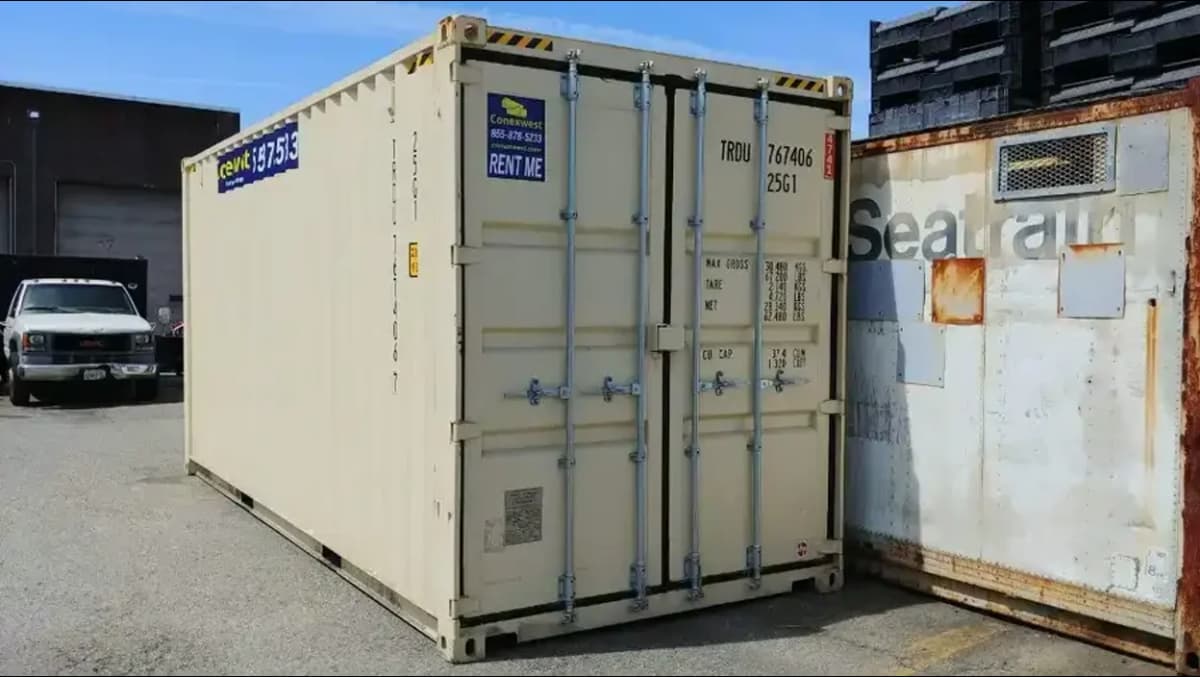
Check your container’s condition before purchasing it - especially if it’s a used one.
- Contact Local Authorities: Before placing a shipping container, reach out to your local zoning office and building department to understand the latest regulations and requirements for your area.
- Review Zoning Maps: Obtain zoning maps from your municipality to determine the designated use of your property (residential, commercial, industrial) and any restrictions that apply.
- Apply Early: Start the permit application process early, as it can take several days or weeks to obtain approval, especially for a permanent structure.
- Hire Professionals: Consider hiring a trusted company like Conexwest for shipping container modifications to maintain compliance with building codes.
- Assess Your Land: Assess your property’s size and layout to check if it has adequate space for the container without violating setback requirements.
- Prepare Your Site: Prepare a stable foundation (e.g., concrete slab or gravel pad) to support the weight of the container and prevent shifting or settling.
- Consider Aesthetic Guidelines: Make sure that the appearance of the shipping container aligns with your local aesthetic guidelines.
- Plan for Utilities: If using the container as a living space or office, plan for necessary utility connections such as water, electricity, and sewage. This will need additional permits.
- Review Homeowners Association (HOA) Rules: If your property is part of an HOA, review their rules regarding shipping containers. Some associations may have additional restrictions or require special approval.
- Inspect the Container: Before purchasing or installing a shipping container, inspect it thoroughly so that it is structurally sound and free from rust or damage that could compromise safety.
- Keep Records: Maintain thorough documentation of all permits, correspondence with local authorities, and inspections to protect yourself in case of disputes or compliance checks.
Read More: Virginia Shipping Container Zoning Laws, Permits & Building Code Requirements
Choose Conexwest For Your Shipping Container Needs
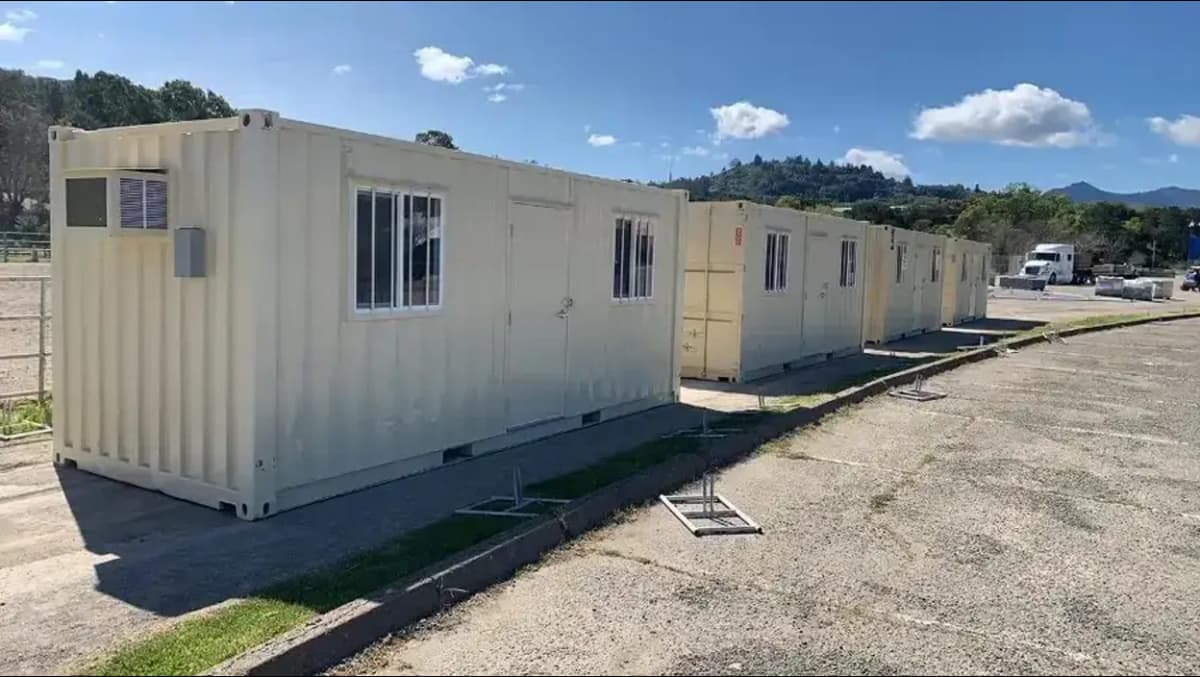
We provide ready-made office containers for use in commercial places like construction sites.
For all your shipping container needs, we stand out as a leader in the industry. Here’s why you should choose us:
1. Extensive Selection of Containers
We have a wide variety of shipping containers, including standard, insulated, refrigerated, and custom options in sizes ranging from 10ft to 45ft.
2. Customization Options
We can customize containers with features such as windows, HVAC systems, electrical setups, specialized doors, and much more. Thus, with us, you can transform a simple shipping container into a functional workspace, living area, or retail space - anything you like.
3. Expertise in Compliance
Our team is well-versed in shipping container laws. Thus, we can guide you through the process of meeting West Virginia’s local zoning laws and building codes so you don’t have to go through this complexity.
4. Proven Track Record
With over 10,000 satisfied customers, we have established ourselves as a trusted name in the industry. Our clientele ranges from individual homeowners to large corporations, demonstrating our ability to meet diverse needs.
5. Commitment to Sustainability
We believe in sustainable practices and aim to provide eco-friendly solutions through our use of recycled materials and efficient processes.
Was this helpful?
Frequently Asked Questions
To find out about regulations regarding shipping containers in your area, contact your local zoning office or building department.
If you receive a violation notice, address it promptly. Review the notice carefully, consult local regulations, and consider reaching out to local authorities for clarification or guidance on how to rectify the situation.
Yes, you can modify your shipping container. However, any modifications must comply with local building codes and zoning regulations.
New ISO shipping containers come with a ten-year warranty from the date of purchase, while used cargo-worthy ISO shipping containers have a five-year warranty.
Contact us to get started.