
Zoning requirements vary widely depending on the locality. Generally, residential areas have stricter controls, while commercial and industrial zones may provide more flexibility.
Virginia Shipping Container Zoning Laws, Permits & Building Code Requirements
Virginia Shipping Container Zoning Law, Permit & Building Code Guide
Key Takeaways
- Building permits are a prerequisite before you can convert a shipping container into a livable space.
- Environmental regulations aim to minimize the impact of shipping containers on local ecosystems.
- Working closely with local authorities can ease the process of approval and compliance.
- Conexwest’s excellent customer service helps you comply with Virginia’s shipping container laws easily.
Shipping Container Zoning Laws, Permits, & Building Code Requirements In Virginia
Zoning Laws
Zoning laws in Virginia govern the placement and use of shipping containers on properties. Key points include:
- Permitted Uses: Shipping containers can be used for storage, temporary structures, or modified into living or working spaces, depending on the zoning classification (residential, commercial, industrial).
- Placement Restrictions: Containers must adhere to setback requirements, meaning they cannot be placed too close to property lines or public rights-of-way.
Building Codes
Building codes make sure that shipping containers meet safety and structural integrity standards. Its important aspects include:
- Foundation Requirements: Containers must be placed on a concrete pad or paved surface for stability.
- Structural Compliance: If used as permanent structures, containers must comply with the International Building Code (IBC) or International Residential Code (IRC) and local building codes regarding insulation, electrical systems, plumbing, and fire safety.
Permits
Types of permits include:
- Temporary Use Permits: Required for short-term storage or placement.
- Building Permits: Necessary for permanent installations or significant modifications.
Examples of Municipal Regulations in Virginia
Norfolk's zoning ordinance outlines specific regulations:
- Permitted Locations: Shipping containers are now allowed in C-C (Community Commercial) and C-R (Regional Commercial) districts.
- Container Limits: One container is permitted per lot; an additional container is allowed for every additional 100 feet of lot frontage.
- Screening Requirements: Containers must be screened from public view using fences or landscaping so the original exterior isn’t visible.
- Zoning Certificate: A zoning certificate is required before placing any shipping container on a lot.
- Permit Requirement: A permit is necessary for placing storage containers on residential properties.
- Size Limitations: Portable storage containers must not exceed a cumulative gross floor area of 130 square feet for each dwelling unit.
- Location Restrictions: Containers cannot obstruct visibility at intersections and must comply with local setback requirements.
Chesapeake:
- Temporary Storage Exemption: Containers stored for no longer than four months in a calendar year may be exempt from some principal building setbacks but still require a permit.
- Measurement Designation: Shipping containers must have a minimum measurement designation of one TEU (20-foot equivalent unit) and comply with accessory structure setbacks.
Conexwest, a leader in shipping and storage solutions based in Northern California, offers new, used, and refurbished containers from 10ft to 45ft, with fast delivery within 3–7 days and container fabrication options like adding shelves and locks. We serve over 10,000 customers nationwide, including prestigious clients like the U.S. Navy and Google. As an ISO 9001 and AWS-certified company, we ensure top quality and competitive pricing. |
Tips For Complying With Virginia’s Regulations
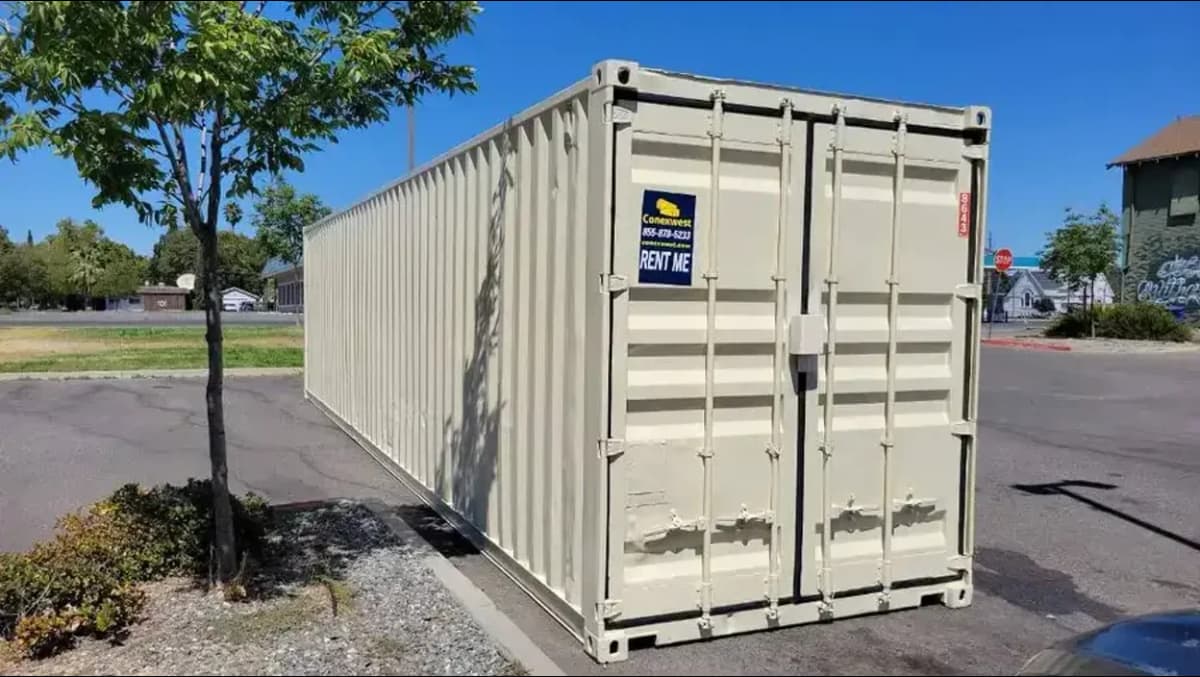
Visit your local authority to stay updated with the latest shipping container rules.
- Check for Homeowners Association (HOA) Rules: If your property is subject to an HOA, review their guidelines as they may impose additional restrictions on the use of shipping containers.
- Apply for Permits Early: Start the permit application process as soon as possible as it can take several days or weeks to obtain approvals.
- Prepare Detailed Plans: When applying for permits, submit comprehensive plans that outline the intended use of the container, its location on the property, and how it complies with local zoning and building codes.
- Inspect Containers Thoroughly: Before purchasing a shipping container, check that it is structurally sound and made from weather-resistant materials capable of withstanding Virginia’s environmental conditions.
- Choose Appropriate Colors and Designs: Some municipalities may have aesthetic guidelines that restrict brightly colored containers or those that do not blend with the neighborhood. Consider painting or modifying the container to meet these standards.
- Engage Local Experts: Work with professionals experienced in shipping container construction (like us) who can guide you on compliance with local regulations.
- Schedule Required Inspections: Be aware that local authorities may require inspections of shipping containers during the installation process to check their compliance with building codes.
Choose Conexwest For Your Shipping Container Needs
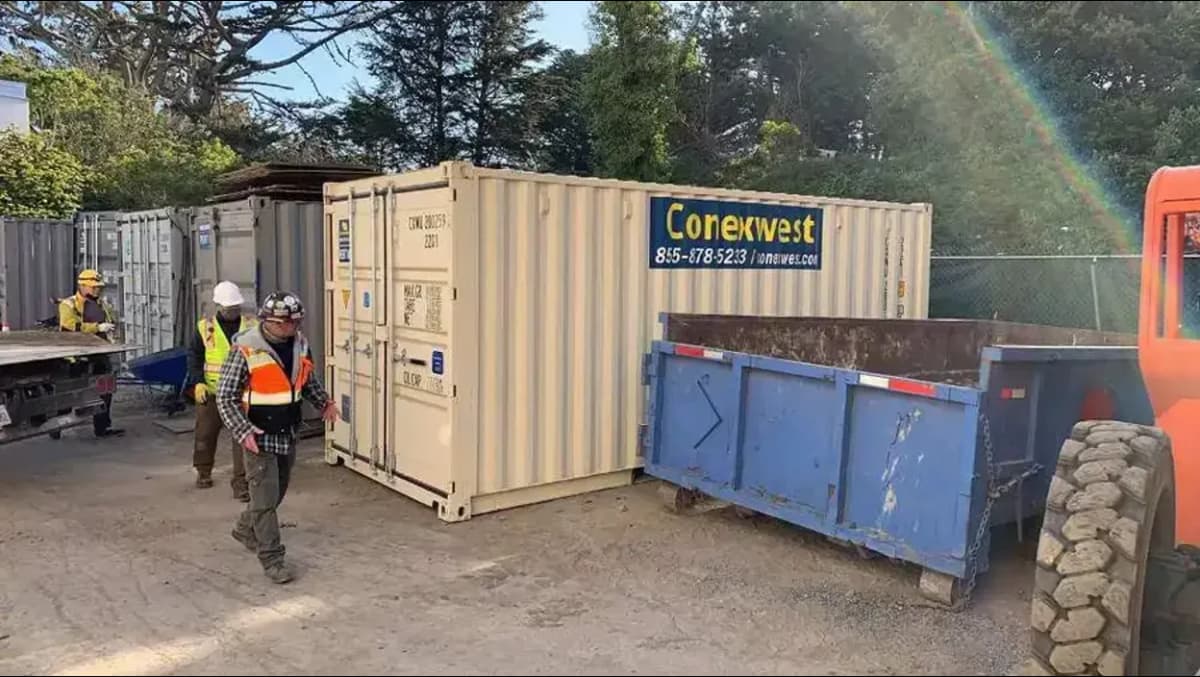
We have already served over 10,000 customers and thus, know how to fulfill your requirements.
Choosing Conexwest for your shipping container needs is a decision that can greatly simplify your storage and transportation requirements. Here’s why we stand out in the industry:
1. Extensive Selection of Containers
We have a diverse range of shipping containers, including standard, insulated, refrigerated, freezer, and office containers, in sizes from 10ft to 45ft. Thus, you can find the perfect container with us.
2. Customization Options
Our containers can be customized with features such as windows, HVAC systems, electrical setups, and specialized doors. Additionally, we also handle complex fabrication like converting a container into a home gym, office, or home.
3. Expertise in Compliance
Our team is well-versed in Virginia's shipping container regulations and can guide you through the process for compliance.
4. Quality Assurance
Each of our units is weatherproof and built to withstand harsh conditions. Additionally, our warranty coverage - 10 years for new containers and 5 years for used ones - provides peace of mind regarding your investment.
5. Customer-Centric Approach
We prioritize customer satisfaction by providing transparent pricing and exceptional service. Our knowledgeable staff is always available to answer questions and assist with any aspect of your container needs - from selection to delivery.
Was this helpful?
Frequently Asked Questions
Shipping containers must comply with several safety standards:
- Containers should be structurally sound and waterproof.
- If people will occupy the container, adequate ventilation must be provided.
- Fire safety measures, such as having fire extinguishers available, should be there.
- Contact your local building department to learn about requirements.
- Prepare a detailed plan of your project, including design and intended use.
- Submit this plan along with the application form and necessary fees.
- Be ready to provide additional information if requested during the review process.
The timeline of the approval process can vary depending on your intended use and the responsiveness of local authorities. On average, it can take anywhere from a few days to several weeks.
Yes, we provide rental options for our shipping containers. Renting can be a cost-effective solution if you need a container for a short-term project or temporary storage needs.