
The cost to transport a 40ft shipping container depends on distance, route, truck type, whether the container is loaded or empty, delivery equipment, site access, fuel prices, and market conditions. For international freight, port charges, customs, insurance, and inland transport also affect the final cost.
Shipping Container Transport Cost: 2026 Calculator & Chart
2026 Shipping Container Transport Costs: Calculator & Pricing Chart
Shipping container transport costs in 2026 can vary widely depending on container size, route, delivery distance, fuel rates, port fees, market demand, container type, and whether you need local delivery, long-distance trucking, rail, port drayage, or international ocean freight.
Whether you are moving a 20ft container across town, delivering a 40ft container to a jobsite, shipping a container overseas, or budgeting for specialized equipment like a high cube or refrigerated container, understanding the main cost drivers helps you plan more accurately and avoid surprise fees.
This guide breaks down 2026 shipping container transport costs, estimated price ranges, route examples, calculator inputs, and the key factors that affect your final quote.
Key Takeaways
- Shipping container transport costs vary by size, route, delivery distance, equipment type, fuel prices, site access, and market conditions.
- 20ft and 40ft standard containers usually cost less to move than refrigerated, high cube, oversized, or specialty containers.
- International freight rates can change quickly based on fuel, carrier capacity, port congestion, trade demand, and seasonal shipping patterns.
- Domestic delivery costs depend heavily on mileage, truck type, site access, loading equipment, and whether the container is empty or loaded.
- At Conexwest, we offer shipping container delivery support with equipment options designed for container transport and placement.
Container Transport Costs in 2026: What Affects the Price?
Container shipping and delivery prices can shift throughout the year. Fuel prices, carrier capacity, port congestion, geopolitical disruptions, customs activity, and seasonal demand can all affect the final cost. Because of that, pricing should always be treated as an estimate until a quote is confirmed for the specific container, route, delivery date, and site.
For domestic moves, the largest cost drivers are usually distance, truck type, container size, whether the unit is loaded or empty, and the difficulty of delivery. For international moves, ocean freight, port charges, documentation, customs clearance, insurance, and inland transportation all affect the final number.
If you are buying or renting a container from Conexwest, our team can help you understand the delivery requirements for your site and the container type you choose.
| Conexwest supplies new, used, and refurbished containers in multiple sizes, including 10ft, 20ft, 40ft, and 45ft options. We also support container fabrication, rentals, storage containers, refrigerated containers, office containers, and delivery coordination based on site access and placement needs. |
Current Rate Ranges by Container Size
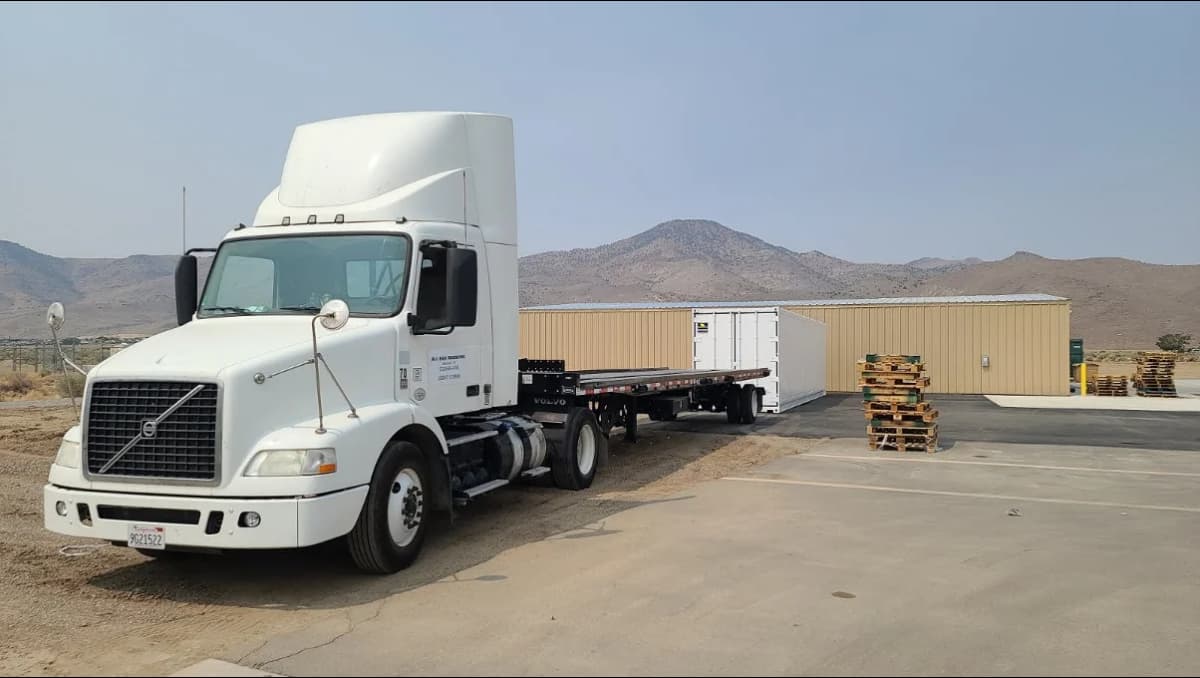
Container size is one of the first things that affects transport cost. A 20ft container is generally easier to move than a 40ft container, but price does not always double with size. Route, availability, equipment, and handling requirements can matter just as much.
Standard Container Options
A 20ft shipping container is often used for smaller shipments, storage projects, heavy cargo, and jobsite delivery. A 40ft shipping container is commonly used for larger shipments, higher-volume storage, retail inventory, construction projects, and long-distance freight.
A 40ft high cube container gives additional height compared with a standard 40ft unit, which can be useful for taller items, bulky cargo, and higher-volume storage. High cube containers may cost more to transport depending on the route and equipment required.
Specialized Container Pricing
Specialized containers often cost more to move than standard dry containers. Refrigerated containers, also called reefers, require more planning because they include refrigeration equipment and may need power, temperature monitoring, and careful handling.
| Container Type | Estimated Transport Cost Range | Best For |
|---|---|---|
| 20ft standard container | Lower to mid-range cost depending on distance and route | Smaller shipments, heavy cargo, jobsite storage, local delivery |
| 40ft standard container | Mid-range to higher cost depending on mileage and equipment | Larger volume, business storage, construction, long-distance moves |
| 40ft high cube container | Often higher than standard 40ft transport when routing or equipment is limited | Taller cargo, bulky items, high-volume storage |
| 40ft refrigerated container | Higher cost due to refrigeration equipment and specialized handling | Temperature-controlled goods, food, flowers, pharmaceuticals, cold storage |
Key Factors That Drive 2026 Container Transport Prices
Fuel Costs
Fuel is one of the biggest variables in both trucking and ocean freight. When diesel, bunker fuel, or marine fuel prices rise, container transport costs can increase through fuel surcharges or revised carrier rates.
Route Distance
Longer routes generally cost more because they require more fuel, driver time, equipment use, coordination, and sometimes multiple transportation modes. Local delivery, regional trucking, cross-country transport, rail, drayage, and international ocean freight all have different pricing structures.
Container Size and Type
A standard empty 20ft container is usually simpler to move than a loaded 40ft high cube or refrigerated container. Larger, heavier, loaded, or specialized containers may require different equipment, permits, routing, or handling.
Port Congestion and Terminal Fees
Port congestion can increase costs through longer wait times, appointment delays, terminal handling charges, demurrage, detention, and congestion surcharges. These charges can vary by port, carrier, terminal, and market conditions.
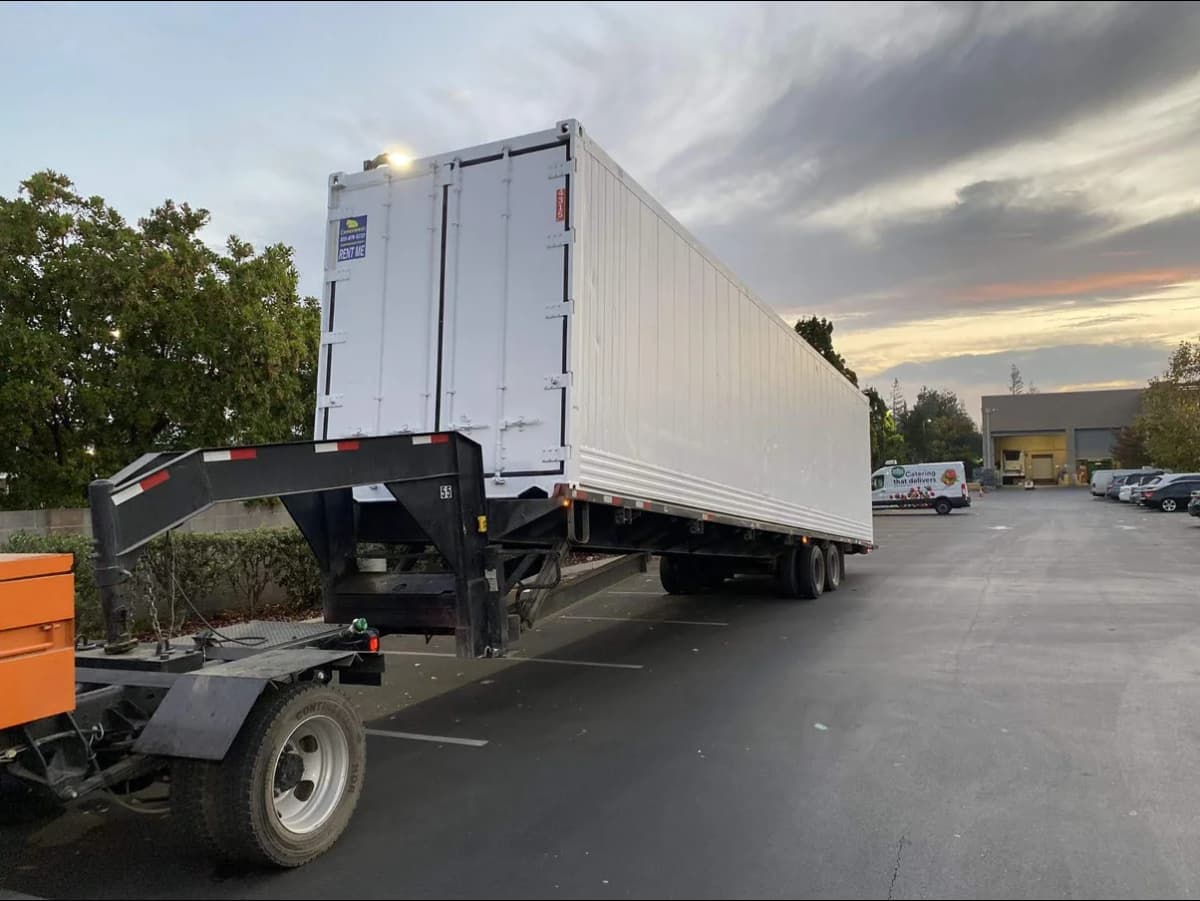
Market Demand and Seasonality
Container freight rates often rise during peak shipping periods when demand is high and equipment availability tightens. Holiday inventory, major retail seasons, agricultural exports, weather disruptions, and global trade shifts can all affect rates.
Terminal Handling Fees
Terminal handling charges cover services at the port, including container movement, loading, unloading, storage, and terminal operations. These fees can apply at both origin and destination and should be included in the total transport budget.
Documentation, Customs, and Insurance
International shipments may include documentation, customs clearance, duties, inspections, and cargo insurance. Cargo insurance is especially important when the value of the goods is higher than standard carrier liability.
Container Shipping Cost Calculator: What Information You Need
A shipping container cost calculator can help estimate the cost of moving a container, but the result is only as accurate as the information entered. Before requesting a quote, gather the details that affect pricing.
Required Information for Estimates
- Exact pickup and delivery addresses or origin and destination ports
- Container size and type
- Whether the container is empty or loaded
- Cargo weight and dimensions, if loaded
- Desired pickup and delivery date
- Site access details, including gate width, surface type, and overhead clearance
- Whether special equipment is needed
- International services such as customs clearance, documentation, or insurance
For help choosing the right size, review Conexwest’s shipping container dimensions guide.
Domestic Delivery vs. International Freight
Domestic delivery usually focuses on trucking, placement equipment, mileage, and site access. International freight includes ocean carrier rates, port charges, documentation, customs clearance, insurance, inland transportation, and final delivery.
If you are purchasing a container for storage, office, cold storage, or custom use, Conexwest delivery planning focuses on getting the container to your site and placed safely based on access requirements.
Estimated 2026 Route Pricing Examples
International freight rates change often, so route pricing should be treated as a planning estimate rather than a fixed price. For active shipments, always request a current quote based on sailing date, port pair, carrier availability, and cargo details.
| Route Example | 20ft Container | 40ft Container | Notes |
|---|---|---|---|
| Asia to U.S. West Coast | Varies by carrier and week | Often benchmarked by 40ft spot-rate indexes | Rates can move quickly during peak season or fuel-related disruptions. |
| Asia to U.S. East Coast | Usually higher than West Coast on many lanes | Varies by service, port, and routing | Longer routing and port selection can affect total cost. |
| Europe to U.S. East Coast | Depends on origin port and carrier | Depends on route and demand | Documentation, customs, and inland delivery should be included. |
| Domestic U.S. delivery | Based on mileage, truck type, and site access | Based on mileage, equipment, and placement needs | Final price depends heavily on local access and delivery equipment. |
For domestic container delivery, review Conexwest’s shipping container delivery information before scheduling your order.
How to Reduce Shipping Container Transport Costs
While some transport costs are outside your control, there are ways to improve planning and reduce avoidable charges.
- Book early when possible.
- Confirm site access before delivery.
- Choose the right container size for the load.
- Avoid last-minute route changes.
- Prepare the ground before delivery.
- Make sure doors, gates, and overhead clearances are clear.
- Confirm whether special equipment is required.
- Include insurance, customs, and terminal fees in the total budget.
- Schedule delivery during a practical access window.
How Conexwest Simplifies Container Delivery
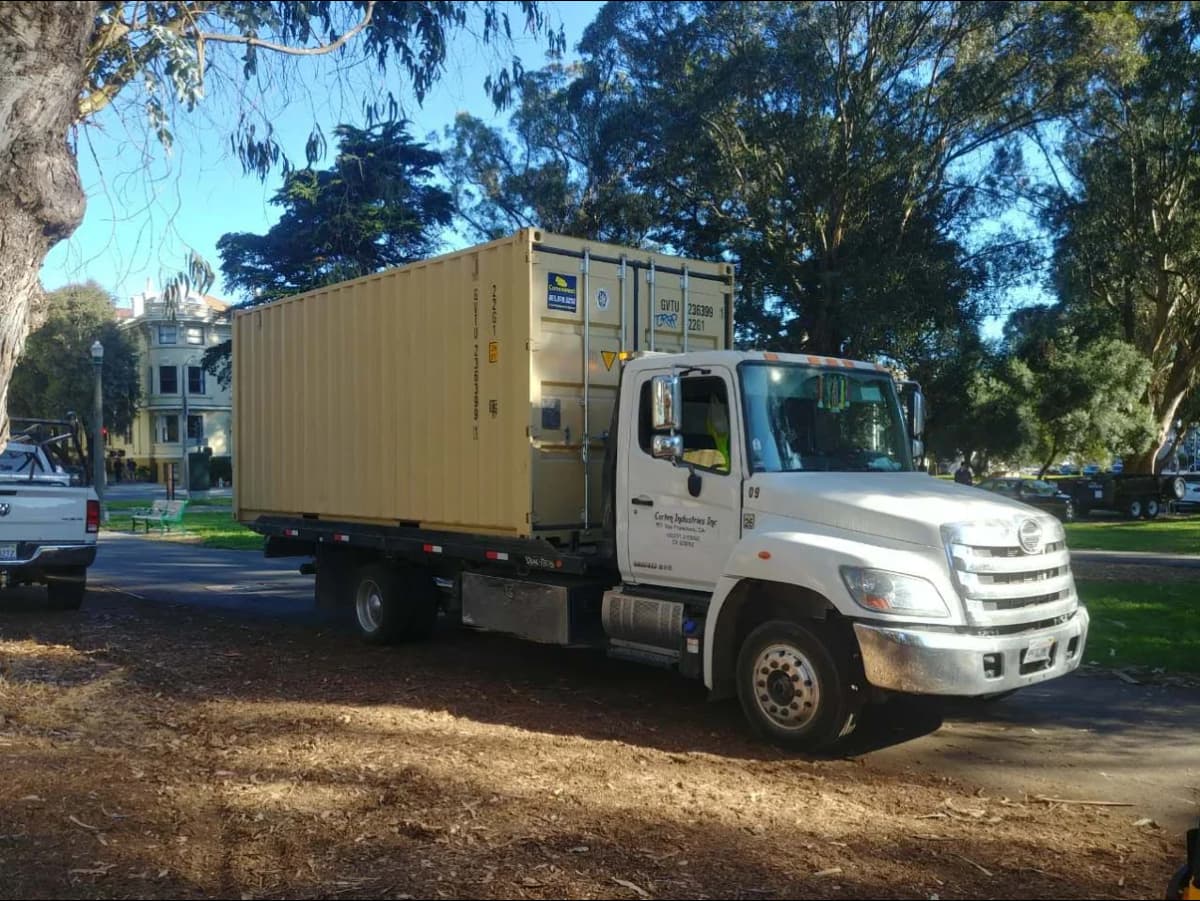
Conexwest helps customers plan container delivery based on container size, site access, placement area, and project needs. Delivery planning is especially important when the site has tight access, soft ground, overhead obstacles, limited turning space, or special placement requirements.
Conexwest can help with:
- Container selection: Choose the right container size and type for storage, office, refrigerated, or custom use.
- Delivery planning: Review site access, clearance, truck requirements, and placement needs.
- Specialized delivery options: Coordinate delivery methods based on container size, site conditions, and local equipment availability.
- Fabrication support: Add doors, windows, insulation, flooring, HVAC, shelving, lockboxes, and other modifications before delivery when needed.
- Clear next steps: Help customers understand what must be ready before the container arrives.
Explore shipping containers for sale or learn more about delivery options for your next project.
Was this helpful?
Frequently Asked Questions
Transport costs change because of fuel prices, carrier capacity, seasonal demand, port congestion, labor conditions, equipment availability, weather, geopolitical disruptions, and changes in trade volume.
You should provide the pickup location, delivery location, container size, container type, whether it is loaded or empty, site access details, desired delivery date, and any special placement requirements.
A 20ft container is often easier and less expensive to transport than a 40ft container, but pricing depends on distance, truck type, availability, delivery equipment, and site access. The difference is not always proportional to container length.
Yes. Refrigerated containers usually cost more to transport than standard dry containers because they include refrigeration equipment and may require additional planning, power, monitoring, or specialized handling.
Conexwest can help review site access and coordinate delivery planning based on container size, truck access, clearance, ground conditions, and placement needs. Difficult locations may require additional planning or specialized equipment.
You can reduce avoidable costs by choosing the right container size, preparing the site before delivery, confirming access and clearance, booking early when possible, avoiding last-minute changes, and requesting a quote with complete route and site information.