
The scale of investment across Oklahoma reinforces the shift. Google has committed billions of dollars across multiple Oklahoma locations, including Mayes County, Stillwater, and Muskogee. Meta has broken ground on a major data center in Tulsa, while Core Scientific and CoreWeave are developing high-performance computing infrastructure in Muskogee.
Shipping Container Data Centers in Oklahoma: Modular Infrastructure for AI, Cloud & HPC
Oklahoma is quickly emerging as one of the most important data center markets in the United States. With more than $13.7 billion in new capital investment in 2025 alone, plus major commitments from Google, Meta, and CoreWeave, demand for scalable, cost-effective infrastructure is accelerating. Shipping containers are becoming a central part of that conversation, especially for companies that need faster deployment, modular capacity, and durable infrastructure.
For companies evaluating shipping containers for sale in Oklahoma City, the data center boom creates a practical use case beyond traditional storage. Modular data centers built from shipping containers offer the speed, flexibility, and rugged construction that Oklahoma’s growing technology corridor requires.
Oklahoma’s Data Center Growth Is Driving Infrastructure Demand
The scale of investment across Oklahoma reinforces the shift. Google has committed billions of dollars across multiple Oklahoma locations, including Mayes County, Stillwater, and Muskogee. Meta has broken ground on a major data center in Tulsa, while Core Scientific and CoreWeave are developing high-performance computing infrastructure in Muskogee.
.webp&w=1200&q=75)
This is not speculative growth. It is active, large-scale deployment happening now, and it requires reliable supporting infrastructure for power, cooling, security, equipment staging, and modular expansion.
Why Shipping Containers Make Sense for Oklahoma Data Centers
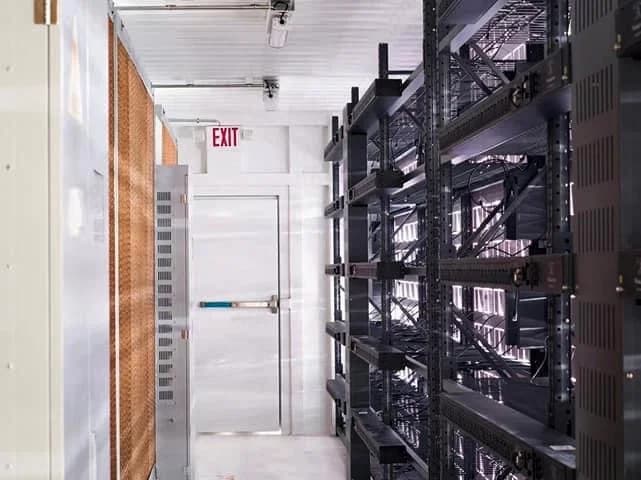
Traditional data center construction can take 18 to 24 months or longer. Containerized data centers help compress that timeline by allowing operators to fabricate, outfit, and deploy infrastructure much faster. A standard 40-foot shipping container provides roughly 320 square feet of usable space, which can be modified to support server racks, cooling systems, power distribution, fire suppression, and secure access.
Key advantages of shipping container data centers in Oklahoma include:
- Rapid deployment: Bring data center capacity online faster than traditional construction.
- Scalable infrastructure: Add modular containers as computing demand grows.
- Portability: Relocate containers as site needs or project requirements change.
- Cost control: Reduce exposure to construction delays and budget overruns.
- Durability: Steel containers provide secure, weather-resistant infrastructure.
Oklahoma’s Energy Advantage
Energy is one of the largest operating costs for any data center, often representing a significant share of total expenses. Oklahoma’s lower industrial power costs make the state attractive for data centers, cryptocurrency mining operations, AI infrastructure, and high-performance computing facilities.
For containerized data centers, lower energy costs can amplify the benefits of modular construction. A properly modified container with efficient cooling, insulated walls, and optimized airflow can support reliable operations while helping companies manage long-term operating costs.
Climate and Cooling Benefits
Cooling is another major consideration for data center infrastructure. Oklahoma’s relatively dry air and cooler seasonal temperatures can support free-air cooling or economizer cooling during parts of the year. This can reduce reliance on mechanical cooling systems and improve overall efficiency.
Containerized data centers are especially well suited for controlled airflow design because the footprint is compact and predictable. With the right modifications, containers can be configured for insulation, HVAC systems, cable management, and redundant power feeds. 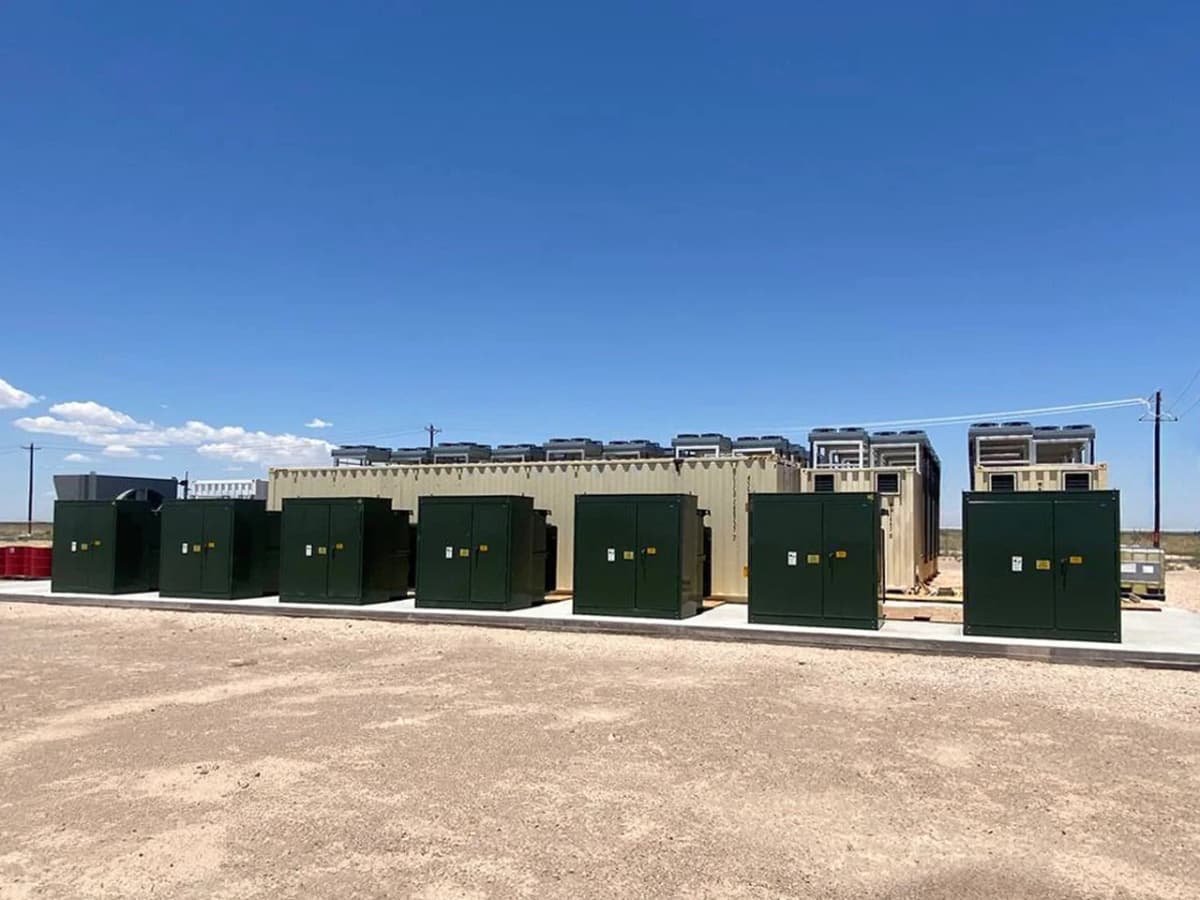
Permits, Zoning, and Local Requirements
Companies planning containerized infrastructure should also evaluate local zoning, permitting, and utility requirements before deployment. Oklahoma’s regulatory environment is business-friendly, but large energy users such as data centers, AI facilities, and cryptocurrency mining operations may face additional utility coordination and site approval requirements.
For more background on placement, permitting, and compliance considerations, review our guide to Oklahoma shipping container zoning laws, permits, and building code requirements.
What to Consider Before Building a Container Data Center in Oklahoma
If you are evaluating Oklahoma for a containerized data center project, the key considerations include site selection, utility capacity, connectivity, and container specifications.
- Site selection: Consider proximity to power, fiber, highways, and service crews.
- Container modification: Plan for insulation, HVAC, electrical systems, fire suppression, and access control.
- Foundation and placement: Ensure the site can support the loaded container weight.
- Security: Use reinforced doors, controlled access, surveillance, and perimeter protections where needed.
- Scalability: Design the layout so additional containers can be added as demand increases.
Oklahoma’s Data Center Future
The trajectory is clear. Oklahoma’s combination of low energy costs, available land, strong logistics infrastructure, and growing technology investment makes it one of the most compelling data center markets in the country. For companies exploring modular, container-based infrastructure, the state offers a rare alignment of speed, scalability, and cost efficiency.
Conexwest provides shipping container solutions across Oklahoma, including custom fabrication for specialized applications such as modular data centers, cryptocurrency mining infrastructure, equipment storage, and edge computing deployments. If you are planning a project, containerized construction can help accelerate timelines while maintaining flexibility as your operation scales.
Read more about how containers power high-performance infrastructure in our guide on building a Bitcoin mining farm with shipping containers.
Was this helpful?
Frequently Asked Questions
Traditional data center construction can take 18 to 24 months or longer. Containerized data centers help compress that timeline by allowing operators to fabricate, outfit, and deploy infrastructure much faster. A standard 40-foot shipping container provides roughly 320 square feet of usable space, which can be modified to support server racks, cooling systems, power distribution, fire suppression, and secure access.
Energy is one of the largest operating costs for any data center, often representing a significant share of total expenses. Oklahoma’s lower industrial power costs make the state attractive for data centers, cryptocurrency mining operations, AI infrastructure, and high-performance computing facilities.
Cooling is another major consideration for data center infrastructure. Oklahoma’s relatively dry air and cooler seasonal temperatures can support free-air cooling or economizer cooling during parts of the year. This can reduce reliance on mechanical cooling systems and improve overall efficiency.
Companies planning containerized infrastructure should also evaluate local zoning, permitting, and utility requirements before deployment. Oklahoma’s regulatory environment is business-friendly, but large energy users such as data centers, AI facilities, and cryptocurrency mining operations may face additional utility coordination and site approval requirements.
If you are evaluating Oklahoma for a containerized data center project, the key considerations include site selection, utility capacity, connectivity, and container specifications.
The trajectory is clear. Oklahoma’s combination of low energy costs, available land, strong logistics infrastructure, and growing technology investment makes it one of the most compelling data center markets in the country. For companies exploring modular, container-based infrastructure, the state offers a rare alignment of speed, scalability, and cost efficiency.