How Much Does It Cost to Modify a Shipping Container in 2025? Real Numbers Breakdown
How much does it really cost to modify a shipping container? Whether you're adding windows and insulation or building out a full office or living space, modification costs range from $25,000 to $250,000 depending on the scope of work. Below, we break down real 2025 pricing for every major modification type so you can budget accurately.
Key Takeaways
- Container modifications cost between $25,000 and $250,000 based on what you want to do.
- Used containers save you $1,000–$3,000 versus new ones, but inspect them carefully first.
- You need insulation for any livable space—DIY costs $600, spray foam done professionally runs $4,500.
- At Conexwest, we provide quality shipping containers and can handle modifications from basic cuts to complete customizations.
Container Purchase Prices
Before you can modify a container, you need to own one as it’s your project's foundation. Prices have increased in recent years due to supply chain issues and growing demand and may represent about 5–15% of your total project budget.
- Standard used 20-foot containers in good condition start from $1,250, while new ones will run $2,089–$3,100.
- The larger 40-foot containers start at approximately $2,000 for used units and $2,095–$5,645 for new ones.
One-trip containers, that is, those used for just a single shipping journey, offer a middle ground between new and used pricing while providing excellent condition.
New vs Used Containers
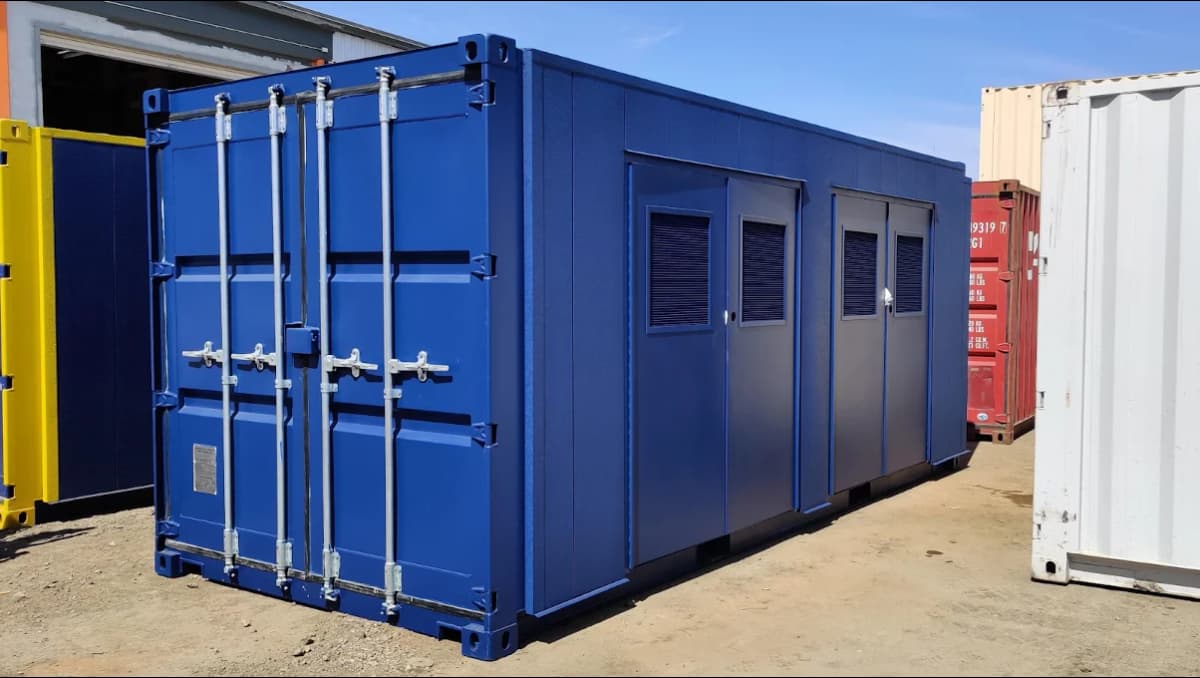
New containers provide peace of mind with perfect structural integrity, no rust issues, and clean interiors. They're ideal for food service applications or situations where appearance matters.
New containers give you perfect structural integrity, no rust, and clean interiors. They're ideal for food service or when appearance matters. But they cost 150%–200% more than used options.
Used containers offer big savings and environmental benefits. Most have 10–15 years of shipping service but decades of structural life left. The key is careful inspection. Check for:
- Excessive rust (especially corner posts and roof seams)
- Proper door sealing
- Any warping or structural damage
One-trip containers hit the sweet spot for many DIY projects because they offer nearly-new conditions at 20–30% less than brand new. They're great if you plan extensive cutting since their structure remains fully intact.
Conexwest, a leader in shipping and storage solutions based in Northern California, offers new, used, and refurbished containers from 10ft to 45ft, with fast delivery within 3–7 days and container fabrication options like adding shelves and locks. We serve over 10,000 customers nationwide, including prestigious clients like the U.S. Navy and Google. As an ISO 9001 and AWS-certified company, we ensure top quality and competitive pricing. |
Get a quote
Basic Shipping Container Modifications
Basic modifications involve the essential structural changes needed to transform a shipping container into livable space. These fundamental alterations include cutting openings, installing fixtures, and preparing the interior for habitation.
But remember that each cut weakens the container's structural integrity and may require steel frame reinforcement. Container specialists may charge $50–$100 per linear foot for precision cutting, plus additional reinforcement costs when needed.
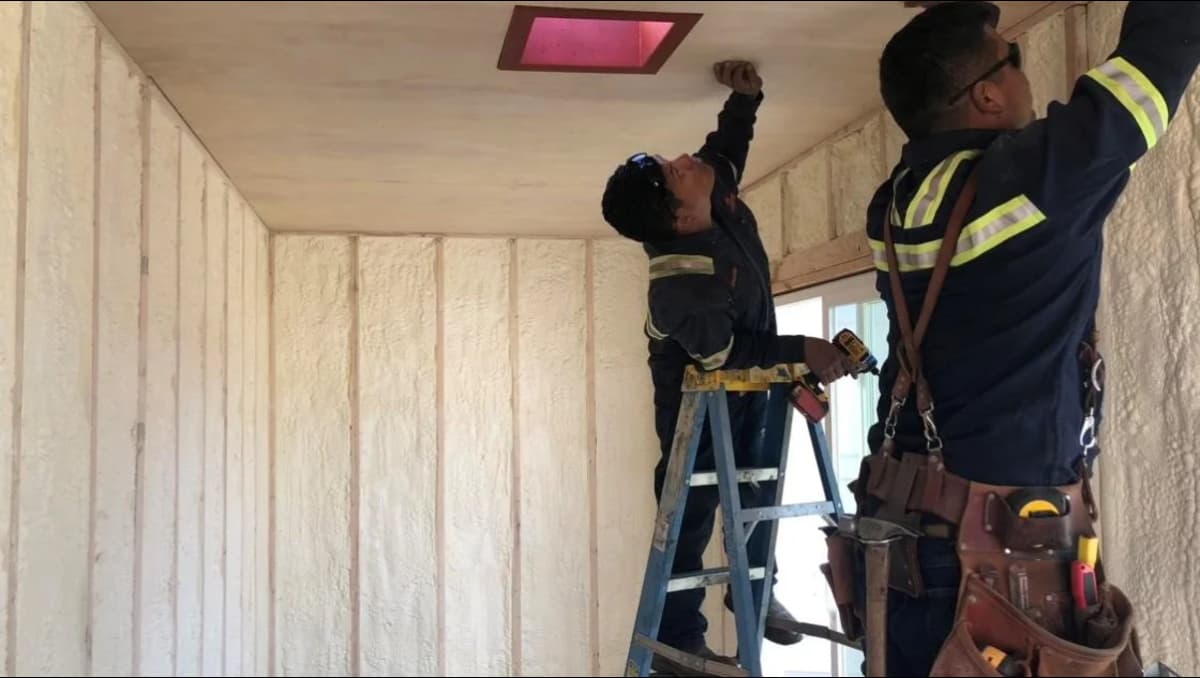
Once you own your container, the real work starts. Common initial mods include cutting openings for windows and doors, installing insulation, and setting up utilities.
Windows
Adding windows requires precision cutting through corrugated steel walls, costing $200–$500 in labor per opening plus window costs.
Standard vinyl windows run $200–$800 each based on size and quality, while commercial aluminum or steel frames cost $500–$1,500. Most residential projects include 4–8 windows, bringing total window budgets to $1,500–$3,000 installed.
Doors
Door installations cost more due to the structural requirements.
Basic exterior doors run $800–$1,200 installed, while sliding glass or French doors range from $1,500–$2,500. Interior doors are more affordable at $200–$400 installed. Many designs minimize interior doors to save both space and costs.
Advanced Shipping Container Modifications
Insulation Options
Insulation is critical for container comfort and energy efficiency.
Spray foam costs around $2,000–$4,500 and provides the highest R-value and creates seamless vapor barriers but requires professional installation. Rigid panels range between $1,200–$3,000 and they offer middle-ground performance with DIY potential.
Electrical & Plumbing
Electrical and plumbing modifications transform shipping containers from basic storage units into functional living or working spaces with power, lighting, and water access.
Electrical systems ($3,000–$7,000) include service panels ($500–$2,000), circuit wiring ($1,500–$3,500), outlets/switches ($500–$1,200), and fixtures ($500–$3,000+). Solar panels add $5,000–$15,000 initially but provide independence and long-term savings. In fact, the flat container roofs make excellent solar mounting surfaces.
Plumbing ($4,000–$10,000) covers complete systems including supplies, drains, vents, and fixtures. Basic bathrooms cost $3,000–$7,000, while kitchenettes run $2,000–$5,000. High-end systems with smart home features or commercial requirements exceed $10,000.
If you want your shipping container to water heaters, it requires creative solutions.
- Tankless electric models ($500–$1,000) save space but need robust electrical.
- Compact tanks ($300-$700) use less electricity but take interior room. \
- External tankless propane heaters ($1,000-$1,800) maximize interior space.
Interior Finishes
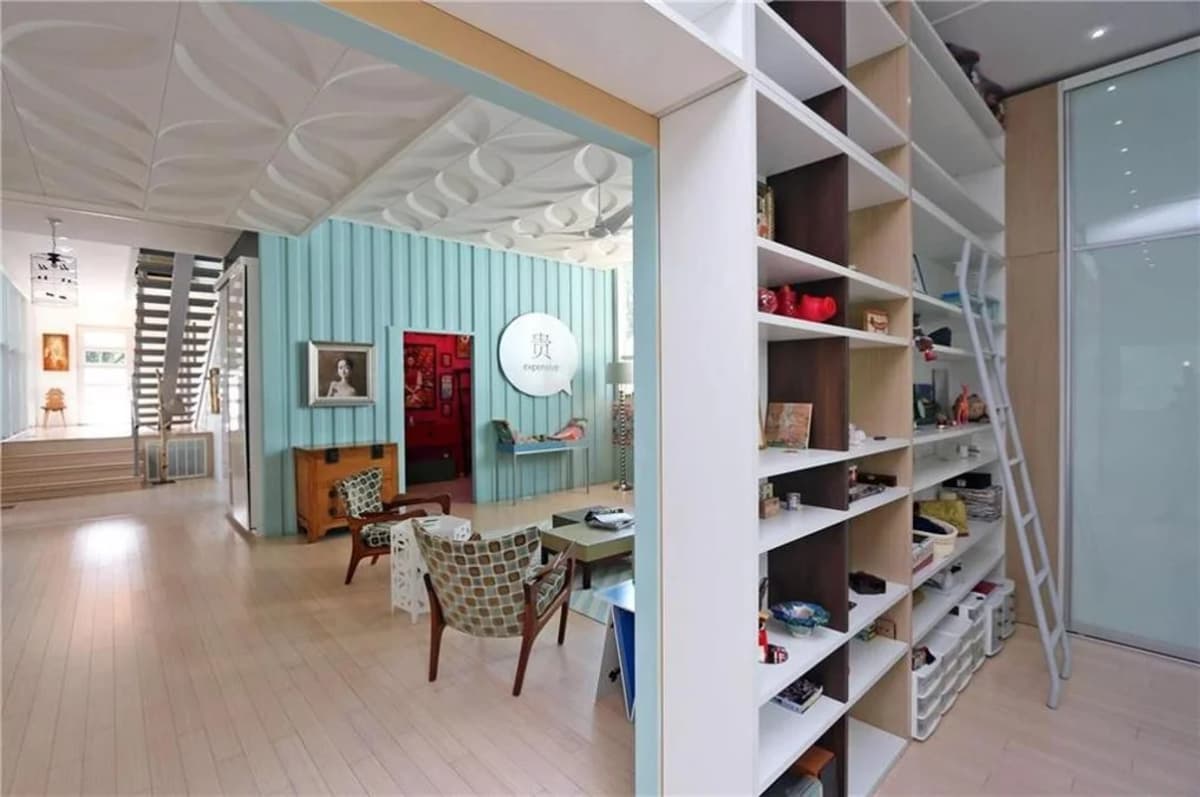
Interior finishes transform industrial containers into welcoming spaces. Costs vary based on design goals and materials.
Flooring options include vinyl plank ($2–$7/sq ft), engineered hardwood ($7–$12/sq ft), and polished concrete ($5–$15/sq ft). Wall treatments typically use framed drywall ($2–$4/sq ft) or alternatives like wood paneling ($3–$10/sq ft).
Ceilings follow similar approaches, with standard drywall ($2–$4/sq ft) or tongue-and-groove wood ($5–$12/sq ft). Stretched fabric systems ($8–$15/sq ft) hide insulation and utilities while adding acoustic benefits. You can also use light colors to help height-restricted containers feel bigger.
HVAC & Climate Control
Steel conducts temperature efficiently, making proper HVAC essential. Most residential projects use ductless mini-splits. Commercial applications might need bigger systems.
Mini-split systems cost $1,500–$3,000 for 20-foot containers or $3,500–$7,000 for 40-foot units. Ventilation including exhaust fans costs $500–$1,200, while heat recovery ventilators add $1,500–$3,000.
Exterior Modifications
Exterior treatments do double duty - they make containers look better while boosting efficiency and lifespan beyond what the tough steel already provides. Painting offers affordable upgrades at $1,500–$4,000 professionally or $500–$1,000 DIY. Siding options include wood ($4–$10/sq ft), fiber cement ($5–$12/sq ft), and metal ($6–$12/sq ft). If you’re looking for roofing modifications, they range from elastomeric coatings ($1,500–$3,000) to green roofs ($5,000–$15,000).
Foundation Requirements
Foundation costs range from concrete pads at $4,000–$12,000 to pier systems at $1,500–$5,000. Permits vary from $500–$3,000 for residential projects to $1,000–$10,000 for commercial developments, with professional documentation adding another $2,000–$7,000.
Total Cost Examples
Basic Office ($15,000–$25,000)
Basic office conversions are the most affordable modifications. This includes a 20-foot container with minimal changes such as one door, 2–3 windows, basic insulation, electrical, and simple finishes.
This approach often retains the original doors for security and includes HVAC systems but features minimal or no plumbing. It's perfect for construction sites, backyard offices, or small businesses where functionality matters more than luxury.
Living Space ($30,000–$60,000)
Mid-range modifications create comfortable living with complete amenities. It uses 40-foot containers with multiple windows, doors, full insulation, complete electrical, basic plumbing for bathroom and kitchenette, and modest finishes.
You can expect quality systems but not luxury. These work as guest houses or compact primary residences and many tiny homes fall here—complete function without extravagance.
Luxury Conversion ($70,000–$150,000)
High-end modifications create premium environments with sophisticated design. It often combines multiple containers for larger floor plans and includes extensive glass, high-efficiency systems, and high-end finishes throughout. Many add smart home tech, full kitchens with premium appliances, and even spa bathrooms.
*These numbers are estimates, and the actual price can vary. Thus, it’s best to reach out to us for an accurate quote.
Conexwest Can Help With Your Container Modification Project
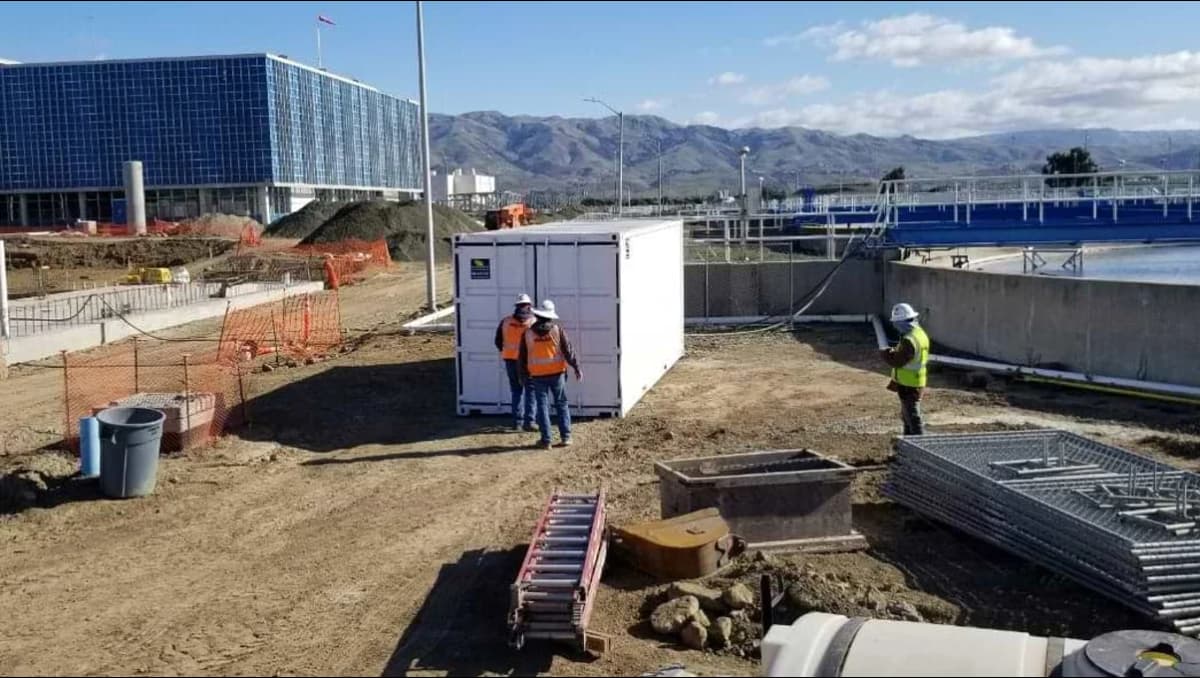
Our modification specialists handle everything from simple window installations to complex multi-container conversions with professional precision.
- Quality Container Selection: We help you choose containers with the structural integrity needed for your specific modifications. Not all containers work well for major alterations. We know which ones have the thickness and condition to handle extensive cutting and welding work.
- Professional Modification Services: Our certified welders and fabrication team handle all structural modifications including window and door openings, reinforcement work, and custom alterations. We maintain container strength while creating the openings and features you need.
- Complete System Integration: We coordinate electrical, plumbing, HVAC, and insulation installation to work together efficiently. Our team understands how these systems integrate with container structures and can plan layouts that maximize space while meeting code requirements.
- Phased Project Management: Budget tight? We can plan your modifications in phases, starting with essential structural work and adding features over time. This approach lets you spread costs while ensuring each phase is complete and functional.
- Permit and Code Compliance: Our modifications meet local building codes and we provide documentation that helps with permitting. We understand what inspectors look for and build accordingly to avoid costly corrections later.
Get a quote
