
Before comparing cold storage options, start with your inventory. A small café, seafood restaurant, catering kitchen, and hotel banquet operation will not have the same storage needs.
How to Choose the Right Cold Storage for Your Restaurant | Conexwest
How to Choose the Right Cold Storage for Your Restaurant
Running a restaurant means managing ingredients, deliveries, prep schedules, food safety, and storage space every day. Cold storage sits at the center of all of it.
Choose too little space, and your kitchen gets crowded fast. Choose the wrong temperature range, and you risk spoilage, waste, and compliance issues.
For restaurants, cold storage usually comes down to three options: walk-in coolers, portable refrigerated containers, and modular cold rooms. The right choice depends on your menu, inventory volume, available space, power access, and whether the need is permanent, seasonal, or temporary.
A walk-in cooler may be best for daily kitchen access. But when a restaurant needs extra refrigerated or frozen storage quickly, a portable refrigerated container can add flexible capacity without a major buildout.
Start With What Your Restaurant Needs to Store
Before comparing cold storage options, start with your inventory. A small café, seafood restaurant, catering kitchen, and hotel banquet operation will not have the same storage needs.
Most restaurants need cold storage for:
- Fresh produce
- Meat, poultry, and seafood
- Dairy products
- Prepared foods
- Frozen products
- Beverages
- Backup inventory
- Catering or event inventory
Different products require different temperature ranges. Produce and dairy typically need refrigerated storage, while frozen foods need freezer storage. If your restaurant handles both, you may need separate zones, separate units, or a solution matched to the product type.
A cold storage solution should be selected based on temperature needs, delivery frequency, inventory turnover, food safety procedures, and staff access.
Match the Right Temperature Range
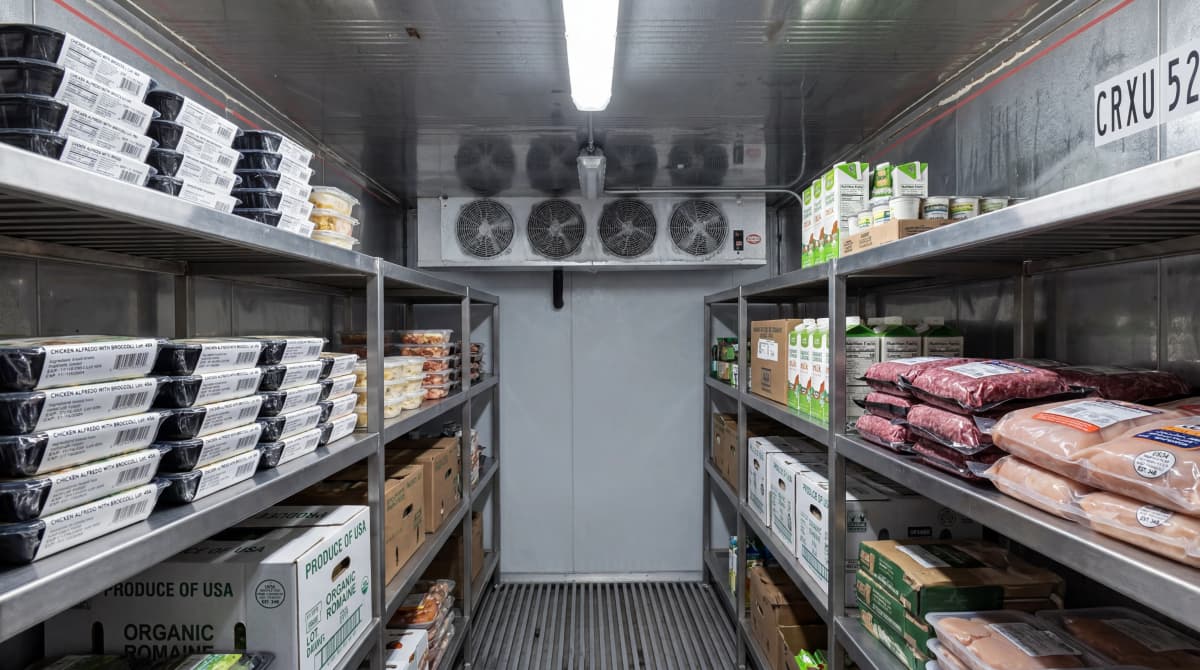
Restaurant cold storage generally falls into three categories: refrigerated storage for produce, dairy, beverages, and prepared foods; frozen storage for frozen proteins, desserts, and longer-term inventory; and deep freezer storage for products that require lower temperatures or specialized food-service handling.
As a general food safety guideline, refrigerated food should be kept at 40°F or below, while freezer storage is generally kept at 0°F. Before renting or buying equipment, confirm the exact range required for your inventory. A cooler is not the same as a freezer, and a freezer is not the same as a deep freezer.
For a deeper comparison of temperature-controlled options, see Conexwest’s guide to reefer vs. freezer containers.
Compare Restaurant Cold Storage Options
Restaurants usually choose between three main cold storage solutions:
- Walk-in coolers for permanent, frequent-access storage near the kitchen line.
- Refrigerated containers for flexible, temporary, or overflow cold storage.
- Modular cold rooms for custom long-term layouts or separate temperature zones.
Walk-In Coolers: Best for Permanent Daily Access
Walk-in coolers are the traditional cold storage choice for restaurants. They are usually installed inside or attached to the building and designed for frequent access by kitchen staff.
Walk-in coolers are best for restaurants that need:
- Permanent cold storage
- Frequent kitchen access
- Organized shelving near the prep line
- Long-term refrigerated storage
- A built-in solution for daily operations
The biggest advantage is convenience. Staff can access ingredients quickly, and the cooler becomes part of the restaurant’s daily workflow. The tradeoff is that walk-in coolers require installation, may involve permitting, are difficult to relocate, and can be expensive to expand.
Refrigerated Containers: Best for Flexible or Temporary Storage
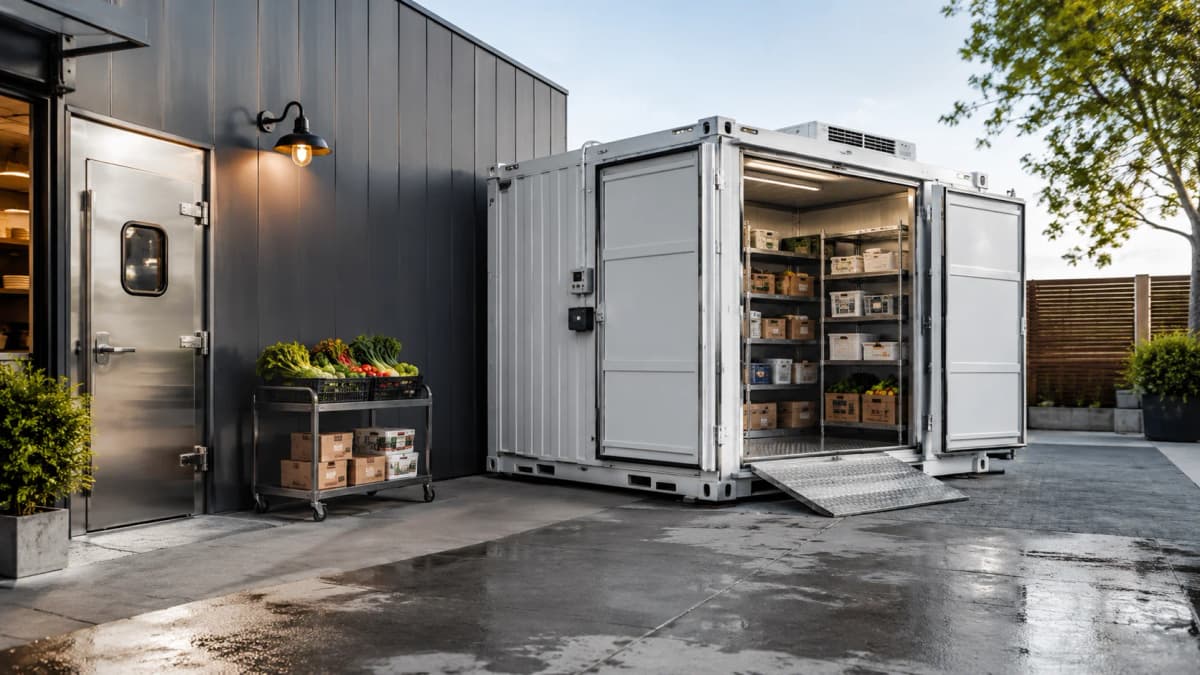
Portable refrigerated containers, often called on-site cold storage containers, are temperature-controlled units that can be placed on-site for refrigerated or frozen storage. For restaurants, they are useful when indoor space is limited or when extra capacity is needed without remodeling the building.
A refrigerated container can be useful for:
- Seasonal inventory overflow
- Catering operations
- Emergency refrigeration backup
- Kitchen renovations
- New restaurant openings
- Commissary kitchens
- Holiday, festival, or event storage
- Temporary freezer or cooler space
The main advantage is flexibility. A refrigerated container can be delivered directly to the site, rented short term or long term, used for large-capacity storage, and removed when it is no longer needed.
The practical considerations are placement and power. A refrigerated container needs outdoor space, proper electrical access, safe staff access, and enough delivery clearance. Staff may also need to walk outside to access inventory, so the location should fit the restaurant’s workflow.
Modular Cold Rooms: Best for Custom Layouts
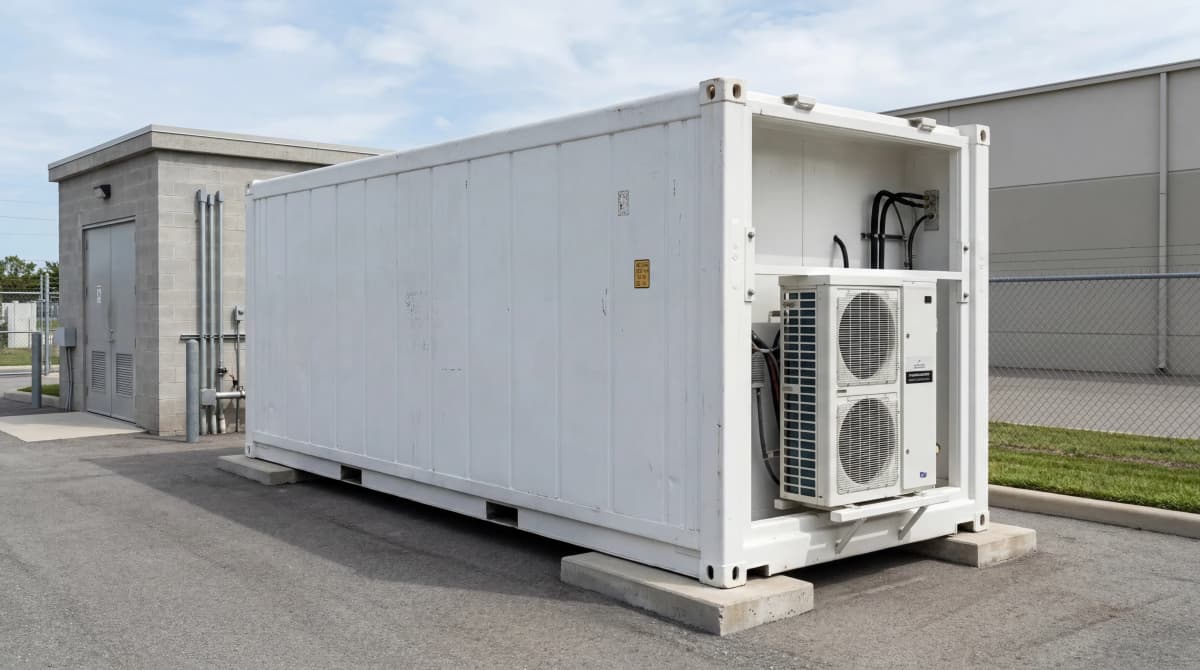
Modular cold rooms are built from prefabricated insulated panels and configured to fit a specific space. They work well for restaurants needing a customized long-term layout, commissary kitchens, prep facilities, or separate temperature zones.
The advantage is design flexibility. The tradeoff is that modular cold rooms still require planning and installation. They are less portable than refrigerated containers, may take longer to set up, and future expansion can require additional work.
Estimate How Much Cold Storage Space You Need
There is no one-size-fits-all answer. Storage needs depend on the restaurant’s menu, purchasing habits, volume, and delivery schedule.
When estimating cold storage space, consider:
- Number of seats
- Daily covers
- Delivery frequency
- Menu complexity
- Fresh versus frozen inventory
- Catering volume
- Seasonal demand
- Backup inventory needs
- Available indoor or outdoor space
If your restaurant receives deliveries every day, you may need less storage. If you order in bulk, prep off-site, support multiple locations, or operate a large menu, you will likely need more capacity. Plan for your busiest operating period, not your slowest week.
When a Portable Reefer Makes Sense
A portable refrigerated container may be the best option when your restaurant needs cold storage quickly, temporarily, or outside the limits of your existing kitchen.
Common restaurant use cases include:
- Holiday inventory overflow
- Outdoor events
- Catering prep
- Emergency refrigeration failure
- Kitchen renovation
- New location opening
- Farmers market or festival service
- Backup freezer space
- Bulk food storage
- Temporary storage during walk-in cooler repairs
For example, a restaurant preparing for a holiday weekend may only need reliable cold storage for a few weeks. A restaurant renovating its kitchen may need to keep inventory cold while the permanent cooler is offline.
Choose the Right Conexwest Refrigerated Container
Conexwest offers refrigerated storage containers for rent and purchase in multiple sizes, including 10ft, 20ft, and 40ft options. The right fit depends on your inventory volume, temperature range, placement space, and power supply.
- 20ft refrigerated container can be a strong fit for restaurants that need extra cold storage but do not have room for a larger 40ft unit. You can also review Conexwest’s 20ft reefer container dimensions and specifications before choosing a size.
- 20ft single-phase refrigerated container may be useful for smaller businesses and restaurants without access to three-phase power.
- 40ft refrigerated container is better suited for larger overflow needs, commissary kitchens, food distributors, hotels, high-volume restaurants, and operations supporting multiple locations.
For specialized cold-chain needs, Conexwest also offers freezer and low-temperature options, including blast freezer and SuperFreezer units. These are typically used for more demanding applications where rapid freezing or ultra-low temperature storage is required.
Check Power, Placement, and Delivery Requirements
Cold storage is not just about the container. It is about how the container works with your daily operation. Before renting or buying a refrigerated container, review:
- Available power source
- Three-phase or single-phase power needs
- Outdoor placement area
- Level and stable surface
- Delivery truck clearance
- Staff access path
- Local rules or landlord requirements
- Health department considerations
Restaurants often place refrigerated containers behind the building, near a loading area, in a service yard, or in another approved outdoor space. The unit works best when inventory is organized and the access path is safe, clear, and practical during service hours.
Keep Food Safety Procedures in Place
Restaurant cold storage must support safe food handling. That means stable temperatures, organized inventory, cleanable surfaces, and proper monitoring.
Restaurant operators should have a process for:
- Checking temperatures regularly
- Separating raw and ready-to-eat foods
- Avoiding overloaded storage space
- Keeping airflow clear inside the unit
- Cleaning shelves and surfaces
- Rotating inventory using FIFO procedures
- Keeping temperature logs when required
- Following local health department rules
If you are using a refrigerated container for food storage, make sure the unit is appropriate for the product type and that your team understands how to monitor and maintain safe temperatures.
Rent or Buy Restaurant Cold Storage From Conexwest
The right restaurant cold storage setup depends on your inventory, temperature requirements, delivery schedule, available space, and power access. A walk-in cooler may be the right permanent solution for daily kitchen use, but a portable refrigerated container can give restaurants fast, flexible cold storage without a major buildout.
For overflow inventory, catering prep, seasonal demand, emergency refrigeration, renovations, or backup freezer space, Conexwest refrigerated containers offer an on-site option that can scale with your operation.
Explore Conexwest refrigerated storage containers, compare sizes and temperature options, or request a quote to find the right cold storage setup for your restaurant.
Was this helpful?
Frequently Asked Questions
Restaurant cold storage generally falls into three categories: refrigerated storage for produce, dairy, beverages, and prepared foods; frozen storage for frozen proteins, desserts, and longer-term inventory; and deep freezer storage for products that require lower temperatures or specialized food-service handling.
Restaurants usually choose between three main cold storage solutions:
Walk-in coolers are the traditional cold storage choice for restaurants. They are usually installed inside or attached to the building and designed for frequent access by kitchen staff.
Portable refrigerated containers, often called on-site cold storage containers, are temperature-controlled units that can be placed on-site for refrigerated or frozen storage. For restaurants, they are useful when indoor space is limited or when extra capacity is needed without remodeling the building.
Modular cold rooms are built from prefabricated insulated panels and configured to fit a specific space. They work well for restaurants needing a customized long-term layout, commissary kitchens, prep facilities, or separate temperature zones.
There is no one-size-fits-all answer. Storage needs depend on the restaurant’s menu, purchasing habits, volume, and delivery schedule.
A portable refrigerated container may be the best option when your restaurant needs cold storage quickly, temporarily, or outside the limits of your existing kitchen.