
A suitable hazmat container should match the specific hazards of the materials it will store. Depending on the materials, this may include weatherproof construction, secure locking, spill containment, ventilation, climate control, shelving, signage, and other safety-focused features. Requirements vary by material, quantity, site, and local regulations.
Hazmat Storage Container Rental vs Purchase Cost | Conexwest
Hazmat Storage Container Rental vs Purchase Cost
Hazmat storage containers give businesses a secure, ground-level way to store hazardous materials, chemicals, flammable liquids, corrosives, industrial supplies, and regulated inventory on-site. Whether you need temporary hazardous material storage for a construction project or a long-term chemical storage solution for an industrial facility, the right hazmat container can help support spill containment, security, ventilation, access control, and safer material handling. This guide compares hazmat storage container rental vs purchase costs, explains what affects pricing, and helps you decide whether renting or buying is the better fit for your operation.
Key Takeaways
- Hazmat storage containers are designed to help store hazardous materials more safely, but requirements depend on the material, quantity, location, and applicable regulations.
- Conexwest’s published estimate for a 20ft Hazmat Storage Container lists a sale cost of about $15,000 and a rental rate of about $150 to $200 per 4 weeks, subject to change.
- Renting is often better for short-term projects, temporary jobsite storage, seasonal work, emergency response, or changing storage needs.
- Buying is usually better for long-term, recurring, or high-volume hazmat storage where the container will be used regularly.
- Important customization options may include spill containment, ventilation, HVAC, electrical packages, shelving, security upgrades, signage, and climate control.
- Always review the Safety Data Sheet, local fire code, OSHA rules, EPA/RCRA requirements, and your authority having jurisdiction before storing hazardous materials.
What Is a Hazmat Storage Container?
A hazmat storage container is a modified shipping container designed to help store hazardous materials in a secure, organized, and more controlled environment. These containers are often used for chemicals, solvents, paints, fuels, pesticides, corrosives, industrial supplies, contaminated materials, and certain hazardous wastes.
Unlike a standard storage container, a hazmat container may include safety-focused features such as secondary containment, ventilation, spill control, shelving, lockboxes, climate control, fire-rated construction, or specialized electrical systems, depending on the container configuration and the materials being stored.
Conexwest offers 20ft hazmat storage containers for hazardous material storage applications. For general storage options, you can also browse shipping containers for sale or storage container rentals.
What Counts as Hazardous Material?
Hazardous materials are substances that may pose a risk to health, safety, property, or the environment if they are released, spilled, burned, mixed incorrectly, or handled without proper precautions. Storage requirements vary by material type, hazard classification, quantity, container type, and site location.
Common examples include:
- Flammable liquids
- Combustible liquids
- Corrosive materials
- Toxic substances
- Industrial solvents
- Paints and coatings
- Pesticides and herbicides
- Cleaning chemicals
- Oil, fuel, and lubricants
- Laboratory chemicals
- Certain pharmaceutical or biological materials
- Hazardous waste awaiting pickup or disposal
Before storing any hazardous material, review the product’s Safety Data Sheet and confirm storage requirements with your environmental health and safety team, local fire marshal, and applicable regulatory authority.
Hazmat Storage Container Rental & Sale Cost Compared
Hazmat storage container pricing depends on container size, condition, location, availability, rental duration, delivery distance, containment features, and custom modifications. Conexwest’s published estimate for 20ft hazmat storage lists the following pricing, but final costs should always be confirmed before ordering.
| Container Type | Estimated Sale Cost | Estimated Rental Rate | Best For |
|---|---|---|---|
| 20ft Hazmat Storage Container | About $15,000 | About $150 to $200 / 4 weeks | Short-term or long-term chemical, industrial, construction, agricultural, laboratory, or facility storage |
Pricing is based on Conexwest’s published estimates and may change based on location, availability, delivery, rental term, container condition, and customization requirements.
20ft Hazmat Storage Container Features
A 20ft hazmat storage container provides a compact but industrial-grade option for hazardous material storage. Conexwest’s 20ft hazmat product information notes approximately 1,172 cubic feet of storage space, along with weatherproof construction, security features, and customization options.
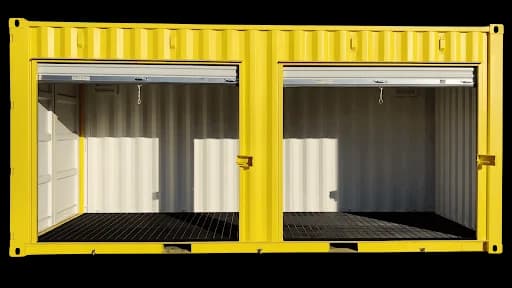
20ft hazmat storage containers can support secure storage for chemicals, industrial supplies, regulated inventory, and other hazardous materials.
| Feature | Why It Matters |
|---|---|
| Secure steel construction | Helps protect stored materials from weather exposure, theft, and unauthorized access. |
| Spill containment | Helps contain leaks or spills inside the storage area, depending on configuration. |
| Ventilation options | Can help manage fumes, odors, heat, or vapor buildup depending on the stored material. |
| HVAC options | Can help maintain more stable interior conditions for temperature-sensitive materials. |
| Electrical packages | Can support lighting, outlets, monitoring equipment, or specialized electrical needs. |
| Shelving and organization | Helps organize containers, bottles, tools, spill supplies, and compatible materials. |
| Lockbox and security upgrades | Helps restrict access and reduce theft or unauthorized handling. |
What Affects Hazmat Storage Container Cost?
The base container price is only one part of the total project cost. Hazmat storage often requires additional planning because the container must match the material hazards, site layout, storage duration, and applicable safety requirements.
| Cost Factor | How It Affects Pricing |
|---|---|
| Container size | A 20ft hazmat container costs less than a larger custom unit, but may not provide enough room for high-volume storage. |
| Rental duration | Short-term rentals reduce upfront cost, while longer rental periods may make purchasing more economical. |
| Condition | New, used, and refurbished containers have different pricing, appearance, lifespan, and warranty considerations. |
| Delivery location | Distance, access, unloading conditions, and delivery equipment can affect total cost. |
| Containment features | Spill containment trays, sumps, sealed flooring, and drainage controls may increase cost but can be critical for safe storage. |
| Ventilation and climate control | Louvered vents, HVAC, insulation, or temperature controls may be needed depending on the material stored. |
| Electrical package | Lighting, outlets, monitoring equipment, and specialized electrical configurations can add cost. |
| Shelving and layout | Shelving, segregated areas, racks, and interior organization can improve access and help separate incompatible materials. |
| Security upgrades | Lockboxes, reinforced doors, restricted access, and additional locks help protect hazardous materials from theft or unauthorized handling. |
Renting vs Buying a Hazmat Storage Container
The decision to rent or buy usually depends on how long you need the container, how often you store hazardous materials, and whether your storage requirements are temporary or permanent.
| Option | Best For | Main Advantages | Things to Consider |
|---|---|---|---|
| Renting | Temporary projects, seasonal work, construction sites, shutdowns, emergency storage, changing inventory | Lower upfront cost, flexibility, easier to scale up or down, useful for short-term needs | Rental costs add up over time; customization may be more limited than purchasing |
| Buying | Long-term storage, recurring use, industrial facilities, labs, manufacturing, agriculture, chemical operations | Long-term value, full ownership, more customization flexibility, no ongoing rental payments | Higher upfront cost; owner is responsible for long-term maintenance and compliance planning |
When Renting a Hazmat Container Makes Sense
Renting is often the better choice when the storage need is temporary, uncertain, seasonal, or tied to a specific project. It can also be useful when a business needs fast deployment without committing to permanent equipment.
Renting may be best for:
- Construction projects
- Temporary chemical storage
- Plant shutdowns or maintenance periods
- Emergency spill response
- Seasonal agricultural chemical storage
- Short-term industrial work
- Overflow storage during facility renovations
- Temporary hazardous waste accumulation support
For flexible storage options, visit Conexwest’s storage container rental page.
When Buying a Hazmat Container Makes Sense
Buying is usually the better choice when hazardous materials are part of your regular operation. If the container will be used year-round, purchasing can offer better long-term value and more flexibility for custom features.
Buying may be best for:
- Manufacturing facilities
- Chemical plants
- Laboratories
- Pharmaceutical operations
- Agricultural businesses
- Oil, gas, and energy operations
- Public works departments
- Waste management and environmental service companies
To review available options, see Conexwest’s 20ft hazmat storage container.
Industries That Use Hazmat Storage Containers
Hazmat storage containers are used across industries that handle regulated, flammable, corrosive, toxic, or environmentally sensitive materials.
| Industry | Common Storage Needs |
|---|---|
| Chemical and manufacturing facilities | Solvents, process chemicals, coatings, cleaners, industrial materials, and regulated inventory. |
| Construction and contractors | Paints, adhesives, sealants, fuels, lubricants, cleaning chemicals, and temporary jobsite materials. |
| Pharmaceuticals and laboratories | Lab reagents, chemicals, biological materials, hazardous waste streams, and regulated supplies. |
| Agriculture | Pesticides, herbicides, fertilizers, fuels, oils, and other farm chemicals. |
| Oil, gas, and energy | Fuels, lubricants, solvents, maintenance chemicals, and waste materials. |
| Public works and municipal operations | Cleaning agents, roadwork supplies, spill response equipment, maintenance materials, and emergency storage. |
If your hazmat container will be placed on farm or agricultural land, read Conexwest’s guide on placing a shipping container on agricultural land.
Container Fabrication and Customization Options
Hazmat storage needs vary by material type, quantity, site conditions, and compliance requirements. Conexwest can support custom container modifications that help create a more practical storage setup.
| Customization Option | Purpose |
|---|---|
| Electrical package | Supports lighting, power, monitoring equipment, and other site-specific electrical needs. |
| HVAC | Helps regulate interior temperature for materials that need more stable storage conditions. |
| Ventilation | Helps manage fumes, vapors, heat, odors, or air exchange depending on the stored material. |
| Insulation | Can help reduce temperature swings and support climate-controlled storage. |
| Shelving | Helps organize bottles, cans, drums, tools, spill supplies, and smaller containers. |
| Additional doors | Improves access for equipment, pallets, drums, or segregated storage areas. |
| Security upgrades | Helps restrict access and protect regulated materials. |
| Signage and labeling | Supports hazard communication and easier identification of stored materials. |
For related add-ons, review Conexwest’s shipping container customization options, including doors, ventilation, HVAC, electrical features, shelving, and custom fabrication.
Safety and Compliance Considerations
A hazmat container is only one part of a safe storage plan. The materials, quantities, container configuration, site conditions, employee training, labeling, spill response plan, and local code requirements all matter. No container is automatically compliant for every hazardous material or location.
Before using a hazmat storage container, confirm:
- The material hazard class and Safety Data Sheet requirements
- Whether materials are compatible with each other
- Whether secondary containment is required
- Whether ventilation, climate control, or specialized electrical features are required
- Whether local fire code or environmental permits apply
- Whether OSHA, EPA, DOT, state, or local requirements apply
- Whether employees need hazmat handling or hazard communication training
- Whether the site has spill response supplies and emergency access
OSHA provides rules for flammable liquid storage, including limits and storage requirements for flammable liquids. EPA/RCRA hazardous waste container rules also require hazardous waste containers to be managed in a way that prevents leaks and rupture, and kept closed except when adding or removing waste. Review the applicable OSHA, EPA, state, and local requirements before using any hazmat storage solution.
Helpful external resources include OSHA 1926.152 Flammable Liquids, 40 CFR Part 265 Subpart I: Use and Management of Containers, and DOT hazmat guidance.
Hazmat Storage Container Rental vs Purchase: Cost Example
The longer you use a hazmat container, the more important the rent-vs-buy calculation becomes. Rental costs may be easier to manage at first, but purchasing can make more sense if the container will stay in service for years.
| Storage Timeline | Likely Better Option | Why |
|---|---|---|
| 1–3 months | Rent | Short-term use usually does not justify the upfront purchase cost. |
| 3–12 months | Rent or buy | Decision depends on rental rate, delivery cost, customization, and whether the need will continue. |
| 12+ months | Often buy | Long-term use may make ownership more economical, especially if customization is needed. |
| Permanent or recurring use | Buy | Ownership supports long-term planning, customization, and repeated use. |
Questions to Ask Before Renting or Buying
Before choosing a hazmat storage container, define your storage needs clearly. This helps Conexwest recommend the correct container type, size, and modifications.
- What materials will be stored?
- What are the hazard classifications?
- How much material will be stored at one time?
- Will materials be in drums, totes, cans, bottles, or pallets?
- Are the materials flammable, corrosive, toxic, reactive, or temperature-sensitive?
- Do the materials need to be separated from incompatible substances?
- Is ventilation, HVAC, or specialized electrical equipment required?
- Will the container be used temporarily or permanently?
- Does the site have proper access, emergency clearance, and fire department access?
- Are permits, inspections, or environmental approvals required?
Why Choose Conexwest for Hazmat Storage Containers?
Conexwest provides shipping containers for sale and rent, along with custom container modifications for industrial, construction, agricultural, laboratory, and commercial applications. Hazmat container options can be configured with features such as ventilation, HVAC, electrical packages, insulation, shelving, security upgrades, and other modifications based on project needs.
Conexwest also provides nationwide delivery and support for businesses that need durable, ground-level storage solutions. For custom hazmat storage requirements, choose a container that matches your material type, location, project timeline, and safety requirements.
Was this helpful?
Frequently Asked Questions
Conexwest’s published estimate lists a 20ft Hazmat Storage Container at about $15,000 to purchase and about $150 to $200 per 4 weeks to rent. Final pricing depends on location, availability, delivery, condition, rental duration, and required modifications.
Renting is usually better for short-term projects, temporary jobsite storage, seasonal use, or emergency storage. Buying is usually better for long-term, recurring, or permanent hazmat storage where ownership and customization make more financial sense.
Hazmat containers may be used for chemicals, solvents, paints, fuels, lubricants, pesticides, corrosives, toxic materials, industrial supplies, and certain hazardous waste streams. Always confirm compatibility, SDS requirements, storage quantity limits, and local code requirements before storing any hazardous material.
Yes. Hazmat storage containers can be customized with HVAC, electrical packages, ventilation, shelving, insulation, security features, signage, additional doors, and other options depending on the intended use and safety requirements.
Permit requirements vary by location, material type, storage quantity, and use. Local fire departments, environmental agencies, building departments, and authorities having jurisdiction may have requirements for placement, signage, containment, ventilation, access, and inspections.
No container is automatically compliant for every hazardous material or location. Compliance depends on the materials stored, quantities, site conditions, employee procedures, permits, local code, and container configuration. Always work with your EHS team and local authorities before storing regulated materials.
Conexwest’s 20ft hazmat container information notes approximately 1,172 cubic feet of storage space. Actual usable capacity depends on shelving, containment systems, stored materials, access requirements, and safe separation of incompatible products.