
Most Tennessee lenders want a minimum 680 credit score for container financing, with best rates for 740+. This is higher than regular home loans due to perceived risk. If below 680, work on credit improvement for 3–6 months before applying or find a co-signer with stronger credit.
How To Finance a Shipping Container Home in Tennessee: 2025 Guide
2025 Tennessee Shipping Container Home Financing Guide
Key Takeaways
- Container homes in Tennessee cost between $20,000 and $175,000 based on size and finishes.
- Construction loans, personal loans, and HELOCs are your best financing options since regular mortgages rarely work.
- Tennessee counties have different zoning rules that affect your financing, with rural areas being more flexible.
- Lenders want detailed building plans, contractor quotes, and zoning approval before they'll consider your application.
- At Conexwest, we provide Tennessee-compliant containers with documentation to help customers secure financing for their projects.
The Real Cost of Container Homes in Tennessee
Before looking at financing, you need a realistic budget. In Tennessee, container homes cost between $20,000 for a basic single container to $175,000+ for fancy multi-container designs. These prices cover everything from buying the container to finishing touches.
Location makes a big difference. Building near Nashville or Knoxville costs 15–30% more than rural areas because of higher permit fees, labor costs, and utility connections. Container quality varies too. For example, new 40ft high cube containers start from $4,555, while used ones start from $2,549.
Your design and finishes drive the final price. Basic conversions might cost $50–$100 per square foot. High-end container homes with custom features can hit $200–$300 per square foot. Most Tennessee container homes fall in the $125–$175 per square foot range when professionally built.
Property Classification
How your container home is classified affects financing options big time. Permanently installed containers with foundations, utilities, and code compliance can access more traditional financing.
But containers classified as "accessory buildings" or "temporary structures" face financing restrictions.
Conexwest, a leader in shipping and storage solutions based in Northern California, offers new, used, and refurbished containers from 10ft to 45ft, with fast delivery within 3–7 days and container fabrication options like adding shelves and locks. We serve over 10,000 customers nationwide, including prestigious clients like the U.S. Navy and Google. As an ISO 9001 and AWS-certified company, we ensure top quality and competitive pricing. |
6 Ways to Finance Your Tennessee Container Home
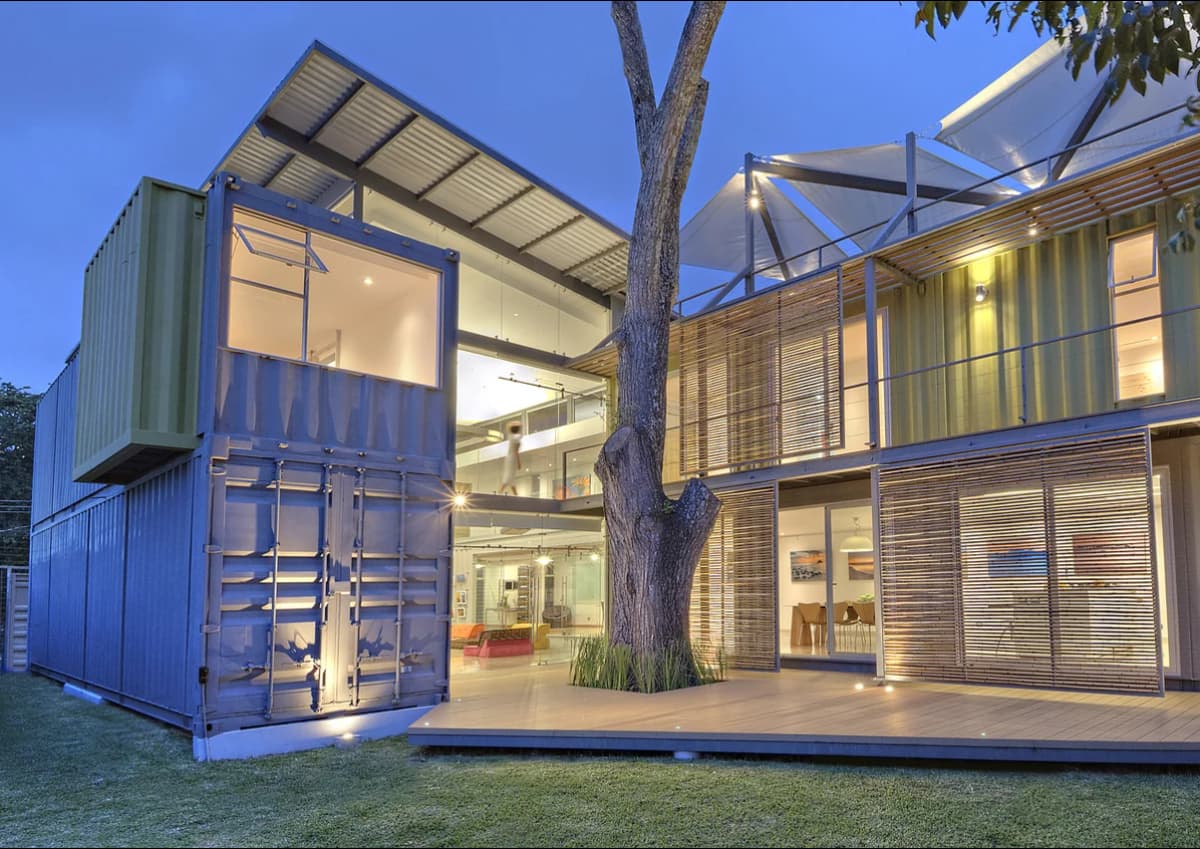
Tennessee homeowners have several paths to finance container projects. Your finances, timeline, and property details determine which works best. (Image courtesy of Livin Spaces)
1. Construction Loans for Alternative Housing
Construction loans designed for alternative housing are becoming more common as container homes gain popularity. These short-term loans last 12–18 months with variable rates averaging 1–3% above prime in Tennessee. The loan converts to a permanent mortgage when you're done, simplifying everything.
Several Tennessee lenders now offer construction-to-permanent loans for container homes. You'll need detailed building plans, contractor agreements, and a substantial down payment (20–25%). Money is released at predetermined milestones after inspections. This works best if you have excellent credit and good cash reserves.
2. Personal Loans: Fast Money Without Collateral
For smaller container projects or if construction loans don't work out, personal loans offer a straightforward option. These unsecured loans don't need your property as collateral, making approval simpler but rates higher. Tennessee personal loan rates for qualified borrowers currently range from 6–15%, with terms from 1–7 years.
3. Home Equity Lines of Credit (HELOCs)
If you already own property in Tennessee, a HELOC offers one of the cheapest financing routes. This revolving credit line uses your home's equity as collateral, which gives you flexible access to funds as your project progresses. Current Tennessee HELOC rates hover between 4–7% based on your credit and loan-to-value ratio.
HELOCs are flexible: you only pay interest on what you borrow and can draw funds as needed. Perfect for container projects that might face unexpected expenses or timeline changes. Plus, interest payments might be tax-deductible for home improvements but confirm this with a tax pro!
4. Credit Unions & Community Banks
Tennessee's local financial institutions often understand regional building trends better than big banks. Some have created programs for alternative housing including containers. They offer personalized service and might consider applications that bigger banks would reject.
Community banks are increasingly open to container financing. Their loan officers have more decision-making power and can evaluate your project beyond rigid lending rules. Rates are competitive with national banks but with more flexible terms.
5. Manufacturer Financing
Several container home manufacturers in Tennessee now offer in-house financing by partnering with specialized lenders to create financing packages for their builds. These programs include streamlined approval, competitive rates, and terms aligned with their specific homes.
The main advantage is simplicity: financing and building are integrated, reducing paperwork. However, manufacturer financing might limit your design flexibility and sometimes costs more than independent financing. Always compare total costs before committing.
6. Self-Funding Strategies
Many successful Tennessee container projects use phased building with self-funding. This means completing your home in stages as money becomes available. You might start with one finished container, then add more as your budget allows. This removes financing costs but extends your timeline.
Creative self-funding includes using 401k loans, crowdfunding, or partnering with family. Some Tennessee container homeowners even rent their partially-completed homes on short-term rental platforms like Airbnb during construction to generate funds.
How to Boost Your Loan Approval Chances
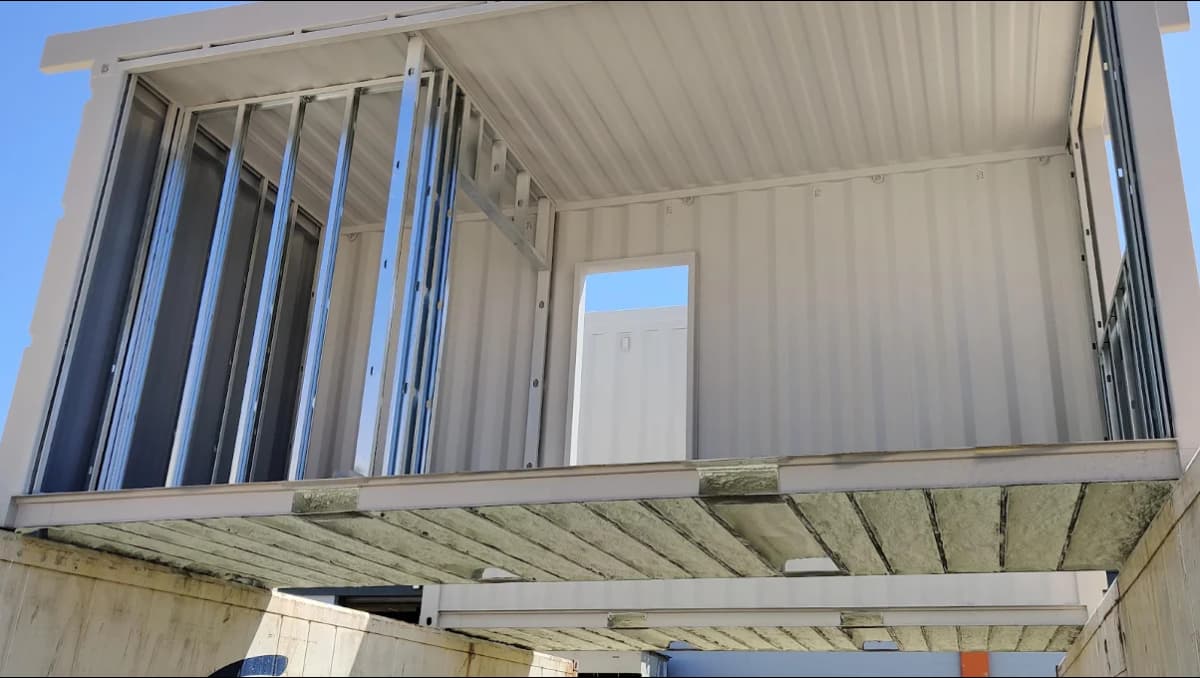
Container homes face unique regulatory challenges in Tennessee that directly impact financing. But there are ways to boost your financing options.
Essential Documentation
Prepare these documents before applying:
- Detailed architectural plans showing code compliance
- Professional contractor quotes (even if DIY building)
- Land deed or purchase agreement
- Zoning approval letter
- Structural engineering reports
- Your financial records (tax returns, bank statements, employment verification)
The more complete your documentation, the faster your approval process. Tennessee lenders appreciate borrowers who understand the unique aspects of container construction.
Credit Score Requirements
Most Tennessee lenders want a minimum 680 credit score for container financing, with best rates for scores above 740. This is 20–40 points higher than regular home loans due to perceived risk. If you're below 680, spend 3–6 months improving your credit or find a co-signer with better credit.
Down Payment Expectations
Plan on 20–30% down payment for container home financing in Tennessee. This is higher than regular mortgages but reflects lenders' caution with alternative housing. Some programs allow lower down payments, but you'll pay higher rates. Having a larger down payment opens more financing options and better terms.
*These numbers are estimates, and the actual price can vary. Thus, it’s best to reach out to us for an accurate quote.
Conexwest Can Help With Your Tennessee Container Home Financing
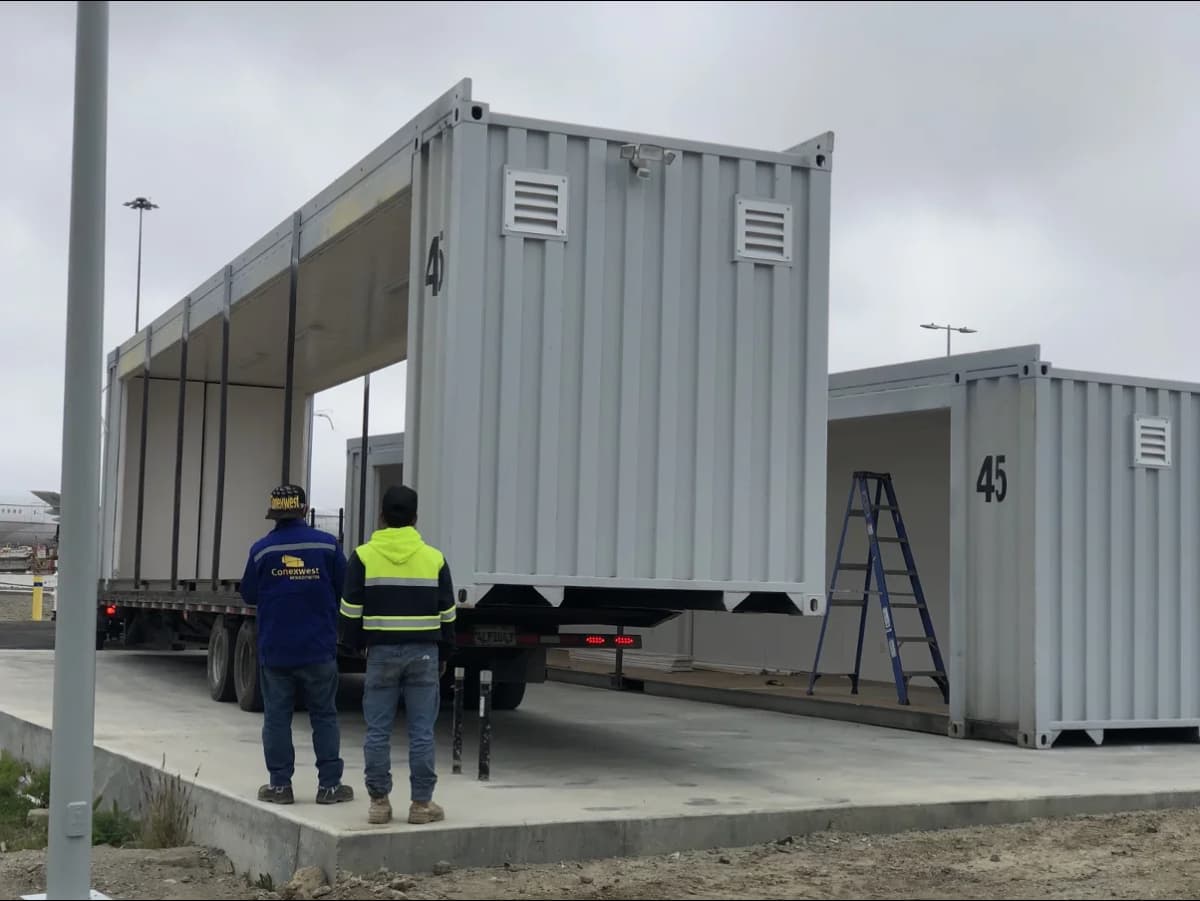
Our Tennessee-approved containers meet state building standards.
- Lender-Ready Documentation: We provide the detailed building plans, structural certifications, and code compliance documentation that Tennessee lenders require before they'll consider financing your container project. Our paperwork package speeds up approval and eliminates common rejection reasons.
- Tennessee Building Code Compliance: Our containers meet Tennessee's building standards and come with engineering documentation that satisfies state requirements. This eliminates the compliance issues that often kill financing applications for DIY container projects.
- Phased Construction Support: Many Tennessee container buyers use phased construction to avoid financing altogether. We help plan container delivery and modifications that work with self-funding timelines, letting you build as your budget allows.
- Rural Project Expertise: Tennessee's rural counties offer the best opportunities for container homes, but they also present unique challenges with utilities and access. We understand rural Tennessee requirements and can guide you toward locations that make financing easier.
Was this helpful?
Frequently Asked Questions
Traditional 30-year mortgages are rarely available for container homes in Tennessee, especially for first builds. Conventional lenders struggle with valuation due to limited comparable sales and durability concerns.
Your best path is a construction-to-permanent loan that converts to a regular mortgage after completion and inspection. This two-phase approach lets lenders verify your container home meets codes before committing to long-term financing.
Container homes in Tennessee show reasonably strong value retention, especially near Nashville, Chattanooga, and Knoxville. Well-designed containers with permanent foundations and quality finishes retain 80–90% of construction value versus 95–100% for traditional homes.
Location is the main factor. Container homes in established neighborhoods or desirable rural areas maintain value better than those in unzoned areas. Designs that blend with surrounding architecture perform better for resale. Energy efficiency features increasingly add value as climate concerns grow.
Tennessee's financing situation for container homes is tricky because every county has different rules, and most lenders don't understand these projects.
At Conexwest, we provide complete documentation packages that include everything lenders need: engineering specs, building code compliance certificates, and detailed construction plans. This eliminates the guesswork that kills most container financing applications.