
Eco-Friendly Container Modifications: Solar, Insulation & Green Tech | Conexwest
Turning a shipping container into a livable space is one thing. Turning it into an energy-efficient, eco-friendly home that actually saves you money and reduces your environmental footprint? That's where the right modifications make all the difference.
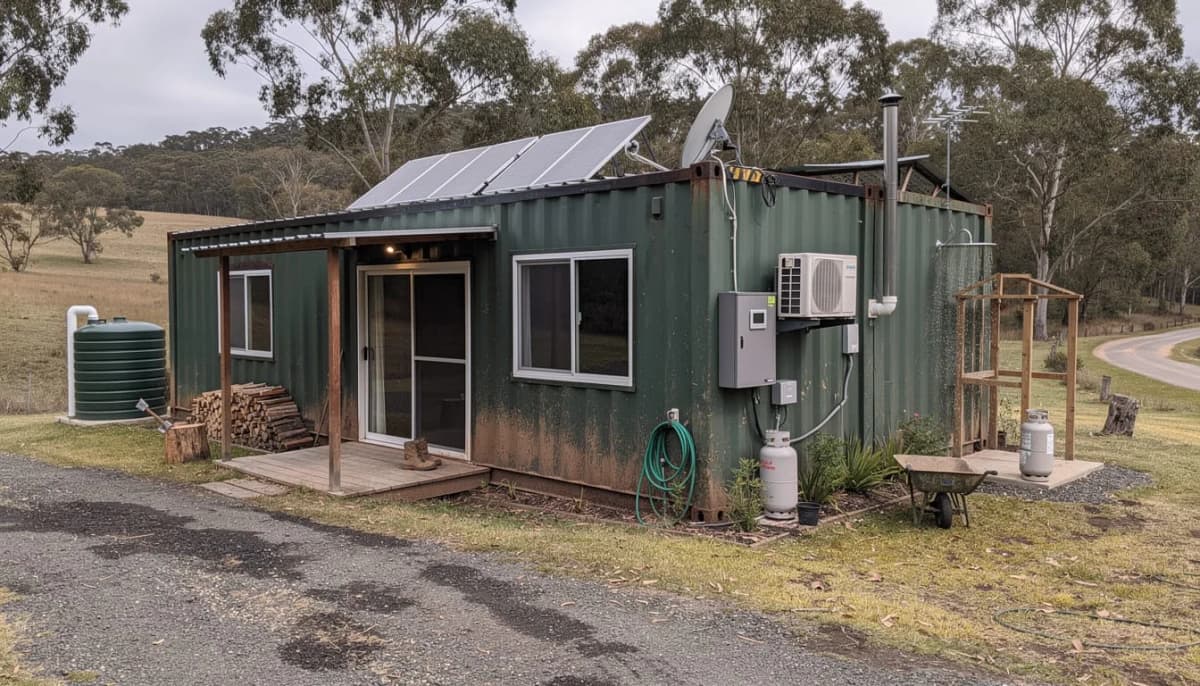
The truth is, an unmodified shipping container is an environmental nightmare. Steel boxes trap heat in summer, freeze in winter, and guzzle energy for climate control. But with the right eco-friendly modifications, solar power, high-performance insulation, and smart green technologies, container homes can outperform traditional houses in both sustainability and operating costs.
This isn't about greenwashing or adding a solar panel for aesthetics. It's about strategic modifications that transform containers into genuinely efficient, comfortable, and sustainable living spaces.
Let's break down what actually works.
Solar Power for Shipping Containers: Off-Grid Freedom
Solar power isn't just an eco-friendly add-on for container homes, it's often the single most impactful modification you can make. Container roofs are perfectly designed for solar installations: flat, durable, and already engineered to handle significant weight loads.
How Much Solar Do You Need?
The solar capacity you'll need depends on your energy consumption, but here are typical configurations:
- For a 20-foot container (160 sq ft):
- 6-12 solar panels
- 2.4–4.8 kW system capacity
- Supports basic living (lights, refrigerator, small appliances)
- Cost: ~$8,000–$15,000 installed approximately
For a 40-foot container (320 sq ft):
- 12-24 solar panels
- 4.8–9.6 kW system capacity
- Supports full off-grid living including HVAC
- Cost: ~$15,000–$30,000 installed approximately
According to real-world installations, a properly sized solar array with battery storage can power everything from air conditioning to computers, lights, and appliances. One container homeowner running a 1,200W solar array reported powering an entire off-grid charging station with ease.
Solar Mounting Solutions
The biggest advantage of container solar? No need to build separate mounting structures. The container itself is your foundation.
Popular mounting methods:
Domino Clamps and Unistrut framing – No drilling or welding required, easily removable
- Welded bracket systems – Permanent, ultra-secure for extreme weather
- Ground mount extensions – Panels can safely overhang container edges by up to 24 inches
- Tiltable hurricane frames – Can be lowered flat during storms (popular in Caribbean installations)
Conexwest customers frequently integrate solar during the modification process, allowing panels to be pre-wired before delivery. This saves installation time and ensures proper electrical integration from the start.
Battery Storage: The Missing Piece
Solar panels without battery storage mean you're still tied to the grid or generator when the sun goes down. Modern battery systems make true off-grid living practical.
Common battery configurations:
- Lithium Iron Phosphate (LiFePO4) – 9,600Wh to 50,000Wh capacity, 15+ year lifespan
- GEL batteries – 15-year operational lifetime, 1,350-1,550 cycles at 50% depth of discharge
- Modular expansion – Most systems allow stacking up to 9 batteries as energy needs grow
A typical off-grid container home uses an 8,800W solar array paired with a 9,600Wh battery bank, which costs around $12,000–$18,000 for the complete system. This setup can power a refrigerator, mini-split AC unit, lights, and standard electronics.
Insulation: Where Energy Efficiency Is Won or Lost
Here's the uncomfortable truth: you can install $20,000 worth of solar panels, but if your container is poorly insulated, you'll waste most of that energy trying to heat or cool a metal box.
Steel conducts temperature rapidly. Without insulation, interior container temperatures can swing 50+ degrees from day to night. Proper insulation isn't optional; it's the foundation of any eco-friendly container modification.
Interior vs. Exterior Insulation
Interior insulation is faster and more DIY-friendly but reduces livable space. You'll lose 2-6 inches on all walls depending on insulation type and framing.
Exterior insulation maintains full interior dimensions and follows "perfect wall" principles by placing the thermal barrier outside the steel. However, it requires additional cladding (wood, metal, or vinyl siding) and costs 30-50% more.
For eco-conscious builds, exterior insulation with sustainable cladding like reclaimed wood offers the best thermal performance and aesthetics, though budget often drives the decision toward interior solutions.
Green Technologies That Actually Matter
Beyond solar and insulation, several green technologies can dramatically improve container home sustainability and livability.
Rainwater Harvesting Systems
Container roofs are ideal for rainwater collection. A 40-foot container roof provides 320 square feet of collection area enough to harvest substantial water in most climates.
Basic rainwater system components:
- Gutter system along container roof edges
- First-flush diverter to remove initial dirty runoff
- Storage tanks (100-500 gallons typical for residential use)
- Filtration system for potable use
- Pump system for distribution
A complete rainwater harvesting setup costs $2,000–$5,000 and can provide water for toilets, irrigation, and (with proper filtration) drinking water. This is particularly valuable for off-grid container homes or areas with expensive municipal water.
Energy-Efficient HVAC Solutions
Traditional HVAC systems struggle with container homes due to thermal bridging through steel. Eco-friendly alternatives perform better:
Mini-split heat pumps are the most popular choice. An 18,000 BTU mini-split unit can heat and cool a 40-foot container efficiently, costs $2,500–$4,500 installed, and uses 60% less energy than traditional systems.
Passive ventilation through strategically placed windows and vents can reduce HVAC needs significantly. Cross-ventilation design allows natural cooling in moderate climates.
Radiant floor heating paired with well-insulated containers provides efficient, comfortable heating in cold climates. Installation costs $10–$20 per square foot but delivers long-term energy savings.
Smart Home Technology for Energy Management
Modern container homes can integrate smart technology for optimal energy efficiency:
- Smart thermostats learn usage patterns and reduce waste
- Automated lighting with motion sensors and daylight harvesting
- Energy monitoring systems track solar production and consumption in real-time
- Smart appliances coordinate usage during peak solar production hours
These systems cost $500–$2,000 to implement but can reduce energy consumption by 15-30% through optimized usage patterns.
Greywater Recycling
Greywater systems capture water from sinks and showers, filter it, and reuse it for toilet flushing or irrigation. This reduces water consumption by 30-50% and is particularly valuable for off-grid container homes.
Basic greywater systems cost $1,500–$4,000 installed and pay for themselves through reduced water bills within 3-5 years in most regions.
Composting Toilets
For truly off-grid container homes, composting toilets eliminate the need for septic systems entirely. Modern units are odorless, require minimal maintenance, and cost $1,000–$2,500.
They're not for everyone, but for remote container homes or eco-purists, they're the ultimate in water conservation and waste reduction.
Making Eco-Modifications Work for Your Budget
Not everyone can afford $40,000+ in green modifications upfront. The smart approach is phased implementation:
Phase 1 (Essential): Insulation + basic solar Phase 2 (Comfort): Energy-efficient HVAC + windows Phase 3 (Independence): Battery storage + rainwater harvesting Phase 4 (Optimization): Smart systems + greywater recycling
This allows you to spread costs over 2-3 years while immediately capturing the biggest energy savings from insulation and solar.
The Bottom Line on Green Container Modifications
Eco-friendly container modifications aren't about ticking boxes or chasing trends. They're about making strategic investments that reduce operating costs, improve comfort, and genuinely minimize environmental impact.
Solar power, high-performance insulation, and smart water systems transform shipping containers from energy-guzzling metal boxes into efficient, sustainable homes that can outlast and outperform traditional construction.
The upfront costs are real, but so are the long-term savings. A well-modified container home can achieve near-zero utility costs, require minimal maintenance, and provide comfortable, healthy living for decades.
Start with insulation. Add solar. Integrate smart systems as budget allows. That's the path to container homes that are truly green not just in marketing, but in measurable performance and real-world results.
How Conexwest Supports Eco-Friendly Container Projects
At Conexwest, sustainable container modifications aren't an afterthought—they're integrated into the design process.
Our eco-friendly modification services:
Professional spray foam insulation using high-performance materials with proven R-values
- Solar-ready modifications including pre-wired electrical systems and reinforced roof mounting points
- Energy-efficient window and door installations with proper sealing and thermal breaks
- Expert consultation on green technology integration specific to your climate and goals
We work with containers of all conditions new, used, and refurbished and can recommend the right starting point for your sustainability goals and budget.
Whether you're building a fully off-grid retreat or simply want to reduce utility costs, we provide the expertise and customization to make eco-friendly container living practical and affordable.
Ready to start your eco-friendly container project? Browse our catalogue and explore Conexwest's modification services and discover how sustainable technology can transform your container into an efficient, comfortable home. Use Conexbuilder to plan your container layout and visualize where modifications will go before purchasing.