2025 New York City Container Home Laws, Costs & Build Ideas
Key Takeaways
- Container homes in NYC can cost 30–50% less than regular construction, depending on where you build and how fancy you get.
- New 2025 zoning rules open up previously off-limit areas in Staten Island and parts of Queens for legal container home builds.
- Sustainable features like rainwater collection and solar panels are now required for all new container home permits in NYC.
- Conexwest provides NYC-compliant containers and has professionals who understand the city's unique building requirements.
A Solution to NYC’s Housing Crisis?
New York City's housing costs have risen sharply, with average Manhattan apartments hitting $1.2 million in 2024. Tons of New Yorkers now spend over half their income on housing, pushing people to get creative. Container homes are a real solution that give folks affordable housing options while cutting construction waste and helping the environment.
These modular structures go up fast, usually just 2–3 months compared to the year-plus it takes for regular construction. Speed alone makes container homes attractive in a city where people need housing faster than builders can make it. Plus, their industrial look can create spaces that feel both modern and authentically New York.
Conexwest, a leader in shipping and storage solutions based in Northern California, offers new, used, and refurbished containers from 10ft to 45ft, with fast delivery within 3–7 days and container fabrication options like adding shelves and locks. We serve over 10,000 customers nationwide, including prestigious clients like the U.S. Navy and Google. As an ISO 9001 and AWS-certified company, we ensure top quality and competitive pricing. |
Get a quote
2025 Container Home Laws
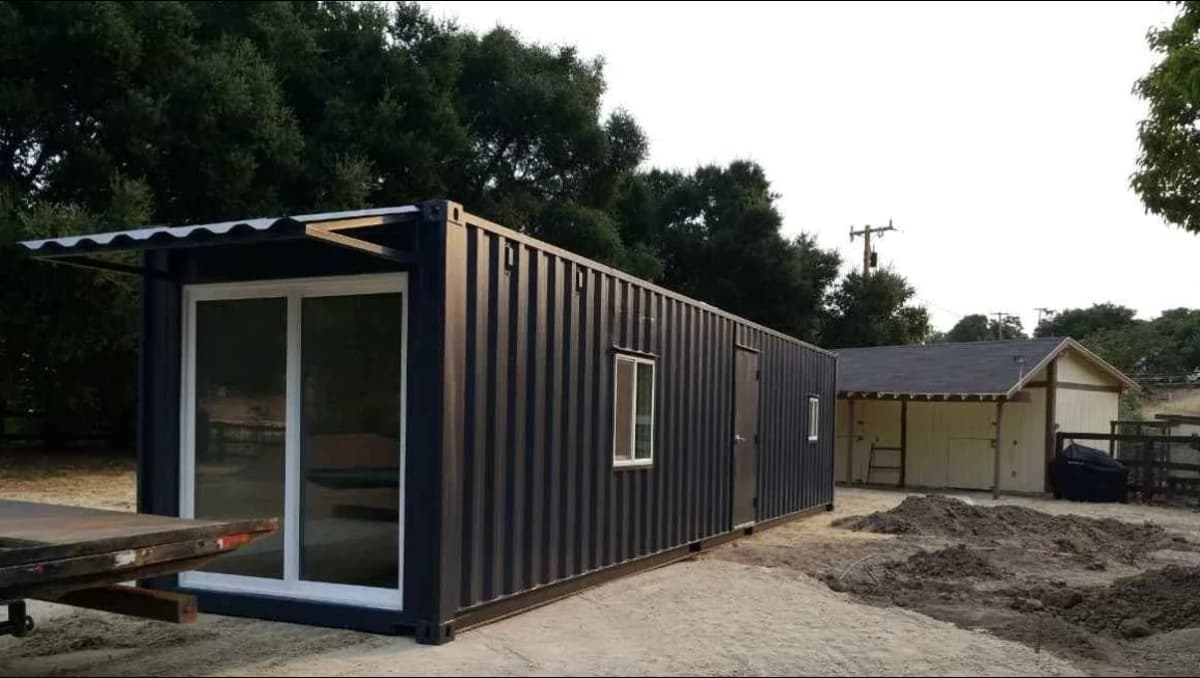
The game is changing big time for NYC container homes with the 2025 Urban Housing Diversification Act. Under these updated rules, container homes are now officially permanent dwelling structures when they meet specific standards for insulation, ventilation, and structural reinforcement.
NYC’s 2024–2025 Zoning Reforms
The New York City Council passed comprehensive zoning reforms designed to increase housing supply and affordability across all five boroughs. These reforms include legalization and regulation of accessory dwelling units (ADUs), support for affordable housing, and expanded opportunities for residential development in various neighborhoods. While not container-home-specific, these reforms create a more flexible framework that can benefit innovative housing types like container homes.
Shipping Container Homes and Building Codes in New York
Shipping container structures are legal in New York but must comply with local zoning laws and building codes, which follow the International Building Code (IBC) with local amendments. Container homes require building permits, detailed architectural and structural plans, and must meet safety, insulation, ventilation, and fire protection standards similar to conventional homes. Temporary container use (e.g., for storage or construction) has more lenient rules, but permanent residential use triggers stricter requirements.
Permit Process and Development Strategies
NYC’s Department of Buildings encourages pre-application consultations to help developers navigate complex regulations. While permit timelines vary, recent reforms and city initiatives have improved processing efficiency, especially for affordable and sustainable housing projects. Developers often use phased approaches such as starting with accessory buildings or forming housing cooperatives to meet zoning and affordability goals. Industrial-to-residential conversions are increasingly common in areas like Long Island City and Brooklyn, sometimes incorporating modular or container-based units.
Real Container Home Costs
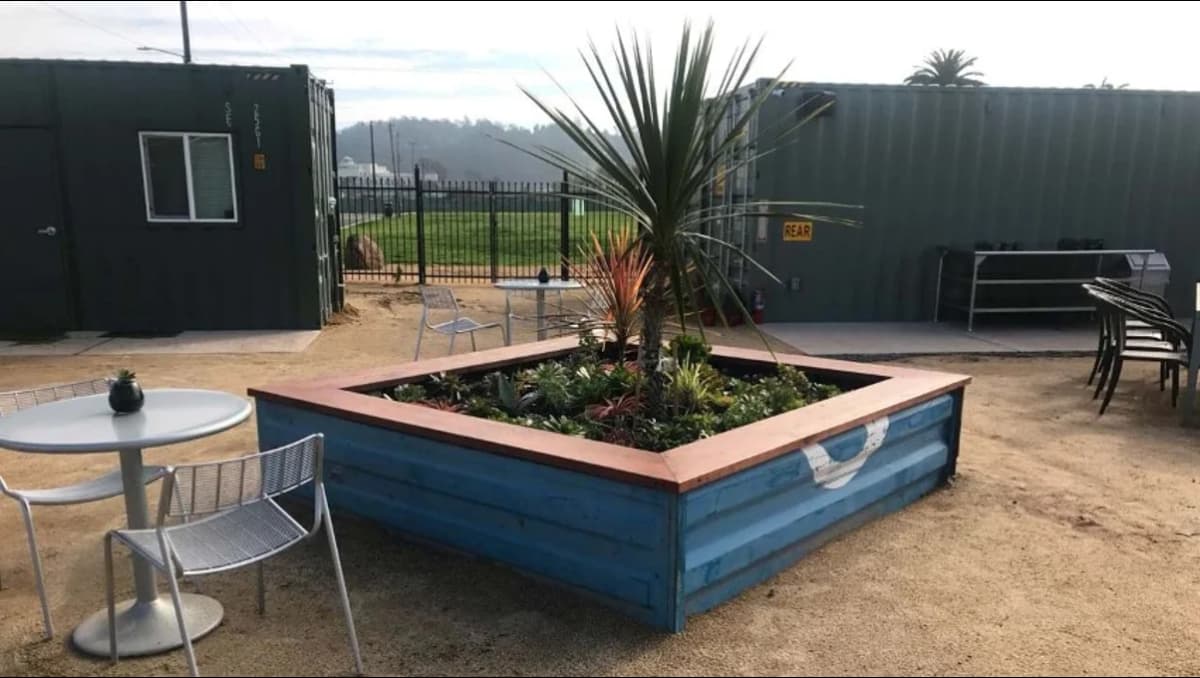
The financial reality of building a container home in NYC is way different from container projects in the sticks. While container homes are generally cheaper than traditional construction, NYC's unique situation creates special cost considerations.
Container Purchase
Getting quality shipping containers in NYC has gotten easier with the port's high container traffic. Used containers cost $1,735 and $3,378 for new ones for a standard 20-foot unit. A 40-foot unit starts at $5,349 for new units and $1,945 for used ones.
High-cube containers, which give you an extra foot of ceiling height, cost 30–50% more but are worth it for residential comfort. Specialized containers like refrigerated units (come pre-insulated) or open-side containers (more design flexibility) can cost 50–100% more than standard containers but sometimes reduce overall construction costs through their built-in features.
Land Prices
Land is your biggest cost factor for NYC container homes, with prices all over the map across boroughs. Staten Island currently has the best deals, with buildable lots starting around $150,000 for small parcels.
Outer sections of Queens and the Bronx follow, with container-suitable lots running $200,000–400,000. Brooklyn prices start at $400,000 for small lots in less central neighborhoods, while Manhattan land is basically too expensive for most container projects.
When budgeting for land, really pay attention to utility access and soil conditions. Lots without existing water, sewer, and electrical connections can need an extra $30,000–50,000 for infrastructure development. Similarly, sites with poor soil might need enhanced foundations adding $20,000–40,000 to your budget.
Conversion Expenses
Most of your container home budget goes toward turning the raw container into a comfortable, code-compliant home. Interior finishing averages $80–120 per square foot in NYC, varying based on material choices and design complexity. Specialized container modifications like window and door cutouts cost $1,500–2,500 per opening, including reinforcement and finishing.
Structural engineering is another big expense, especially for multi-container designs. Expect $5,000–15,000 for engineering plans and another $10,000–30,000 for structural modifications and reinforcements. HVAC systems designed specifically for container thermal challenges run between $8,000–15,000, way higher than conventional systems due to specialized design requirements.
Utility Hookups
Connecting your container home to NYC utilities means dealing with both bureaucratic and technical headaches. Water and sewer connections average $10,000–20,000 depending on distance to main lines and soil conditions. Electrical service installation typically costs $5,000–8,000 for standard connections, though upgrading to 200-amp service (recommended for most container homes) pushes this higher.
Gas connections, if you want them, add another $3,000–7,000. Many container home builders skip gas entirely, going all-electric to eliminate hookup costs while preparing for future energy requirements. Smart home integration, while optional, adds about $5,000–10,000 for systems that optimize energy use and improve comfort in the unique container environment.
Total Budget Breakdown
NYC Container Home Cost Breakdown (800 sq ft / 2-container home)
- Land (outer boroughs): $200,000–$400,000
- Containers (2 high-cube 40'): $15,000–$18,000
- Foundation & site work: $30,000–$45,000
- Architectural & engineering: $15,000–$25,000
- Permits & inspections: $8,000–$12,000
- Structural modifications: $20,000–$30,000
- Interior finishing: $64,000–$96,000
- Plumbing & electrical: $25,000–$35,000
- HVAC systems: $10,000–$15,000
- Utility connections: $18,000–$35,000
- Contingency (15%): $30,000–$45,000
TOTAL: $435,000–$756,000
These prices are just an estimate and are subject to change. Contact us to get the exact pricing.
NYC-Specific Design Ideas
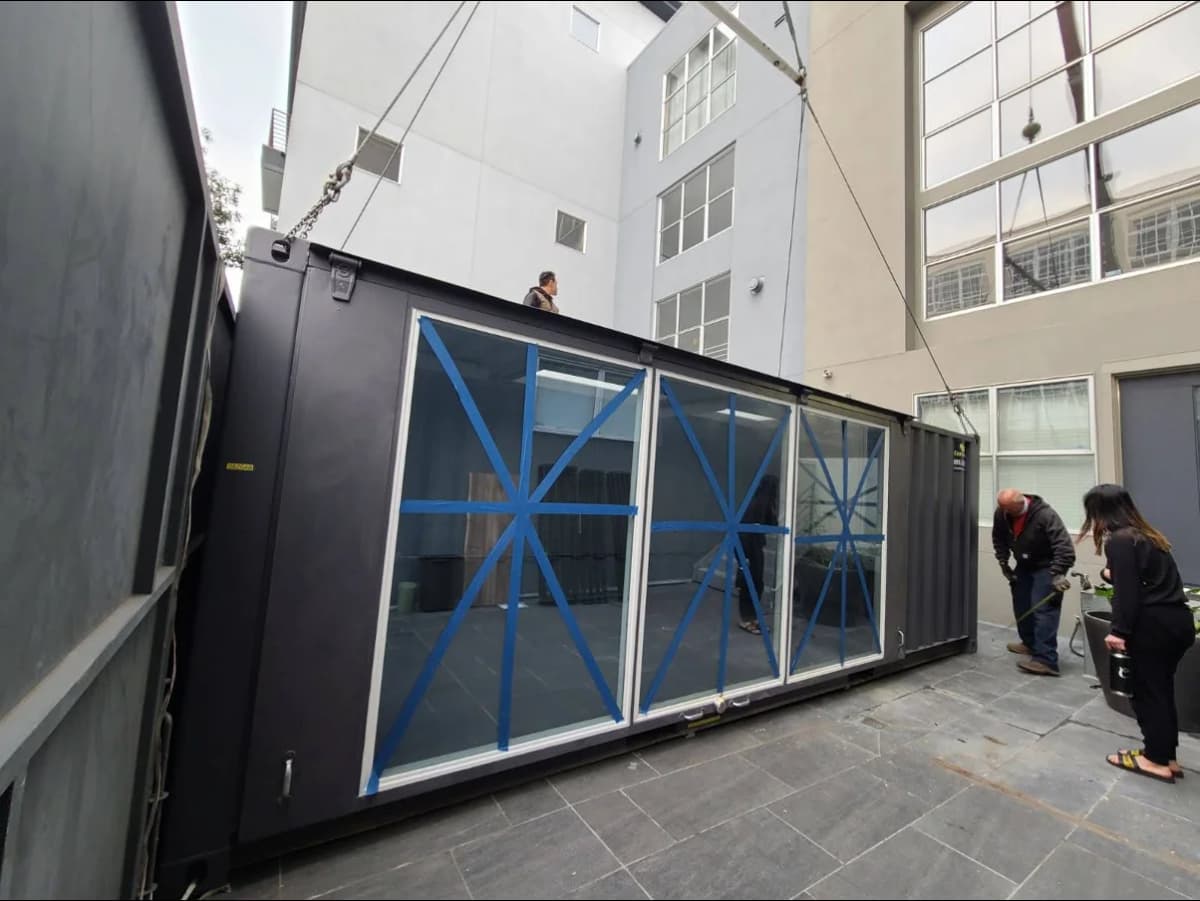
The most successful NYC container homes use design elements that address the city's unique challenges while playing to the container’s strengths.
Rooftop Gardens
These elevated gardens both create private outdoor escapes and help manage stormwater runoff, a big environmental issue in the city's heavily paved landscape. The flat, reinforced surfaces of shipping containers make perfect platforms for green roof installations.
Most successful container home rooftop gardens in NYC use lightweight growing media and drought-resistant native plants to minimize structural load. Rainwater harvesting systems often integrate with these gardens, collecting rain from the roof for irrigation. Some advanced designs mix solar panels with plants, creating hybrid energy-garden spaces that maximize limited roof area.
Multi-Container Stacks
Stacking multiple containers has become standard for creating enough living space on NYC's tiny lots. The best designs offset containers to create cantilevered sections that expand interior volume while looking architecturally interesting. These offset arrangements also create natural terraces and balconies, adding valuable outdoor space to urban homes.
Structural considerations get really important in stacked designs. Most NYC container stacks use substantial steel reinforcement at corner posts and around big openings. Cross-bracing systems keep structural integrity while allowing for open-concept interiors most residents want.
Underground Containers
A new trend in NYC container architecture involves partially burying containers to maximize buildable space on small lots. These semi-underground designs use containers' natural structural strength to create earth-sheltered spaces that stay comfortable temperature-wise year-round. Excavation costs get offset by serious energy savings, especially during extreme temperatures.
Successful underground container installations in NYC usually put the container at least three feet below grade, with serious waterproofing and foundation drains to prevent moisture problems. Below-grade portions often house utility areas, bathrooms, or bedrooms, while above-grade sections feature living spaces that get natural light. This arrangement creates natural thermal zoning that boosts comfort while cutting energy demands.
Conexwest Can Help With Your NYC Container Home
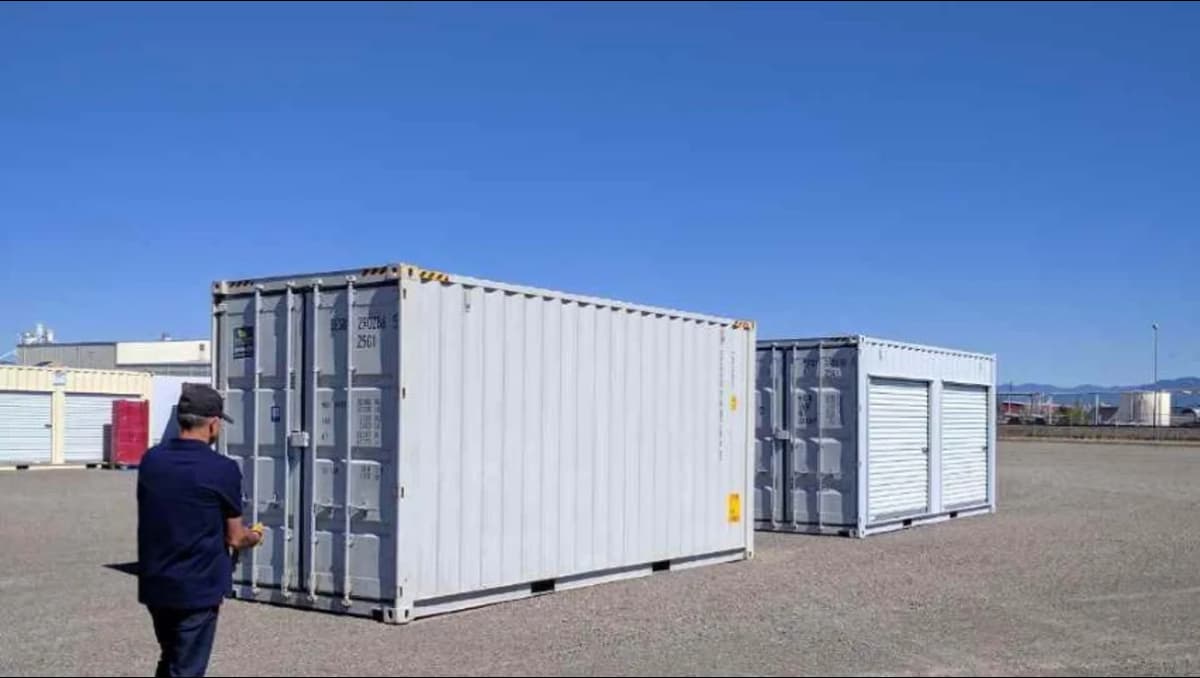
Our NYC-compliant containers meet the city's strict building codes for residential conversion, including proper insulation ratings and structural modifications.
1. NYC Code-Compliant Containers
We source containers that meet New York City's tough building standards, including proper steel thickness for structural modifications and containers in good enough condition to pass city inspections. Not all containers work for NYC residential projects. We help you get ones that will actually get approved.
2. Professional Network Connections
Building in NYC requires licensed architects, structural engineers, and specialized contractors who understand container construction. We connect you with professionals who've successfully navigated the city's permit process and know how to make container homes work within NYC's regulations.
3. Delivery Throughout the Five Boroughs
Getting containers into tight NYC locations takes specialized equipment and experienced drivers. Our delivery team knows how to navigate narrow streets, tight corners, and tricky access situations that would stump other suppliers.
4. Pre-Modification Services
We can handle basic structural modifications at our facility before delivery, saving you time and hassle in the city. This includes cutting openings for windows and doors, adding reinforcement, and applying protective coatings that meet NYC requirements.
5. Regulatory Guidance
Our team stays current on NYC's changing container home regulations and can help you understand what's required for your specific project. We've worked with customers through the permit process and know which requirements really matter.
Get a quote
